Rural Real Estate in Mallorca’s Countryside: Advantages
Rural property in the Mallorcan countryside offers calm, landscape, community and rental potential. A measured look at the appeal and what to weigh.
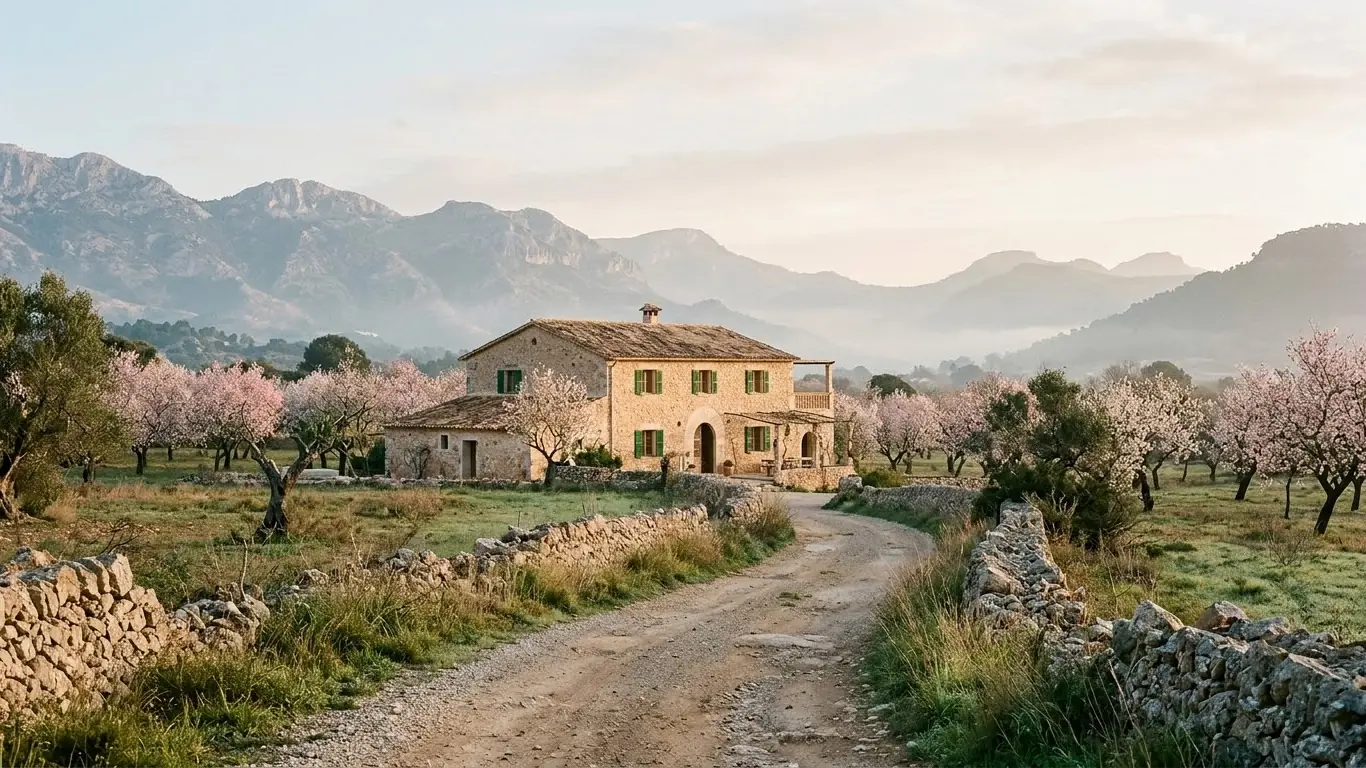

Mallorca’s countryside trades the pace of the city for quiet, open land and a slower rhythm. This article weighs what rural property offers there, from calm and landscape to community, produce and rental potential, and what deserves a closer look.
Quiet of this kind supports well-being and leaves room to reflect. It is not only the absence of noise but a lifestyle that puts mindfulness and relaxation first.
Communities with this outlook tend to offer parks, gardens and open spaces that invite outdoor activity and conversation. Yoga classes, meditation sessions or an unhurried walk in nature become part of daily life, and the setting nurtures a sense of belonging among neighbors.
Key Takeaways
- Peace and tranquility: A quiet setting that supports relaxation and relief from stress.
- Natural beauty: Varied landscapes and changing seasons shape daily life.
- Affordable property prices: Prices can sit well below those of metropolitan regions.
- Close-knit community: Neighbors know each other and a sense of belonging comes easily.
- Access to fresh, local produce: Markets and local growers supply fruit and vegetables at peak freshness.
- Outdoor activities and recreation: Parks, camping and cycling keep daily life active.
- Low crime rates: Rural areas often report lower crime than urban centers.
- Potential for rental income: Larger homes or additional properties can be rented to visitors, depending on demand.
Natural Beauty
Rural and semi-rural landscapes draw those who want a connection with nature: rolling hills and mountains, lakes and forests. Each season has its own character. Spring brings blooms, summer lush greenery and outdoor adventures, autumn warm hues, and winter a serene calm. This changing scenery invites exploration throughout the year. The natural environments often support diverse ecosystems as well. Birdwatchers can spot rare species, and hikers may encounter deer, foxes and other wildlife in their habitats.
Witnessing such biodiversity builds appreciation for the environment and encourages sustainable practice among residents. Natural beauty also has psychological benefits: studies link time spent in nature with lower stress, better mood and better mental health.
Affordable Property Prices
Price is a strong argument for less urbanized areas. Compared with metropolitan regions, where housing costs can be steep, many rural communities offer homes that are accessible to a broader range of buyers: first-time homeowners, retirees looking to downsize and families seeking more space.
Lower prices free resources for education, travel or savings. The lower cost of living often extends beyond housing: utilities, groceries and other everyday expenses tend to be more manageable than in urban centers. This advantage can raise quality of life and open up leisure and experiences that a city budget may not allow. As more people recognize the benefits of affordable living, investment in these communities can bring revitalization and, over time, higher property values, though neither is certain.
Close-Knit Community
Belonging is among the most valued aspects of rural life, and a close-knit community supplies it.
Closeness of this kind makes people feel valued and understood and leads to stronger social bonds.
Farmers markets, festivals and local gatherings bring residents together around shared interests and lay the ground for lasting friendships. Close ties also tend to heighten the sense of safety: neighbors look out for one another, an informal network that can deter crime and promote well-being.
In times of need, be it a personal crisis or a community emergency, residents are more likely to rally and offer support. This cooperation enriches individual lives and strengthens the community as a whole.
Access to Fresh, Local Produce
Fresh, local produce is among the great pleasures of rural living, available through farmers markets and community-supported agriculture (CSA) programs. These initiatives connect consumers directly with local farmers, so food is harvested at peak freshness and reaches the table promptly. Local sourcing also supports sustainable agricultural practice and reduces the carbon footprint of transporting food over long distances.
Fresh produce encourages healthful eating and strengthens the link between residents and their food. Many communities support gardening initiatives in which people grow their own fruit and vegetables, which adds to self-sufficiency. Programs on nutrition and cooking often follow, helping residents make informed choices about their diets while celebrating the produce of their region.
Outdoor Activities and Recreation
Family Time Outdoors
Families can spend weekends exploring local parks or going on camping trips, memories that last.
Community Engagement and Environmental Stewardship
Fun runs, cycling races and nature clean-up days bring residents together and promote fitness and environmental stewardship. Working toward common goals strengthens community ties as well as individual well-being.
A Vibrant Community Culture
Shared outdoor experiences build a community culture that values health, wellness and environmental conservation.
Low Crime Rates
Safety weighs heavily for anyone considering a move, and many rural areas report low crime rates compared with urban centers. Close-knit communities contribute to this: when residents know each other well, they look out for one another. That vigilance can deter crime and helps people feel secure in their homes and neighborhoods.
Low crime rates can support property values over time, as families look for safe places to raise children. The peace of mind of a secure community lets residents focus on their lives. Benefits such as reduced insurance premiums and a better quality of life can also attract new residents who seek safety and stability.
Potential for Rental Income
Rural areas offer potential for rental income to those seeking an additional income stream. Affordable prices can make it possible to buy several properties or larger homes and convert them into rental units or vacation rentals. As remote work spreads and more people look for escapes from urban environments, demand for short-term rentals in picturesque rural settings has grown.
Rental properties can bring financial returns and benefit the local economy, since visitors spend money on dining, shopping and recreational activities. Owners may also benefit from tax incentives related to rental income or property improvements. As communities attract new residents and tourists who seek tranquility and natural beauty, rental income can support financial stability while contributing to local growth.
More from Mallorca
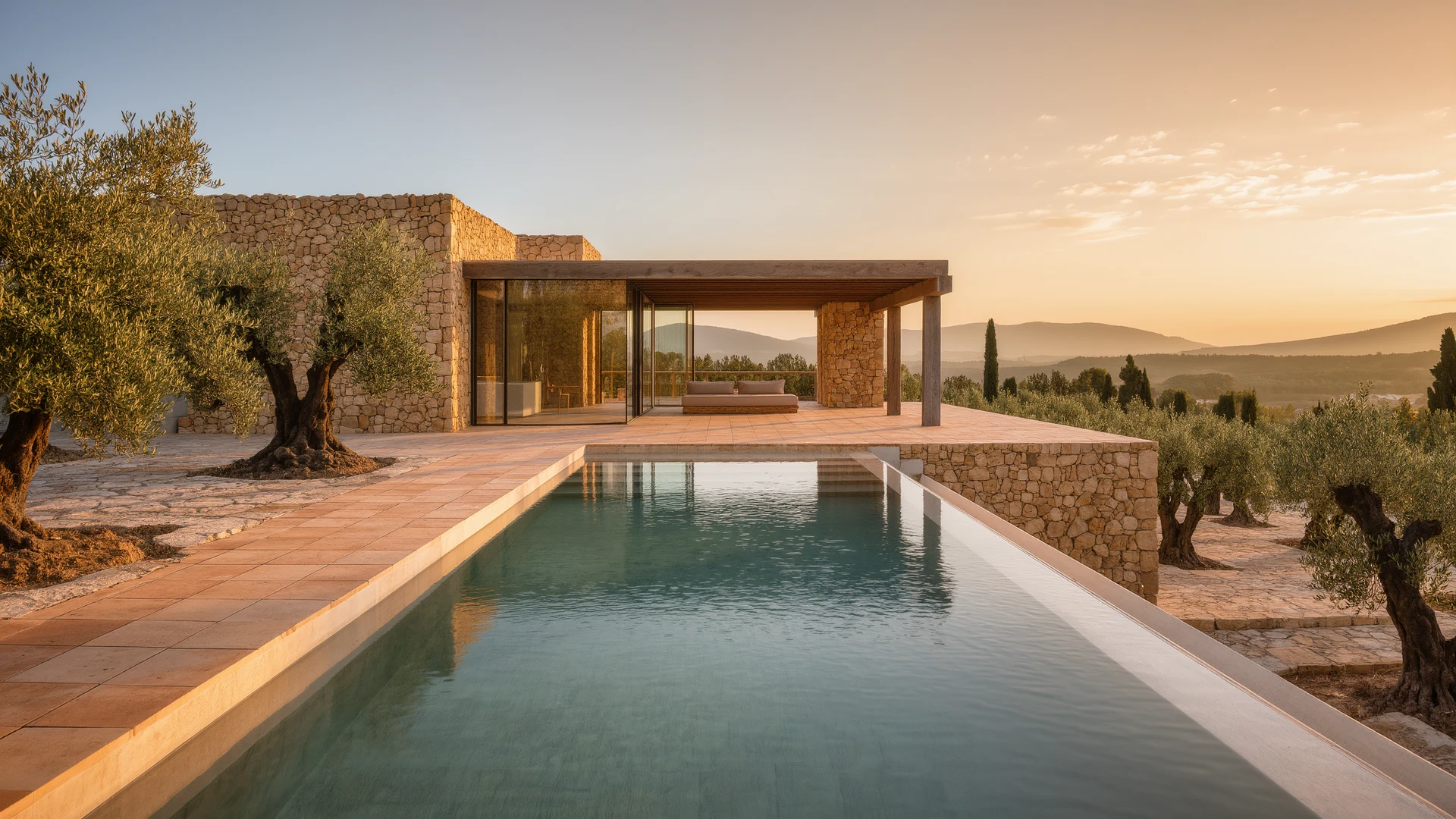
Luxury Finca in Mallorca: Prices, Costs, Water Rights
Luxury finca guide for Mallorca: prime locations, prices from 1.5M to 25M euros, restoration costs, water rights and what drives its valuation.
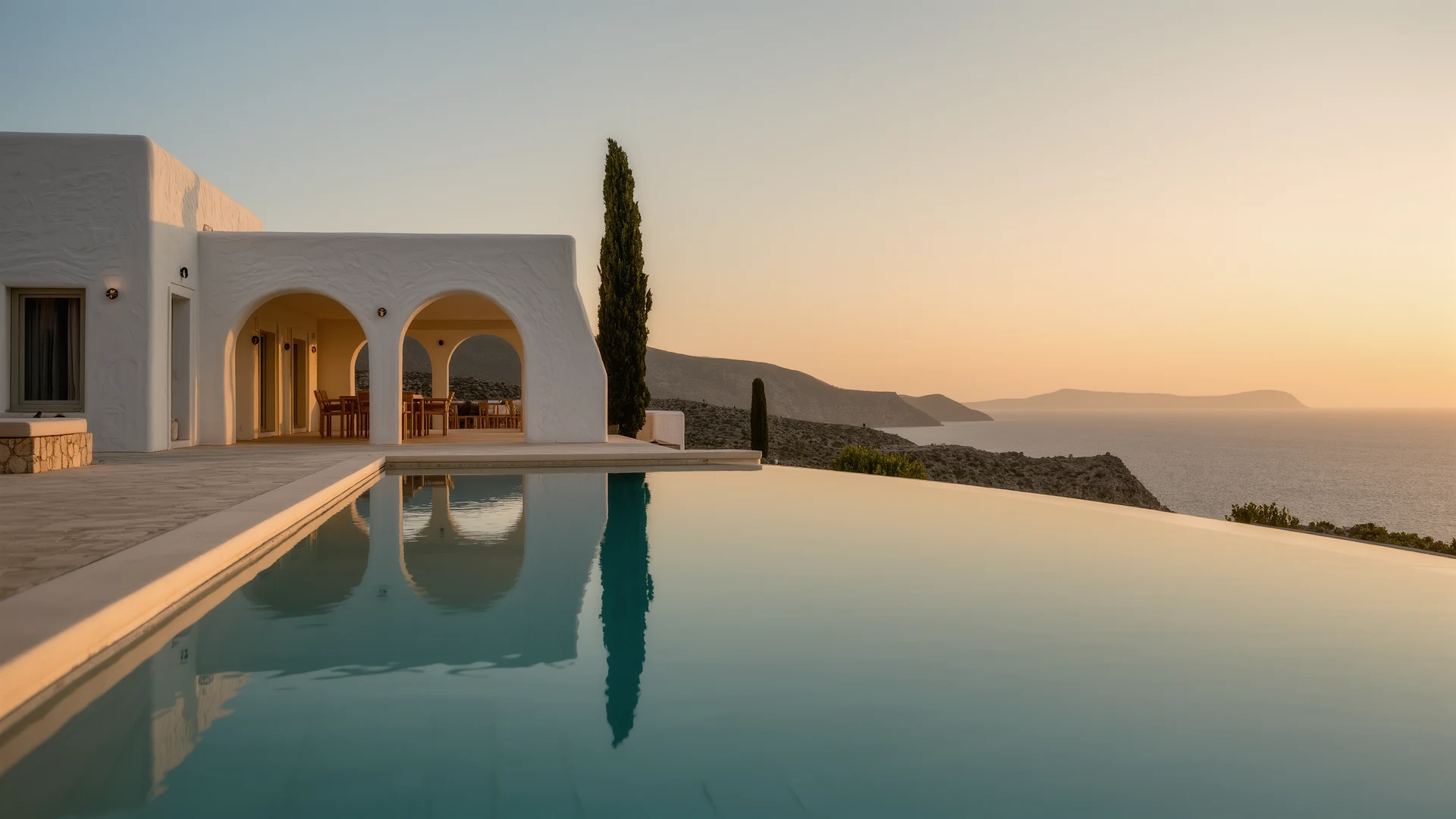
Mediterranean Villa Buying Guide: Prices, Yields, Taxes
Mediterranean villa buying guide 2026: prices, rental yields and taxes in Spain, France, Italy, Greece, Croatia and Montenegro, plus renovation rules.

Mallorca Luxury Real Estate Guide: Areas, Taxes, Prices
Mallorca luxury real estate guide: top areas like Portals Nous and Andratx, prices from 2 to 45 million euros, taxes, the Golden Visa and yields.