Mallorca · 39.62°N 2.99°E · File 75
Avoid Common Mistakes When Buying Property in Mallorca: Tips
When embarking on the journey of purchasing a home, the first step is to conduct thorough research on the area where you intend to buy. This involves not only understanding the nei…
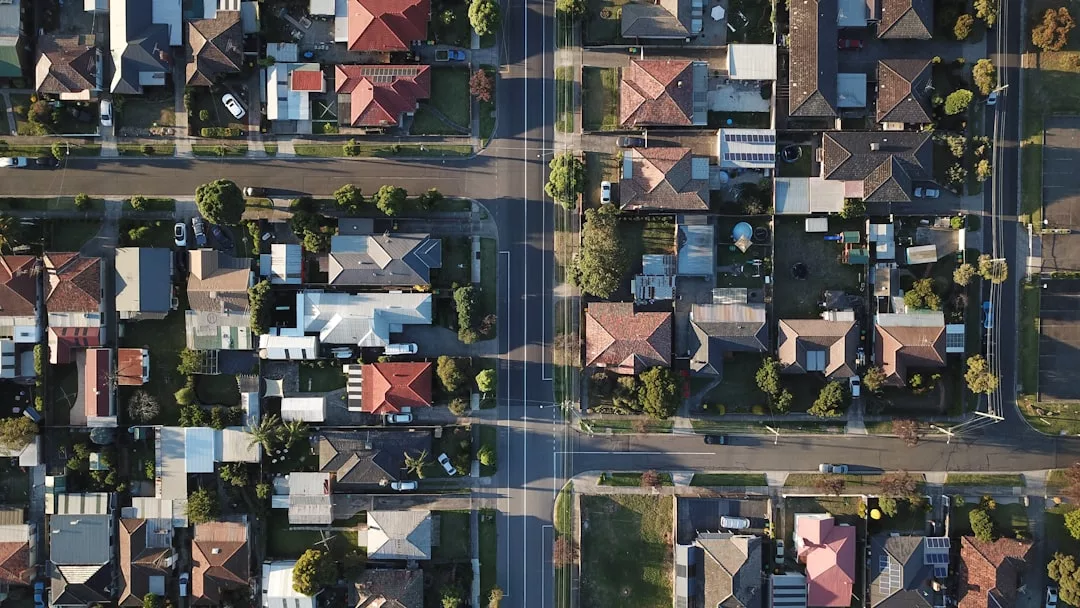
When embarking on the journey of purchasing a home, the first step is to conduct thorough research on the area where you intend to buy. This involves not only understanding the neighborhood’s demographics but also delving into its history, culture, and future development plans. For instance, if you are considering a suburban area, investigate the local schools, parks, and community centers.
The quality of education can significantly impact property values and your family’s lifestyle. Websites like GreatSchools.org provide ratings and reviews of schools, which can be invaluable in your decision-making process. Moreover, it is essential to explore the local economy and job market.
Areas with robust employment opportunities tend to attract more residents, which can drive up property values over time. Look into major employers in the vicinity, unemployment rates, and economic growth indicators. Additionally, consider the area’s safety by reviewing crime statistics available through local police department websites or community forums.
Engaging with current residents through social media groups or neighborhood apps can provide firsthand insights into living conditions, community events, and potential issues that may not be immediately apparent from surface-level research.
Key Takeaways
- Research the area to understand the neighborhood, amenities, and potential for growth
- Set a budget and stick to it to avoid overspending and financial strain
- Use a local real estate agent who has knowledge of the area and can provide valuable insights
- Consider the resale value of the property to make a smart investment decision
- Get a professional inspection to uncover any potential issues with the property
- Understand the legal process involved in purchasing real estate to avoid any complications
- Consider additional costs such as property taxes, maintenance, and insurance
- Take your time and don’t rush the decision to ensure you make the right choice for your future home
Set a Budget and Stick to It
Assessing Your Finances
Begin by assessing your income, savings, and existing debts to determine how much you can afford to spend on a home without compromising your financial stability. A common guideline is that your monthly housing costs should not exceed 28% of your gross monthly income. This includes mortgage payments, property taxes, and homeowners insurance.Visualizing Your Budget
Utilizing online mortgage calculators can help you visualize different scenarios based on varying down payments and interest rates. Once you have a clear budget in mind, it is crucial to stick to it throughout the home-buying process.Avoiding Financial Pitfalls
It can be easy to get swept up in the excitement of house hunting and overlook financial constraints. To avoid this pitfall, consider getting pre-approved for a mortgage, which will give you a concrete figure to work with and help you focus on properties within your price range. Additionally, factor in potential future expenses such as maintenance and repairs, which can add up over time. By adhering to your budget, you will not only ensure a smoother purchasing experience but also set yourself up for long-term financial success.Use a Local Real Estate Agent
Engaging a local real estate agent can be one of the most beneficial decisions you make during your home-buying journey. A knowledgeable agent brings invaluable expertise about the local market, including current trends, pricing strategies, and neighborhood nuances that may not be readily apparent to an outsider. They can provide insights into which areas are experiencing growth or decline and help you identify properties that meet your specific needs and preferences.
Moreover, a local agent has established relationships with other professionals in the industry, such as mortgage brokers, home inspectors, and contractors. This network can streamline the buying process and provide you with trusted recommendations for services you may need. For example, if you find a property that requires renovations, your agent can connect you with reputable contractors who can provide estimates and timelines.
Additionally, an experienced agent will be adept at negotiating offers and navigating potential pitfalls during the transaction process, ensuring that your interests are well-represented.
Consider the Resale Value
While it may seem premature to think about resale value when purchasing a home, it is an essential aspect that should not be overlooked. The real estate market can be unpredictable, and circumstances may arise that necessitate selling your home sooner than anticipated. Therefore, evaluating the potential resale value of a property is crucial for making a sound investment.
Factors influencing resale value include location, property condition, and market trends. For instance, homes located near highly-rated schools or in neighborhoods with planned infrastructure improvements tend to appreciate more rapidly than those in less desirable areas. Additionally, consider the layout and features of the home itself; open floor plans and modern amenities are often more appealing to future buyers.
Conducting comparative market analysis (CMA) on similar properties in the area can provide insight into how quickly homes are selling and at what price points. By keeping resale value in mind during your search, you can make informed decisions that will benefit you in the long run.
Get a Professional Inspection
Before finalizing any home purchase, obtaining a professional inspection is a critical step that should never be overlooked. A thorough inspection can uncover hidden issues that may not be visible during initial viewings, such as structural problems, plumbing issues, or electrical hazards. Hiring a qualified inspector who is familiar with local building codes and standards will provide you with an accurate assessment of the property’s condition.
During the inspection process, it is advisable to accompany the inspector to gain firsthand knowledge of any potential concerns. This allows you to ask questions and better understand the implications of any findings. If significant issues are discovered, you may have grounds to negotiate repairs or price adjustments with the seller before proceeding with the purchase.
In some cases, buyers may even choose to walk away from a deal if the inspection reveals insurmountable problems. Ultimately, investing in a professional inspection can save you from costly surprises down the line.
Understand the Legal Process
Navigating the legal aspects of purchasing a home can be daunting for first-time buyers. The process involves various legal documents and requirements that must be understood to ensure a smooth transaction.
A real estate attorney can be an invaluable resource during this phase, providing guidance on legal obligations and ensuring that all paperwork is in order. Additionally, understanding local laws regarding property ownership is crucial. Different states have varying regulations concerning disclosures about property conditions or zoning laws that could affect your intended use of the property.
For example, some areas may have restrictions on short-term rentals or specific building codes that must be adhered to if you plan on making renovations.
Consider Additional Costs
While many buyers focus primarily on the purchase price of a home, it is equally important to consider additional costs associated with homeownership that can significantly impact your budget. These costs often include property taxes, homeowners insurance, maintenance expenses, and utilities. Property taxes vary widely depending on location and can increase over time based on local government assessments.
Researching tax rates in your desired area will help you gauge this ongoing expense. Homeowners insurance is another critical cost that protects your investment from unforeseen events such as natural disasters or theft. Rates can vary based on factors like location and coverage levels; therefore, obtaining multiple quotes from different insurers is advisable to find the best deal.
Furthermore, budgeting for routine maintenance and unexpected repairs is essential for long-term financial planning. A general rule of thumb is to set aside 1% of your home’s value each year for maintenance costs. By accounting for these additional expenses upfront, you will be better prepared for the financial responsibilities of homeownership.
Take Your Time and Don’t Rush
In today’s fast-paced real estate market, it can be tempting to rush into a purchase out of fear of missing out on a desirable property. However, taking your time is crucial for making an informed decision that aligns with your long-term goals. The home-buying process is significant; therefore, it is essential to approach it with patience and diligence.
Rushing can lead to overlooking critical details or settling for a property that does not meet your needs. Allow yourself ample time to explore various neighborhoods and properties before making a decision. Attend open houses and schedule multiple viewings to get a comprehensive understanding of what is available within your budget.
Additionally, don’t hesitate to revisit properties that initially caught your eye; sometimes a second visit can reveal new insights or concerns that were not apparent during the first viewing. By taking a measured approach and allowing yourself time to reflect on each option thoroughly, you will increase your chances of finding a home that truly fits your lifestyle and aspirations.
Same market
More from Mallorca

Mallorca · 14 min
Luxury Finca Complete Guide
Luxury finca guide for Mallorca: prime locations, prices from 1.5M to 25M euros, restoration costs, water rights and a 7.2% growth rate driving this r…

Mallorca · 14 min
Mediterranean Villa Buying Guide
Mediterranean villa buying guide 2026: prices, yields and tax across Spain, France, Italy, Greece, Croatia and Montenegro in a 320 billion euro luxury…

Mallorca · 16 min
Mallorca Luxury Real Estate Guide
Mallorca luxury real estate guide: 2025 prices from 2 to 45 million euros, top areas like Portals Nous and Port d’Andratx, taxes, Golden Visa an…