Living in a Gated Community: Key Benefits
Living in a gated community: security, amenities, community life, privacy, maintenance, controlled access and what that means for property values.
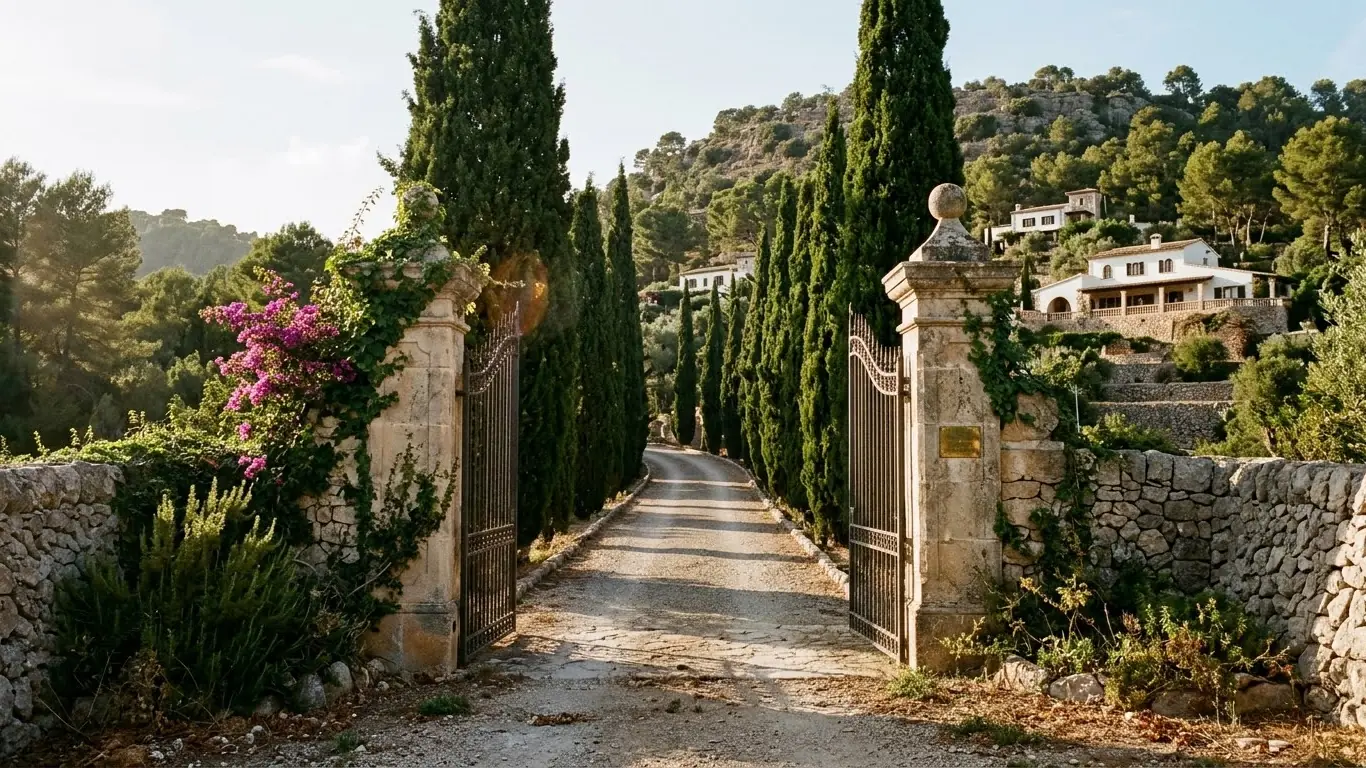

Security is the main draw for individuals and families who choose a gated community. These enclaves often combine 24-hour surveillance, gated entrances and on-site security personnel, and add amenities, privacy and maintained grounds.
Protective elements deter potential intruders and give residents a sense of safety, so families can enjoy their surroundings with less worry about crime or disturbances. The effect reaches beyond physical safety.
Residents take comfort in neighbors who are equally invested in a secure environment, and this shared commitment creates a culture in which people look out for one another. Many communities add neighborhood watch programs and regular safety meetings, which strengthen those bonds.
This collective effort protects property and encourages residents to take an active role in the safety of their community.
Key Takeaways
- Security measures and shared vigilance create a secure living environment
- Exclusive amenities and facilities add comfort and convenience to everyday life
- Community life fosters belonging and a supportive neighborhood
- High-end features and services can support property values, though no gain is assured
- Privacy and a peaceful environment give residents a tranquil living space
Exclusive Amenities and Shared Facilities
Many gated communities offer swimming pools, fitness centers, clubhouses and tennis courts, all designed to raise the quality of life of the people who live there. Such amenities support a healthy lifestyle and encourage social interaction among residents.
Families can spend weekends by the pool, while others join group classes or personal training at the on-site gym. Beyond recreation, some communities provide concierge services, spa facilities or even on-site dining.
These conveniences allow a resort-like lifestyle without leaving the neighborhood, and they give everyday life a sense of luxury and exclusivity. They also feed a lively community atmosphere in which residents meet.
Community and Belonging
Living within a secure environment is a shared experience, and it fosters connections that can be harder to establish in more traditional neighborhoods. Many gated communities organize barbecues, holiday celebrations and community service projects, which give residents occasions to build relationships.
Such gatherings help forge friendships, and the sense of belonging can lift the well-being of residents. People often feel more connected to their neighbors and more invested in the welfare of the community.
This connection can lead to more participation in local events and initiatives. A shared commitment to a welcoming environment builds a culture of support that makes it easier for newcomers to feel at home.
Property Values and Demand
A home in a gated community can hold financial appeal, since demand for such properties may support their value over time.
Where demand for properties in gated communities rises, market values may follow. The controlled environment often attracts buyers who prioritize safety and quality of life, which can make the market within these enclaves competitive. For homeowners, the property then offers a comfortable living space and possibly a valuable asset, although appreciation is never certain. For prospective buyers this is one consideration among several.
Privacy and a Peaceful Environment
Restricted access points and limited traffic flow give these neighborhoods the calm of a retreat from urban bustle. Homeowners can use their outdoor spaces without passersby or excessive street noise, and families can unwind in private surroundings that are hard to replicate elsewhere. Privacy here is also social: residents typically share similar values about lifestyle and community engagement, which can make for a more harmonious coexistence and a stronger sense of well-being.
Maintenance and Landscaping
Many communities employ professional teams for lawn care, snow removal and the general upkeep of common areas. That relieves homeowners of weekends spent on yard work or repairs and leaves time for leisure and community activities. Well-kept landscaping, with gardens, manicured lawns and clean common areas, lifts the look of the neighborhood, supports property values and fosters pride among residents. Professional upkeep also keeps communal spaces functional for everyone.
Controlled Access and Limited Traffic
Controlled access points restrict entry to authorized individuals only, which reduces traffic within the neighborhood and makes it safer for families and children. Residents can stroll or ride bikes without worrying about heavy traffic or speeding cars. The calmer atmosphere also helps people get to know one another: with fewer outsiders entering, neighbors recognize each other and relationships develop over time. This familiarity builds a welcoming environment in casual conversation and at organized events.
Socializing and Networking
Many communities host regular events such as potlucks, game nights and fitness classes. These gatherings give neighbors a platform to connect on both personal and professional levels, to share experiences and exchange ideas, and sometimes to collaborate on initiatives that benefit the community.
Everyday encounters, from a chat at the poolside to neighborhood watch meetings, foster relationships that can enrich life both socially and professionally. The networking potential can be particularly useful for entrepreneurs and for anyone seeking career opportunities: connections with fellow residents open access to resources and support systems that may help personal and professional growth. Taken together, security, amenities, community, privacy, maintenance services and controlled access make gated living an appealing option for families and individuals, and the weight each of them carries is a matter of personal priorities.
How does living in a gated community affect property value?
What ongoing services can residents of a gated community expect?
Why do gated communities offer more privacy and quiet than conventional neighbourhoods?
More from Mallorca
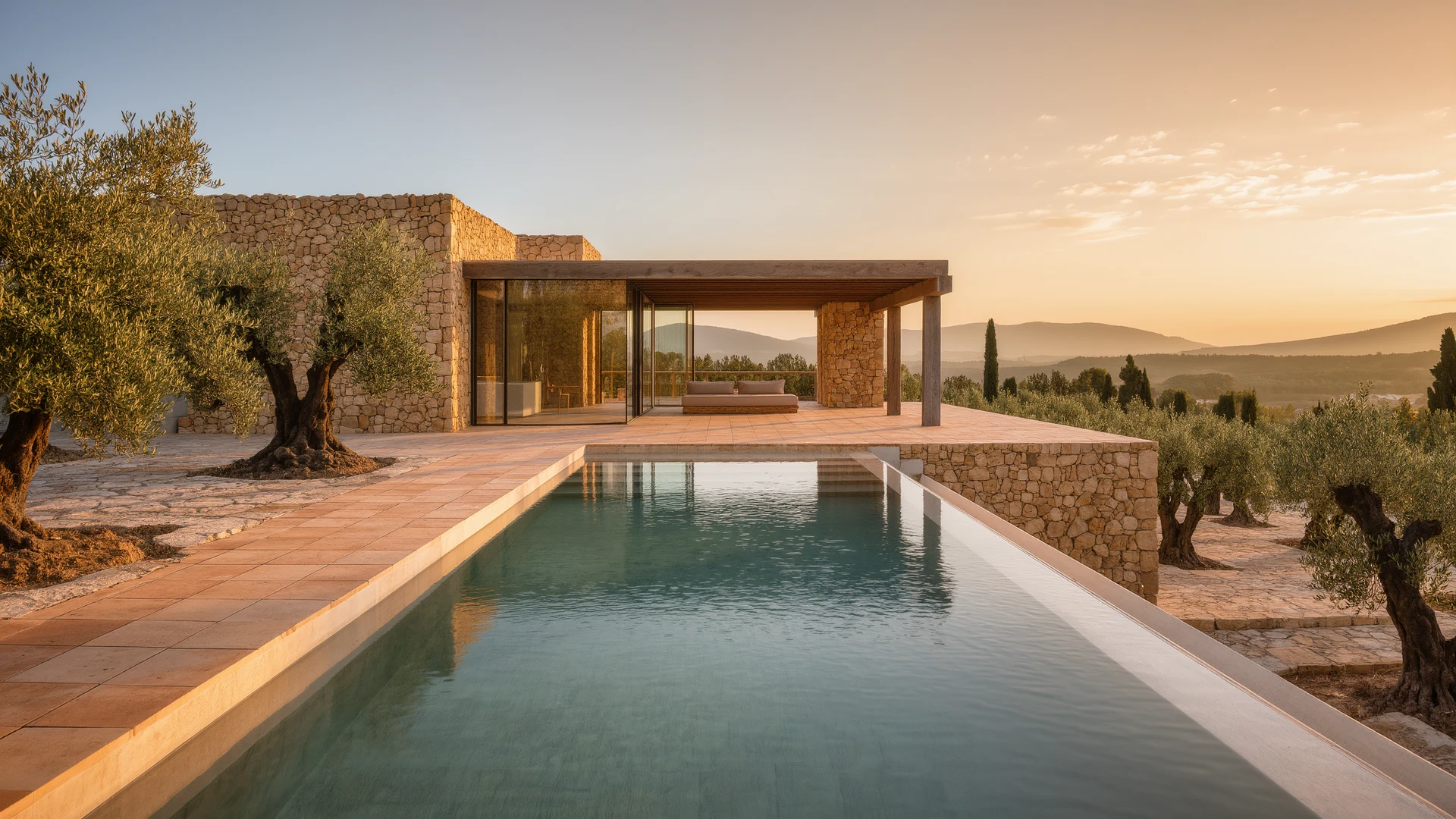
Luxury Finca in Mallorca: Prices, Costs, Water Rights
Luxury finca guide for Mallorca: prime locations, prices from 1.5M to 25M euros, restoration costs, water rights and what drives its valuation.

Mediterranean Villa Buying Guide: Prices, Yields, Taxes
Mediterranean villa buying guide 2026: prices, rental yields and taxes in Spain, France, Italy, Greece, Croatia and Montenegro, plus renovation rules.

Mallorca Luxury Real Estate Guide: Areas, Taxes, Prices
Mallorca luxury real estate guide: top areas like Portals Nous and Andratx, prices from 2 to 45 million euros, taxes, the Golden Visa and yields.