Mallorca · 39.62°N 2.99°E · File 191
The Benefits of Properties Near Cultural and Recreational Facilities
Cultural and recreational facilities play a pivotal role in shaping the social fabric of communities. These spaces, which include parks, museums, theaters, sports complexes, and co…
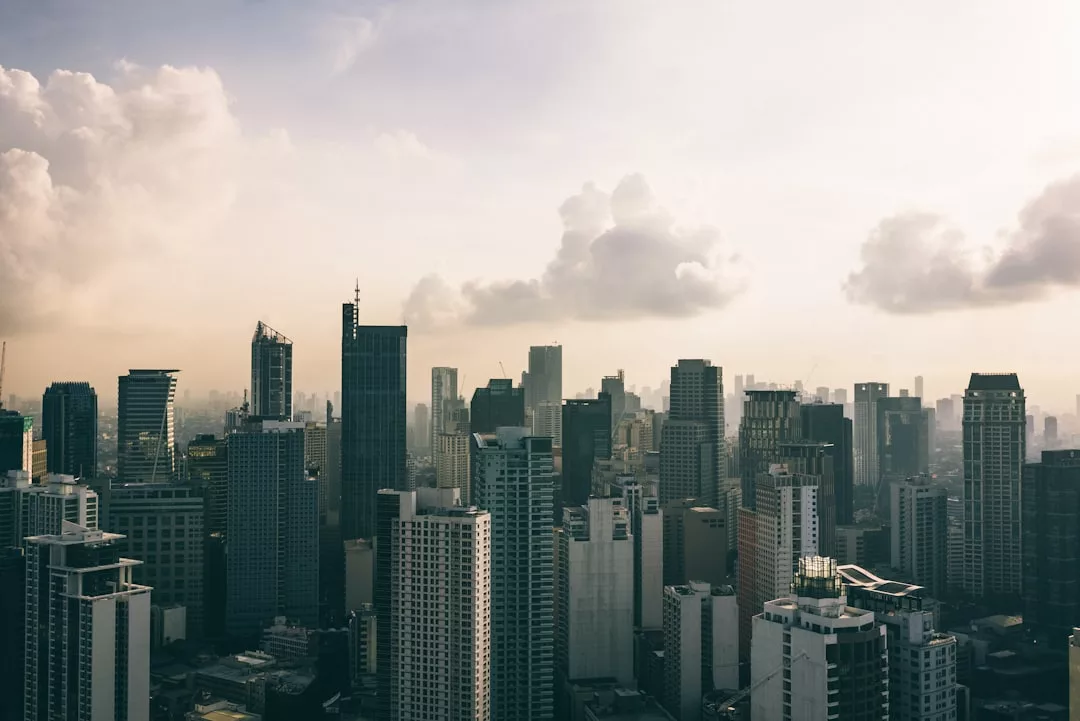
Cultural and recreational facilities play a pivotal role in shaping the social fabric of communities. These spaces, which include parks, museums, theaters, sports complexes, and community centers, serve as vital hubs for interaction, creativity, and leisure.
By providing venues for artistic expression, sports activities, and social gatherings, these facilities foster a sense of belonging and identity among residents. The presence of such amenities can significantly enhance the attractiveness of a neighborhood, making it a desirable place to live, work, and play. Moreover, the importance of cultural and recreational facilities extends beyond mere aesthetics or entertainment.
They contribute to the overall economic vitality of an area by attracting visitors and stimulating local businesses. For instance, a well-maintained park can draw families for picnics and outdoor activities, while a local theater can host performances that bring in audiences from surrounding areas. This influx of people not only supports local shops and restaurants but also creates job opportunities within the community.
As cities and towns continue to evolve, the integration of cultural and recreational facilities into urban planning becomes increasingly essential for fostering vibrant, sustainable communities.
Key Takeaways
- Cultural and recreational facilities play a vital role in enhancing the overall quality of life in a community.
- Access to entertainment and leisure activities can significantly improve the well-being and health of individuals.
- Communities with cultural and recreational facilities often experience increased property values.
- These facilities also provide educational and learning opportunities for people of all ages.
- They create opportunities for community engagement and social interaction, fostering a sense of belonging and connection among residents.
Increased Property Value
One of the most tangible benefits of having cultural and recreational facilities nearby is the potential increase in property values. Numerous studies have shown that homes located near parks, recreational centers, and cultural institutions tend to appreciate at a higher rate than those situated farther away from such amenities. This phenomenon can be attributed to several factors, including enhanced desirability and improved quality of life associated with proximity to these facilities.
Buyers often seek neighborhoods that offer easy access to recreational opportunities, which can lead to increased demand for properties in those areas. For example, a neighborhood with a well-maintained public park featuring walking trails, playgrounds, and sports fields is likely to attract families looking for outdoor spaces for their children. Similarly, areas near cultural institutions like museums or theaters may appeal to individuals who value arts and culture.
As demand rises, so too does the market value of homes in these neighborhoods. Real estate agents often highlight the proximity of cultural and recreational facilities as a key selling point when marketing properties, further driving up prices in these desirable locations.
Improved Quality of Life
Cultural and recreational facilities significantly contribute to the overall quality of life for residents. Access to green spaces, sports facilities, and cultural venues provides individuals with opportunities for relaxation, recreation, and personal growth. Engaging in leisure activities has been shown to reduce stress levels, improve mental health, and enhance overall well-being.
For instance, regular visits to parks can encourage physical activity through walking, jogging, or playing sports, which are essential components of a healthy lifestyle. Furthermore, these facilities often serve as gathering places where community members can connect and engage with one another. Events hosted at local theaters or community centers, such as concerts, art exhibitions, or festivals, create opportunities for social interaction that strengthen community bonds.
The presence of such amenities fosters a sense of pride among residents and encourages them to take an active role in their community. This enhanced quality of life not only benefits individuals but also contributes to the overall vitality and resilience of the community as a whole.
Access to Entertainment and Leisure Activities
Cultural and recreational facilities provide essential access to entertainment and leisure activities that enrich the lives of community members. From theaters showcasing local talent to sports complexes offering various athletic programs, these venues cater to diverse interests and age groups. The availability of such activities encourages residents to explore new hobbies, engage in physical fitness, and participate in cultural experiences that they might not otherwise encounter.
For example, a community center may offer art classes for children and adults alike, fostering creativity while providing a platform for artistic expression. Similarly, local theaters may host performances ranging from plays to musical concerts that appeal to a wide audience. These opportunities not only entertain but also educate residents about different cultures and perspectives.
By promoting access to diverse forms of entertainment and leisure activities, cultural and recreational facilities play a crucial role in enhancing the overall vibrancy of a community.
Health and Well-being Benefits
The health benefits associated with cultural and recreational facilities are profound and multifaceted. Access to parks and recreational areas encourages physical activity among residents, which is vital for maintaining a healthy lifestyle. Engaging in regular exercise, whether through jogging on trails, playing sports in fields, or participating in fitness classes, can significantly reduce the risk of chronic diseases such as obesity, diabetes, and heart disease. In addition to physical health benefits, cultural and recreational facilities also contribute positively to mental well-being. Participation in arts programs or community events can foster a sense of belonging and purpose among individuals.
Engaging with others in creative pursuits or shared interests can alleviate feelings of isolation or loneliness that many people experience in today’s fast-paced world. The therapeutic effects of nature found in parks, such as reduced anxiety levels and improved mood, further underscore the importance of these facilities in promoting holistic health within communities.
Community Engagement and Social Interaction
Cultural and recreational facilities serve as vital platforms for community engagement and social interaction. They provide spaces where individuals from diverse backgrounds can come together to share experiences, ideas, and cultures. Events organized at these venues, such as festivals, workshops, or community meetings, encourage participation from residents who might otherwise feel disconnected from their neighbors.
This interaction fosters a sense of community ownership and pride. For instance, local parks often host farmers’ markets or outdoor movie nights that draw families together for shared experiences. Such events not only promote social interaction but also support local businesses by encouraging residents to shop locally.
Additionally, community centers may offer volunteer opportunities that allow residents to contribute their time and skills toward improving their neighborhood. This active engagement cultivates relationships among residents while reinforcing the idea that everyone has a role in shaping their community.
Educational and Learning Opportunities
Cultural and recreational facilities are instrumental in providing educational opportunities that enrich the lives of community members. Many museums offer workshops or guided tours that educate visitors about history, art, science, or culture. These experiences can be particularly beneficial for children who may gain exposure to new ideas and concepts outside the traditional classroom setting.
By fostering curiosity and creativity through hands-on learning experiences, these facilities play an essential role in lifelong education. Moreover, recreational centers often provide programs aimed at skill development, ranging from sports clinics to art classes, that cater to various age groups. Such programs not only teach valuable skills but also instill confidence in participants as they achieve personal goals or learn new techniques.
The educational aspect of cultural and recreational facilities extends beyond formal instruction; they create environments where individuals can explore their interests freely while connecting with others who share similar passions.
Potential for Rental Income and Investment Opportunities
The presence of cultural and recreational facilities can also create lucrative investment opportunities for property owners. Properties located near these amenities are often more attractive to renters who prioritize access to leisure activities and cultural experiences. As demand for rental units in desirable neighborhoods increases due to proximity to parks or theaters, landlords may find themselves able to charge higher rents or experience lower vacancy rates.
Investing in properties near cultural or recreational facilities can yield significant returns over time as property values appreciate due to increased demand. Additionally, property owners may consider developing multi-use spaces that incorporate residential units alongside commercial ventures such as cafes or shops catering to visitors of nearby parks or cultural institutions. This mixed-use approach not only maximizes rental income potential but also enhances the overall vibrancy of the neighborhood by creating spaces where residents can live, work, and play seamlessly together.
In summary, cultural and recreational facilities are integral components of thriving communities that offer numerous benefits ranging from increased property values to enhanced quality of life. Their role in promoting health and well-being while fostering social interaction underscores their importance in urban planning and community development initiatives. As cities continue to grow and evolve, prioritizing the development of these essential amenities will be crucial for creating sustainable environments where residents can flourish both individually and collectively.
Same market
More from Mallorca
Mallorca · 14 min
Luxury Finca Complete Guide
Luxury finca guide for Mallorca: prime locations, prices from 1.5M to 25M euros, restoration costs, water rights and a 7.2% growth rate driving this r…
Mallorca · 14 min
Mediterranean Villa Buying Guide
Mediterranean villa buying guide 2026: prices, yields and tax across Spain, France, Italy, Greece, Croatia and Montenegro in a 320 billion euro luxury…

Mallorca · 16 min
Mallorca Luxury Real Estate Guide
Mallorca luxury real estate guide: 2025 prices from 2 to 45 million euros, top areas like Portals Nous and Port d’Andratx, taxes, Golden Visa an…