Mallorca · 39.62°N 2.99°E · File 118
The Benefits of Real Estate Near Nature Parks and Reserves
The allure of living near nature parks and reserves has gained significant traction in recent years, as more individuals and families seek to escape the hustle and bustle of urban …
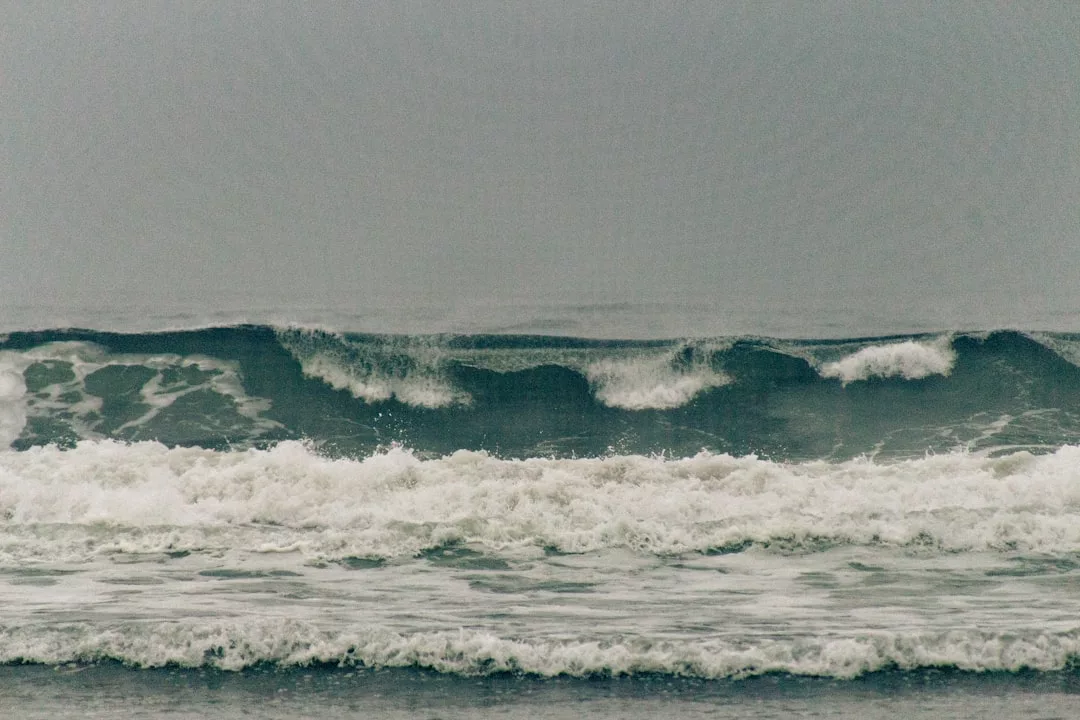
The allure of living near nature parks and reserves has gained significant traction in recent years, as more individuals and families seek to escape the hustle and bustle of urban life. The proximity to natural landscapes not only enhances the aesthetic appeal of a property but also offers a myriad of benefits that extend beyond mere visual enjoyment. As urbanization continues to encroach upon natural spaces, the demand for real estate adjacent to parks and reserves has surged, prompting developers and buyers alike to recognize the intrinsic value of these locations.
Nature parks and reserves serve as vital ecosystems that preserve biodiversity while providing recreational spaces for communities. The real estate market has responded to this trend by offering properties that capitalize on the unique advantages of these locations. From serene views to the sounds of wildlife, living near such areas can transform daily life into a more enriching experience.
This article delves into the multifaceted benefits of residing close to nature parks and reserves, exploring how these environments contribute to health, property value, recreational opportunities, environmental sustainability, educational prospects, and community cohesion.
Key Takeaways
- Living near nature parks and reserves offers numerous benefits for health, well-being, and overall quality of life.
- Proximity to nature can increase property value and desirability, making it a smart investment for homeowners.
- Access to outdoor recreation and activities promotes an active and healthy lifestyle for residents of all ages.
- Environmental benefits of living near nature include improved air quality, biodiversity, and natural resource conservation.
- Educational opportunities for children and families abound in nature parks and reserves, fostering a deeper appreciation for the environment and wildlife.
Health and Well-being Benefits of Living Near Nature
Reducing Stress and Anxiety
Research has shown that access to green spaces can reduce stress levels, improve mental health, and promote physical well-being. For instance, studies conducted by the University of Exeter have demonstrated that individuals who live near green spaces report lower levels of anxiety and depression.The Calming Effect of Nature
The calming effect of nature can be attributed to its ability to provide a peaceful retreat from the chaos of urban environments, allowing residents to recharge both mentally and physically. Moreover, the presence of nature encourages outdoor activities such as walking, jogging, and cycling, which are essential for maintaining a healthy lifestyle.Fostering a Sense of Community
The accessibility of trails and open spaces promotes an active lifestyle, fostering a sense of community among neighbors who share similar interests in outdoor activities. This connection to nature not only enhances physical health but also nurtures emotional well-being, creating a holistic approach to living that prioritizes both mind and body.Increased Property Value and Desirability
The real estate market has long recognized the premium associated with properties located near nature parks and reserves. Homes situated in these desirable areas often command higher prices due to their unique selling points, such as scenic views, tranquility, and access to recreational opportunities. According to a report by the National Association of Realtors, properties within close proximity to parks tend to appreciate at a faster rate than those located further away.
This trend is particularly evident in urban areas where green spaces are limited, making them highly sought after by potential buyers. The desirability of living near nature is not merely anecdotal; it is supported by data indicating that homes adjacent to parks can see an increase in value ranging from 5% to 20%. This appreciation is driven by various factors, including the growing awareness of environmental sustainability and the increasing importance placed on quality of life.
Buyers are increasingly willing to invest in properties that offer a connection to nature, viewing them as long-term investments that provide both financial returns and lifestyle benefits. As urban development continues to expand, the scarcity of available land near natural reserves further enhances the value of these properties.
Access to Outdoor Recreation and Activities
One of the most compelling reasons for choosing real estate near nature parks and reserves is the unparalleled access to outdoor recreation and activities. The ability to engage in outdoor activities without the need for extensive travel is a significant advantage for residents who prioritize an active lifestyle. For families with children, living near nature parks provides an invaluable opportunity for outdoor education and exploration. Children can learn about local flora and fauna while participating in activities such as birdwatching or nature walks. Many parks also offer organized programs that promote environmental stewardship and conservation awareness among young people.
This hands-on experience fosters a deep appreciation for nature and encourages families to spend quality time together outdoors, strengthening familial bonds while instilling a sense of responsibility towards the environment.
Environmental Benefits of Living Near Nature
Choosing real estate near nature parks and reserves contributes not only to personal well-being but also to broader environmental sustainability efforts. These natural areas play a crucial role in maintaining ecological balance by providing habitats for wildlife, improving air quality, and mitigating urban heat effects. Residents living nearby often develop a heightened awareness of environmental issues and are more likely to engage in sustainable practices such as recycling, conservation efforts, and community clean-up initiatives.
Furthermore, properties adjacent to parks benefit from the ecosystem services these areas provide. For example, trees in parks help absorb carbon dioxide while releasing oxygen, contributing to cleaner air for nearby residents. Additionally, green spaces can help manage stormwater runoff through natural filtration processes, reducing the risk of flooding in urban areas.
By choosing real estate near these vital ecosystems, residents not only enhance their own living conditions but also support the preservation of natural resources for future generations.
Educational Opportunities for Children and Families
Living near nature parks offers unique educational opportunities that can enrich the lives of children and families. Many parks provide educational programs designed to teach visitors about local ecosystems, wildlife conservation, and sustainable practices. These programs often include guided nature walks, workshops on gardening or wildlife identification, and interactive exhibits that engage children in learning about their environment.
Moreover, proximity to nature fosters curiosity and exploration among children. Families can embark on weekend adventures exploring trails or participating in park-sponsored events such as nature festivals or science fairs. Such experiences not only enhance children’s understanding of ecological principles but also encourage critical thinking skills as they observe and interact with their surroundings.
The integration of outdoor learning into family life cultivates a sense of wonder about the natural world while reinforcing the importance of environmental stewardship.
Community and Social Benefits
The social fabric of communities located near nature parks is often enriched by the shared experiences that these spaces provide. Parks serve as gathering places where neighbors can connect through various activities such as community events, sports leagues, or simply enjoying leisurely strolls together. This sense of community fosters relationships among residents who may otherwise remain strangers in more isolated living environments.
Additionally, living near nature parks encourages a culture of collaboration among residents who share common interests in outdoor activities or environmental conservation efforts. Community gardening initiatives or volunteer clean-up days can bring people together while promoting a sense of ownership over local green spaces. These interactions not only strengthen community ties but also contribute to a greater sense of belonging among residents, enhancing overall quality of life.
Conclusion and Considerations for Choosing Real Estate Near Nature Parks and Reserves
When considering real estate options near nature parks and reserves, potential buyers should weigh various factors that contribute to their overall experience living in such areas. While the benefits are numerous, from health improvements to increased property values, individual preferences regarding lifestyle, accessibility, and community engagement should also be taken into account. Prospective homeowners should explore different neighborhoods surrounding parks to find one that aligns with their values and aspirations.
Ultimately, choosing real estate near nature parks is not just about acquiring property; it is about embracing a lifestyle that prioritizes well-being, sustainability, and community connection. As more people recognize the importance of integrating nature into their daily lives, the demand for homes near these natural havens will likely continue to grow. By making informed decisions based on personal needs and values, individuals can find their ideal sanctuary amidst the beauty of nature while reaping the myriad benefits it offers.
Same market
More from Mallorca
Mallorca · 14 min
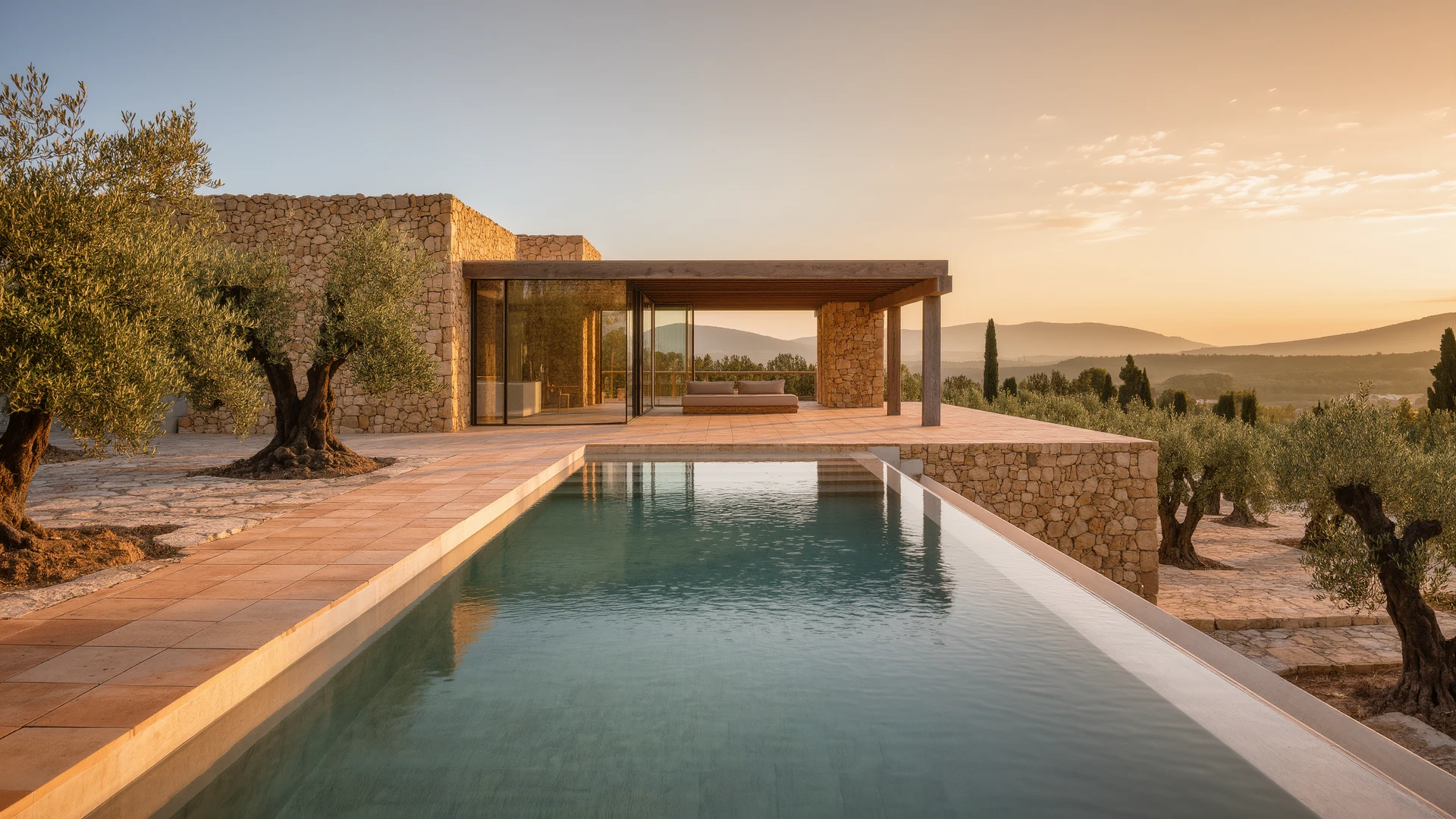
Luxury Finca Complete Guide
Luxury finca guide for Mallorca: prime locations, prices from 1.5M to 25M euros, restoration costs, water rights and a 7.2% growth rate driving this r…
Mallorca · 14 min
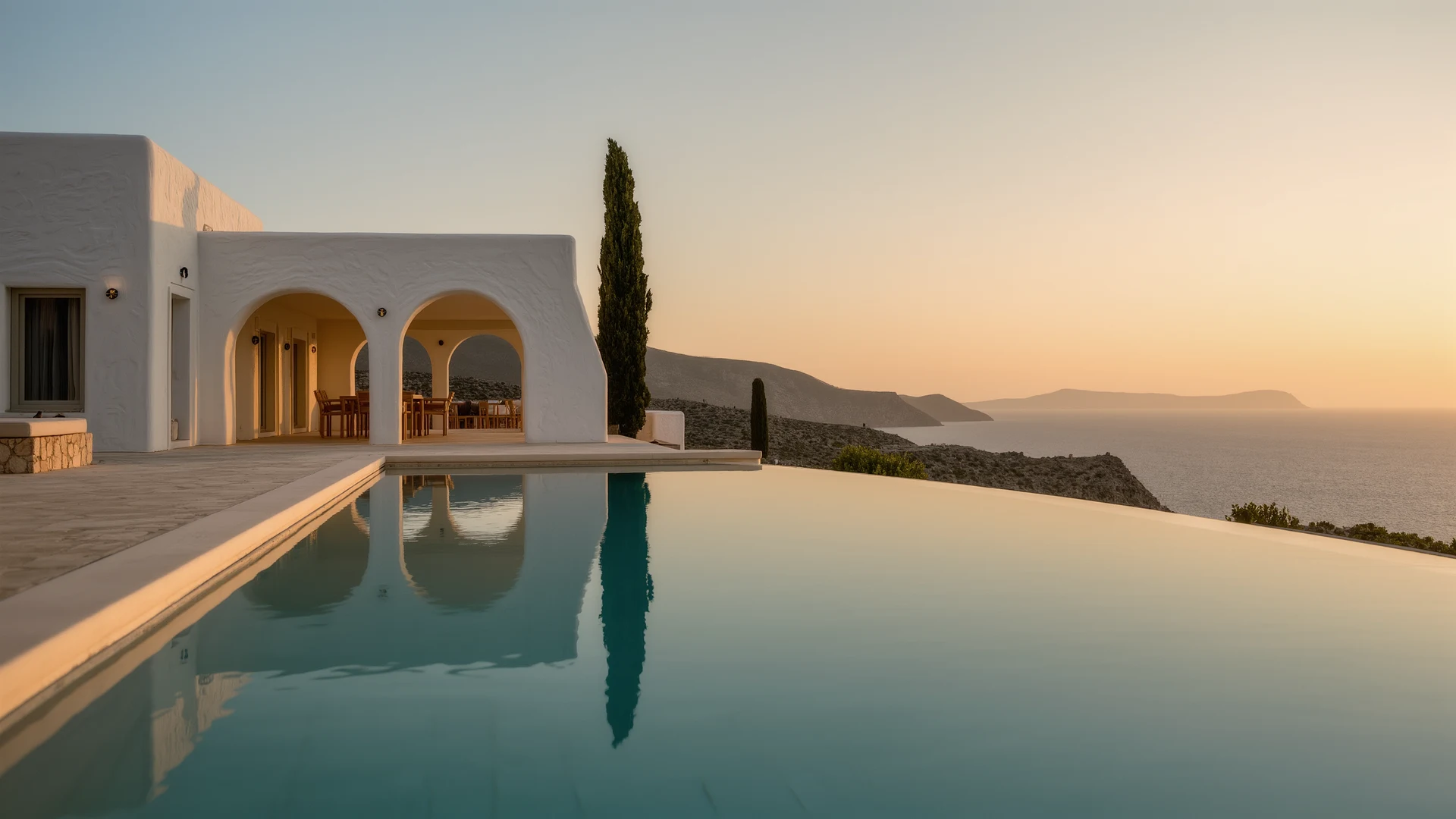
Mediterranean Villa Buying Guide
Mediterranean villa buying guide 2026: prices, yields and tax across Spain, France, Italy, Greece, Croatia and Montenegro in a 320 billion euro luxury…

Mallorca · 16 min
Mallorca Luxury Real Estate Guide
Mallorca luxury real estate guide: 2025 prices from 2 to 45 million euros, top areas like Portals Nous and Port d’Andratx, taxes, Golden Visa an…