Best Time to Sell Property in Ibiza: Season by Season
When to sell in Ibiza: how peak season and off-season, climate, festivals, economic conditions and buyer trends shape timing, pricing and presentation.
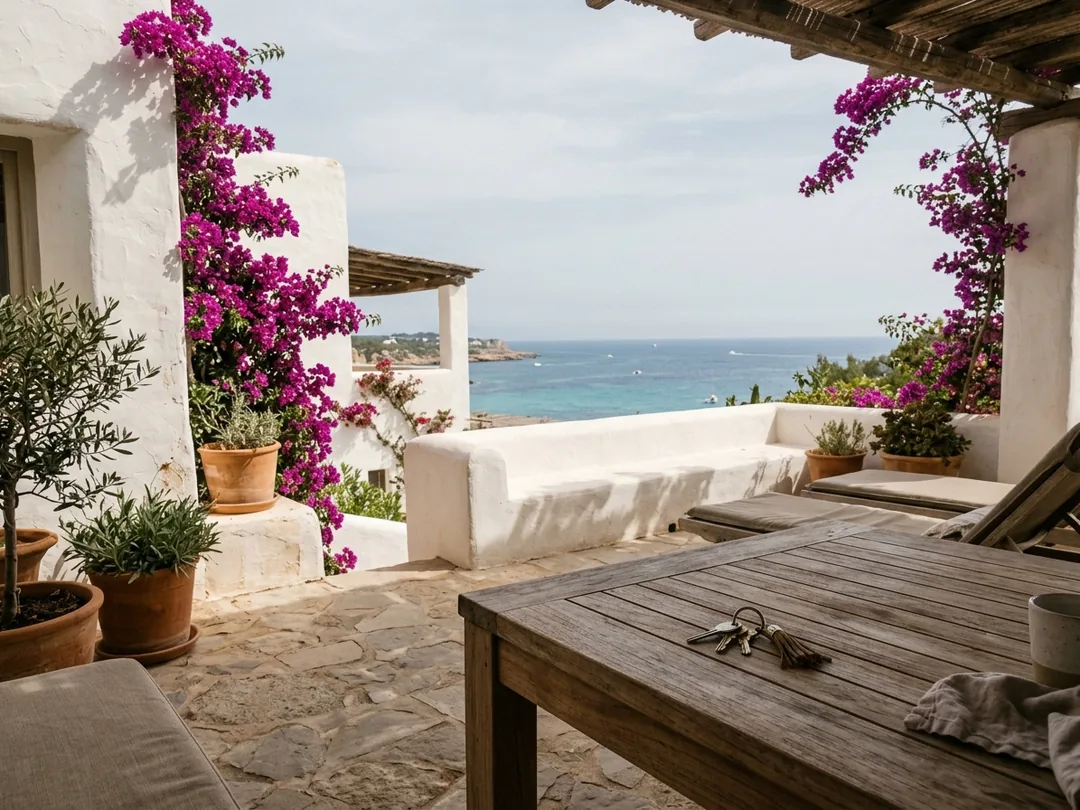

Timing shapes how a sale unfolds in Ibiza. Seasons, weather, festivals and the wider economy all influence demand, and the island has grown from a quiet Mediterranean retreat into a global address for luxury real estate. Buyers from abroad look for holiday homes, investors for rental income, and both affect when a property finds its audience.
The offer is varied: traditional fincas, modern villas and apartments with sea views suit different tastes and budgets. The market has held up through global economic swings in recent years.
Limited land and the island’s appeal as a lifestyle destination have supported property values, and many buyers weigh the landscape and nightlife alongside long-term prospects. Understanding these nuances helps owners decide when and how to bring a property to market.
Key Takeaways for Sellers
- Economic, political and sales trends together set the direction of the Ibiza market.
- Peak season brings higher demand and rental rates, while the off-season leaves room for investment and renovation.
- Sunny, warm conditions drive the desirability of holiday homes, so climate and outdoor space matter.
- Festivals and events lift demand and rental potential, so the local calendar belongs in any plan.
- Currency exchange rates and government policy shape the decisions of buyers and sellers.
Peak Season vs Off-Season
Ibiza’s property market moves with the seasons. The peak season runs from late May to early October, in step with the island’s tourism period, and rental demand rises sharply as visitors come for sun, beaches and nightlife.
Owners often rent out their homes at premium rates in these months, which makes the summer attractive for investors. The lively atmosphere also draws potential buyers. The off-season, from November to April, offers a different picture.
The island is quieter then, and prices tend to stabilize or ease slightly, which gives prospective buyers room to negotiate. Viewings are also more relaxed, since homes can be explored without the distraction of large crowds.
For sellers, this is a chance to present a property in a more intimate setting and to show the island’s charm beyond its summer allure.
Weather and Climate Considerations
Ibiza has a Mediterranean climate with hot summers and mild winters. Summer temperatures regularly reach around 30 degrees Celsius (mid-80s Fahrenheit), with plenty of sunshine and little rain, which strengthens the island’s appeal for tourists and for those considering a purchase.
Buyers often look for homes with outdoor space to enjoy the climate, whether sun-soaked terraces or lush gardens. Winters are mild and relatively wet, with daytime highs of around 15 to 16 degrees Celsius (about 60 degrees Fahrenheit) and night-time lows of around 8 degrees Celsius (46 degrees Fahrenheit). That may deter some tourists, but it suits owners hoping to attract long-term renters or those seeking a quieter life away from the summer crowds.
Weather patterns influence both the enjoyment of a property and its rental potential across the year. Homes equipped for summer heat and winter chill tend to hold their appeal over time.
Festivals and Events
Ibiza’s calendar of festivals and events draws visitors from around the globe.
Events such as the International Music Summit (IMS) and various electronic music festivals attract thousands of attendees each year and add to the island’s appeal for tourists and property buyers alike.
The events support the local economy and bring residents and visitors together. For owners, a location near popular venues can lift rental demand at peak times, since many guests prefer to stay close to the action.
They also show Ibiza’s culture and lifestyle, giving potential buyers a glimpse of island life beyond sun and sea. Knowing the festival calendar is therefore a useful part of any investment decision.
Economic and Political Factors
The island’s economy is closely tied to tourism, a significant driver of growth. Visitors support local businesses and open opportunities in real estate. Economic fluctuations can nonetheless affect property values and rental demand.
Changes in travel regulations, global economic conditions and shifts in consumer preferences all shape market dynamics. Political stability is another consideration: Spain’s political landscape has seen its share of challenges, yet Ibiza has remained relatively insulated from national issues thanks to its status as a tourist destination.
Local initiatives to promote sustainable tourism and protect the island’s natural beauty add to Ibiza’s appeal. Owners and buyers should follow local policies and regulations on ownership and rental practices before deciding.
Trends in Real Estate Sales
Buyer preferences have shifted in recent years. Demand is growing for eco-friendly and sustainable properties, as many buyers look for green technologies and sustainable practices in a home.
Solar panels, energy-efficient appliances and water-saving systems are increasingly popular with environmentally conscious buyers. Luxury developments for high-net-worth individuals form another trend, often with private pools, wellness centers and views of the Mediterranean Sea.
Developments that prioritize quality and design while keeping a connection to Ibiza’s natural surroundings have followed this demand. Owners and buyers do well to watch how such shifts in preference influence investment decisions.
Working with a Real Estate Agent
An experienced agent who knows the local landscape helps both buyers and sellers through a complex market, with insight into trends, pricing strategies and neighborhood dynamics that newcomers may not see. Agents can also help with the legal side of property transactions in Spain and with keeping documentation in order.
This matters most for buyers seeking unusual properties and for sellers who want to move quickly in a competitive market. Rapport with an agent who understands specific needs can streamline buying or selling.
Preparing a Property for Sale
Staging is the first of several steps that strengthen a sale in a competitive market. A well-staged home lets buyers picture themselves living there and brings its best features forward.
Fresh paint, landscaping improvements or modern furnishings create an inviting atmosphere. Effective marketing matters as well: professional photography and virtual tours show a home’s unique attributes and reach a broader audience online.
Targeted marketing agreed with the agent helps a property stand out among similar listings. Flexibility with showings and open houses increases the chance of meeting serious buyers who want to explore the home in person.
More from Ibiza
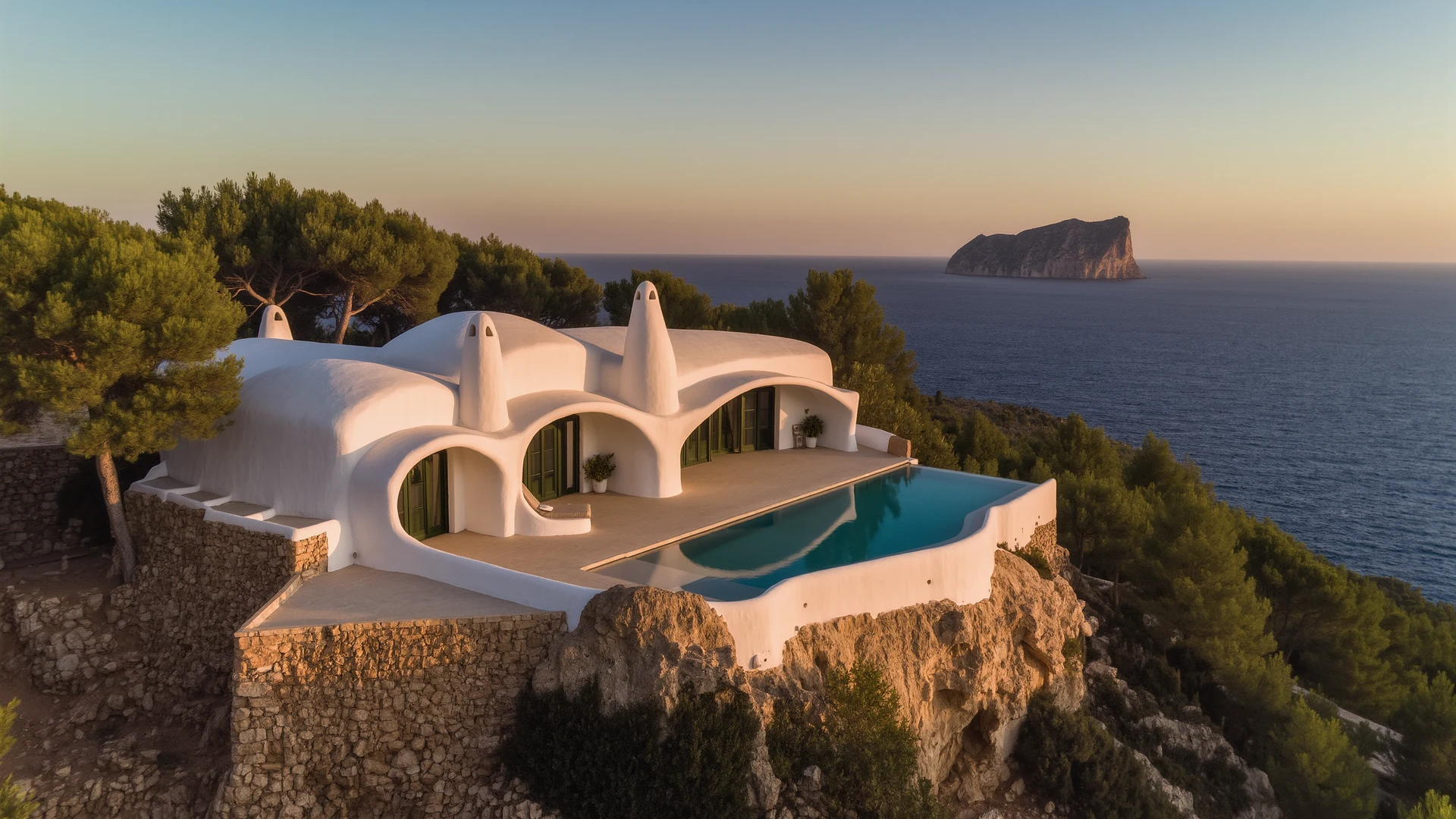
Ibiza Luxury Real Estate: Prices, Enclaves, Outlook
Ibiza luxury real estate guide: 1.4 billion euros in 2025 sales, prime prices up 7.5% yearly, top enclaves, villa rentals, architecture and the tax framework.

Home Staging in Ibiza: Effect on the Sale Price
Home staging in Ibiza: how atmosphere, key features, outdoor spaces, local design, layout and a professional stager shape buyer appeal and the sale price.
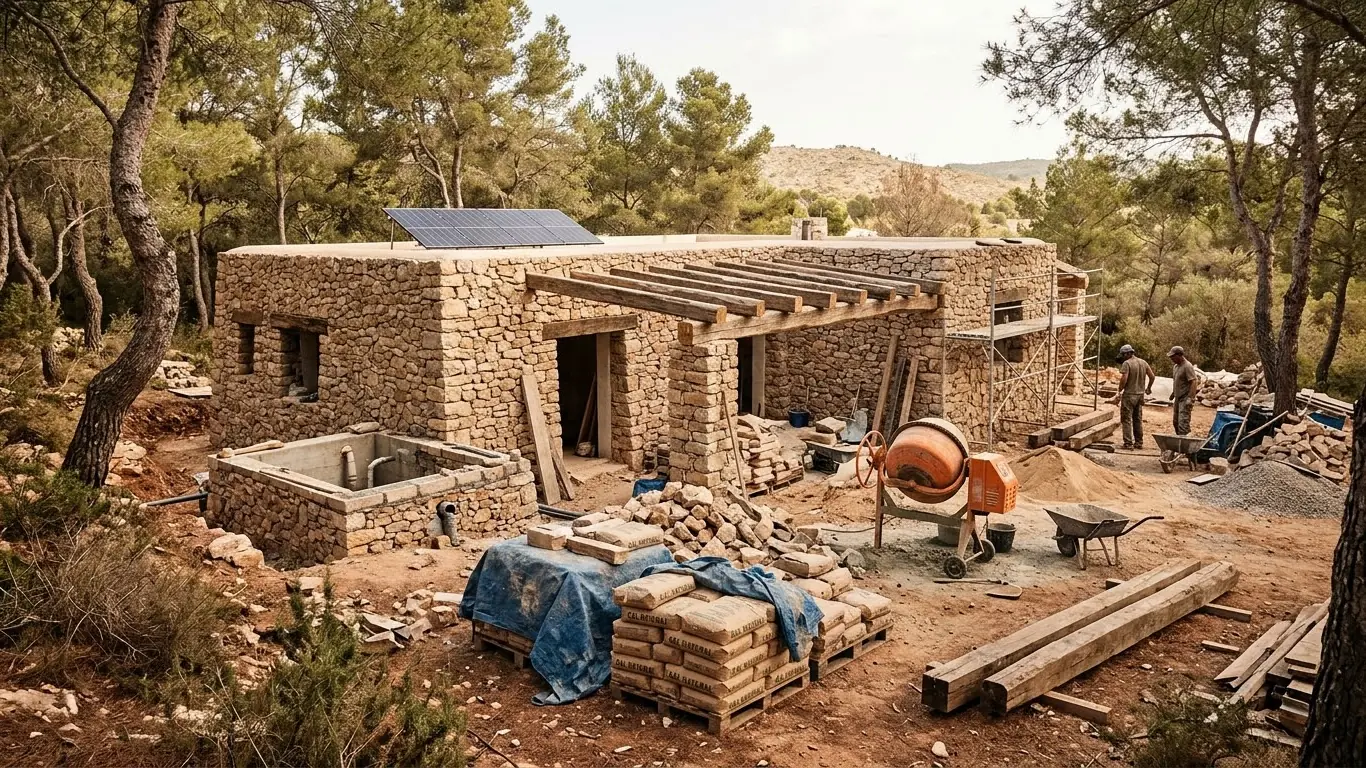
Sustainable Building in Ibiza: Trends and Leaders
Sustainable building in Ibiza: why it matters on the island, which trends define it, who leads, what projects show and which obstacles and openings remain.