Buying a House in Mallorca: Location, Costs, Process
Buying a house in Mallorca: choosing a location, setting a budget, the legal process, mortgages, offers and settling in. What to weigh at each step.
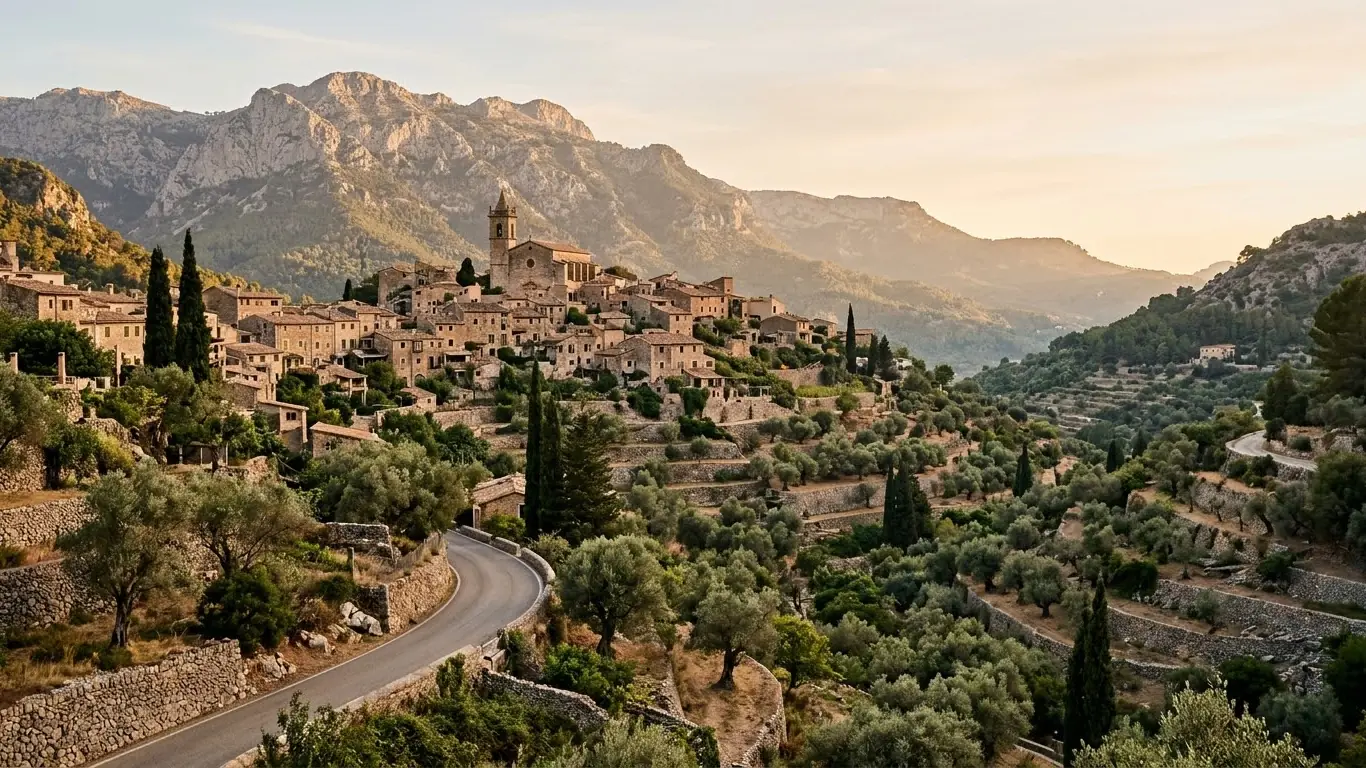

The Mallorca real estate market has attracted local and international buyers for decades. Landscapes, beaches and a rich cultural heritage have made the island a sought-after destination for property investment, with a range of properties from luxurious villas overlooking the Mediterranean to charming apartments in historic towns.
This variety suits different tastes and budgets. Demand has surged in recent years, driven by the favorable climate, excellent infrastructure and a growing expatriate community. Foreign buyers, particularly from the UK, Germany and Scandinavia, have contributed to rising property prices in certain areas.
Understanding the nuances of the market allows buyers to make informed decisions and navigate the purchase of property on the island.
Key Takeaways
- Properties range from traditional homes to modern apartments, for different preferences and budgets.
- Location depends on proximity to amenities, transportation and lifestyle, from a bustling city center to a tranquil coastal town.
- The budget covers the property price and additional expenses such as taxes, maintenance and potential renovation costs.
- The search involves thorough research, visits to multiple properties and a reputable agent with local knowledge.
- The legal process requires understanding local regulations, a reliable lawyer and due diligence on the legal status and documentation of the property.
- A mortgage involves comparing lenders, understanding the terms and conditions and ensuring long-term financial stability.
- An offer calls for weighing the value of the property, market conditions and potential counteroffers, ideally with a skilled negotiator.
- Settling in means getting to know the local community, accessing essential services and embracing the culture of the island.
Deciding on the Right Location in Mallorca
The location decides much in Mallorca, and the island offers many options with their own charm. Palma, the bustling capital, is known for its nightlife, cultural attractions and dining.
It suits those who enjoy urban living close to the beach. Areas like Sóller and Valldemossa offer a more tranquil atmosphere amid mountain landscapes and traditional architecture. Lifestyle preferences and needs should guide the choice.
Families looking for good schools and amenities may find areas like Santa Ponsa or Alcúdia more suitable, while those seeking a quieter retreat away from the tourist crowds might prefer the northern coast or rural inland villages. Proximity to healthcare facilities, shopping centers and recreational activities should also weigh in the decision.
Setting a Budget and Understanding Costs
A budget is one of the most important steps in the buying process. A clear view of your financial situation comes before the search, and beyond the purchase price, additional costs arise during the buying process.
These can include taxes, legal fees, notary fees and registration costs, which can add up to approximately 10-15% of the value of the property. Ongoing costs of ownership include community fees for shared facilities in apartment complexes, property taxes (IBI) and utility bills.
Anyone planning to rent out the property when not in use should also consider management fees and maintenance costs. A realistic budget covering all these factors keeps the investment sustainable in the long term.
Finding the Right Property in Mallorca
Once budget and location are settled, the search begins. Options range from modern apartments to traditional rural estates, and a local real estate agent who specializes in the Mallorca market is valuable in this phase.
Agents know the area and can help navigate listings that meet your criteria. During viewings, keep an open mind and look beyond aesthetics: pay attention to the condition of the property, potential renovation needs and its suitability for your lifestyle.
Consider whether you prefer a new build or an older property with character. New builds often come with modern amenities but may lack historical charm, while older properties may require more maintenance but offer unique architectural features.
The Legal Process of Buying a House in Mallorca
The legal process can be complex and calls for careful attention to detail. A qualified lawyer who specializes in Spanish real estate law helps ensure that all legal requirements are met and that your interests are protected throughout the transaction.
One of the first steps is an NIE (foreigner identification number), which any foreigner buying property in Spain needs. Once a suitable property is found and a price agreed, the lawyer conducts due diligence to verify that there are no outstanding debts or legal issues, including checking land registry records and ensuring that all necessary permits are in place.
After everything is confirmed to be in order, you sign a reservation contract and pay a deposit to secure the property while the purchase agreement is finalized.
Understanding the Mortgage Process in Mallorca
Understanding Mortgage Options in Spain
For many buyers, a mortgage is a crucial step. Spanish banks offer mortgage options for residents and non-residents, so it pays to compare the terms and conditions of different lenders to find the best deal for your financial situation.
Mortgage Application Process and Requirements
Banks generally lend up to 70% of the value of the property for non-residents and up to 80% for residents. An application requires documentation such as proof of income, tax returns and details about your financial situation, and once approved you receive a formal offer outlining the terms of the mortgage agreement.
Important Considerations Before Signing
Read the formal offer carefully and ask about any unclear points before signing. Obtaining a mortgage may involve associated costs, including arrangement fees and valuation costs.
Making an Offer and Negotiating the Purchase
Once a property is found and financing secured, it is time to make an offer. In the competitive Mallorca market, a strategic approach helps: your real estate agent can provide insight into current market conditions and help determine an appropriate offer price based on comparable properties in the area.
Negotiation with sellers is not uncommon, so be prepared for some back-and-forth. An offer should express genuine interest while staying realistic about your budget. If it is accepted, you typically sign a preliminary contract and pay a deposit to secure the agreement.
This contract outlines the terms of the sale and sets a timeline for completing the transaction. If either party fails to fulfill its obligations, financial penalties may apply.
Settling into Your New Home in Mallorca
After the purchase, settling in begins. Embracing the local culture and community enhances the experience on the island: explore the neighborhood, visit local markets and engage with residents to build connections.
Practical aspects include setting up utilities and services in the new home and learning the local regulations on property maintenance and any community guidelines. Beyond that, the island offers beaches, outdoor activities, history and culinary delights.
What additional costs should I expect when buying in Mallorca?
Can non-residents get a mortgage in Mallorca?
What is an NIE and why do I need one?
More from Mallorca
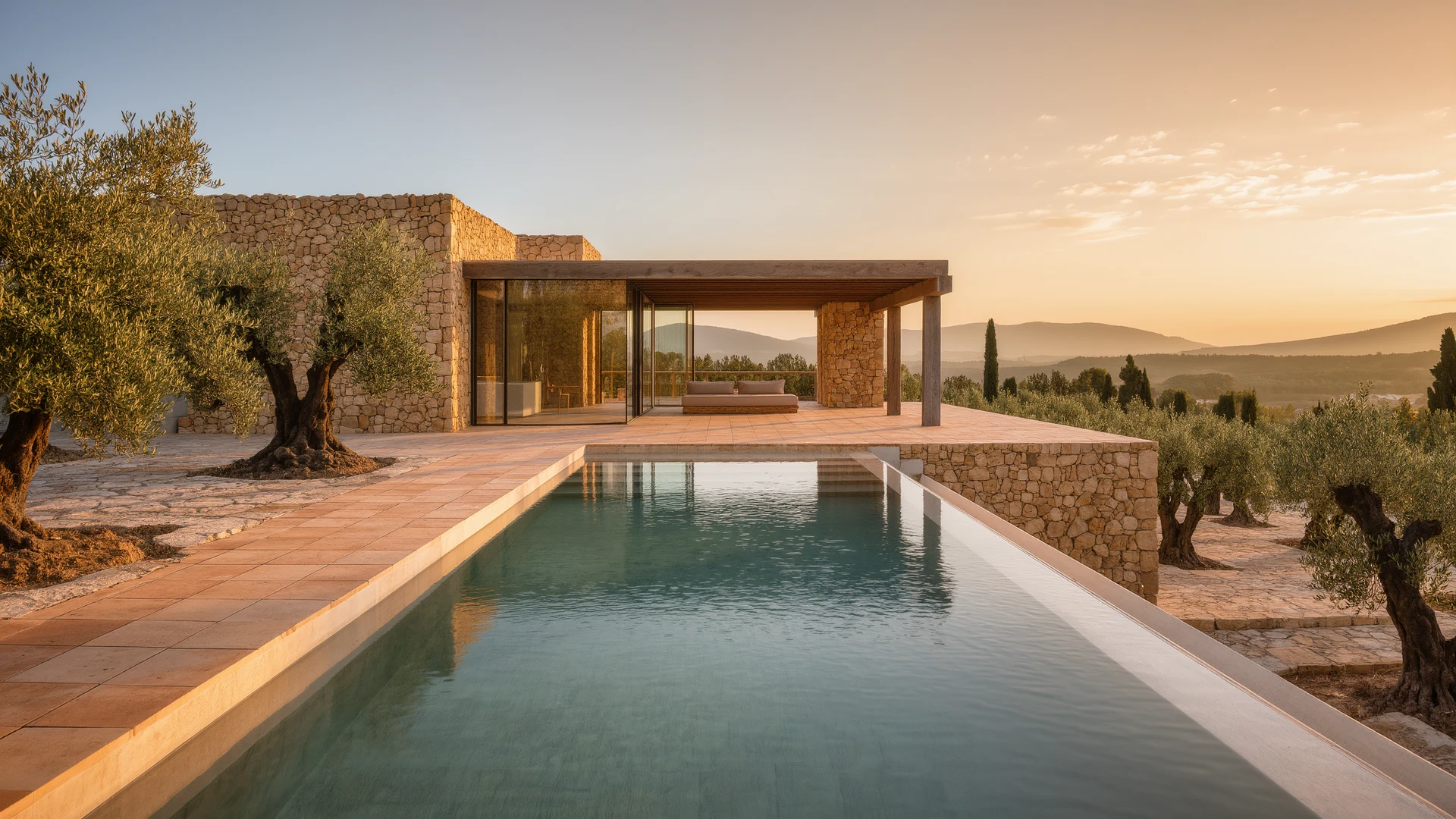
Luxury Finca in Mallorca: Prices, Costs, Water Rights
Luxury finca guide for Mallorca: prime locations, prices from 1.5M to 25M euros, restoration costs, water rights and what drives its valuation.
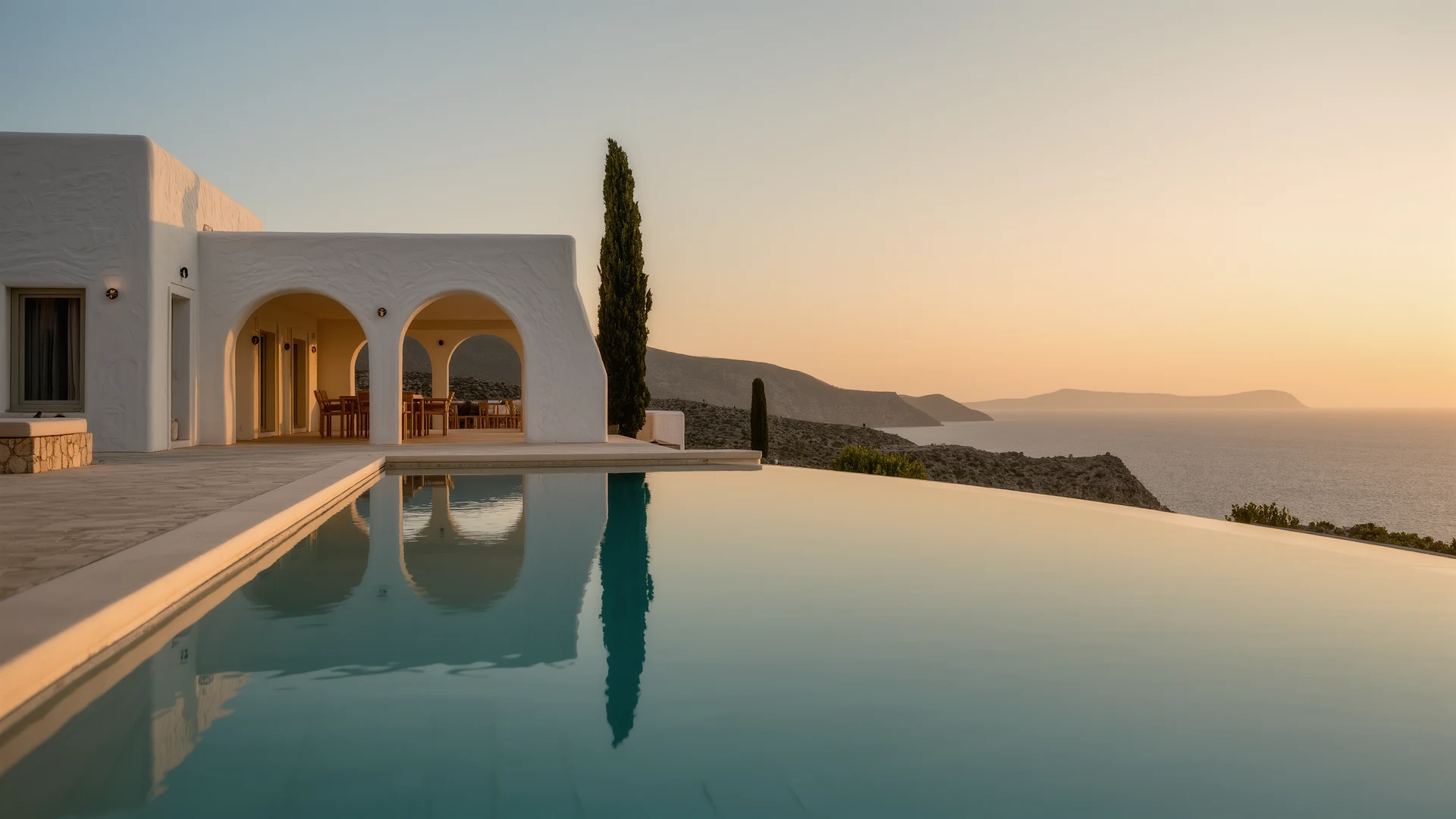
Mediterranean Villa Buying Guide: Prices, Yields, Taxes
Mediterranean villa buying guide 2026: prices, rental yields and taxes in Spain, France, Italy, Greece, Croatia and Montenegro, plus renovation rules.

Mallorca Luxury Real Estate Guide: Areas, Taxes, Prices
Mallorca luxury real estate guide: top areas like Portals Nous and Andratx, prices from 2 to 45 million euros, taxes, the Golden Visa and yields.