Changing Seasons: Mallorca’s Real Estate Market
How the seasons shape the Mallorca real estate market: prices, popular areas, rental demand, tips for buyers and sellers, seasonal events and the outlook.
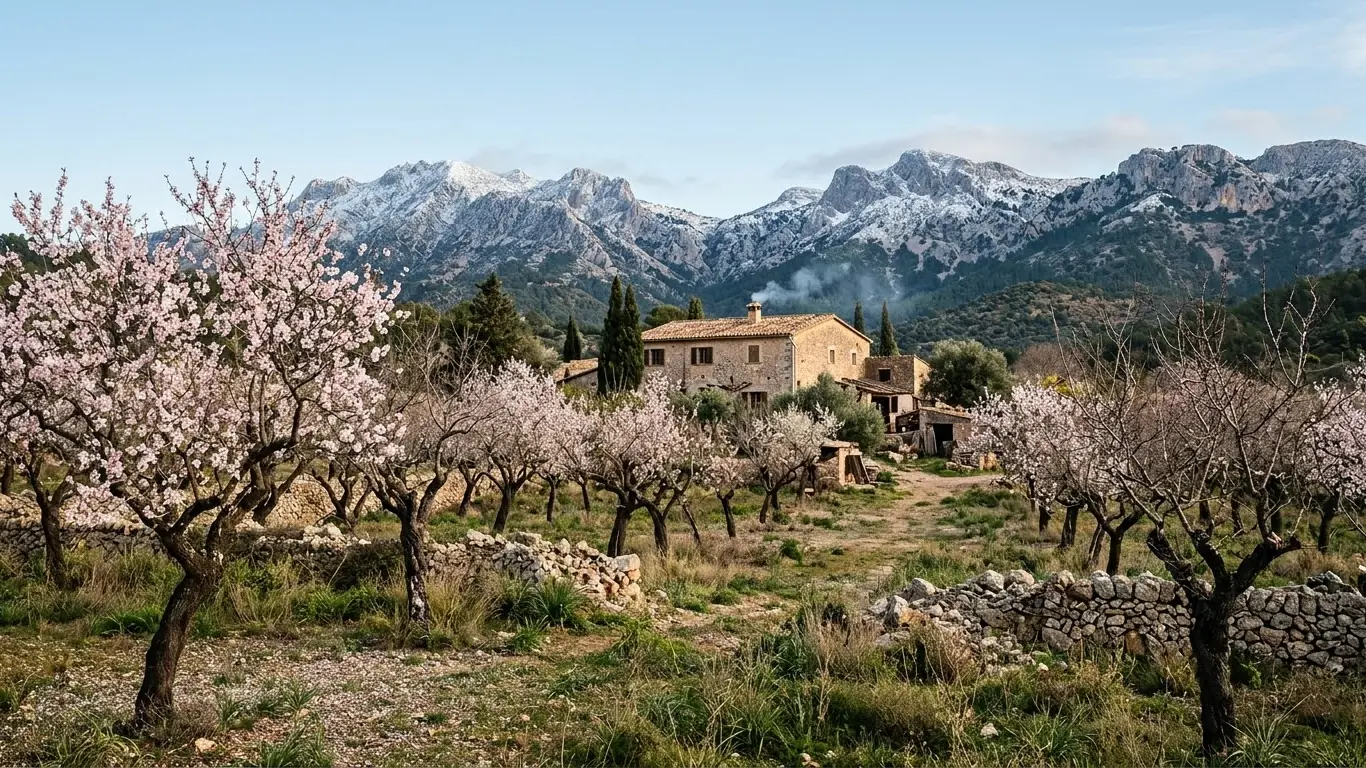

Mallorca, the largest of the Balearic Islands, has long attracted tourists and property investors. Its landscapes, cultural heritage, and temperate climate make it appealing for a second home or an investment. The market has grown significantly over the past few years, driven by international interest, favorable economic conditions, and the island’s unique appeal. This article shows how the seasons shape prices, demand, and rentals.
Prices have risen steadily, so buyers and sellers need to understand the dynamics of this market. Properties range from luxurious villas overlooking the Mediterranean to quaint apartments in historic towns, which suits buyers from affluent individuals seeking a holiday retreat to families looking for a permanent residence.
The market does not stand still: seasonal changes, economic trends, and shifts in consumer preferences all influence it. Understanding them is the basis for navigating Mallorca’s real estate market effectively.
Key Takeaways
- Seasons shape Mallorca’s property prices and demand, so timing matters for buyers and sellers
- Prices typically peak in the tourist season and dip in the off-peak months
- Beachfront properties, city center apartments, and rural villas are popular for seasonal rentals and investments
- Rental demand peaks in summer, while demand for purchases is higher in the off-peak season
- In the tourist rental market, demand and rates rise in peak season and fall in the off-peak months
- Market trends, pricing strategy, and seasonal events deserve consideration when buying or selling
- Events and festivals attract tourists and influence demand and rental prices at specific times of the year
- The outlook points to continued demand for rentals and investments, with potential in emerging areas and property types
Impact of Changing Seasons on Property Prices
Peak Season: Surging Demand and Prices
In the peak summer months, the influx of tourists lifts demand for Mallorca’s properties. Rental properties draw the most interest, and prices rise accordingly, particularly in popular areas like Palma, Alcúdia, and Magaluf. Investors who rent out at premium rates can improve their return on investment, though results depend on occupancy and costs.
Off-Peak Season: A Buyer’s Opportunity
In the off-peak months from late autumn to early spring, property prices tend to dip as demand wanes. Many owners withdraw their homes from the rental market, which reduces available inventory. The seasonal fluctuation gives buyers opportunities to purchase at more favorable prices.
Why Timing Matters in Mallorca’s Real Estate Market
Timing can greatly influence the success of a transaction, and awareness of seasonal fluctuations helps buyers and sellers navigate the market.
Popular Areas for Seasonal Rentals and Investments
Certain areas of Mallorca stand out for seasonal rentals and investments because of what they offer tourists. Palma, the island’s capital, is a prime example: a vibrant cultural scene, historic architecture, and lively nightlife attract a diverse range of visitors year-round.
Properties in the city center or along the waterfront tend to command higher rental prices, which attracts investors who want to benefit from the steady flow of tourists.
Alcúdia’s proximity to natural parks and historical sites makes it a favorite among families and outdoor enthusiasts.
Properties in Alcúdia can generate substantial rental income in the summer months and, because of the area’s year-round appeal, may hold their value throughout the year. Sóller and Deia offer a more tranquil setting with mountain views and local culture, attracting those who seek a peaceful retreat close to the island’s attractions.
Trends in Property Demand during Different Seasons
Demand for properties in Mallorca varies significantly through the year, shaped by local and international factors. Interest typically begins to rise in spring, when potential buyers start searching for summer rentals or vacation homes. Foreign buyers often send inquiries in this period to secure properties before the peak tourist season.
Demand peaks as summer approaches, particularly for rental properties for holidaymakers who want short-term accommodation. In autumn, as the tourist crowds thin out, buyer behavior shifts: many investors turn to long-term rental opportunities or properties that can serve as permanent residences.
This transition can increase competition among buyers who look for deals before winter. Winter itself often brings a quieter market, as many potential buyers delay their purchases until spring. Knowing these patterns helps investors decide when to buy or sell.
Seasonal Fluctuations in Tourist Rental Market
Mallorca’s tourist rental market is highly seasonal, with significant fluctuations in occupancy rates and rental prices through the year. In summer, properties are often fully booked, and prices can climb as demand outstrips supply, so many owners adjust their rates to maximize earnings.
Owners with properties in high-demand areas can earn substantially in this period. As summer fades into autumn and winter approaches, occupancy rates typically decline sharply, and many owners face challenges in the off-peak period.
To limit losses in the quieter months, some owners offer discounts or incentives to attract longer-term renters or turn to alternative strategies such as targeting digital nomads or remote workers who need temporary accommodation. Understanding the seasonal fluctuations helps owners optimize rental income across the year.
Tips for Buying and Selling Property in Different Seasons
Buying During Peak Season
Buyers in the peak season need to act quickly and expect competition. Well-priced properties in desirable areas may receive multiple offers within days of coming onto the market. Local agents with a deep understanding of market trends can point to opportunities before others take them.
Selling During Off-Peak Months
Selling in the off-peak months brings its own challenges. Sellers should stage their homes effectively and highlight unique features that appeal to buyers even when demand is lower.
Effective Pricing and Marketing Strategies
Pricing may need adjusting to current market conditions, and a competitive price can attract interest even in quieter times. Online marketing platforms and social media increase visibility and reach a broader audience.
Seasonal Events and Festivals in Mallorca’s Real Estate Market
Seasonal events and festivals shape the dynamics of Mallorca’s real estate market. The island hosts cultural celebrations through the year that draw locals and tourists. Events such as the Sant Joan festivities in June or the Fira del Vi wine fair in October add to the island’s appeal and create temporary spikes in demand for short-term rentals.
Owners who market their homes around these events can benefit from more bookings and higher rental rates. Festivals also draw attention to specific areas, and towns that host major celebrations may see more property interest as visitors look for accommodation close to the festivities.
Outlook for Mallorca’s Real Estate Market
Prospects for Mallorca’s real estate market look constructive, although changing seasons and global economic factors bring uncertainty. As more people embrace remote work and flexible living arrangements, interest in properties for long-term rentals or second homes that balance work and leisure is likely to continue. This trend could raise demand for properties outside the traditional tourist hotspots, as buyers look for quieter locations with ample amenities.
Ongoing investment in infrastructure and tourism development is likely to support the island’s appeal for tourists and property investors. As sustainability gains weight for buyers, properties with eco-friendly features may attract more interest in the coming years.
More from Mallorca
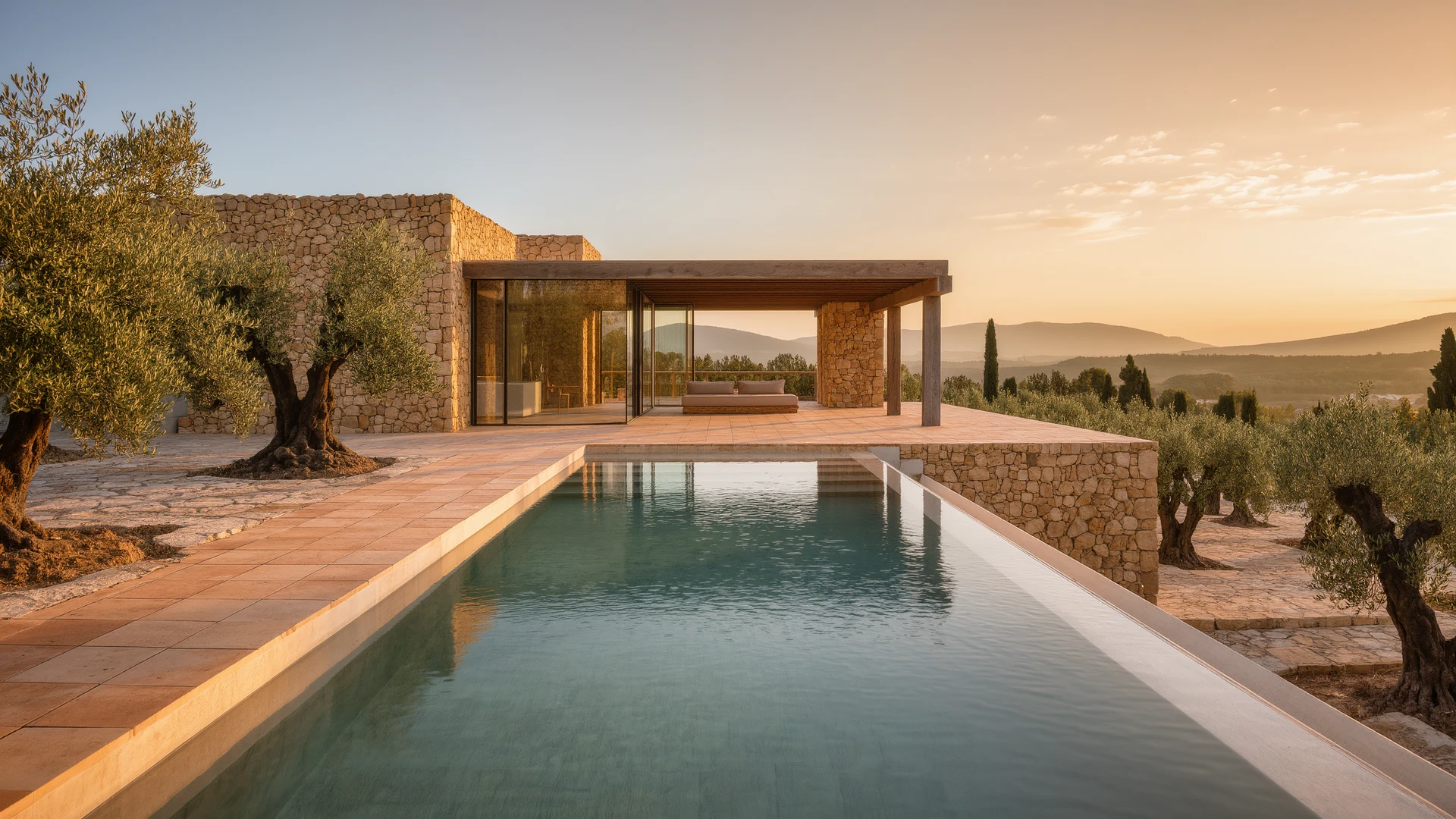
Luxury Finca in Mallorca: Prices, Costs, Water Rights
Luxury finca guide for Mallorca: prime locations, prices from 1.5M to 25M euros, restoration costs, water rights and what drives its valuation.
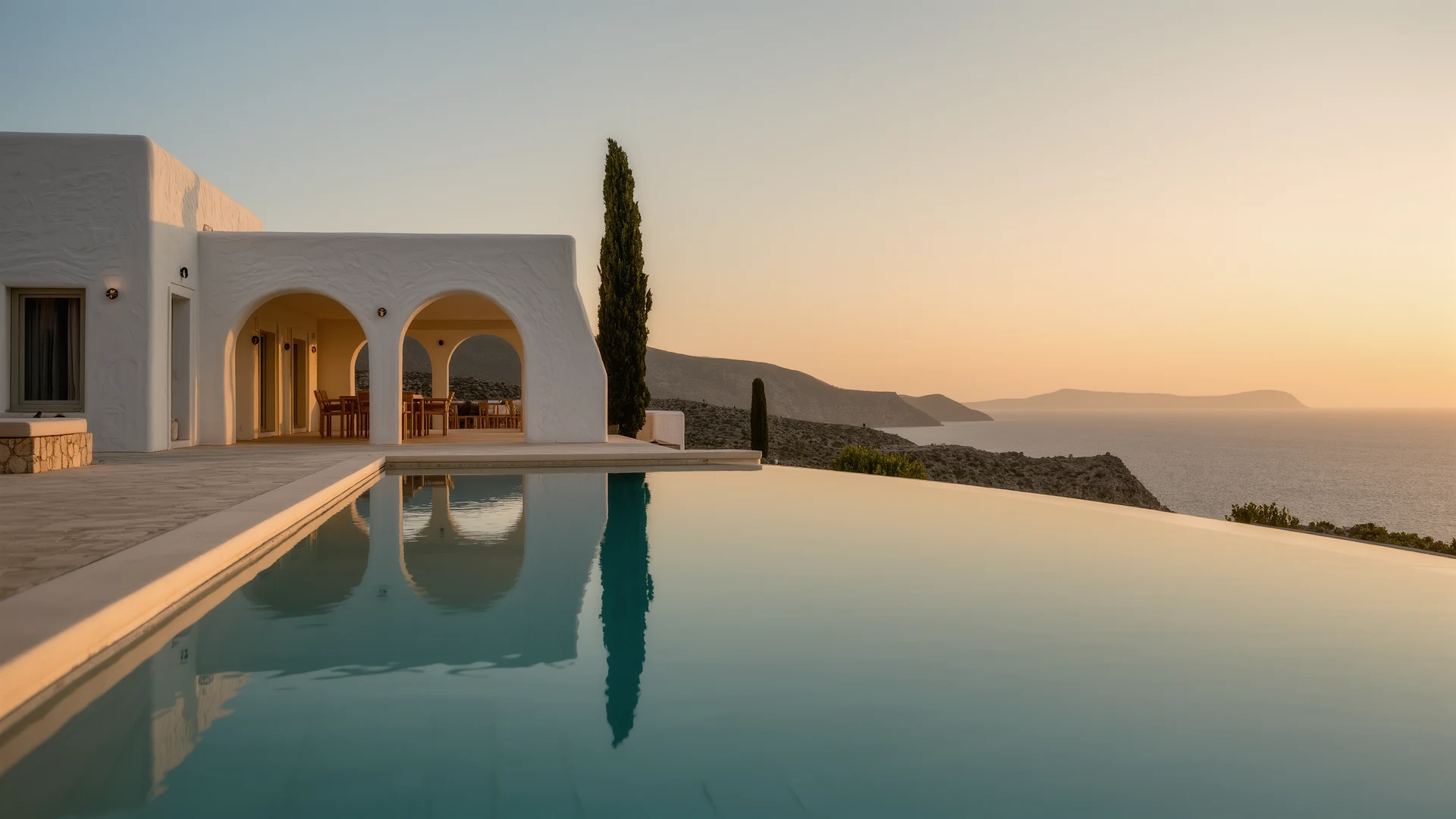
Mediterranean Villa Buying Guide: Prices, Yields, Taxes
Mediterranean villa buying guide 2026: prices, rental yields and taxes in Spain, France, Italy, Greece, Croatia and Montenegro, plus renovation rules.

Mallorca Luxury Real Estate Guide: Areas, Taxes, Prices
Mallorca luxury real estate guide: top areas like Portals Nous and Andratx, prices from 2 to 45 million euros, taxes, the Golden Visa and yields.