Mallorca · 39.62°N 2.99°E · File 133
Choosing the Right Construction Company for New Building Projects: Tips
Before embarking on a construction project, it is crucial to have a clear understanding of your specific needs and objectives. This foundational step sets the tone for the entire p…
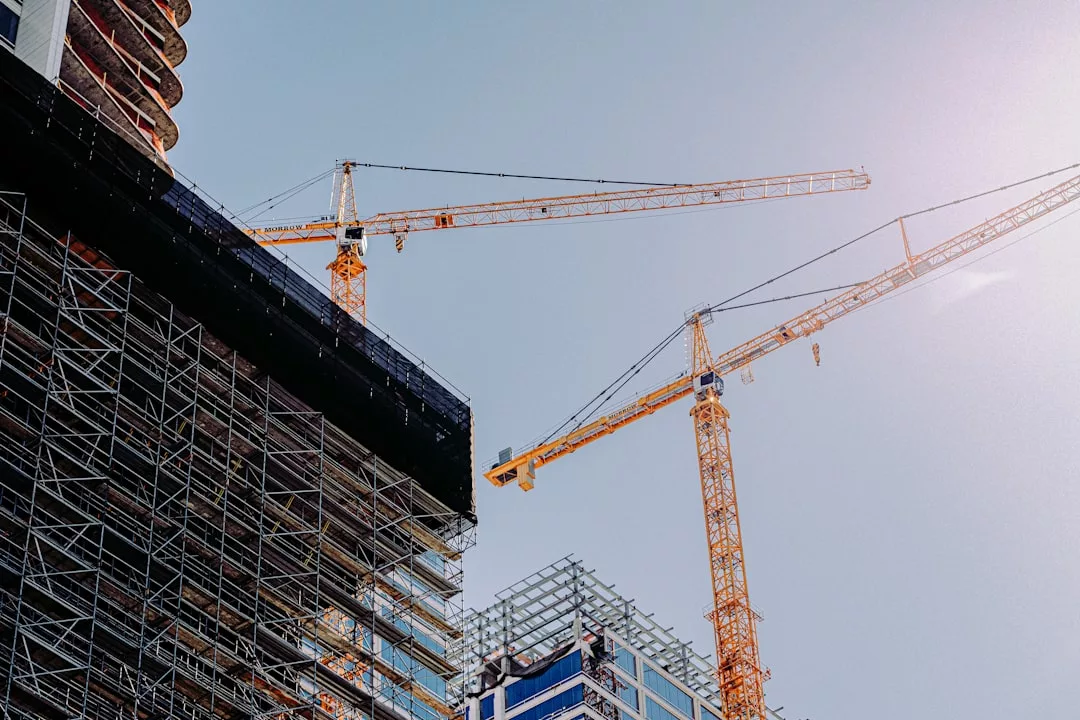
Before embarking on a construction project, it is crucial to have a clear understanding of your specific needs and objectives. This foundational step sets the tone for the entire process, influencing everything from the selection of materials to the choice of contractors. Begin by defining the scope of your project.
Are you looking to build a new home, renovate an existing structure, or perhaps undertake a commercial development? Each type of project comes with its own set of requirements, timelines, and budget considerations. For instance, residential projects often prioritize aesthetics and comfort, while commercial projects may focus more on functionality and compliance with zoning laws.
In addition to the type of project, consider the scale and complexity involved. A small renovation may require only a few weeks of work and a limited budget, while a large-scale construction project could span several months or even years and necessitate significant financial investment. It is also essential to identify any specific features or amenities you desire.
This could range from energy-efficient systems and sustainable materials to unique architectural designs. By articulating your vision clearly, you can ensure that all stakeholders are aligned and that potential construction companies understand your expectations from the outset.
Key Takeaways
- Understand your project needs before starting the search for construction companies
- Research potential construction companies to find the best fit for your project
- Check credentials and experience of the construction companies to ensure they are qualified
- Review past projects and client testimonials to gauge the quality of work and customer satisfaction
- Meet with potential construction companies to discuss your project and get a feel for their communication and professionalism
- Obtain bids and proposals from the construction companies to compare pricing and services
- Negotiate terms and contracts with the chosen construction company to ensure a fair and beneficial agreement
- Make your final decision based on all the information gathered and choose the construction company that best meets your needs
Researching Potential Construction Companies
Once you have a firm grasp of your project needs, the next step is to research potential construction companies that can bring your vision to life. Start by compiling a list of local contractors who specialize in the type of work you require. Online resources such as industry directories, review websites, and social media platforms can be invaluable in this regard.
Look for companies that have a strong online presence and positive reviews from previous clients. Networking can also play a significant role in identifying reputable construction companies.
Reach out to friends, family, or colleagues who have recently completed construction projects for recommendations. Personal referrals can provide insights into a contractor’s reliability, work ethic, and quality of craftsmanship that online reviews may not fully capture. Additionally, consider attending local home shows or industry expos where you can meet contractors in person, view their work firsthand, and ask questions about their services.
Checking Credentials and Experience
After narrowing down your list of potential construction companies, it is essential to check their credentials and experience thoroughly. Start by verifying that each contractor holds the necessary licenses and certifications required by your state or local jurisdiction. These credentials not only demonstrate compliance with legal standards but also indicate a level of professionalism and commitment to quality.
For example, in many regions, general contractors must be licensed to ensure they have met specific educational and experiential benchmarks. Experience is another critical factor to consider when evaluating potential contractors. A company with years of experience in the industry is likely to have encountered a wide range of challenges and developed effective solutions over time.
Inquire about their experience with projects similar to yours in terms of size, complexity, and style. A contractor who has successfully completed numerous residential renovations may not be the best fit for a large commercial build. Additionally, ask about their team’s qualifications; skilled subcontractors such as electricians, plumbers, and carpenters are essential for ensuring high-quality workmanship throughout the project.
Reviewing Past Projects and Client Testimonials
One of the most effective ways to gauge a construction company’s capabilities is by reviewing their past projects and client testimonials. A reputable contractor should be willing to provide examples of their work, including photographs and detailed descriptions of completed projects. Pay attention to the quality of craftsmanship, design aesthetics, and overall functionality of these projects.
This will give you a clearer picture of what you can expect if you choose to work with them. Client testimonials can also offer valuable insights into a contractor’s reliability and professionalism. Look for reviews that discuss not only the final product but also the overall experience of working with the company.
Were they responsive to questions and concerns? Did they adhere to timelines and budgets? Positive feedback from previous clients can be a strong indicator of a contractor’s commitment to customer satisfaction.
Conversely, be wary of companies with numerous negative reviews or unresolved complaints, as these red flags may signal potential issues down the line.
Meeting with Potential Construction Companies
Once you have gathered sufficient information about potential contractors, it is time to meet with them in person. This step is crucial for establishing rapport and assessing whether a contractor is a good fit for your project. During these meetings, come prepared with a list of questions that address your specific concerns and requirements.
Inquire about their approach to project management, communication practices, and how they handle unexpected challenges that may arise during construction. Additionally, use this opportunity to discuss your project in detail. Share your vision, budget constraints, and timeline expectations.
A good contractor will listen attentively and provide feedback or suggestions based on their expertise. Pay attention to how they communicate; clear and open communication is vital for a successful partnership. Trust your instincts during these meetings; if something feels off or if the contractor seems disinterested in your project, it may be worth considering other options.
Obtaining Bids and Proposals
After meeting with potential construction companies, the next step is to obtain bids and proposals from those you are seriously considering. A well-prepared bid should outline the scope of work, materials to be used, estimated timelines, and a detailed breakdown of costs. This document serves as a critical tool for comparing different contractors’ offerings and understanding how each aligns with your budget.
When reviewing bids, look beyond the bottom line; consider the value being offered as well. The cheapest option may not always be the best choice if it compromises quality or service. Pay attention to how comprehensive each proposal is; a detailed bid indicates that the contractor has taken the time to understand your project thoroughly.
Additionally, ask for clarification on any aspects of the bid that are unclear or seem vague; transparency is key in ensuring there are no surprises later on.
Negotiating Terms and Contracts
Once you have selected a contractor based on their bid and proposal, it is time to negotiate terms and finalize contracts. This stage is crucial for establishing clear expectations regarding payment schedules, project timelines, and responsibilities for both parties. Be prepared to discuss any specific terms that are important to you, such as penalties for delays or provisions for change orders if modifications are needed during construction.
A well-drafted contract should include all agreed-upon details in writing to protect both parties’ interests. Ensure that it outlines payment terms clearly, whether it’s a fixed price or cost-plus arrangement, and specifies milestones for payments based on project progress. Additionally, include clauses related to warranties on workmanship and materials used in the project.
Taking the time to negotiate these terms upfront can help prevent misunderstandings or disputes later on.
Making Your Final Decision
After thorough research, meetings, bids, and negotiations, you are now at the point of making your final decision regarding which construction company to hire. This choice should be based on a combination of factors including credentials, experience, communication style, and overall compatibility with your project needs. Reflect on your interactions with each contractor; trust your instincts about who you feel most comfortable working with.
Consider creating a pros-and-cons list for each contractor based on your evaluations throughout the process. This can help clarify your thoughts and make an informed decision easier. Once you have made your choice, communicate your decision promptly to the selected contractor while also informing those who were not chosen respectfully. In conclusion, selecting the right construction company involves careful consideration at every stage, from understanding your project needs to making your final decision. By following these steps diligently, you can ensure that your construction project is executed smoothly and meets your expectations in terms of quality and timeliness.
Same market
More from Mallorca

Mallorca · 14 min
Luxury Finca Complete Guide
Luxury finca guide for Mallorca: prime locations, prices from 1.5M to 25M euros, restoration costs, water rights and a 7.2% growth rate driving this r…

Mallorca · 14 min
Mediterranean Villa Buying Guide
Mediterranean villa buying guide 2026: prices, yields and tax across Spain, France, Italy, Greece, Croatia and Montenegro in a 320 billion euro luxury…

Mallorca · 16 min
Mallorca Luxury Real Estate Guide
Mallorca luxury real estate guide: 2025 prices from 2 to 45 million euros, top areas like Portals Nous and Port d’Andratx, taxes, Golden Visa an…