Mallorca · 39.62°N 2.99°E · File 426
Choosing the Right Construction Company: Tips for New Builds
When embarking on a construction project, whether it’s a new home, a renovation, or a commercial build, the first step is to research and compare various construction companies. Th…
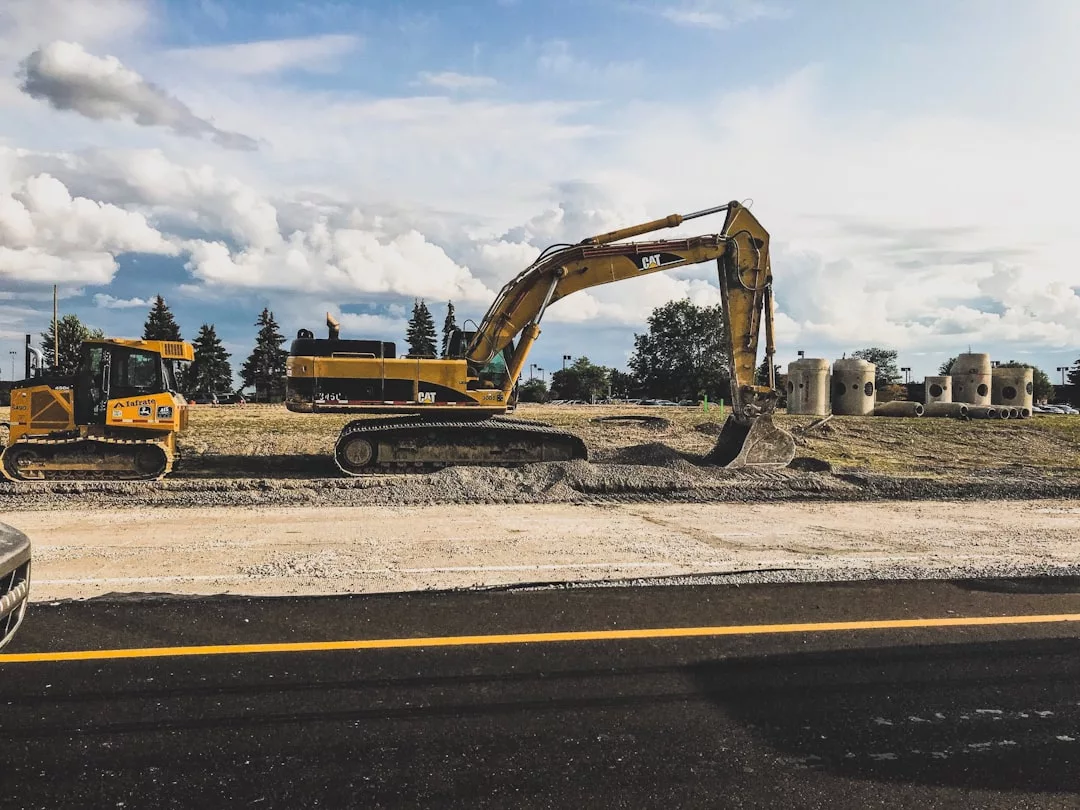
When embarking on a construction project, whether it’s a new home, a renovation, or a commercial build, the first step is to research and compare various construction companies. This initial phase is crucial as it sets the foundation for the entire project. Start by gathering a list of potential contractors through online searches, local directories, and recommendations from friends or family.
Websites that specialize in contractor reviews can also provide valuable insights into the performance and reliability of different companies. As you compile your list, pay attention to the types of projects each company specializes in, as this can significantly influence the quality of work you receive. Once you have a list of candidates, it’s essential to compare their services, pricing structures, and project timelines.
Look for companies that have experience in projects similar to yours, as this can indicate their ability to handle your specific needs. Additionally, consider reaching out to each company for initial consultations. This not only allows you to gauge their responsiveness and professionalism but also provides an opportunity to ask questions about their approach to construction.
By taking the time to research and compare various options, you can make an informed decision that aligns with your project goals and budget.
Key Takeaways
- Research and compare construction companies to find the best fit for your project
- Evaluate the experience and expertise of each company to ensure they can meet your needs
- Check references and reviews to get a sense of the company’s past performance
- Ensure the company has proper licensing and insurance to protect yourself and your project
- Understand the contract and payment terms before moving forward with a construction company
Evaluating Experience and Expertise
After narrowing down your list of potential construction companies, the next step is to evaluate their experience and expertise. A contractor’s track record can provide significant insight into their capabilities. Look for companies that have been in business for several years, as longevity often indicates stability and reliability.
Additionally, inquire about the specific types of projects they have completed in the past. A company that has successfully managed similar projects is more likely to understand the nuances and challenges that may arise during your construction process. Moreover, consider the qualifications of the team members who will be working on your project.
Are they licensed professionals with relevant certifications? Do they have specialized training in areas pertinent to your project? A well-rounded team with diverse skills can enhance the quality of work and ensure that all aspects of the construction process are handled efficiently.
By thoroughly evaluating the experience and expertise of potential contractors, you can select a company that not only meets your expectations but also brings valuable knowledge to your project.
Checking References and Reviews
One of the most effective ways to assess a construction company’s reliability is by checking references and reviews from previous clients. A reputable contractor should be willing to provide a list of references upon request. Reach out to these individuals to inquire about their experiences with the company.
Ask specific questions regarding the quality of work, adherence to timelines, communication style, and how any issues were resolved during the project. This firsthand feedback can offer invaluable insights that go beyond what is presented in marketing materials. In addition to personal references, online reviews can also provide a broader perspective on a company’s reputation.
Websites like Yelp, Google Reviews, and Angie’s List can be excellent resources for gauging customer satisfaction. Pay attention to both positive and negative reviews, as they can highlight strengths and weaknesses that may not be immediately apparent. While no company is perfect, consistent patterns in feedback can help you identify potential red flags or confirm a contractor’s reliability.
By thoroughly checking references and reviews, you can gain confidence in your choice of construction company.
Ensuring Proper Licensing and Insurance
Before finalizing your decision on a construction company, it is imperative to ensure that they possess the proper licensing and insurance. Licensing requirements vary by location, so it’s essential to verify that the contractor is licensed to operate in your area. A valid license not only demonstrates compliance with local regulations but also indicates that the contractor has met specific industry standards.
You can typically check licensing status through your state’s licensing board or regulatory agency. In addition to licensing, insurance is another critical factor to consider. A reputable construction company should carry liability insurance and workers’ compensation coverage.
Liability insurance protects you from financial loss in case of property damage or accidents that occur during the project. Workers’ compensation insurance ensures that workers are covered in case of injuries sustained on the job site. Request proof of insurance from the contractor and verify its validity before proceeding with any agreements.
By ensuring proper licensing and insurance, you protect yourself from potential legal issues and financial liabilities down the line.
Understanding the Contract and Payment Terms
Once you have selected a construction company, it is essential to thoroughly understand the contract and payment terms before signing anything. The contract serves as a legally binding agreement that outlines the scope of work, timelines, materials to be used, and payment schedules. Take the time to read through the entire document carefully, ensuring that all aspects of your project are clearly defined.
If there are any terms or clauses that are unclear or concerning, do not hesitate to ask for clarification or negotiate changes. Payment terms are another critical component of the contract that requires careful consideration. Understand how much upfront payment is required and what milestones will trigger subsequent payments.
It’s common for contractors to request a deposit before starting work, but be cautious if asked for a large sum upfront. A well-structured payment plan should align with project milestones, ensuring that you only pay for work that has been completed satisfactorily.
Communicating and Collaborating with the Construction Company
Effective communication is vital throughout the construction process. Once you’ve signed a contract with a construction company, establish clear lines of communication from the outset. Determine who your primary point of contact will be within the company and how often you will receive updates on progress.
Regular check-ins can help address any concerns promptly and keep the project on track. Additionally, don’t hesitate to voice any questions or changes you may have as the project unfolds; open dialogue fosters collaboration and ensures that everyone is on the same page. Collaboration extends beyond just communication; it also involves being actively engaged in the decision-making process.
While you may have entrusted the contractor with executing your vision, your input remains crucial at various stages of construction. Whether it’s selecting materials or making design choices, being involved helps ensure that the final outcome aligns with your expectations. By fostering a collaborative relationship with your construction company, you can create an environment conducive to success and satisfaction.
Considering the Company’s Reputation and Integrity
A construction company’s reputation speaks volumes about its integrity and reliability. As you conduct your research, pay attention to how past clients describe their experiences with the contractor. A company known for its honesty, transparency, and commitment to quality will likely prioritize customer satisfaction throughout your project as well.
Look for signs of integrity in how they handle challenges or setbacks; reputable contractors will communicate openly about issues rather than attempting to hide them. Additionally, consider seeking out industry recognition or awards that may reflect positively on a company’s reputation.
By considering a construction company’s reputation and integrity as part of your selection process, you can feel more confident in your choice and trust that they will uphold their commitments throughout your project.
Making the Final Decision and Moving Forward with Confidence
After conducting thorough research, evaluating experience, checking references, ensuring proper licensing, understanding contracts, fostering communication, and considering reputation, you are now equipped to make an informed decision regarding your construction company. Take a moment to reflect on all the information you’ve gathered; weigh the pros and cons of each candidate based on your specific needs and preferences. Once you’ve made your choice, move forward with confidence by formally notifying the selected contractor of your decision.
Ensure that all agreements are documented in writing before commencing work; this protects both parties and establishes clear expectations moving forward. With careful planning and due diligence behind you, you can embark on your construction journey knowing that you’ve chosen a reliable partner who will help bring your vision to life. Embrace this exciting phase with optimism as you watch your project take shape!
Same market
More from Mallorca

Mallorca · 14 min
Luxury Finca Complete Guide
Luxury finca guide for Mallorca: prime locations, prices from 1.5M to 25M euros, restoration costs, water rights and a 7.2% growth rate driving this r…

Mallorca · 14 min
Mediterranean Villa Buying Guide
Mediterranean villa buying guide 2026: prices, yields and tax across Spain, France, Italy, Greece, Croatia and Montenegro in a 320 billion euro luxury…

Mallorca · 16 min
Mallorca Luxury Real Estate Guide
Mallorca luxury real estate guide: 2025 prices from 2 to 45 million euros, top areas like Portals Nous and Port d’Andratx, taxes, Golden Visa an…