Mallorca · 39.62°N 2.99°E · File 418
Creating an Energy-Efficient Property
Energy efficiency is a concept that has gained significant traction in recent years, particularly as concerns about climate change and rising energy costs continue to grow. At its …
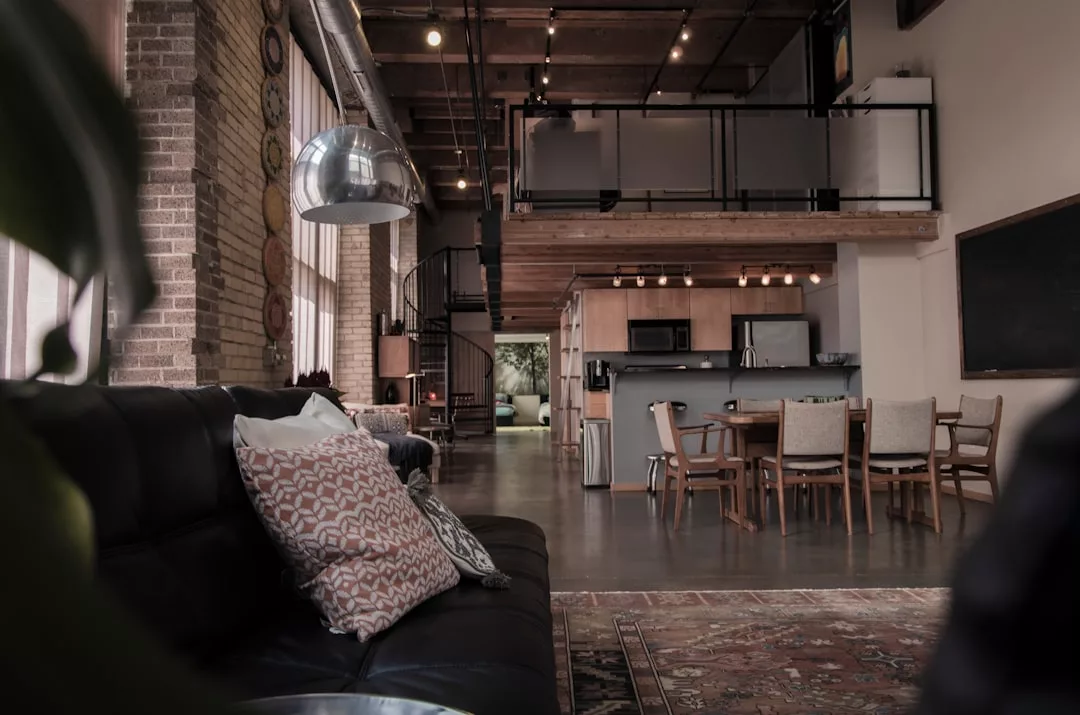
Energy efficiency is a concept that has gained significant traction in recent years, particularly as concerns about climate change and rising energy costs continue to grow. At its core, energy efficiency refers to the practice of using less energy to perform the same task or achieve the same level of comfort and convenience. This can be accomplished through various means, including the use of advanced technologies, improved building designs, and behavioral changes.
By prioritizing energy efficiency, individuals and organizations can reduce their carbon footprint, lower utility bills, and contribute to a more sustainable future. The importance of energy efficiency extends beyond individual savings; it has far-reaching implications for the environment and society as a whole. When energy is used more efficiently, it reduces the demand for energy production, which often relies on fossil fuels that contribute to greenhouse gas emissions.
Additionally, energy-efficient practices can lead to a decrease in the need for new power plants and infrastructure, ultimately conserving natural resources and protecting ecosystems. As awareness of these benefits grows, more people are recognizing the value of adopting energy-efficient practices in their homes and businesses.
Key Takeaways
- Understanding energy efficiency is crucial for reducing energy consumption and costs.
- Assessing your property’s energy usage can help identify areas for improvement.
- Implementing energy-efficient appliances and systems can significantly reduce energy consumption.
- Improving insulation and sealing can help maintain a comfortable indoor environment and reduce energy waste.
- Utilizing renewable energy sources can further reduce reliance on traditional energy sources and lower environmental impact.
Assessing Your Property’s Energy Usage
Before embarking on a journey toward improved energy efficiency, it is essential to assess your property’s current energy usage. This assessment serves as a baseline, allowing you to identify areas where energy is being wasted and where improvements can be made. Start by reviewing your utility bills over the past year to understand your consumption patterns.
Look for spikes in usage during certain months, which may indicate inefficiencies in heating or cooling systems or other appliances. In addition to analyzing bills, conducting an energy audit can provide valuable insights into your property’s energy performance. An energy audit typically involves a thorough examination of your home or building by a professional who can identify areas of energy loss, such as drafty windows, poorly insulated walls, or outdated appliances.
Many utility companies offer free or discounted energy audits as part of their commitment to promoting energy efficiency. By taking the time to assess your property’s energy usage, you can make informed decisions about where to focus your efforts for maximum impact.
Implementing Energy-Efficient Appliances and Systems
One of the most effective ways to enhance energy efficiency in your property is by upgrading to energy-efficient appliances and systems. The market is now flooded with options that not only consume less energy but also offer improved performance and features. For instance, Energy Star-rated appliances are designed to use significantly less electricity and water than their conventional counterparts.
Investing in these appliances can lead to substantial savings on utility bills over time. In addition to appliances, consider upgrading your heating, ventilation, and air conditioning (HVAC) systems. Modern HVAC systems are engineered with advanced technology that optimizes energy use while maintaining comfort levels.
For example, programmable thermostats allow homeowners to set specific temperatures for different times of the day, ensuring that energy is not wasted when spaces are unoccupied. By implementing these energy-efficient systems and appliances, you can create a more sustainable living environment while enjoying the benefits of lower operating costs.
Improving Insulation and Sealing
Another critical aspect of enhancing energy efficiency is improving insulation and sealing throughout your property. Proper insulation helps maintain a consistent indoor temperature by reducing heat transfer between the interior and exterior of a building. This means that during winter months, warm air stays inside, while in summer, cool air remains trapped indoors.
Insulation materials come in various forms, including fiberglass batts, spray foam, and rigid foam boards, each offering unique benefits depending on the specific needs of your property. Sealing gaps and cracks around windows, doors, and other openings is equally important in preventing air leaks that can undermine your insulation efforts. Weatherstripping and caulking are effective methods for sealing these gaps, ensuring that conditioned air does not escape and outside air does not infiltrate your home.
By investing in proper insulation and sealing techniques, you can significantly reduce your heating and cooling costs while enhancing overall comfort within your living space.
Utilizing Renewable Energy Sources
As the world shifts toward more sustainable practices, utilizing renewable energy sources has become an increasingly viable option for homeowners and businesses alike. Solar panels are perhaps the most well-known form of renewable energy technology available today. By harnessing sunlight to generate electricity, solar panels can drastically reduce reliance on traditional power sources while lowering utility bills.
In many regions, government incentives make solar installations more affordable than ever. In addition to solar power, other renewable energy options include wind turbines and geothermal heating systems. Wind turbines can be installed on larger properties or farms to generate electricity from wind currents, while geothermal systems utilize the earth’s stable temperature to provide efficient heating and cooling solutions.
By incorporating renewable energy sources into your property’s energy strategy, you not only contribute to environmental sustainability but also enhance your long-term energy independence.
Monitoring and Managing Energy Consumption
Tracking Energy Usage with Smart Meters and Home Energy Management Systems
Once you have implemented various energy-efficient measures in your property, it is crucial to monitor and manage your energy consumption actively. These tools can help identify peak usage times and areas where further improvements can be made.Maintenance is Key to Peak Efficiency
Additionally, establishing an ongoing maintenance routine for appliances and systems can ensure they continue operating at peak efficiency.Maximizing the Benefits of Energy Efficiency
By staying vigilant about monitoring and managing your energy consumption, you can maximize the benefits of your investments in energy efficiency.Educating Tenants or Homeowners about Energy Efficiency
For property owners and managers, educating tenants or homeowners about the importance of energy efficiency is essential for fostering a culture of sustainability within the community. Providing information on how to use appliances efficiently, tips for reducing energy consumption during peak hours, and guidance on maintaining proper insulation can empower residents to take an active role in conserving energy. Workshops or informational sessions can be organized to discuss various aspects of energy efficiency, including the benefits of renewable energy sources and government incentives available for upgrades.
By engaging tenants or homeowners in discussions about sustainability practices, you create an environment where everyone feels responsible for contributing to a greener future.
Government Incentives and Programs for Energy Efficiency
Governments around the world recognize the importance of promoting energy efficiency as a means of reducing carbon emissions and fostering sustainable development. As such, many offer incentives and programs designed to encourage individuals and businesses to invest in energy-efficient technologies. These incentives may come in the form of tax credits, rebates on appliance purchases, or grants for home improvements.
In addition to financial incentives, some governments provide resources such as free energy audits or access to low-interest loans for upgrading insulation or installing renewable energy systems. By taking advantage of these programs, property owners can significantly offset the costs associated with implementing energy-efficient measures. Staying informed about available incentives is crucial for maximizing savings while contributing to a more sustainable future.
In conclusion, understanding and implementing energy efficiency measures is not only beneficial for individual property owners but also essential for creating a sustainable future for our planet. By assessing energy usage, upgrading appliances and systems, improving insulation, utilizing renewable resources, monitoring consumption, educating residents, and leveraging government incentives, we can collectively work towards reducing our carbon footprint while enjoying the economic advantages that come with increased efficiency. The journey toward greater energy efficiency is one that requires commitment and awareness but ultimately leads to a healthier environment and a more sustainable way of living.
Same market
More from Mallorca
Mallorca · 14 min
Luxury Finca Complete Guide
Luxury finca guide for Mallorca: prime locations, prices from 1.5M to 25M euros, restoration costs, water rights and a 7.2% growth rate driving this r…

Mallorca · 14 min
Mediterranean Villa Buying Guide
Mediterranean villa buying guide 2026: prices, yields and tax across Spain, France, Italy, Greece, Croatia and Montenegro in a 320 billion euro luxury…

Mallorca · 16 min
Mallorca Luxury Real Estate Guide
Mallorca luxury real estate guide: 2025 prices from 2 to 45 million euros, top areas like Portals Nous and Port d’Andratx, taxes, Golden Visa an…