Puig de Ros Real Estate: What Buyers Should Weigh
Puig de Ros real estate in context: Mallorca’s connections, lifestyle, investment outlook, schools, healthcare, safety, property options and prices.
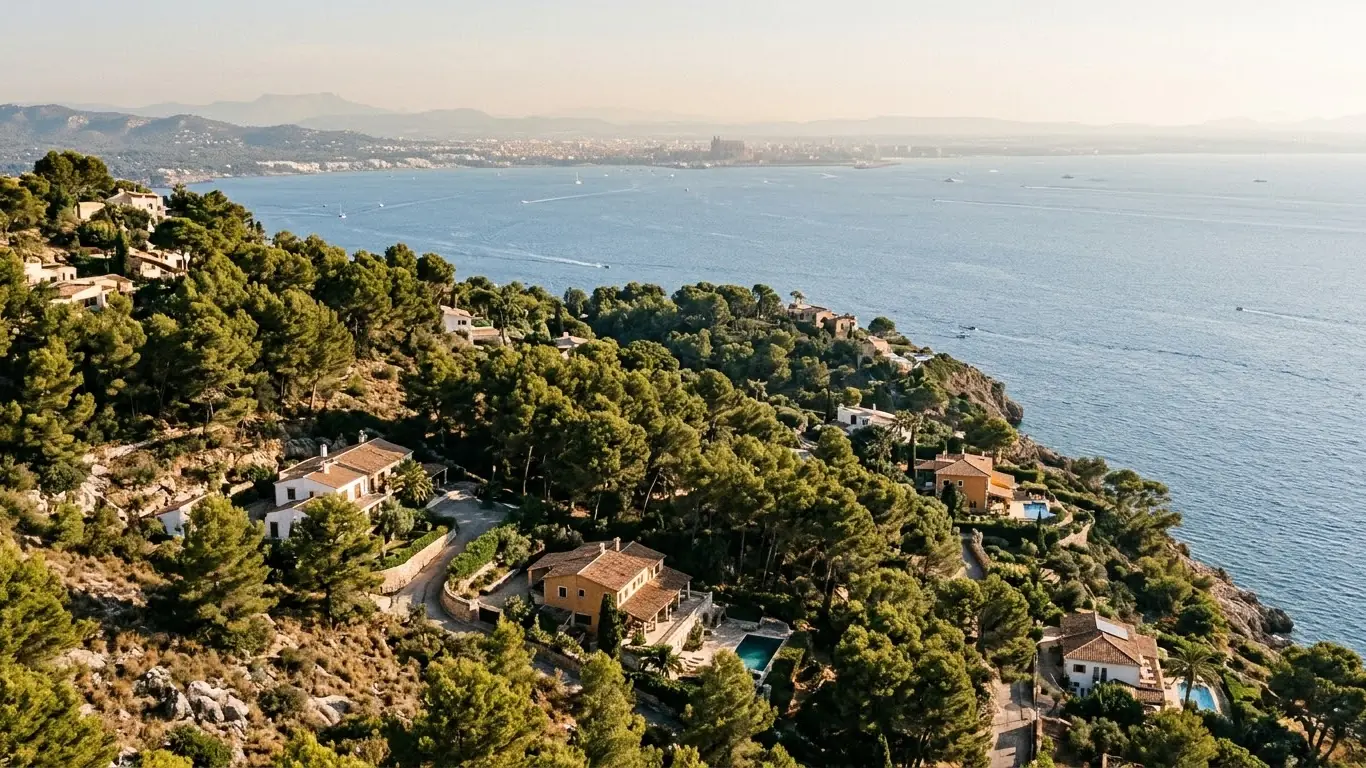

This article sets Puig de Ros real estate in the context of Mallorca, the largest of the Balearic Islands, off the eastern coast of Spain. Access is straightforward: Palma de Mallorca Airport, the island’s international airport, is a hub for numerous airlines and offers direct flights to major cities worldwide.
That connectivity attracts tourists as well as expatriates and investors who look for a second home or a permanent residence. A well-maintained road network lets residents and visitors reach the villages, landscapes and coastline with ease.
Ferry connections to the Spanish mainland and nearby islands add maritime access, useful for exploring the archipelago or moving goods and services.
From the daily commute to the beach or a weekend trip, this accessibility shapes everyday life on the island.
Key Takeaways
- Good access to major highways and public transportation.
- Shopping centers, restaurants and recreational facilities provide a broad range of amenities.
- Upcoming developments and rising property values may support returns, though neither is guaranteed.
- A close-knit community with friendly neighbors and regular neighborhood events.
- Top-rated schools and healthcare facilities in the area.
- Natural beauty and outdoor activities such as hiking, biking and parks.
- Strong security measures that support residents’ safety.
- Real estate options at competitive prices, including apartments, townhouses and single-family homes.
Amenities and Lifestyle on Mallorca
Mallorca offers a rich cultural scene, with festivals, art galleries and theaters that celebrate both heritage and contemporary creativity. The capital, Palma, mixes historic architecture with modern conveniences.
Palma offers high-end boutiques, gourmet restaurants, busy markets and cozy cafes, and its cuisine runs from traditional Spanish dishes to international food. Beyond the city, charming towns and villages offer a more laid-back lifestyle.
Sóller and Valldemossa are known for picturesque streets and local artisan shops. Parks, beaches and recreational facilities support outdoor living: hiking in the Tramuntana mountains, cycling on scenic routes or simply relaxing on a beach.
This mix of urban sophistication and rural tranquility appeals to a wide range of people, from young professionals to retirees seeking a peaceful retreat.
Investment Potential and Its Limits
Property values have risen steadily over the past few years, driven by demand for vacation homes and rental properties. The island’s popularity as a destination brings a steady stream of visitors, which makes short-term rentals interesting for some investors.
Landscapes and a favorable climate make Mallorca a sought-after location for luxury villas and apartments, which often command premium prices. Spanish initiatives to promote foreign investment have added to that appeal, though the current terms of any residency scheme tied to a purchase should be checked before a decision.
Buyers from the UK, Germany and Scandinavia are among those drawn to the island. As infrastructure and amenities develop, the long-term outlook for property values looks positive, but markets move in both directions and no return is guaranteed.
Community and Neighborhoods
Mallorca is a mosaic of communities and neighborhoods, from the busy streets of Palma to tranquil coastal towns such as Alcúdia and Pollença, each with its own atmosphere. The sense of community is strong: locals take pride in their traditions and culture and welcome newcomers.
Old-world charm and modern living sit side by side, and expatriate communities add to the island’s multicultural fabric. They organize events and activities that bring residents from different backgrounds together.
Language exchange programs, cultural festivals and sports clubs give newcomers ample ways to settle in, and the sense of belonging is one reason people choose to make Mallorca their home.
Education and Healthcare
Education on Mallorca is well regarded. Public schools follow the Spanish curriculum, while private international schools offer programs in English and other languages. They serve different age groups and educational philosophies, so families can find options that fit their children.
Many schools also emphasize extracurricular activities such as sports, arts and community service. Healthcare is provided by public and private systems alike, and the island has several hospitals with modern facilities and skilled professionals for residents and tourists.
Residents can use the public system through Spain’s national health system, while private healthcare offers shorter wait times and additional services. Together, education and healthcare contribute a great deal to the quality of life on Mallorca.
Nature and Outdoor Activities
Landscapes on Mallorca range from rugged mountains to quiet beaches. The Serra de Tramuntana offers wide views and numerous hiking trails that draw outdoor enthusiasts year-round.
The trails vary in difficulty, from easy walks to more challenging routes for seasoned hikers.
The coastline adds pristine beaches that invite both relaxation and recreation.
Popular sandy shores such as Playa de Palma and hidden coves such as Cala Figuera offer countless places for sunbathing, swimming and water sports like snorkeling and sailing. The mild climate allows outdoor activities year-round, which suits an active lifestyle.
Security and Safety
Safety matters to anyone relocating or investing in a new area, and Mallorca has a good reputation here. Crime rates are low compared with many other regions in Europe, and local law enforcement is proactive in keeping communities secure.
Close-knit communities add a sense of vigilance: neighbors look out for one another, and residents feel comfortable walking at night or leaving their homes unattended during short absences. This sense of security adds to the quality of life on the island.
Real Estate Options and Prices
Properties range from luxurious villas on clifftops above the sea to charming apartments in historic town centers. Prices vary widely with location: prime areas such as Palma or the southwest coast tend to command higher prices because of their desirability.
More affordable options exist in less touristy areas and inland towns, often with good value and the same access to Mallorca’s landscapes and culture. Demand for rental properties aimed at tourists continues to rise, yet returns depend on location, property and market conditions and cannot be taken for granted.
More from Mallorca
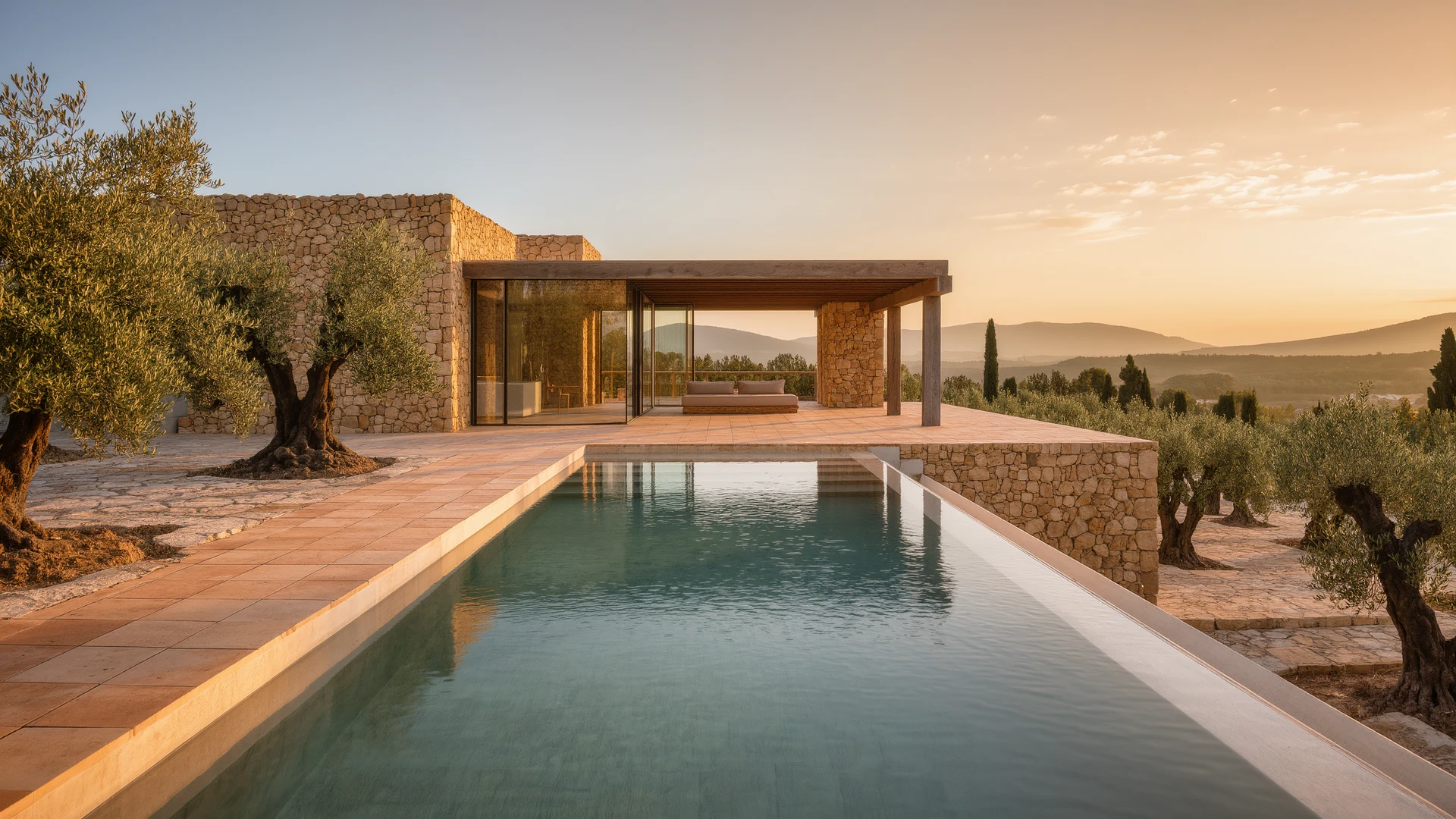
Luxury Finca in Mallorca: Prices, Costs, Water Rights
Luxury finca guide for Mallorca: prime locations, prices from 1.5M to 25M euros, restoration costs, water rights and what drives its valuation.
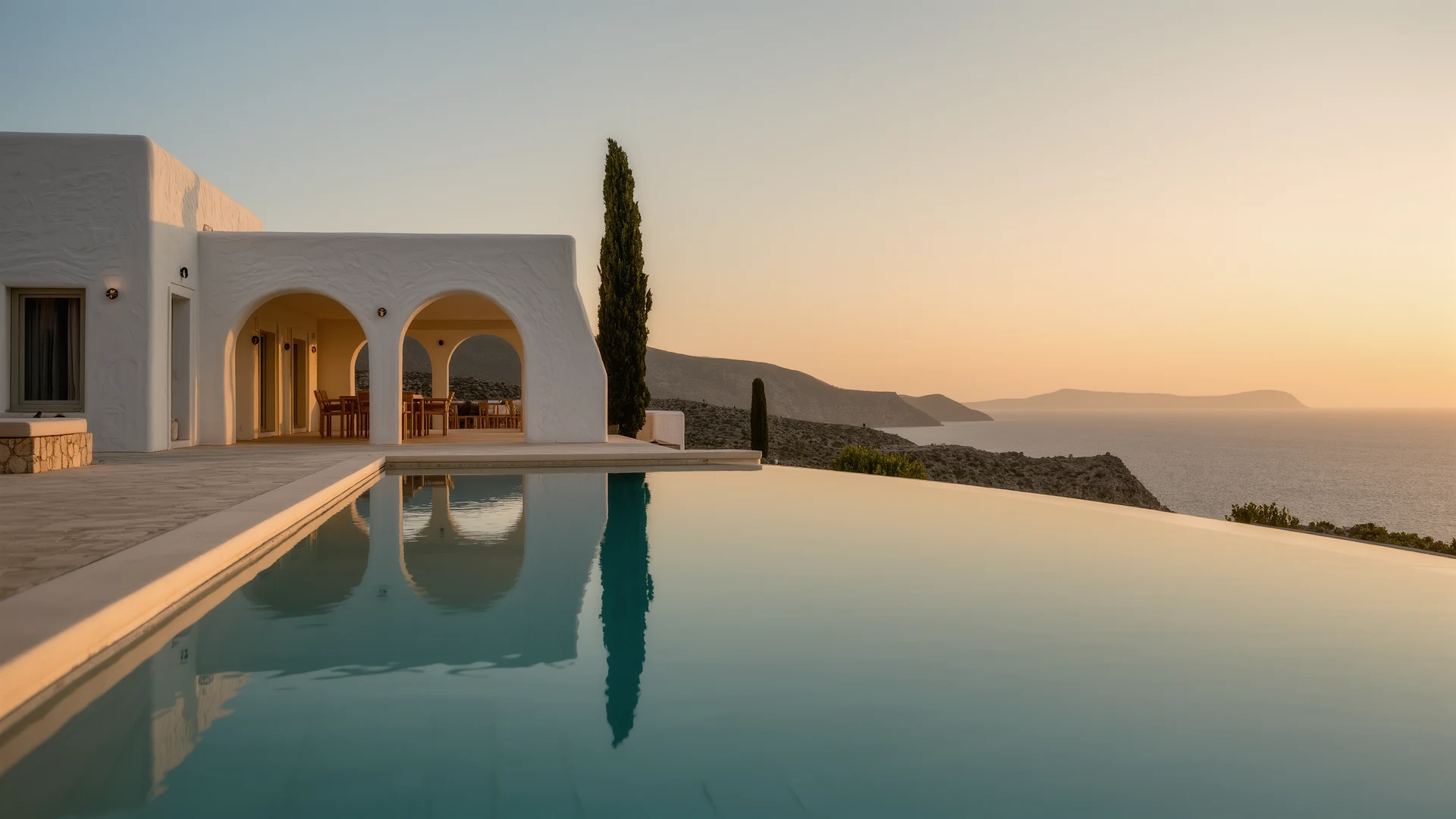
Mediterranean Villa Buying Guide: Prices, Yields, Taxes
Mediterranean villa buying guide 2026: prices, rental yields and taxes in Spain, France, Italy, Greece, Croatia and Montenegro, plus renovation rules.

Mallorca Luxury Real Estate Guide: Areas, Taxes, Prices
Mallorca luxury real estate guide: top areas like Portals Nous and Andratx, prices from 2 to 45 million euros, taxes, the Golden Visa and yields.