Finca Manacor: History, Produce, Dining and Nature
Finca Manacor in the heart of Mallorca: history from the Talaiotic period, olive oil and organic produce, dining, activities, art and conservation.
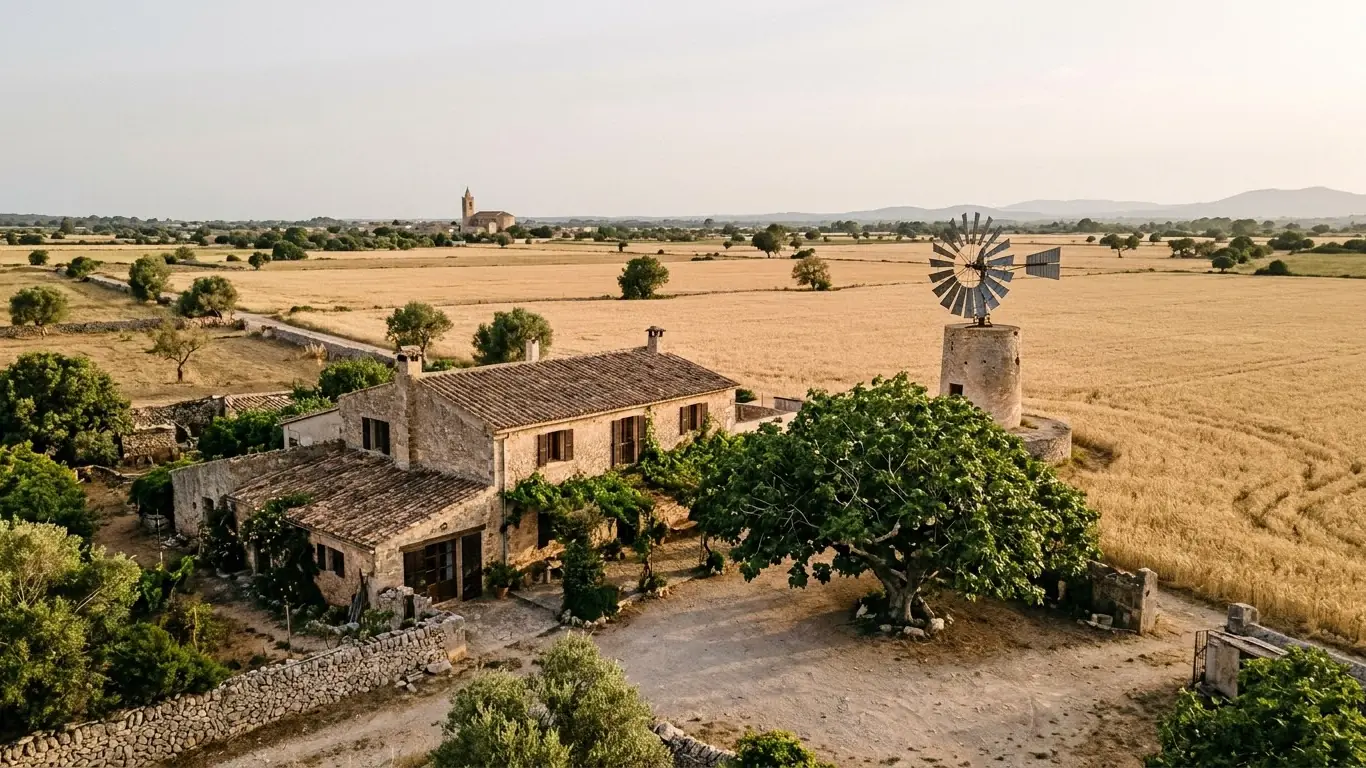

Finca Manacor lies in the heart of Mallorca, an estate with lush landscapes and traditional architecture that reflects the island’s agricultural heritage. The serene setting suits visitors seeking an authentic experience away from the main tourist hotspots. This article covers its history, nature, produce, dining, activities and sustainability.
The finca, or estate, is a living representation of the island’s culture, history and commitment to sustainability. On the grounds, the scent of blooming flowers and ripe fruits fills the air, and traditional practices are preserved and celebrated.
Sprawling orchards and charming stone buildings let visitors connect with nature and see rural Mallorca in an authentic form.
Key Takeaways
- Finca Manacor is an estate in the countryside that offers an immersive experience for visitors.
- Its history reaches back centuries, with a cultural and agricultural legacy still evident today.
- Lush gardens, scenic walking trails and views of the surrounding landscape invite exploration.
- The estate is known for sustainable agricultural practices and products including olive oil, wine and organic fruits and vegetables.
- Farm-to-table dining and cooking classes showcase the estate’s fresh ingredients.
History and Heritage of Finca Manacor
The history of Finca Manacor is intertwined with that of Mallorca. The region has been inhabited for thousands of years, with evidence of ancient civilizations dating back to the Talaiotic period.
Over the centuries, the estate has evolved with the cultural influences that shaped Mallorca’s identity, and it holds stories and traditions passed down through generations. The architecture shows traditional Mallorcan design, with characteristic stone walls and terracotta roofs.
Ancient olive trees that have stood for centuries and meticulously maintained gardens reflect the dedication of those who have cared for the land. Visitors are often encouraged to engage with local historians and guides, who offer insights into life at the finca.
Nature: Gardens, Orchards and Landscape
Rolling hills, verdant valleys and distant mountains form the backdrop of the estate and show Mallorca’s diverse natural beauty. The flora and fauna within and around the finca reflect the island’s ecological richness.
Wildflowers bloom in vibrant colors in spring, and the summer months bring fruits and vegetables that thrive in the Mediterranean climate. Winding paths lead through extensive gardens and orchards lined with fragrant citrus trees, olive groves and vineyards, while birdsong fills the air. Guided tours give insights into the local ecosystem and the importance of conservation efforts.
Sustainable Agriculture and Products
Agriculture is central to the finca’s identity, with sustainable practices that honor both tradition and innovation. Olives, almonds, grapes and seasonal vegetables are grown with organic methods that prioritize environmental health, which supports biodiversity and soil health as well as product quality.
Visitors can learn about these practices firsthand: guided tours often include visits to the fields, where guests see the harvest and learn how each crop is cultivated. The finca also produces its own olive oil, which is celebrated for its quality and flavor.
Tasting sessions let visitors sample the oil alongside other local products and appreciate the work behind each bottle.
Dining: Local Ingredients and Traditional Recipes
The kitchen reflects Mallorca’s gastronomic heritage, using fresh, locally sourced ingredients and traditional recipes passed down through generations. The meals range from hearty paellas to delicate seafood dishes.
Meals are often served outdoors, with views of the estate’s gardens and landscapes, so dining engages all the senses. Wine pairings with local varieties add a taste of Mallorca’s rich viticultural history.
Cooking classes teach how to prepare traditional Mallorcan dishes and deepen the connection to local culture.
Outdoor Activities: Hiking, Biking and Riding
Outdoor activities at the finca suit visitors seeking adventure and exploration.
Routes suit all levels of fitness, from experienced hikers to casual walkers, with views and a chance to connect with nature.
Besides hiking and biking, the finca offers horseback riding through its fields and forests. Guided rides show Mallorca from a different perspective, with knowledgeable guides explaining the local flora and fauna. Picnics in one of the estate’s serene spots suit those who prefer a leisurely pace.
Art and Culture at the Finca
Art and culture are part of life at the finca. It often hosts exhibitions of local artists whose works capture island life, which lets visitors see contemporary art alongside traditional techniques that have been preserved over time.
Cultural events include music performances, dance shows and workshops that celebrate Mallorcan traditions and bring visitors and locals together. Participants can learn traditional dances or try crafting local handicrafts under the guidance of skilled artisans.
Sustainability and Conservation
The finca shows a commitment to environmental stewardship through conservation efforts. Organic farming practices minimize chemical use and promote biodiversity, which enhances soil health and supports local wildlife habitats.
Initiatives also aim to preserve natural resources and reduce waste. Water conservation measures apply across the estate, so water is used efficiently in agriculture and daily operations. Educational programs raise awareness of sustainability among visitors and encourage eco-friendly practices at home.
More from Mallorca
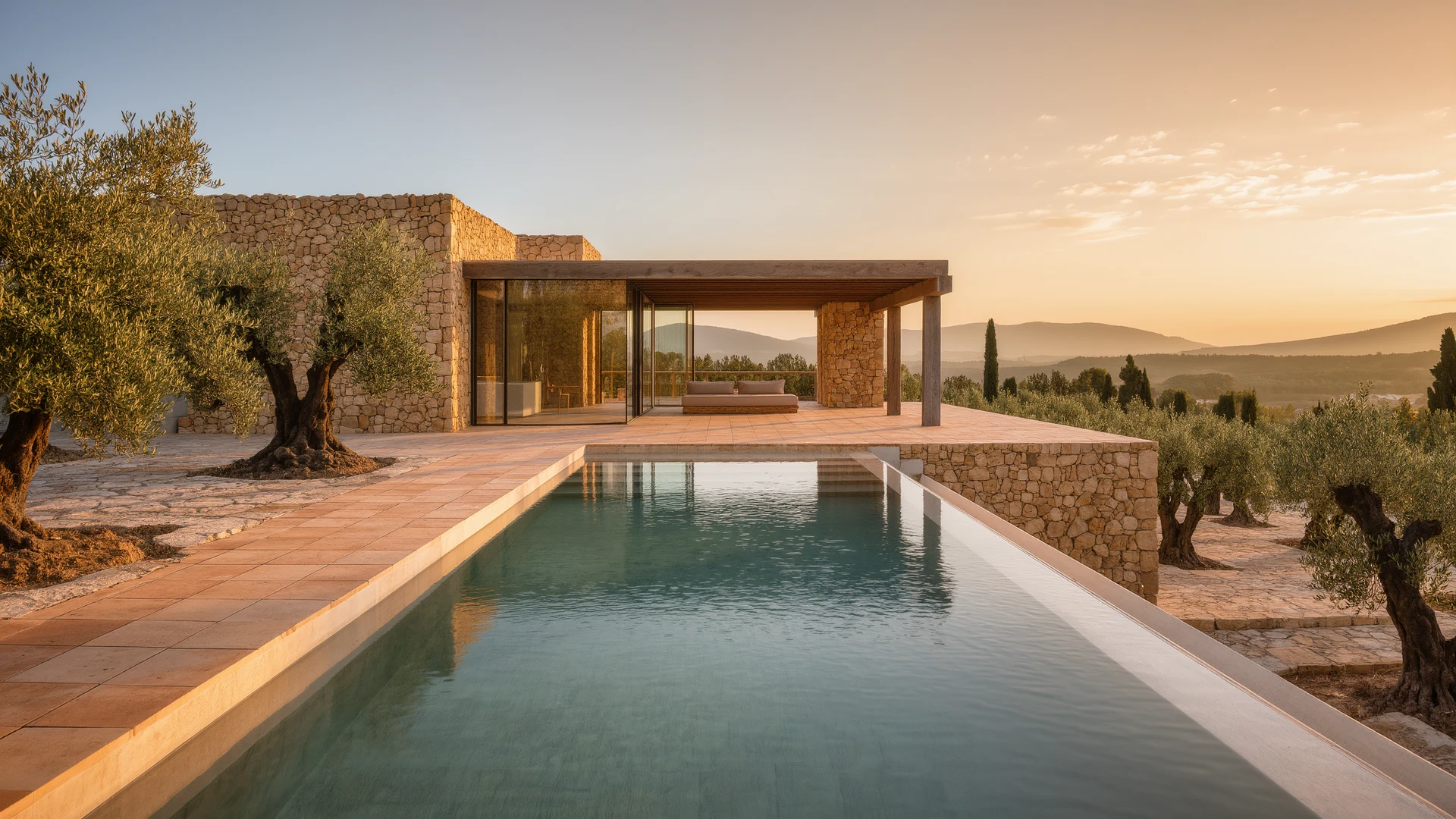
Luxury Finca in Mallorca: Prices, Costs, Water Rights
Luxury finca guide for Mallorca: prime locations, prices from 1.5M to 25M euros, restoration costs, water rights and what drives its valuation.
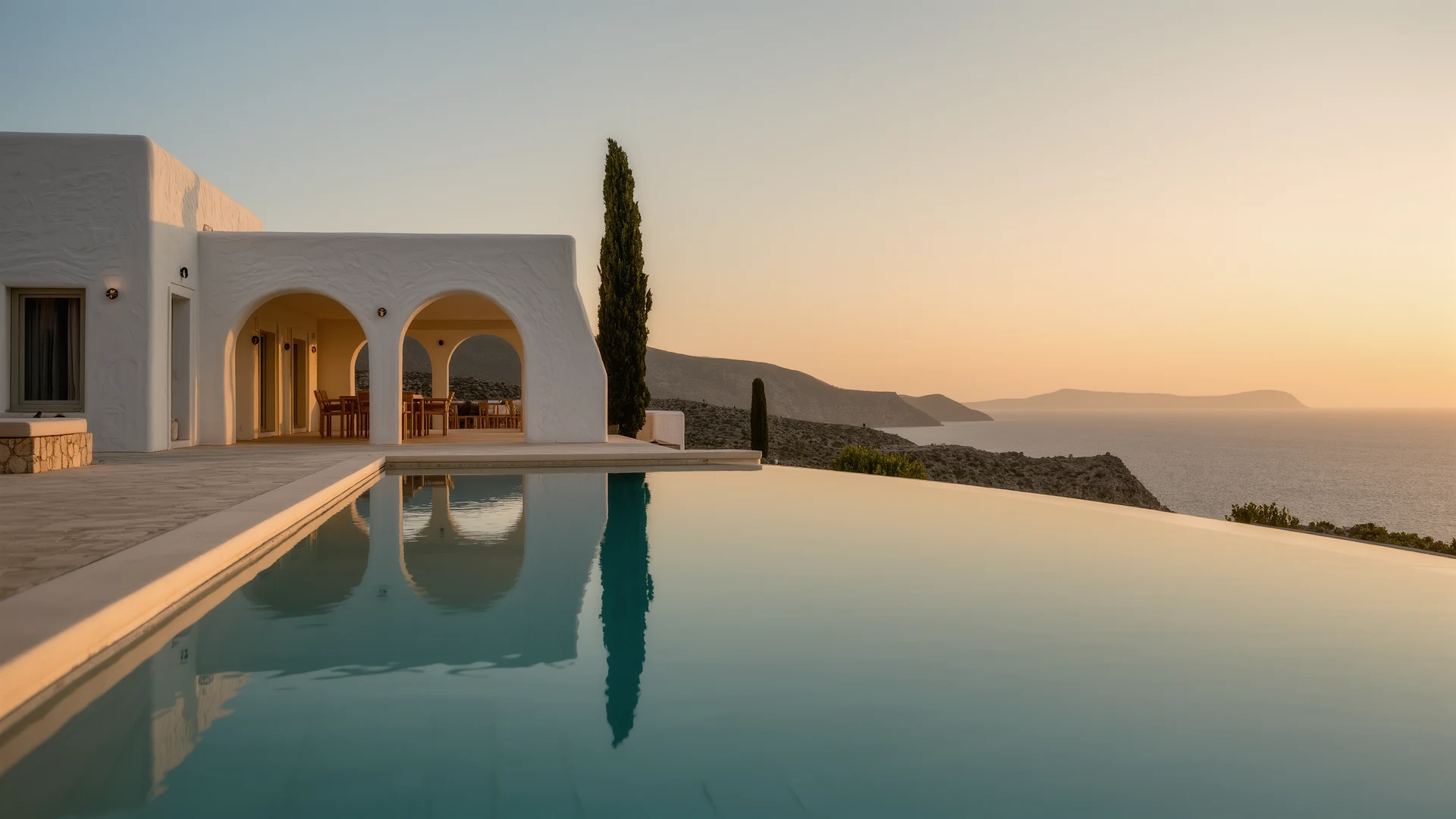
Mediterranean Villa Buying Guide: Prices, Yields, Taxes
Mediterranean villa buying guide 2026: prices, rental yields and taxes in Spain, France, Italy, Greece, Croatia and Montenegro, plus renovation rules.

Mallorca Luxury Real Estate Guide: Areas, Taxes, Prices
Mallorca luxury real estate guide: top areas like Portals Nous and Andratx, prices from 2 to 45 million euros, taxes, the Golden Visa and yields.