Marbella · 36.51°N 4.89°W · File 1292
Family-Friendly Neighborhoods: Where Families Find Their Dream Home
A family-friendly neighborhood is often characterized by its ability to cater to the diverse needs of families, providing an environment that fosters growth, safety, and community.…
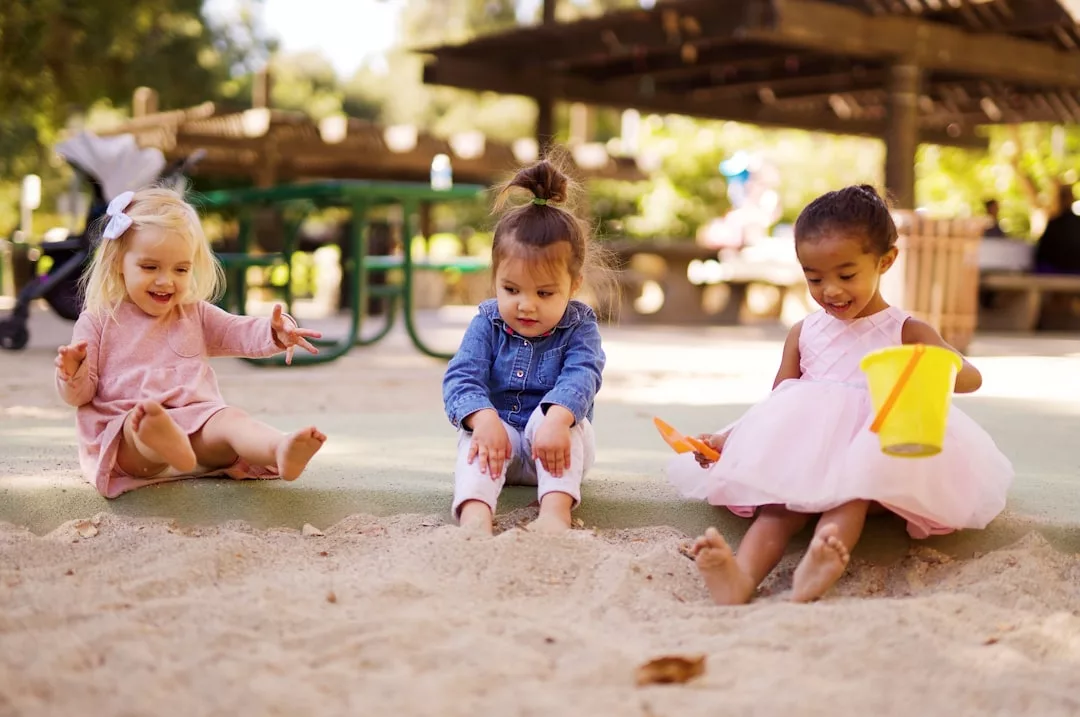
A family-friendly neighborhood is often characterized by its ability to cater to the diverse needs of families, providing an environment that fosters growth, safety, and community. At the heart of such neighborhoods is a strong sense of security, where parents feel comfortable allowing their children to play outside or walk to school. This sense of safety is not merely about low crime rates; it also encompasses the presence of well-lit streets, friendly neighbors, and a community that looks out for one another.
The overall atmosphere is welcoming, encouraging families to engage with one another and build lasting relationships. Moreover, family-friendly neighborhoods typically offer a variety of amenities that cater to families with children of all ages. Parks, playgrounds, and recreational facilities are essential components, providing spaces for children to play and for families to bond.
Access to quality schools and educational resources is another critical factor, as parents prioritize their children’s education and development. In essence, a family-friendly neighborhood is one that nurtures both the physical and emotional well-being of its residents, creating a supportive environment where families can thrive.
Key Takeaways
- Proximity to good schools, parks, and community centers makes a neighborhood family-friendly
- Safe streets, low crime rates, and well-maintained sidewalks are important features to look for
- Living in a family-friendly neighborhood can lead to a strong support system and sense of belonging
- Research local amenities, crime rates, and school ratings to find the perfect neighborhood for your family
- Family-friendly neighborhoods in the United States include Park Slope in Brooklyn and Newton, Massachusetts
Top Features to Look for in a Family-Friendly Neighborhood
When searching for a family-friendly neighborhood, several key features should be prioritized to ensure that it meets the needs of your family. First and foremost, safety is paramount. Look for neighborhoods with low crime rates and a visible police presence. The presence of community watch programs or neighborhood associations can also enhance safety and foster a sense of belonging. Another essential feature is access to quality educational institutions.
Research local schools and their ratings, as well as the availability of extracurricular activities that can enrich your child’s learning experience. Proximity to parks and recreational facilities is equally important; these spaces not only provide opportunities for physical activity but also serve as gathering spots for families. Finally, consider the overall community vibe, friendly neighbors who engage in social activities can create a supportive network that enhances the family experience.
Benefits of Living in a Family-Friendly Neighborhood
Living in a family-friendly neighborhood offers numerous advantages that can significantly enhance the quality of life for families. One of the most notable benefits is the sense of community that often flourishes in these areas. Families are more likely to connect with one another through shared experiences, such as school events, neighborhood gatherings, and recreational activities.
This sense of belonging can lead to lasting friendships for both parents and children, creating a support system that enriches daily life. Additionally, family-friendly neighborhoods often provide access to resources that promote healthy lifestyles. With parks, playgrounds, and sports facilities nearby, families are encouraged to engage in outdoor activities together.
This not only fosters physical health but also strengthens family bonds through shared experiences. Furthermore, living in such neighborhoods can positively impact children’s social development; they learn valuable skills such as cooperation, empathy, and communication through interactions with peers in a safe environment.
How to Find the Perfect Family-Friendly Neighborhood for Your Family
Finding the ideal family-friendly neighborhood requires careful consideration and research. Start by identifying your family’s specific needs and priorities. Consider factors such as proximity to work, schools, and essential services like grocery stores and healthcare facilities.
Online resources can be invaluable in this process; websites that provide neighborhood ratings based on safety, school quality, and amenities can help narrow down your options. Once you have a shortlist of potential neighborhoods, take the time to visit them in person. Walk around the area at different times of day to get a feel for the community atmosphere.
Pay attention to the presence of families and children engaged in activities; this can be a good indicator of how family-oriented the neighborhood truly is. Additionally, speaking with current residents can provide insights into the community dynamics and any potential challenges you may face.
Examples of Family-Friendly Neighborhoods in the United States
Across the United States, numerous neighborhoods are recognized for their family-friendly attributes. One standout example is The Woodlands in Texas, known for its extensive parks, top-rated schools, and vibrant community events. Families here enjoy a suburban lifestyle with easy access to urban amenities, making it an attractive option for those seeking a balanced lifestyle.
Another exemplary neighborhood is Westfield in New Jersey, which boasts excellent public schools and a strong sense of community. The town hosts various family-oriented events throughout the year, fostering connections among residents. Similarly, Naperville in Illinois has consistently ranked as one of the best places to raise a family due to its highly-rated schools, abundant recreational opportunities, and safe environment.
Tips for Moving to a Family-Friendly Neighborhood
Transitioning to a new family-friendly neighborhood can be both exciting and daunting. To ease the process, start by involving your children in discussions about the move; this can help them feel more connected to their new environment.
Once you’ve moved in, take advantage of local resources to help your family acclimate. Attend community events or join local clubs that align with your family’s interests; this will not only help you meet new people but also allow your children to make friends quickly. Additionally, exploring nearby parks and recreational facilities can provide opportunities for family bonding while familiarizing everyone with the area.
Challenges of Living in a Family-Friendly Neighborhood
While there are many benefits to living in a family-friendly neighborhood, there are also challenges that families may encounter. One common issue is the potential for noise and activity levels to increase during peak hours when children are playing outside or participating in organized sports. This can be particularly challenging for families with younger children who may have early bedtimes or those who prefer quieter environments.
Another challenge may arise from differing parenting styles among neighbors. While many families appreciate a close-knit community where everyone looks out for one another, differing opinions on child-rearing practices can lead to tension or misunderstandings. Open communication is essential in navigating these differences; fostering respectful dialogue can help maintain harmony within the neighborhood.
Creating a Sense of Community in a Family-Friendly Neighborhood
Building a strong sense of community within a family-friendly neighborhood requires intentional effort from residents. One effective way to foster connections is by organizing regular social events such as block parties, potlucks, or seasonal celebrations. These gatherings provide opportunities for families to meet one another in a relaxed setting while sharing food and fun activities.
Additionally, establishing neighborhood groups focused on common interests, such as parenting support or recreational activities, can further strengthen bonds among residents. Encouraging participation in local volunteer initiatives or community service projects can also create a shared sense of purpose and pride within the neighborhood. Ultimately, cultivating relationships among neighbors not only enhances individual experiences but also contributes to a vibrant and supportive community atmosphere where families can thrive together.
◦ Off-market questions
What features make a neighbourhood genuinely family-friendly?
Safety comes first: low crime, well-lit streets and layouts such as cul-de-sacs that limit through traffic. Beyond that, look for quality schools with extracurricular options, nearby parks and playgrounds, and a friendly community feel. Neighbourhood watch schemes and active residents' associations add a further sense of security and belonging.
How can I assess a neighbourhood before committing?
Start by listing your family's priorities, then use online tools that rate areas on safety, schools and amenities to shortlist options. Visit each in person at different times of day, noting whether families and children are out and about. Speaking with current residents reveals community dynamics and any challenges you might face.
Are there any downsides to family-friendly neighbourhoods?
A few. Activity and noise can rise at peak times when children play outside or join organised sports, which may not suit those wanting quieter surroundings or early bedtimes. Differing parenting styles among neighbours can also cause occasional tension. Open, respectful communication usually keeps a close-knit community running harmoniously.
Same market
More from Marbella

Marbella · 15 min
Marbella Property Market 2026
Marbella property market 2026: €7.2bn in 2025 sales, prices up 5.8%, plus Golden Mile, La Zagaleta and Puerto Banus prices, buyer profiles and tax gui…

Marbella · 7 min
Why Marbella is a Hotspot for Property Investors
Nestled along the sun-kissed shores of the Costa del Sol in southern Spain, Marbella is a jewel of the Mediterranean that has captivated visitors for …

Marbella · 6 min
Wellness Properties in Marbella: Where Health and Luxury Meet
Nestled along the sun-kissed shores of the Costa del Sol, Marbella has long been celebrated as a luxurious retreat for the elite. This picturesque tow…