Fincas in Mallorca: Tradition Meets Modern Comfort
Fincas on Mallorca join rural heritage with modern comfort: their history, careful renovation, sustainable practice, event use and what owning one involves.
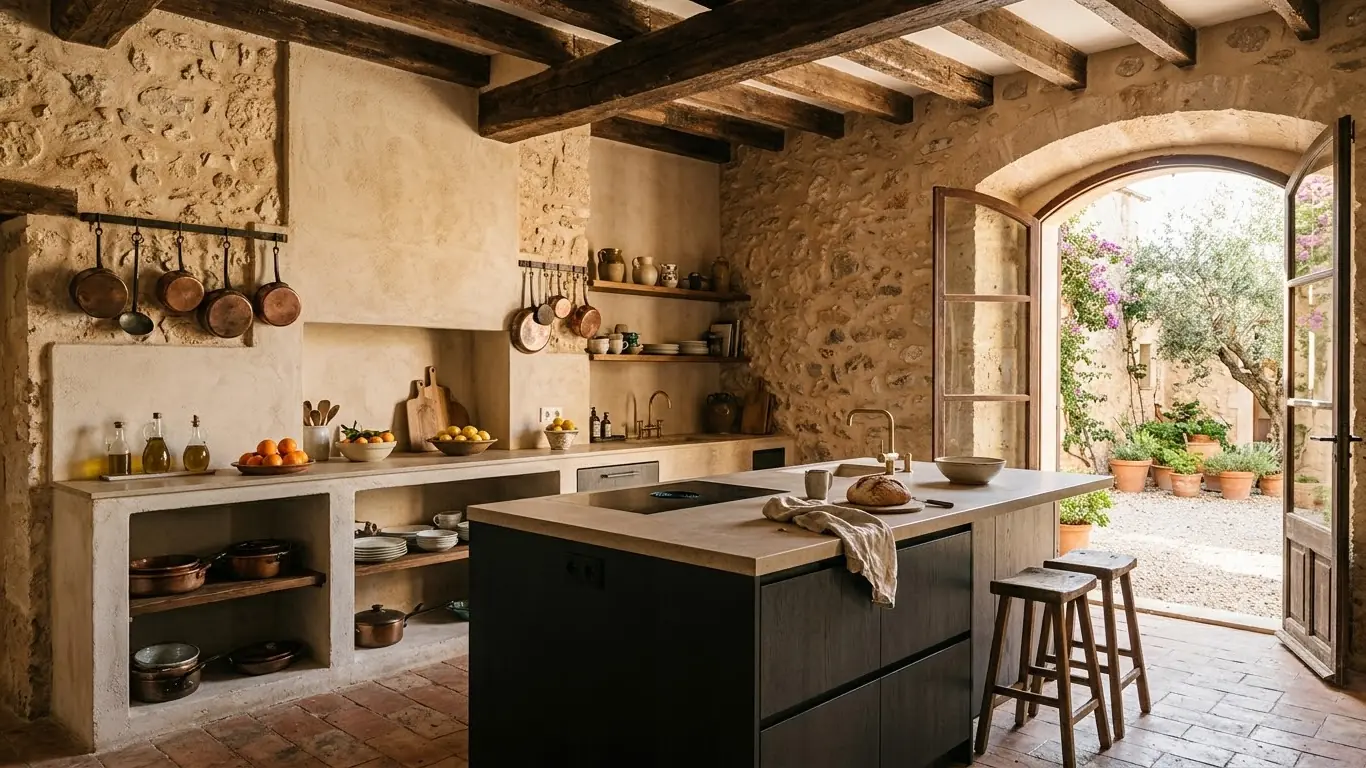

The finca is the traditional rural estate of Mallorca, recognizable by stone walls, terracotta roofs and sprawling gardens, and a living record of the island’s agricultural past. This article traces its tradition, its modern adaptations, renovation, sustainable practice, use as an event venue and what owning one involves.
Fincas are more than homes: they reflect Mallorca’s agricultural roots and its care for cultural identity. Set among olive groves, vineyards and rolling hills, they connect residents and visitors with the natural environment and offer a serene alternative to the pace of modern life.
Demand has grown as more people seek refuge in nature, among permanent residents and vacationers alike, which makes the finca a sought-after choice.
Key Takeaways
- Fincas are traditional rural properties of Mallorca with a rich history and cultural significance.
- The tradition dates back centuries and reflects the agricultural and rural lifestyle of the island.
- Modern fincas join traditional charm with contemporary comfort, which appeals to residents and tourists.
- Renovation preserves original features while adding contemporary amenities.
- Tourists value fincas for authenticity, tranquility and closeness to nature.
The Tradition of Fincas
Fincas have deep roots in Mallorca’s agricultural history, reaching back centuries to when they served as working farms. Built to house farmers and their families, they were functional and self-sufficient, and their architecture reflects cultural influences, with arched doorways and intricate tile work borrowed from Moorish design.
The structures have evolved yet keep their rustic charm: exposed wooden beams, stone fireplaces and traditional courtyards. A finca embodies a way of life tied to the land, and many are surrounded by farmland where olives, almonds and grapes are cultivated.
Local festivals and markets celebrate this agricultural heritage and showcase the island’s produce. Many owners take pride in maintaining their properties in harmony with nature. The tradition preserves the island’s history and fosters community among those who live and work in these rural areas.
Modern Comforts in Fincas
Many fincas have been updated without sacrificing their historical essence. Gourmet kitchens, luxurious bathrooms and spacious living areas now meet the needs of modern families, and the challenge lies in balancing the finca’s original character with the conveniences homeowners expect today.
Innovative design improves livability. Large windows and open-plan layouts let natural light flood the interiors and frame views of the surrounding landscape, while outdoor spaces become areas for relaxation and entertaining, complete with swimming pools, terraces and landscaped gardens. This blend of old and new appeals to residents and visitors seeking a taste of authentic Mallorcan life.
Renovating Fincas for Modern Living
Renovating a finca breathes new life into a historic structure. Owners modernize while respecting the original architecture, which calls for careful planning and collaboration with local architects who understand the nuances of traditional Mallorcan design.
The goal is to enhance functionality while preserving the finca’s character. Sustainable practice shapes these renovations, with eco-friendly materials and energy-efficient systems that minimize environmental impact.
Solar panels, rainwater harvesting systems and natural insulation materials are increasingly popular. By combining modern technology with traditional craftsmanship, renovated fincas can serve as models for sustainable living in Mallorca while keeping their historical significance.
The Appeal of Fincas for Tourists
Tourists seeking an authentic experience in Mallorca increasingly choose fincas.
Many travelers value the tranquility of these rural estates as a respite from crowded beaches and bustling towns.
Guests can explore nearby hiking trails or take part in local agricultural practices such as olive oil production or wine tasting. Contact with local farmers and artisans enriches the stay, and many fincas add personalized services such as private chefs or guided tours.
This blend of relaxation and cultural immersion suits those who want to explore Mallorca beyond its tourist hotspots.
Sustainable Practices in Fincas
As awareness of environmental issues grows, many owners adopt sustainable practices that align with their commitment to preserving Mallorca’s natural beauty. Sustainable agriculture leads this movement, with organic farming methods that prioritize biodiversity and soil health. Cultivating crops without synthetic pesticides or fertilizers contributes to a healthier ecosystem and yields high-quality local products.
Water conservation is another aspect of sustainability in fincas.
Conserving water reduces reliance on municipal water sources and helps maintain the lush landscapes around these properties.
Some fincas have embraced permaculture principles, creating self-sustaining ecosystems that bring agriculture and nature into harmony. Owners increasingly recognize the importance of protecting Mallorca’s environment for future generations.
Fincas as Wedding and Event Venues
The ambiance of fincas suits weddings and special events. Traditional architecture and natural beauty create an atmosphere both intimate and memorable, with landscapes as a picturesque backdrop for celebrations.
Many fincas offer comprehensive event services, including catering, decoration and accommodation for guests, which spares couples from coordinating multiple vendors. Outdoor spaces allow hosts to shape the event, whether an elegant garden ceremony or a lively reception under the stars.
As more couples seek venues that reflect their personalities, fincas have emerged as a popular choice.
Investing in Fincas on Mallorca
Demand for rural properties has increased as more people seek second homes or vacation rentals away from urban centers, and property values have risen in certain areas. A finca offers ownership of a piece of Mallorca’s heritage, though returns are never assured.
A finca can also generate income beyond personal use. Many owners rent it out as a vacation home or event venue, drawing on Mallorca’s tourism market, and the outcome depends on proper management and marketing. Owners also contribute to the preservation of Mallorca’s cultural landscape.
As interest in sustainable tourism rises, a finca can align financial goals with environmental stewardship. Renovated with care, these properties embody Mallorca’s history and cultural identity while adapting to modern needs, offering living experiences that resonate with residents and visitors alike.
More from Mallorca
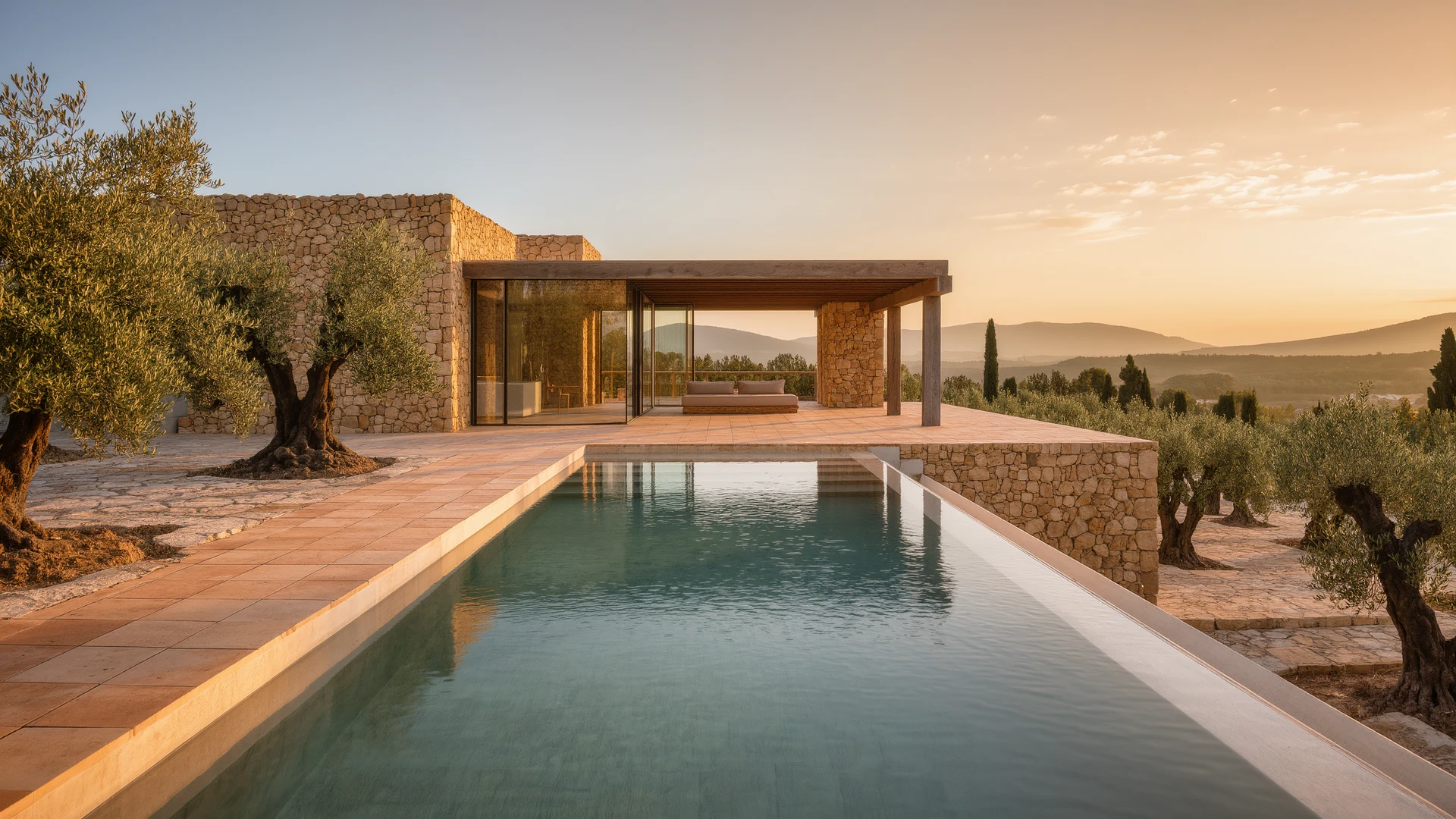
Luxury Finca in Mallorca: Prices, Costs, Water Rights
Luxury finca guide for Mallorca: prime locations, prices from 1.5M to 25M euros, restoration costs, water rights and what drives its valuation.
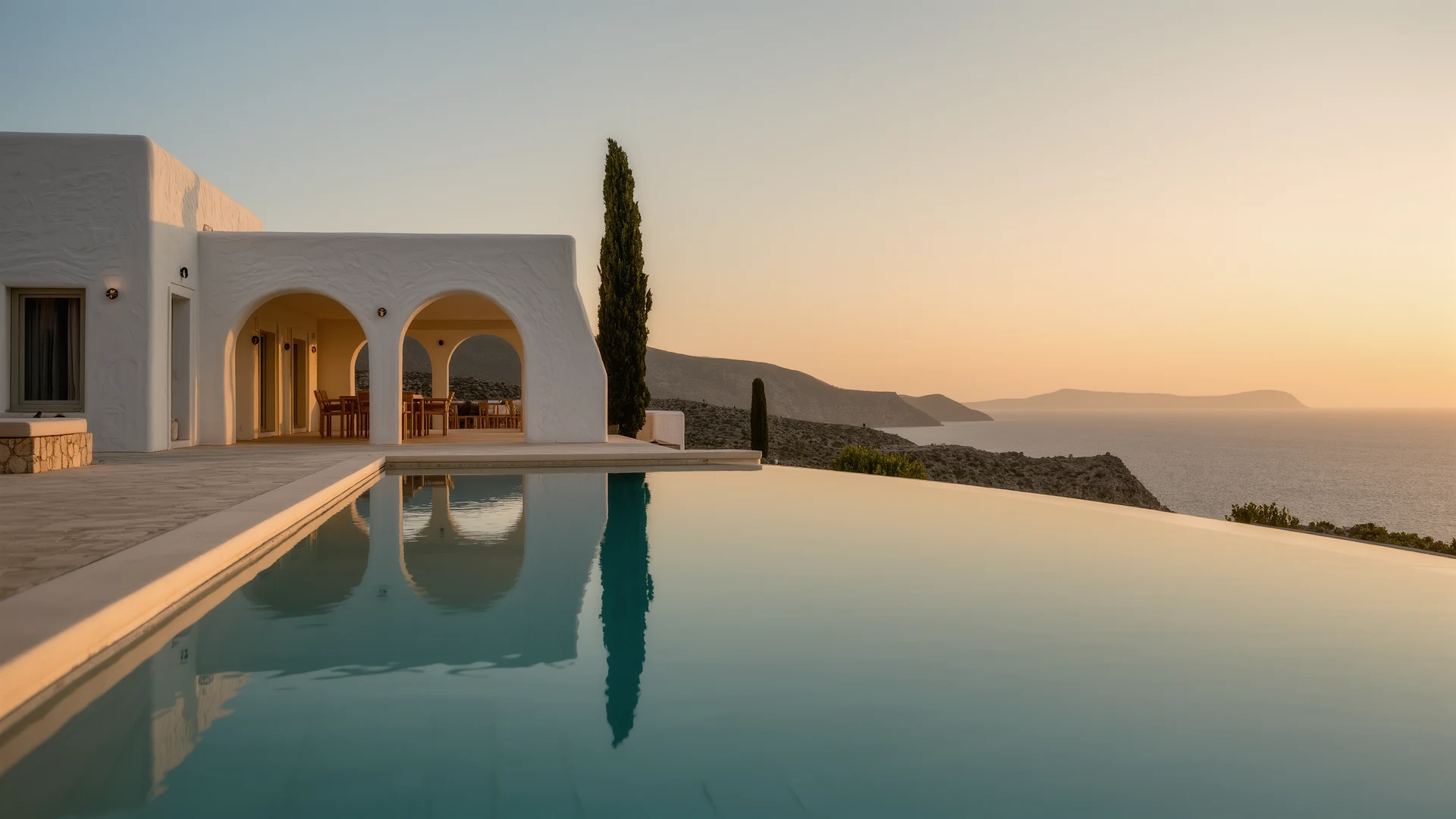
Mediterranean Villa Buying Guide: Prices, Yields, Taxes
Mediterranean villa buying guide 2026: prices, rental yields and taxes in Spain, France, Italy, Greece, Croatia and Montenegro, plus renovation rules.

Mallorca Luxury Real Estate Guide: Areas, Taxes, Prices
Mallorca luxury real estate guide: top areas like Portals Nous and Andratx, prices from 2 to 45 million euros, taxes, the Golden Visa and yields.