Mallorca Real Estate Market: Outlook for the Years Ahead
The Mallorca property market ahead: price trends, tourism and rental rules, sustainability, technology, demand projections and risks for investors.
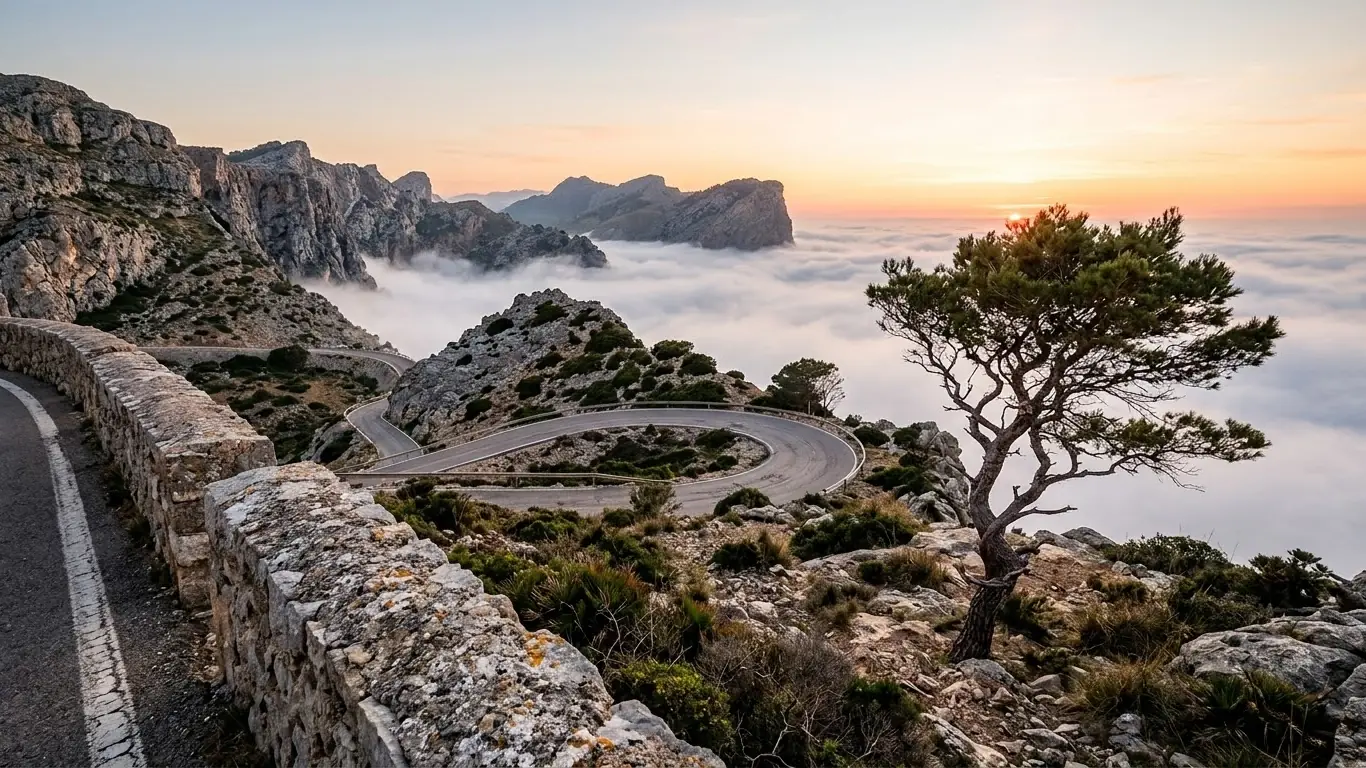

Mallorca, the largest island of the Balearic archipelago, draws tourists and property investors with its landscapes, cultural heritage and temperate Mediterranean climate. The real estate market has evolved over the years under the influence of economic conditions, tourism trends and changing buyer preferences.
Understanding the nuances of this market matters for potential investors and homeowners alike. The property market is diverse, from villas perched on cliffs above the sea to apartments in historic towns.
The sector has seen a resurgence in recent years, driven by domestic and international demand. This article examines current trends, challenges and opportunities in Mallorca’s real estate market.
Key Takeaways
- Mallorca’s market is growing and attracts investors with its landscapes and strong tourism industry.
- Current trends show rising demand for luxury properties and higher property prices.
- Tourism shapes real estate significantly, with high demand for vacation rentals and a need for sustainable development.
- Sustainability gains importance in development, with a focus on eco-friendly construction and energy efficiency.
- Technology such as virtual reality and digital platforms helps showcase properties and attract buyers.
Current Trends and Market Analysis
Mallorca’s real estate market has seen a notable upswing in recent years, with property prices rising steadily across the island. According to the Balearic Institute of Statistics, prices rose by approximately 7% in 2022 alone, reflecting growing demand for residential properties. The trend is particularly evident in Palma, the island’s capital, and in coastal towns like Alcúdia and Pollensa.
Foreign buyers, particularly from Germany, the UK and Scandinavia, have contributed significantly to this price growth. The types of properties in demand have shifted as well: traditional Mediterranean-style homes remain popular, while interest grows in modern, eco-friendly designs with sustainable materials and energy-efficient technologies.
Buyers increasingly prioritize outdoor spaces such as gardens or terraces, as well as proximity to amenities and natural attractions. The shift reflects broader lifestyle changes influenced by the pandemic, when many people sought comfort and a connection to nature at home.
Impact of Tourism on Real Estate in Mallorca
Tourism shapes Mallorca’s real estate market. The island attracts millions of visitors each year with its natural beauty, cultural offerings and recreational activities.
Demand for vacation rentals has driven up property prices in popular tourist areas, which appeals to investors looking to diversify. Reliance on tourism also brings challenges: the pandemic exposed the vulnerabilities of a tourism-dependent economy and led to fluctuations in rental income and property values.
In response, local authorities have introduced regulations on short-term rentals to ensure sustainable tourism practices, including licensing requirements and restrictions on the number of rental properties in certain areas. Investors therefore navigate a complex regulatory landscape and weigh the long-term viability of their investments.
Sustainability and Green Initiatives in Real Estate Development
Sustainability has become a key focus of real estate development in Mallorca. Developers incorporate green initiatives because eco-friendly properties appeal to environmentally conscious buyers and support the island’s long-term sustainability goals. A growing number of energy-efficient homes feature solar panels, rainwater harvesting systems and sustainable building materials.
Eco-villas in areas like Santa Ponsa and Andratx are one example, with builders prioritizing low-impact construction methods and renewable energy sources. Their modern designs blend with the natural landscape while minimizing the carbon footprint, and local governments incentivize sustainable practices through grants and tax breaks for developers who adhere to green building standards.
Technology and Innovation in the Real Estate Sector
Technology is transforming how properties in Mallorca are bought, sold and managed. Virtual reality (VR) tours and augmented reality (AR) applications let potential buyers explore properties remotely without visiting in person, which proved particularly beneficial when pandemic travel restrictions were in place.
Data analytics help professionals make more informed decisions about pricing strategies and market trends, and big data allows agents to analyze buyer behavior and tailor their marketing. Blockchain technology is beginning to appear in property transactions as a secure and transparent method of transferring ownership.
These technologies will likely continue to reshape the market.
Projections for Property Prices and Demand
Projections for property prices point to continued demand despite economic uncertainties, though no outcome is certain. Analysts expect demand to keep outpacing supply in key areas of the island, particularly as remote work becomes more prevalent and people seek second homes in desirable locations. Limited land for new developments adds upward pressure on prices.
As international travel resumes after the pandemic, the tourism sector is expected to rebound, which will likely drive demand for residential properties and vacation rentals. Areas that have historically been undervalued may see increased interest from buyers seeking more affordable options without sacrificing quality or location.
Challenges and Opportunities for Real Estate Investors
Mallorca’s market presents opportunities, but not without challenges. One significant hurdle is the complex regulatory environment surrounding property ownership and rental practices: investors must stay informed about local laws on short-term rentals and zoning to avoid fines or legal issues. Fluctuations in currency exchange rates can also affect foreign buyers’ purchasing power and deserve consideration before entering the market. Opportunities exist for those who adapt to changing conditions, and growing demand for sustainable properties offers developers who prioritize eco-friendly designs a chance to stand out.
As remote work continues to influence buyer preferences, less traditional areas of the island that offer attractive lifestyles without the premium price tags of more popular locations may grow.
More from Mallorca
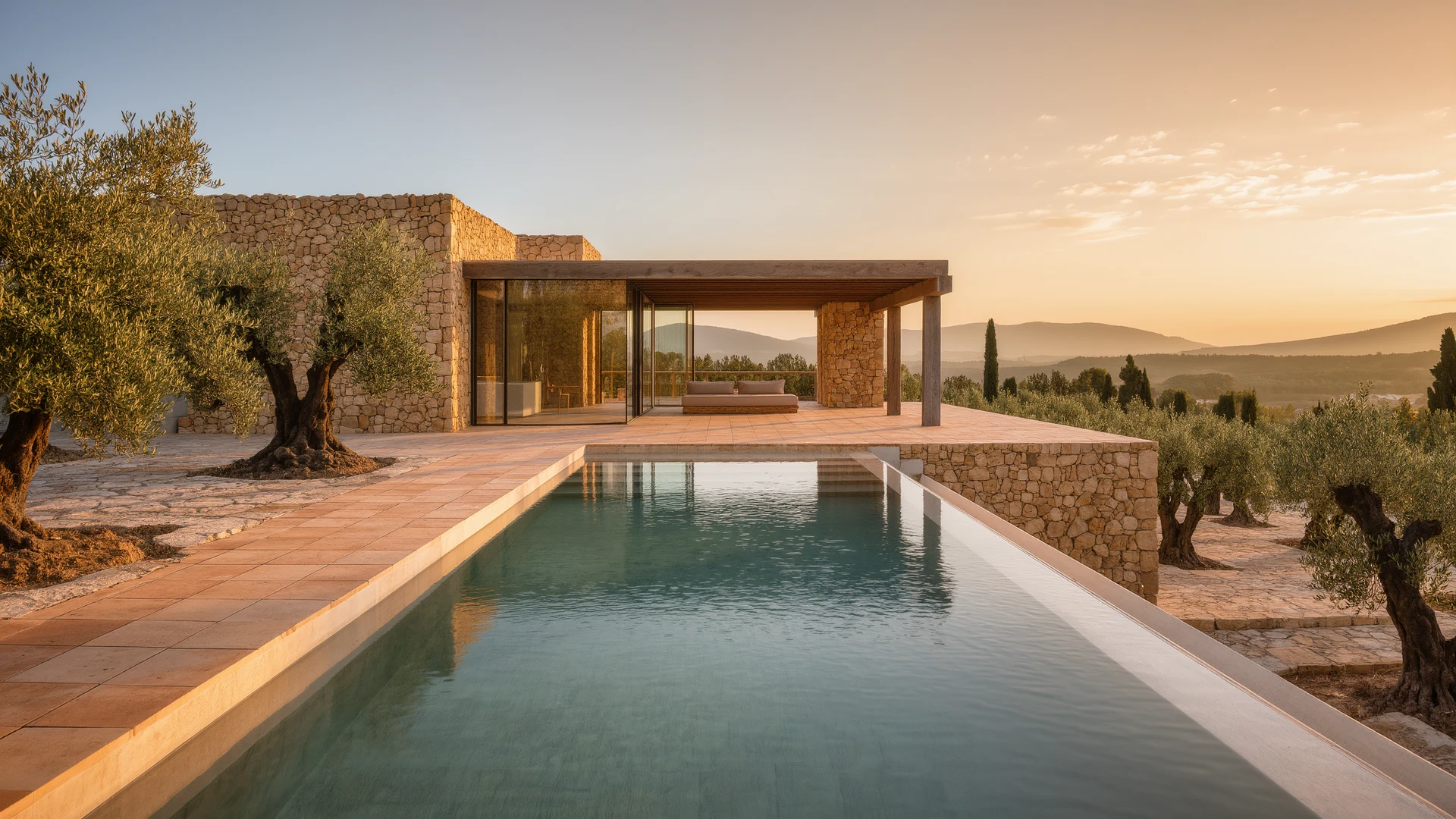
Luxury Finca in Mallorca: Prices, Costs, Water Rights
Luxury finca guide for Mallorca: prime locations, prices from 1.5M to 25M euros, restoration costs, water rights and what drives its valuation.
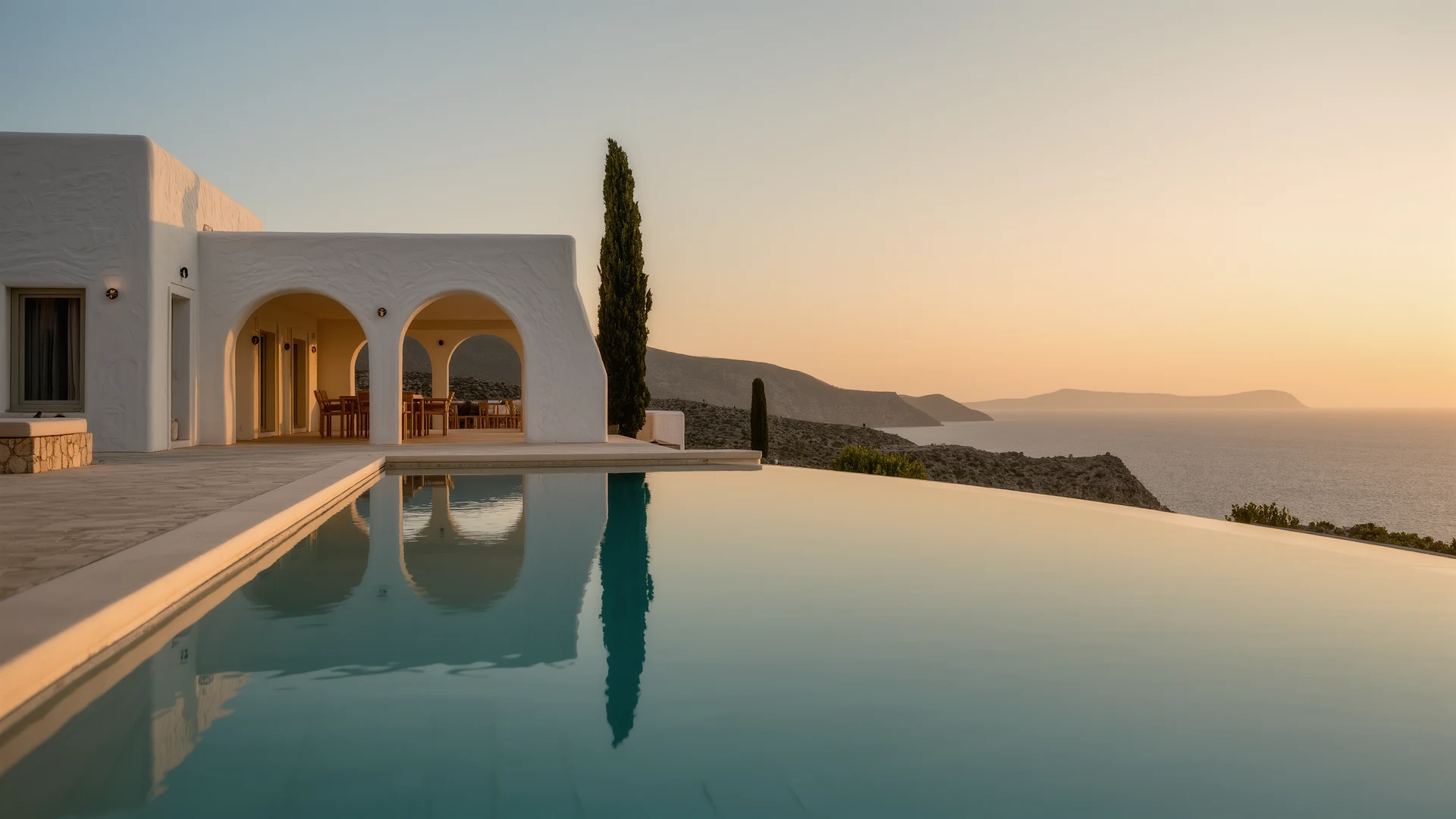
Mediterranean Villa Buying Guide: Prices, Yields, Taxes
Mediterranean villa buying guide 2026: prices, rental yields and taxes in Spain, France, Italy, Greece, Croatia and Montenegro, plus renovation rules.

Mallorca Luxury Real Estate Guide: Areas, Taxes, Prices
Mallorca luxury real estate guide: top areas like Portals Nous and Andratx, prices from 2 to 45 million euros, taxes, the Golden Visa and yields.