Cala Viñas Property: A Guide to Buying
A guide to buying property in Cala Viñas on Mallorca: property types, budget and financing, legal steps, amenities, management and investment considerations.
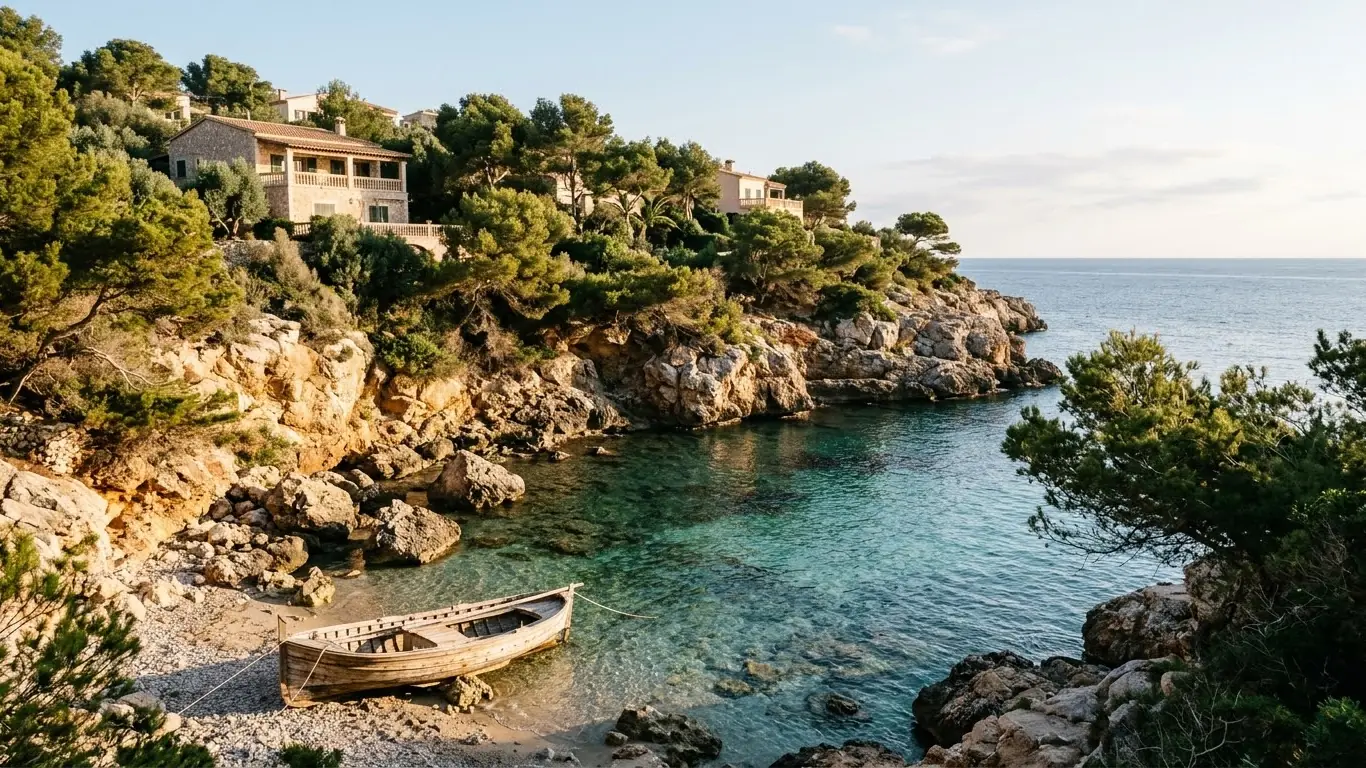

This guide to buying property in Cala Viñas starts with the island around it. Mallorca, the largest of the Balearic Islands, lies off the eastern coast of Spain and combines beaches, villages and mountains. The guide then covers property types, budget, financing, legal steps, amenities, management and investment.
Palma, the capital, combines modern amenities with historical charm: a cathedral, lively markets and an active nightlife. Beyond the capital lie towns such as Sóller, known for its vintage tram and orange groves, and Valldemossa, known for its cobblestone streets and the historic Carthusian Monastery.
A mild Mediterranean climate with warm summers and mild winters suits year-round living as well as holidays. The island also offers easy access to other Mediterranean destinations, which supports its standing as a real estate market.
Key Takeaways
- Mallorca offers a mild climate, varied landscapes and easy access to other Mediterranean destinations.
- Property types range from villas and apartments to traditional fincas and new developments.
- Budgets vary with location, property type and amenities, and many buyers finance through mortgages from local or international lenders.
- Foreign buyers can generally purchase freely, but an NIE, due diligence by a specialized lawyer and taxes such as the Property Transfer Tax need attention.
- Amenities include golf courses, spas, wellness centers, schools and a varied culinary scene.
- Property management covers tenant management, rental marketing, maintenance and cleaning, which helps owners who live elsewhere.
- Rental demand is steady in peak seasons, but neither income nor appreciation is guaranteed.
- Research the island’s regions, work with a local agent and a lawyer, and prepare documents such as proof of identity and financial statements.
Property Types: From Villas to Fincas
Buyers can choose from a wide range of property types for different tastes and budgets: villas above the sea, apartments in the center of villages, and coastal properties with sea views and direct beach access, which are particularly sought after.
Many homes combine modern amenities with spacious outdoor areas for the sunny climate. Traditional fincas, rustic country homes with expansive land and agricultural potential, suit buyers who want a rural lifestyle within reach of urban conveniences.
New developments across the island cater to contemporary tastes. From a modern penthouse in Palma to a traditional stone house in the countryside, the market covers a wide range.
Budget and Financing
The cost of real estate varies with location, property type and amenities. Some areas offer more affordable options, while prime locations such as Palma or coastal hotspots tend to command higher prices.
A clear budget should cover the purchase price and additional costs such as taxes, legal fees and maintenance expenses. Many buyers finance through mortgages from local banks or international lenders.
Spanish banks also lend to non-residents, with terms that differ from lender to lender, and some developers offer payment plans for new builds. Financial advisors or mortgage brokers who specialize in Spanish real estate can help identify the solution that fits.
Legal Steps and Taxes
Foreign buyers are generally permitted to purchase property in Spain without restrictions, but the legal framework still deserves careful attention. One of the first steps is the Número de Identificación de Extranjero (NIE), which is needed for any financial transaction in Spain, including a property purchase.
A lawyer who specializes in Spanish real estate law can carry out due diligence and check that the property has clear title and is free from encumbrances or legal disputes. Buyers should also plan for taxes and fees such as the Property Transfer Tax (ITP) and notary fees. Knowing these obligations helps avoid pitfalls and ensures compliance with local regulations.
Amenities and Facilities
Owning property on Mallorca comes with a wide range of amenities. The island has numerous golf courses, spas and wellness centers for an active lifestyle, and families find international and local schools offering education for children of all ages.
The culinary scene ranges from beachside chiringuitos with fresh seafood to Michelin-starred restaurants with innovative gastronomy, alongside traditional Spanish and international cuisine. Local markets offer artisanal products, and upscale boutiques can be found in Palma’s historic center.
Property Management and Maintenance
Professional Management
Many buyers of second homes or investment properties hire management services for day-to-day operations, especially if they do not live on the island year-round. The range covers tenant management, rental marketing, maintenance and cleaning.
Managing a Rental from Afar
Management takes much of the burden out of running a rental property from a distance. A reputable company keeps the property in good condition and addresses issues promptly, which protects the investment and improves the experience of guests or tenants.
Local Service Providers
Owners who live on Mallorca full-time benefit from reliable local providers for tasks such as gardening or pool upkeep.
Investment Potential and Its Limits
Mallorca’s real estate market has shown resilience over the years. The island’s popularity as a tourist destination supports steady demand for rental properties, particularly in peak seasons, and investors can rent out short-term or long-term. Returns depend on the property, the location and the rental rules, and neither income nor appreciation is guaranteed.
Interest in sustainable tourism has also led to more eco-friendly developments and properties that prioritize energy efficiency. These appeal to environmentally conscious buyers and suit a market that values sustainability.
Tips for a Smooth Buying Process
Thorough research on the different areas of the island comes first. Each region has its own character, and understanding these differences helps buyers decide where to invest.
Real estate agents and legal advisors familiar with the local market guide buyers through negotiations, paperwork and legal requirements. Having documents ready, such as proof of identity and financial statements, speeds up the process.
Open communication with sellers and legal representatives builds trust, avoids misunderstandings and keeps everyone aligned.
More from Mallorca
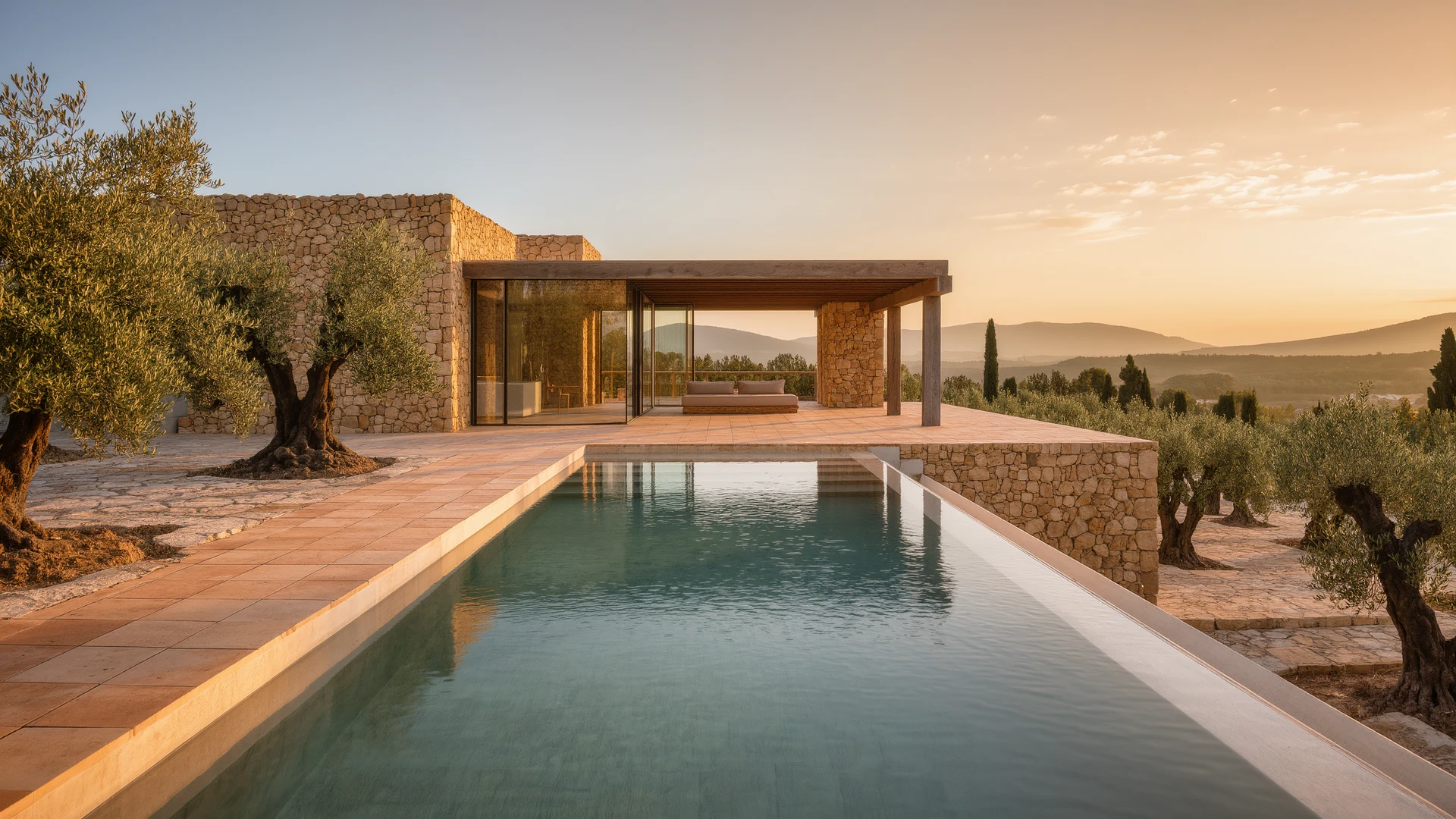
Luxury Finca in Mallorca: Prices, Costs, Water Rights
Luxury finca guide for Mallorca: prime locations, prices from 1.5M to 25M euros, restoration costs, water rights and what drives its valuation.
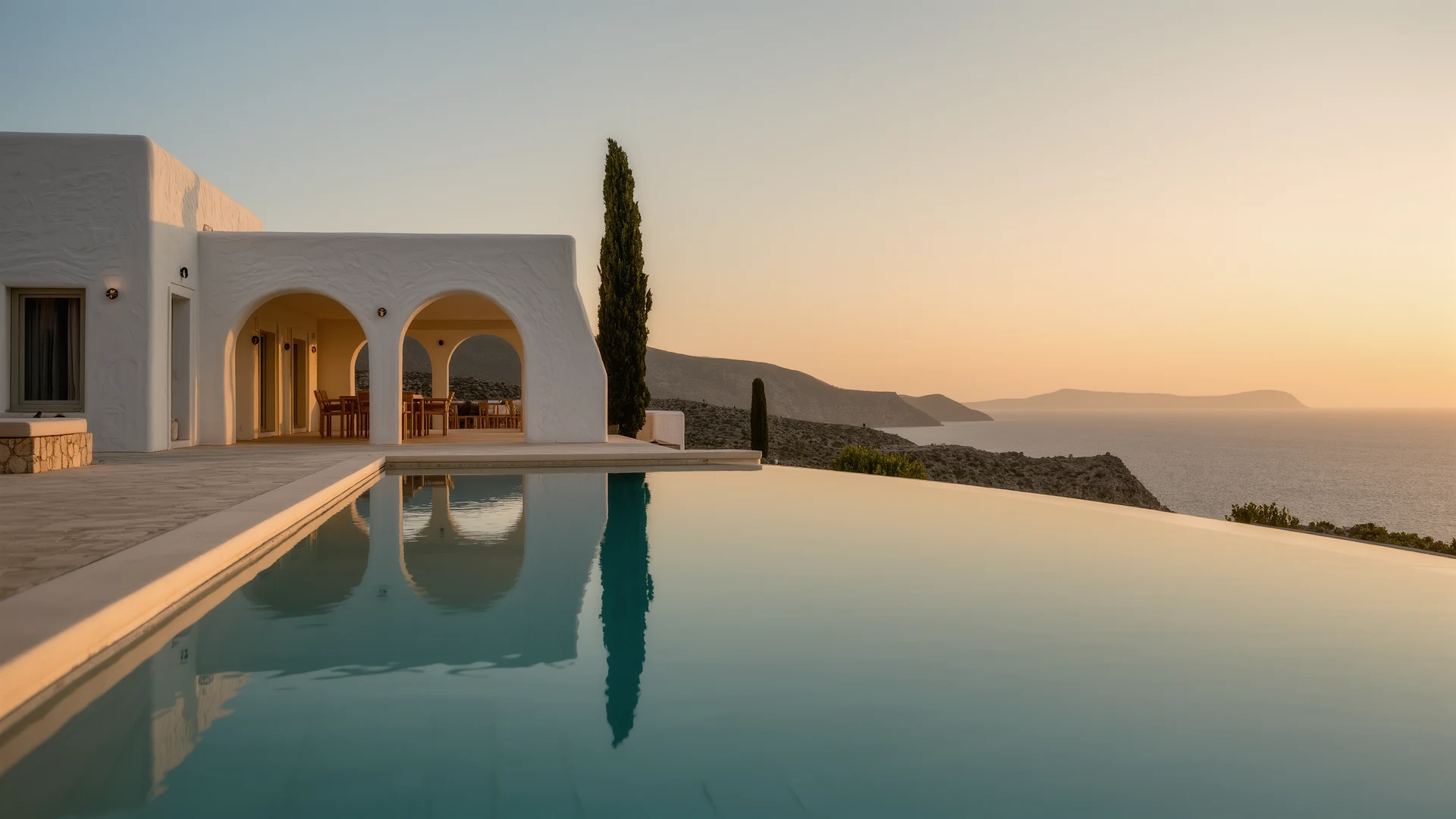
Mediterranean Villa Buying Guide: Prices, Yields, Taxes
Mediterranean villa buying guide 2026: prices, rental yields and taxes in Spain, France, Italy, Greece, Croatia and Montenegro, plus renovation rules.

Mallorca Luxury Real Estate Guide: Areas, Taxes, Prices
Mallorca luxury real estate guide: top areas like Portals Nous and Andratx, prices from 2 to 45 million euros, taxes, the Golden Visa and yields.