Heritage Properties in Marbella: Opportunities and Risks
Heritage properties in Marbella: why buyers value them, what condition, regulation and permits mean in practice, and how to weigh restoration and investment.
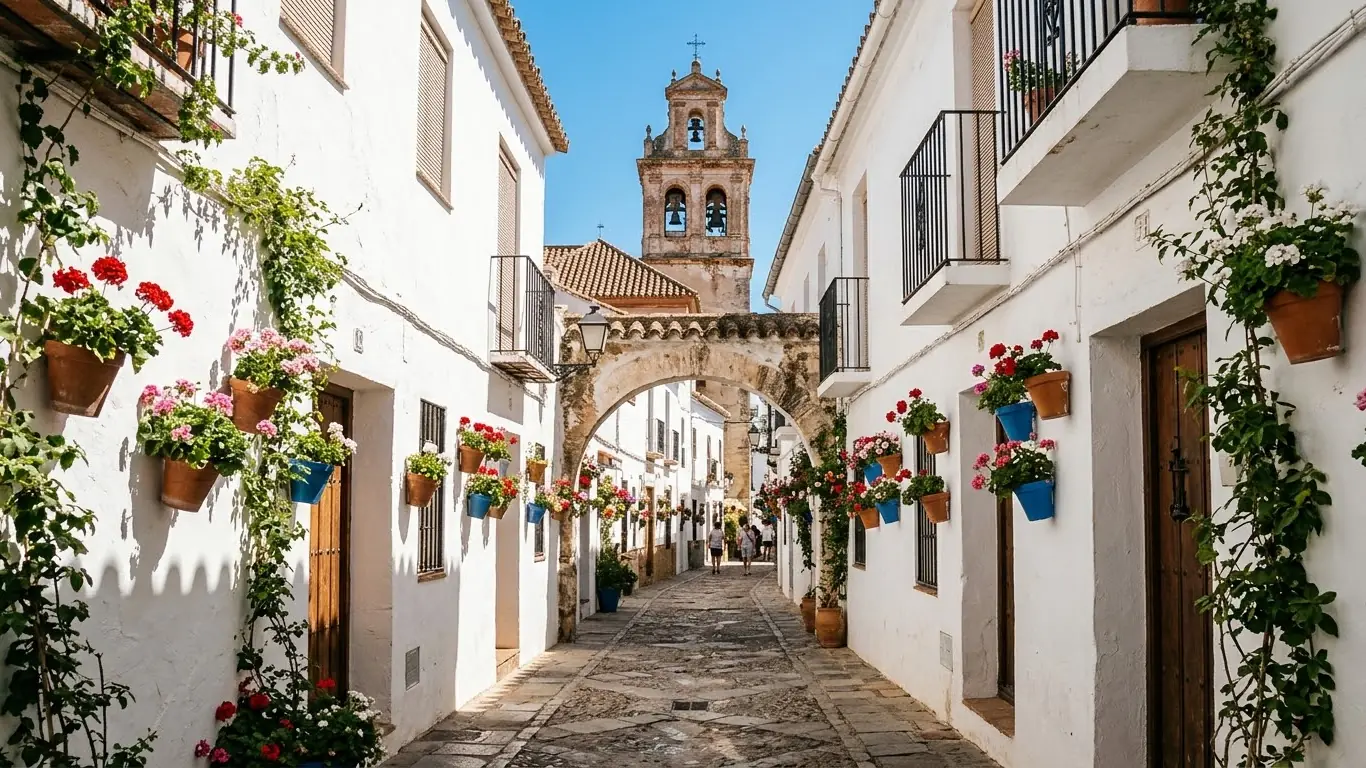

Heritage properties give Marbella a layer of history behind its beaches, nightlife and luxurious lifestyle. These buildings reflect the architectural styles and traditions that shaped the region over centuries. This article looks at what they offer buyers and what they demand in return.
They range from Andalusian villas with intricate tile work to grand estates that recall earlier eras, and they offer a glimpse into the area’s history.
As Marbella has grown into a cosmopolitan town, preserving its heritage has gained importance.
Heritage properties contribute to the cultural identity of Marbella and recall the architectural ingenuity of the region. For buyers, they offer the chance to own a piece of history while living with modern conveniences.
Key Takeaways
- Marbella’s heritage properties include historic homes, palaces and traditional Andalusian architecture.
- Buyers value their charm, historical significance and potential for restoration and renovation.
- Challenges include strict regulations, preservation requirements and structural issues that come with age.
- Legal tasks include zoning laws, renovation permits and compliance with heritage preservation rules.
- Restoration can preserve historical features while adding modern amenities, which may support the property’s value and appeal.
The Appeal of Heritage Properties for Buyers
For many buyers, a heritage home is more than a place to live: it offers a lifestyle rooted in culture and tradition. Ornate facades, traditional courtyards and historical significance create an ambiance that newer construction rarely reproduces.
Character and charm make such properties feel like homes rather than investments. In a region where luxury is commonplace, a home that reflects history and culture also sets its owner apart.
Stories and distinctive features add to the experience for guests and visitors. Many buyers also value the freedom to renovate and customize, blending modern comfort with historical elements in a personal sanctuary.
Challenges of Buying Heritage Properties in Marbella
Despite their charm, heritage properties come with challenges. The first concerns the condition of older structures, many of which need significant repairs or renovation to meet modern living standards.
Outdated plumbing, electrical systems or structural concerns can mean substantial costs. Buyers should be prepared for extensive work and for compliance with current building regulations. Ownership and maintenance bring their own complexities.
Heritage properties often come with restrictions meant to preserve their historical integrity. These rules can limit renovations and alterations, which may frustrate owners who want to personalize their space. Maintenance can also be more demanding than in a contemporary home, because it calls for specialized care and materials in line with preservation standards.
Legal Considerations for Heritage Property Buyers
Buyers should understand the legal landscape before purchasing a heritage property in Marbella. Many are classified as protected under Spanish law, which means specific regulations apply to preserve their historical and cultural significance. Knowing these laws helps avoid legal pitfalls during ownership or renovation.
Permits are needed for any restoration or renovation. Local authorities often require detailed plans and approvals before changes can be made, and the process can be time-consuming and may involve conservation experts or architects who specialize in historical buildings.
Tax implications also deserve attention, as certain incentives or exemptions may apply depending on the property’s status.
Renovation and Restoration of Heritage Properties
Renovating a heritage property can be rewarding and daunting at once. The work requires a balance between modern living and preserved historical features, and skilled craftsmen and architects who specialize in heritage restoration are essential to respect the original character and comply with local regulations.
One of the rewards is uncovering the past. Renovations may reveal original architectural details, such as intricate moldings or vintage tiles, that had been covered up or neglected. Restored and built into the design, they add to the property’s charm and authenticity.
Owners should approach renovations with care, as improper alterations can diminish historical value and lead to legal issues.
Investment Potential of Heritage Properties in Marbella
Demand for unique, character-filled homes continues to grow among buyers who look beyond standard modern developments. As Marbella’s reputation as a luxury destination expands, heritage properties, which are rare, can command premium prices. Investing in them nevertheless means accepting the challenges described above, and returns are not assured.
Heritage properties may also suit vacation rentals, since many visitors prefer the charm and authenticity of a historic home to a generic hotel room. Careful restoration and maintenance can produce attractive rentals for discerning travelers, though occupancy and income depend on the market.
Preserving Heritage Properties in Marbella
Preservation maintains the town’s cultural identity and lets future generations appreciate its history. Local authorities and conservation organizations advocate for the protection of these structures through initiatives that raise awareness of their significance.
Residents and owners can take part by supporting such initiatives. A sense of pride in Marbella’s architectural heritage helps create an environment in which these properties are valued and protected.
More from Marbella

Marbella Property Market 2026: Prices, Areas and Taxes
Marbella property market 2026: €7.2bn in 2025 sales and prices up 5.8%, the Golden Mile, La Zagaleta and Puerto Banús, buyer profiles and tax guidance.
Marbella Property Market: What Draws Investors
Marbella draws property investors with its climate, rental demand and range of villas and apartments. A balanced look at the market, segments and risks.
Wellness Properties in Marbella: Health Meets Luxury
Wellness properties in Marbella: why they are gaining ground, what features define them, how health and luxury combine and what to weigh when choosing one.