Mallorca · 39.62°N 2.99°E · File 412
The Importance of Community Facilities in Residential Complexes
In recent years, the concept of community facilities within residential complexes has gained significant traction. These facilities, which can range from swimming pools and fitness…

In recent years, the concept of community facilities within residential complexes has gained significant traction. These facilities, which can range from swimming pools and fitness centers to parks and communal gathering spaces, are designed to enhance the living experience for residents. As urbanization continues to rise and more people seek the benefits of community living, the integration of such amenities has become a focal point for developers and homeowners alike.
The presence of community facilities not only adds value to a residential complex but also plays a crucial role in shaping the lifestyle of its inhabitants. Community facilities serve as a bridge between private living spaces and public life, creating an environment where residents can interact, engage, and build relationships. They are not merely physical structures; they embody the spirit of community and collaboration.
As we delve deeper into the various aspects of community facilities, it becomes evident that their significance extends beyond mere convenience. They are essential components that contribute to the overall well-being and satisfaction of residents, making them a vital consideration in modern residential design.
Key Takeaways
- Community facilities in residential complexes provide residents with convenient access to amenities such as gyms, pools, and recreational areas.
- Residents benefit from community facilities by enjoying a higher quality of life, increased social interaction, and improved physical and mental well-being.
- Community facilities play a crucial role in fostering a sense of community by providing spaces for residents to come together, socialize, and build relationships.
- Well-maintained community facilities can have a positive impact on property values, making the residential complex more attractive to potential buyers and renters.
- Community facilities enhance the quality of life for residents by promoting health and wellness through access to fitness facilities, green spaces, and wellness programs.
The Benefits of Community Facilities for Residents
The advantages of community facilities in residential complexes are manifold. First and foremost, they provide residents with easy access to recreational and social opportunities without the need to venture far from home. For instance, a well-equipped gym or a serene swimming pool can encourage physical activity and relaxation, promoting a healthier lifestyle.
Additionally, communal spaces such as lounges or barbecue areas foster social interactions among neighbors, creating a sense of belonging and camaraderie that is often lacking in more isolated living situations. Moreover, community facilities can significantly enhance the overall quality of life for residents. They offer a variety of activities that cater to different interests and age groups, ensuring that everyone has something to enjoy.
Families with children can benefit from playgrounds and sports courts, while older residents may appreciate quiet gardens or walking paths. This diversity in offerings not only enriches the daily lives of residents but also encourages a more active and engaged community. Ultimately, the presence of these facilities can lead to increased satisfaction with one’s living environment, making it a more desirable place to call home.
The Role of Community Facilities in Fostering a Sense of Community
Community facilities play a pivotal role in fostering a sense of community among residents. They serve as gathering points where individuals can come together, share experiences, and build relationships. When residents have access to shared spaces, they are more likely to engage with one another, whether through organized events or spontaneous interactions.
This social connectivity is essential for creating a supportive environment where neighbors look out for one another and collaborate on common interests. Furthermore, community facilities can facilitate organized activities that bring residents together. From fitness classes and book clubs to holiday celebrations and potluck dinners, these events create opportunities for residents to bond over shared experiences.
Such interactions not only strengthen relationships but also contribute to a more vibrant and cohesive community culture. In essence, community facilities act as catalysts for social engagement, transforming a collection of individual households into a thriving neighborhood.
The Impact of Community Facilities on Property Values
The presence of well-designed community facilities can have a profound impact on property values within residential complexes. Prospective buyers often consider the availability of amenities when evaluating potential homes, as these features can significantly enhance their living experience. Properties that boast attractive community facilities tend to command higher prices and sell more quickly than those without such offerings.
This trend underscores the importance of investing in quality amenities as part of residential development. Moreover, community facilities can contribute to long-term value appreciation for homeowners. As neighborhoods with robust amenities become increasingly desirable, property values are likely to rise over time.
This trend is particularly evident in urban areas where space is at a premium, making well-maintained community facilities an attractive selling point for potential buyers. In this way, developers who prioritize the inclusion of community facilities not only enhance the appeal of their projects but also contribute to the overall economic vitality of the area.
The Importance of Well-Maintained Community Facilities
While the presence of community facilities is essential, their maintenance is equally critical to ensuring their effectiveness and longevity. Well-maintained amenities not only provide a safe and enjoyable environment for residents but also reflect positively on the overall management of the residential complex. Neglected facilities can lead to dissatisfaction among residents and diminish the perceived value of the property.
Regular maintenance and updates are necessary to keep community facilities functional and appealing. This includes routine cleaning, repairs, landscaping, and upgrades to equipment or furnishings as needed. By investing in the upkeep of these amenities, property managers demonstrate their commitment to resident satisfaction and community well-being.
Furthermore, well-maintained facilities can attract new residents and retain existing ones, ultimately contributing to a thriving residential environment.
How Community Facilities Enhance Quality of Life for Residents
Community facilities significantly enhance the quality of life for residents by providing spaces for recreation, relaxation, and socialization. Access to amenities such as parks, gyms, and communal lounges allows individuals to engage in activities that promote physical health and mental well-being. For instance, having a fitness center on-site encourages regular exercise, while green spaces offer opportunities for outdoor activities and relaxation amidst nature.
Additionally, these facilities create an environment conducive to social interaction and community building. Residents can gather for events or simply enjoy each other’s company in shared spaces, fostering friendships and support networks that enrich their lives. The ability to connect with neighbors enhances feelings of belonging and security within the community, contributing to overall happiness and life satisfaction.
The Role of Community Facilities in Promoting Health and Wellness
Community facilities play an integral role in promoting health and wellness among residents. Access to fitness centers, swimming pools, and sports courts encourages physical activity, which is essential for maintaining good health. Regular exercise has been linked to numerous benefits, including improved cardiovascular health, weight management, and enhanced mental well-being.
By providing convenient access to these resources, residential complexes empower residents to prioritize their health. Moreover, community facilities can also support mental wellness by offering spaces for relaxation and socialization.
By creating opportunities for both physical activity and social engagement, community facilities contribute holistically to the health and wellness of residents.
The Future of Community Facilities in Residential Complexes
As urban living continues to evolve, so too will the design and function of community facilities within residential complexes. Future developments are likely to prioritize sustainability and inclusivity in their amenities, reflecting growing awareness of environmental issues and diverse resident needs. For instance, eco-friendly designs that incorporate green spaces or energy-efficient technologies will become increasingly common as communities strive for sustainability.
Additionally, technology will play a significant role in shaping the future of community facilities. As developers respond to changing lifestyles and preferences, community facilities will continue to adapt, ensuring they remain relevant and valuable assets for residents.
In conclusion, community facilities are essential components of modern residential complexes that significantly enhance the living experience for residents. They provide numerous benefits ranging from improved quality of life and health promotion to fostering a sense of community and positively impacting property values. As we look toward the future, it is clear that well-designed and maintained community facilities will remain integral to creating vibrant, connected neighborhoods where individuals can thrive together.
◦ Off-market questions
How do community facilities affect a property's value?
Buyers frequently weigh amenities when comparing homes, so complexes with attractive, well-designed facilities tend to command higher prices and sell more quickly. As neighbourhoods with strong amenities become more desirable, values often appreciate over time. This is especially true in urban areas where space is scarce, making quality shared facilities a genuine selling point.
Which shared facilities add the most to daily life?
Fitness centres and swimming pools encourage regular exercise, while parks, gardens and walking paths offer relaxation and contact with nature. Communal lounges, barbecue areas and sports courts foster social interaction across ages, from playgrounds for children to quiet gardens for older residents. Together these promote both physical health and a real sense of belonging.
Why does maintenance of these facilities matter to buyers?
Because upkeep is as important as the amenities themselves. Well-maintained facilities stay safe and enjoyable and reflect sound management, whereas neglected ones breed dissatisfaction and erode perceived value. Regular cleaning, repairs, landscaping and equipment upgrades signal a management team committed to residents, helping attract new buyers and retain existing ones.
Same market
More from Mallorca
Mallorca · 14 min
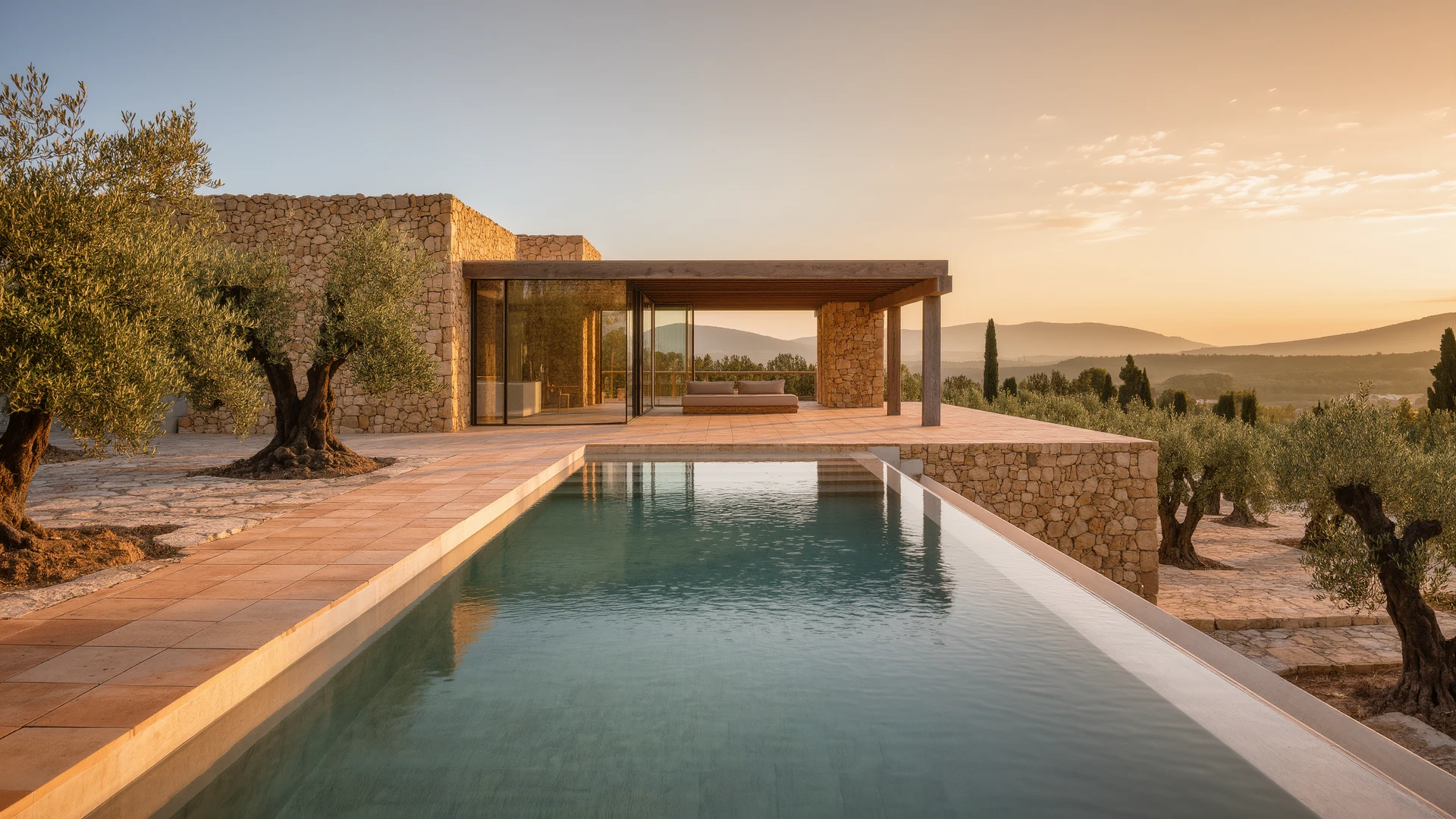
Luxury Finca Complete Guide
Luxury finca guide for Mallorca: prime locations, prices from 1.5M to 25M euros, restoration costs, water rights and a 7.2% growth rate driving this r…
Mallorca · 14 min
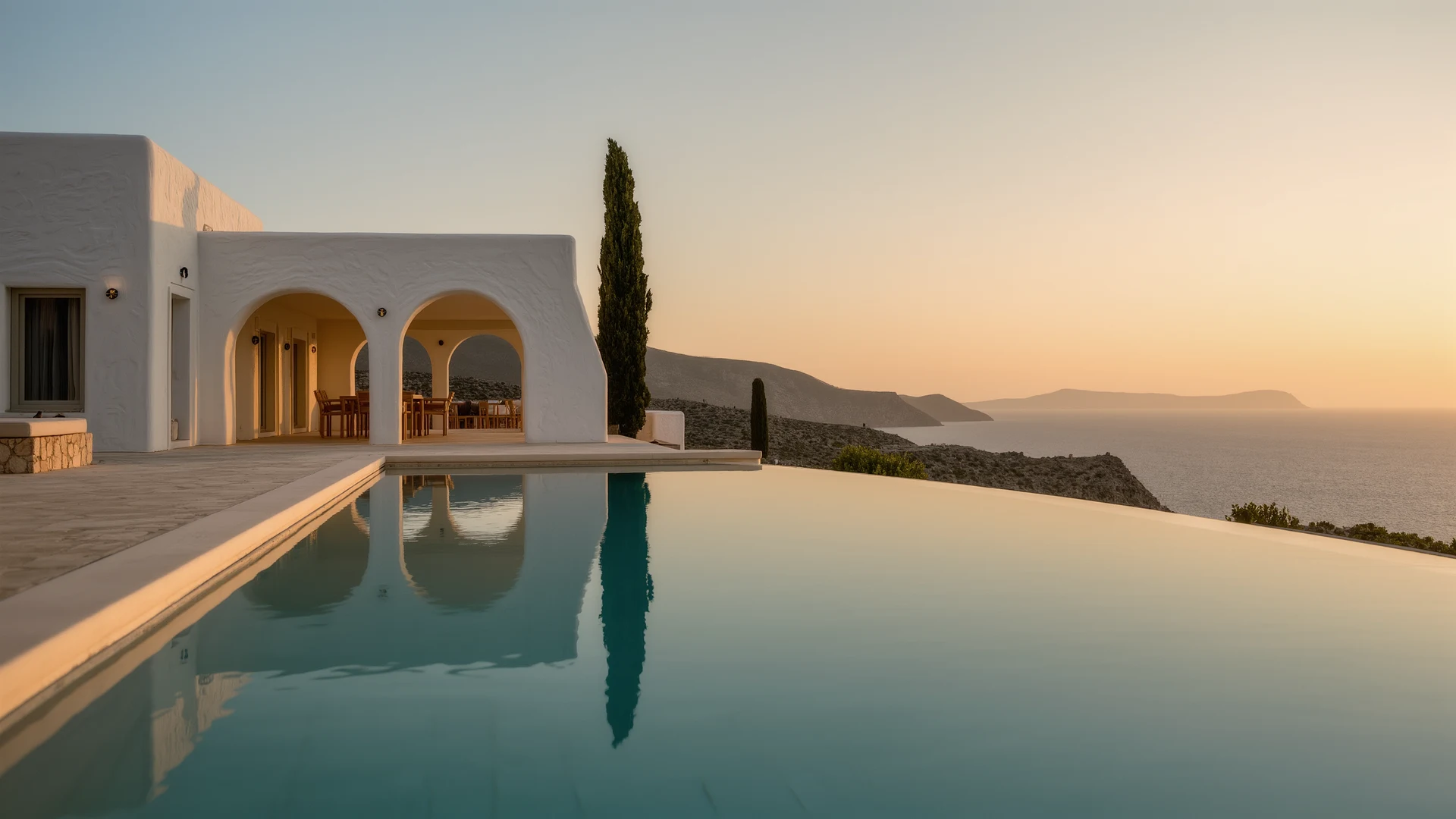
Mediterranean Villa Buying Guide
Mediterranean villa buying guide 2026: prices, yields and tax across Spain, France, Italy, Greece, Croatia and Montenegro in a 320 billion euro luxury…

Mallorca · 16 min
Mallorca Luxury Real Estate Guide
Mallorca luxury real estate guide: 2025 prices from 2 to 45 million euros, top areas like Portals Nous and Port d’Andratx, taxes, Golden Visa an…