Mallorca · 39.62°N 2.99°E · File 408
The Importance of Home Staging for Quick Sales
Home staging is the art and science of preparing a residential property for sale in the real estate market. It involves strategically arranging furniture, decor, and other elements…
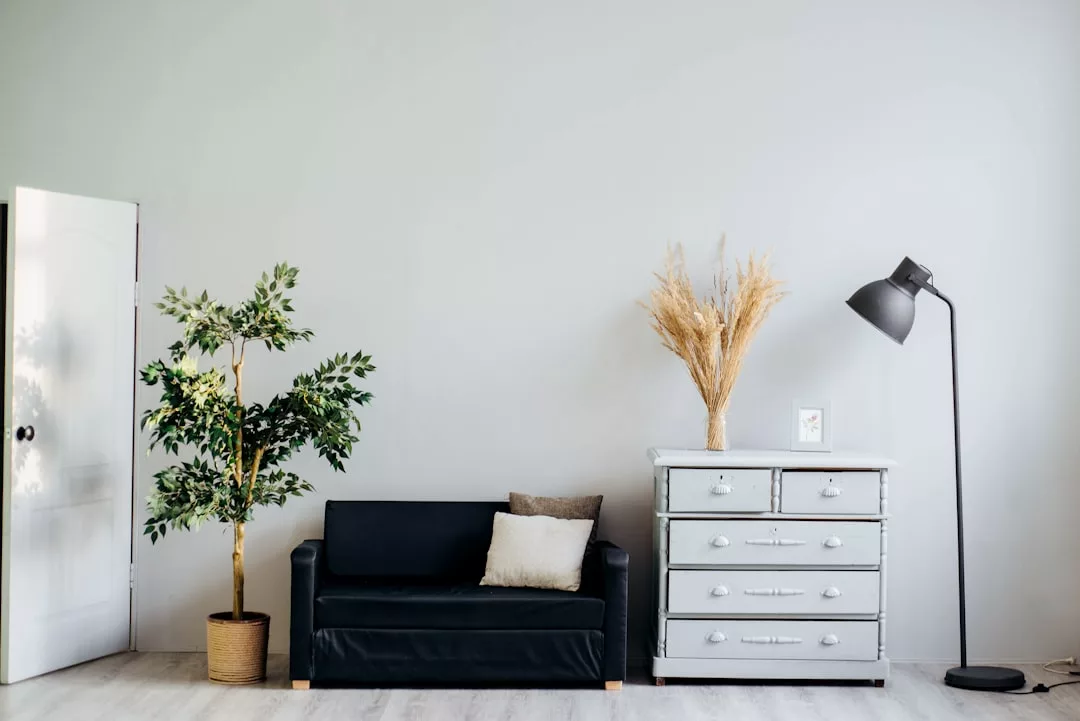
Home staging is the art and science of preparing a residential property for sale in the real estate market. It involves strategically arranging furniture, decor, and other elements to enhance the property’s appeal to potential buyers. The primary goal of home staging is to create an inviting atmosphere that allows prospective buyers to envision themselves living in the space.
This process can range from simple decluttering and cleaning to more extensive renovations and redesigns, depending on the condition of the home and the target market. The concept of home staging has gained significant traction over the past few decades, evolving from a niche service into a mainstream practice in real estate. Staging not only highlights the best features of a home but also minimizes its flaws, making it more attractive to a wider audience.
By presenting a property in its best light, sellers can create a lasting impression that resonates with buyers, ultimately leading to quicker sales and potentially higher offers.
Key Takeaways
- Home staging is the process of preparing a home for sale by enhancing its appeal to potential buyers through furniture arrangement, decor, and overall presentation.
- Home staging can significantly impact buyer perception, making the property more attractive and increasing the likelihood of a quick sale at a higher price.
- Effective home staging plays a crucial role in facilitating quick sales by creating a welcoming and appealing environment that resonates with potential buyers.
- Tips for effective home staging include decluttering, depersonalizing, maximizing natural light, and making necessary repairs and updates to enhance the overall appeal of the property.
- Professional home staging offers benefits such as increased property value, faster sales, and a higher return on investment, making it a worthwhile investment for sellers.
The Impact of Home Staging on Buyer Perception
The perception of a home can be dramatically altered through effective staging. When buyers walk into a staged home, they are often met with a carefully curated environment that feels warm and inviting. This emotional connection is crucial, as many purchasing decisions are driven by feelings rather than logic.
A well-staged home can evoke positive emotions, making it easier for buyers to imagine their lives unfolding within its walls. This psychological aspect of home staging is one of its most powerful tools, as it can significantly influence how buyers perceive the value of a property.
For instance, a small room can be made to feel larger through strategic furniture placement and color choices. Similarly, a dated kitchen can be revitalized with modern decor that highlights its functionality. By showcasing the home’s strengths and downplaying its weaknesses, staging can shift buyer perception from skepticism to enthusiasm, ultimately leading to more competitive offers.
The Role of Home Staging in Quick Sales
In today’s fast-paced real estate market, time is often of the essence for sellers. Home staging plays a pivotal role in expediting the sales process by making properties more appealing to potential buyers right from the start. A well-staged home can attract more interest during open houses and showings, leading to quicker offers.
In many cases, homes that are staged sell significantly faster than those that are not, as they stand out in a crowded market. The speed at which a home sells can be influenced by various factors, including location, pricing, and condition. However, staging can be a game-changer in this equation.
Properties that are visually appealing tend to generate more foot traffic and online interest, which can lead to multiple offers and bidding wars. This heightened competition not only accelerates the sales process but can also result in higher sale prices, making staging an essential strategy for sellers looking to maximize their return on investment.
Tips for Effective Home Staging
To achieve successful home staging, there are several key strategies that sellers should consider. First and foremost, decluttering is essential. Removing personal items, excess furniture, and unnecessary decor allows potential buyers to see the space clearly without distractions.
A clean and organized environment creates a sense of spaciousness and helps buyers visualize their own belongings in the home. Another important tip is to focus on neutralizing the color palette. While bold colors may reflect personal style, they can alienate potential buyers who may not share the same taste.
Opting for neutral tones on walls and furnishings creates a blank canvas that appeals to a broader audience. Additionally, incorporating strategic lighting can enhance the ambiance of each room. Well-lit spaces feel more inviting and can highlight architectural features that might otherwise go unnoticed.
The Benefits of Professional Home Staging
While some sellers may choose to stage their homes themselves, enlisting the help of professional home stagers can yield significant advantages. Professional stagers possess expertise in design principles and market trends, allowing them to create spaces that resonate with potential buyers. They have an eye for detail and know how to highlight a property’s best features while minimizing its flaws.
Moreover, professional stagers often have access to high-quality furnishings and decor that can elevate the overall aesthetic of a home. They understand how to create cohesive designs that flow seamlessly from room to room, enhancing the overall appeal of the property. By investing in professional staging services, sellers can save time and effort while ensuring that their home stands out in a competitive market.
Common Mistakes to Avoid in Home Staging
Avoid Over-Personalization
While it’s essential to make a home feel inviting, overly personal decor can be a turn-off for potential buyers. Sellers should aim for a balance between warmth and neutrality, allowing buyers to imagine themselves living in the space.Don’t Neglect Curb Appeal
The exterior of a home is the first thing potential buyers will see, so it’s crucial to make a good impression. Simple improvements like landscaping, a fresh coat of paint on the front door, or clean windows can make a significant difference in attracting interest.Address Necessary Repairs and Maintenance
Failing to address necessary repairs or maintenance issues can deter buyers who may perceive these problems as indicative of larger concerns within the property. Sellers should ensure that their home is in good condition to instill confidence in potential buyers.The Return on Investment for Home Staging
Investing in home staging can yield impressive returns for sellers when done correctly. Studies have shown that staged homes often sell for higher prices compared to their unstaged counterparts. The National Association of Realtors has reported that staged homes can sell for up to 20% more than similar homes that are not staged.
This increase in sale price can far outweigh the costs associated with staging services. Furthermore, homes that are staged tend to spend less time on the market, which translates into lower carrying costs for sellers. The longer a property sits unsold, the more expenses accumulate, such as mortgage payments, utilities, and maintenance costs.
By investing in staging upfront, sellers can potentially save money in the long run by facilitating quicker sales at higher prices.
The Future of Home Staging in Real Estate
As the real estate landscape continues to evolve, so too does the practice of home staging. With advancements in technology and changing buyer preferences, staging is likely to become even more sophisticated in the coming years. Virtual staging has already begun to gain traction, allowing sellers to showcase properties digitally without the need for physical furnishings.
This approach not only saves time but also reduces costs associated with traditional staging methods. Additionally, as sustainability becomes an increasingly important consideration for consumers, eco-friendly staging practices may emerge as a trend within the industry. Sellers may seek out sustainable materials and furnishings that align with environmentally conscious values while still appealing to buyers’ aesthetic preferences.
In conclusion, home staging is an invaluable tool in today’s real estate market that enhances buyer perception and facilitates quicker sales. By understanding its impact and implementing effective strategies, whether through DIY efforts or professional services, sellers can maximize their chances of achieving successful outcomes in their property transactions. As trends continue to shift and evolve, staying informed about best practices will be essential for anyone looking to navigate the complexities of selling a home effectively.
Same market
More from Mallorca

Mallorca · 14 min
Luxury Finca Complete Guide
Luxury finca guide for Mallorca: prime locations, prices from 1.5M to 25M euros, restoration costs, water rights and a 7.2% growth rate driving this r…

Mallorca · 14 min
Mediterranean Villa Buying Guide
Mediterranean villa buying guide 2026: prices, yields and tax across Spain, France, Italy, Greece, Croatia and Montenegro in a 320 billion euro luxury…

Mallorca · 16 min
Mallorca Luxury Real Estate Guide
Mallorca luxury real estate guide: 2025 prices from 2 to 45 million euros, top areas like Portals Nous and Port d’Andratx, taxes, Golden Visa an…