Mallorca · 39.62°N 2.99°E · File 394
The Importance of Sustainability in Real Estate Development
Sustainability in real estate development refers to the practice of creating buildings and communities that meet present needs without compromising the ability of future generation…
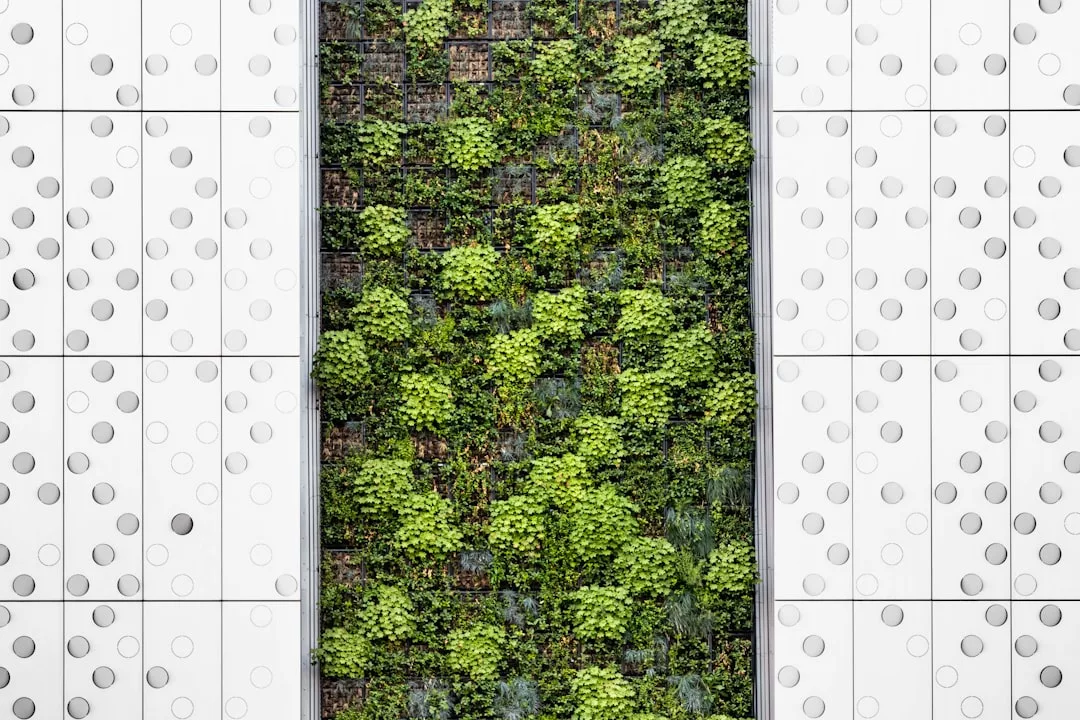
Sustainability in real estate development refers to the practice of creating buildings and communities that meet present needs without compromising the ability of future generations to meet their own. This concept encompasses a holistic approach that integrates environmental stewardship, economic viability, and social equity. The goal is to create spaces that are not only functional and aesthetically pleasing but also contribute positively to the environment and society.
As urbanization continues to rise, the importance of sustainable practices in real estate development becomes increasingly critical. Developers are now tasked with the challenge of balancing growth with ecological preservation, ensuring that their projects are resilient and adaptable to changing conditions. At its core, sustainable real estate development involves a commitment to reducing the carbon footprint of buildings, utilizing renewable resources, and promoting energy efficiency.
This can be achieved through various strategies, such as incorporating green building materials, optimizing land use, and enhancing public transportation options. Furthermore, sustainability extends beyond the physical structure; it also includes fostering community engagement and ensuring that developments are inclusive and accessible to all demographics. As awareness of climate change and social responsibility grows, stakeholders in the real estate sector are increasingly recognizing the need for sustainable practices as a fundamental aspect of their operations.
Key Takeaways
- Sustainability in real estate development involves creating buildings and communities that are environmentally responsible, economically viable, and socially equitable.
- Economic benefits of sustainable real estate development include cost savings from energy efficiency, increased property value, and reduced operational expenses.
- Sustainable real estate development has a positive environmental impact by reducing carbon emissions, conserving natural resources, and minimizing waste generation.
- Social benefits of sustainable real estate development include improved health and well-being for occupants, enhanced community engagement, and increased equity and inclusivity.
- Sustainable design and construction practices in real estate development include using renewable materials, incorporating energy-efficient systems, and implementing green building certifications.
Economic Benefits of Sustainable Real Estate Development
Cost Savings through Energy Efficiency
One of the most significant benefits is the potential for cost savings through energy efficiency. Buildings designed with sustainability in mind often utilize advanced technologies and materials that reduce energy consumption, leading to lower utility bills for occupants. Over time, these savings can accumulate significantly, making sustainable properties more attractive to both investors and tenants.Enhanced Marketability and Property Values
Additionally, many sustainable buildings qualify for green certifications, which can enhance their marketability and increase property values. This not only benefits property owners but also contributes to a more sustainable built environment.Stimulating Local Economies and Fostering Community Pride
Sustainable real estate development can stimulate local economies by creating jobs in green construction and maintenance. As demand for eco-friendly buildings rises, so does the need for skilled labor in areas such as renewable energy installation, sustainable landscaping, and energy-efficient retrofitting. This not only provides employment opportunities but also fosters a sense of community pride as local workers contribute to environmentally responsible projects.Environmental Impact of Sustainable Real Estate Development
The environmental impact of sustainable real estate development is profound and multifaceted. By prioritizing eco-friendly practices, developers can significantly reduce greenhouse gas emissions associated with construction and building operations. For instance, utilizing renewable energy sources such as solar or wind power can drastically cut down on reliance on fossil fuels.
Additionally, sustainable developments often incorporate green roofs, rain gardens, and permeable pavements that help manage stormwater runoff and mitigate urban heat island effects. These features not only enhance the ecological health of urban areas but also improve the quality of life for residents. Furthermore, sustainable real estate development promotes biodiversity by preserving natural habitats and integrating green spaces into urban environments.
By designing projects that include parks, community gardens, and wildlife corridors, developers can create ecosystems that support various species while providing recreational opportunities for residents. This approach not only contributes to environmental conservation but also fosters a sense of connection between people and nature. As cities continue to expand, the integration of sustainable practices in real estate development becomes essential for maintaining ecological balance and ensuring a healthier planet for future generations.
Social Benefits of Sustainable Real Estate Development
Sustainable real estate development offers numerous social benefits that extend beyond environmental considerations. One of the most significant advantages is the promotion of community well-being through the creation of inclusive spaces that cater to diverse populations. Sustainable developments often prioritize affordable housing options, ensuring that individuals from various socioeconomic backgrounds can access quality living environments.
This inclusivity fosters social equity and helps combat issues such as homelessness and housing insecurity. In addition to providing affordable housing, sustainable developments often emphasize walkability and access to public transportation. By designing neighborhoods that encourage walking, cycling, and the use of public transit, developers can enhance residents’ quality of life while reducing reliance on personal vehicles.
This not only leads to healthier lifestyles but also strengthens community ties as people engage more with their surroundings. Furthermore, sustainable developments frequently incorporate communal spaces such as parks and recreational facilities, which serve as gathering points for residents and promote social interaction.
Sustainable Design and Construction Practices in Real Estate Development
Sustainable design and construction practices are at the heart of effective real estate development strategies aimed at minimizing environmental impact. For example, reclaimed wood, recycled steel, and low-VOC (volatile organic compounds) paints contribute to healthier indoor environments while reducing waste in landfills.
Additionally, innovative construction techniques such as modular building can streamline processes and reduce resource consumption. Energy efficiency is another critical component of sustainable design. Developers are increasingly incorporating advanced technologies such as smart thermostats, energy-efficient HVAC systems, and high-performance insulation into their projects.
These features not only enhance occupant comfort but also significantly reduce energy consumption over time. Furthermore, sustainable design often includes passive solar strategies that maximize natural light and ventilation, further decreasing reliance on artificial lighting and climate control systems. By embracing these practices, developers can create buildings that are not only environmentally responsible but also economically viable in the long run.
Government Incentives for Sustainable Real Estate Development
Governments around the world are recognizing the importance of sustainable real estate development and are implementing various incentives to encourage these practices. Tax credits, grants, and subsidies are commonly offered to developers who incorporate green building standards into their projects. These financial incentives can significantly offset initial construction costs, making it more feasible for developers to pursue sustainable options without compromising profitability.
In addition to financial incentives, many governments have established streamlined permitting processes for sustainable developments. By expediting approvals for projects that meet specific environmental criteria, authorities can encourage developers to prioritize sustainability in their designs. Furthermore, some municipalities have adopted zoning regulations that favor mixed-use developments or require a certain percentage of affordable housing within new projects.
These policies not only promote sustainability but also enhance community resilience by fostering diverse neighborhoods that can adapt to changing economic conditions.
Challenges and Barriers to Sustainable Real Estate Development
Despite the numerous benefits associated with sustainable real estate development, several challenges and barriers persist in its widespread adoption. One significant obstacle is the perception that sustainable building practices are more expensive than traditional methods. While it is true that some green technologies may require higher upfront investments, many developers overlook the long-term savings associated with energy efficiency and reduced operational costs.
Educating stakeholders about the financial viability of sustainable practices is crucial for overcoming this misconception. Another challenge lies in navigating complex regulatory frameworks that may not always support innovative approaches to sustainability. Developers often face hurdles related to zoning laws, building codes, and permitting processes that can hinder their ability to implement eco-friendly designs effectively.
Additionally, a lack of standardized metrics for measuring sustainability can create confusion among developers and investors alike. Establishing clear guidelines and benchmarks for sustainable practices would help streamline processes and encourage broader adoption within the industry.
Future Trends in Sustainable Real Estate Development
As awareness of environmental issues continues to grow, several trends are emerging in sustainable real estate development that promise to shape the future of the industry. One notable trend is the increasing integration of technology into building design and operations. Smart buildings equipped with IoT (Internet of Things) devices can monitor energy usage in real-time, allowing for more efficient management of resources.
This technological advancement not only enhances sustainability but also improves occupant comfort by providing personalized experiences. Another trend gaining traction is the emphasis on biophilic design principles that seek to connect people with nature within built environments. Developers are increasingly incorporating natural elements such as greenery, water features, and natural light into their designs to promote well-being among occupants. In conclusion, sustainable real estate development represents a vital shift towards creating spaces that prioritize environmental health, economic viability, and social equity. As stakeholders across various sectors recognize the importance of sustainability in shaping our built environment, it is essential to continue fostering innovation and collaboration within the industry.
By embracing sustainable practices today, we can pave the way for a more resilient future for generations to come.
◦ Off-market questions
What are the financial benefits of buying a sustainably built property?
Energy-efficient buildings typically cut utility bills through advanced materials and technologies, with savings accumulating over time. Many sustainable properties qualify for green certifications that can enhance marketability and support higher values. Reduced operational costs make such homes appealing to owners and tenants alike, while green construction also stimulates local jobs and skilled employment.
What design features define a genuinely sustainable development?
Look for responsibly sourced materials such as reclaimed wood, recycled steel and low-VOC paints, alongside energy-efficient HVAC systems, high-performance insulation and smart thermostats. Passive solar strategies maximise natural light and ventilation, while green roofs, rain gardens and permeable paving manage stormwater. Walkability and access to public transport also signal genuine sustainability.
Do governments support sustainable developments?
Yes. Many governments offer tax credits, grants and subsidies to developers meeting green building standards, helping offset higher initial construction costs. Some also provide streamlined permitting for projects satisfying environmental criteria, and adopt zoning rules favouring mixed-use schemes or affordable housing. These incentives make sustainable options more financially feasible without sacrificing profitability.
Same market
More from Mallorca
Mallorca · 14 min
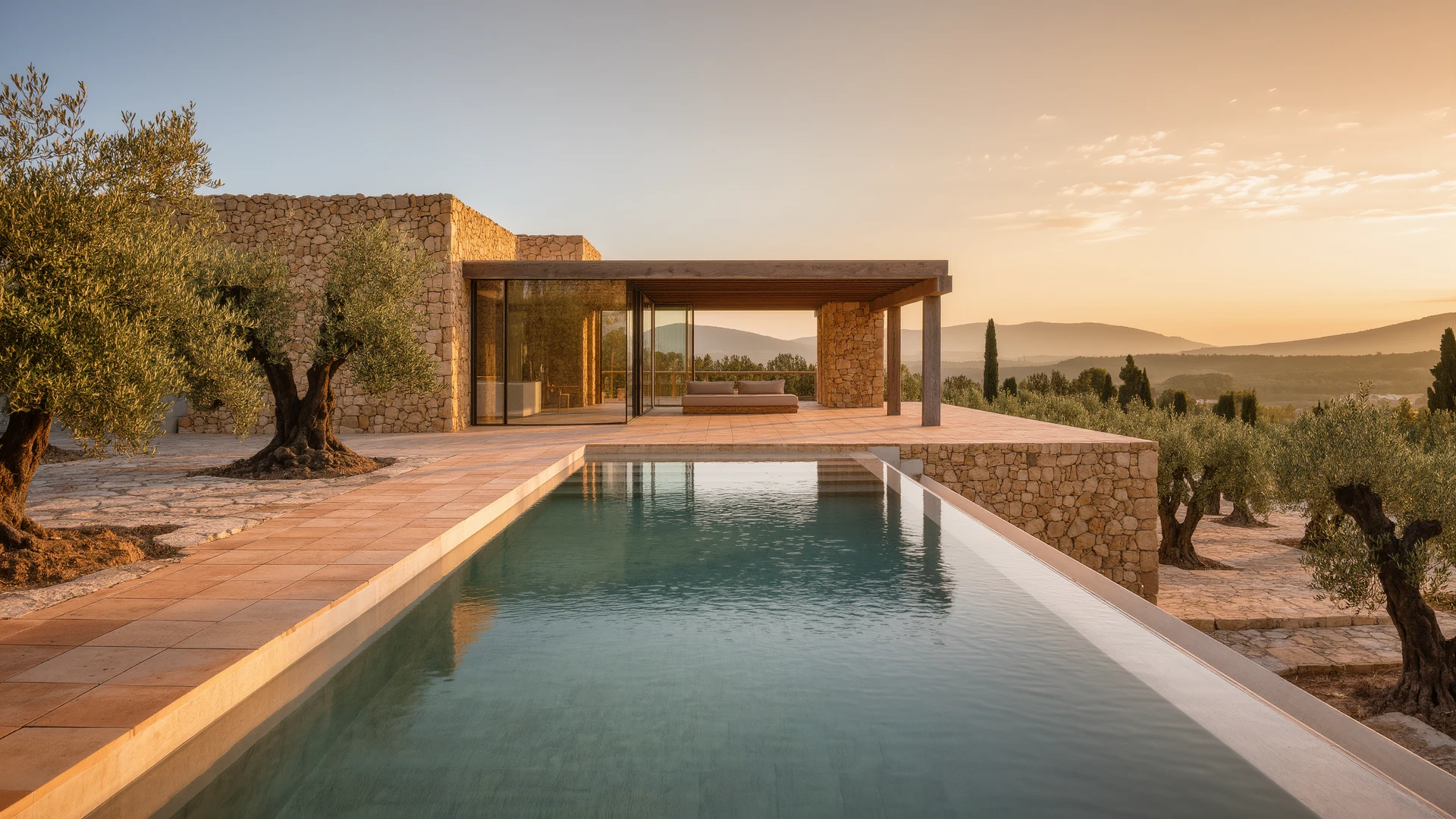
Luxury Finca Complete Guide
Luxury finca guide for Mallorca: prime locations, prices from 1.5M to 25M euros, restoration costs, water rights and a 7.2% growth rate driving this r…
Mallorca · 14 min
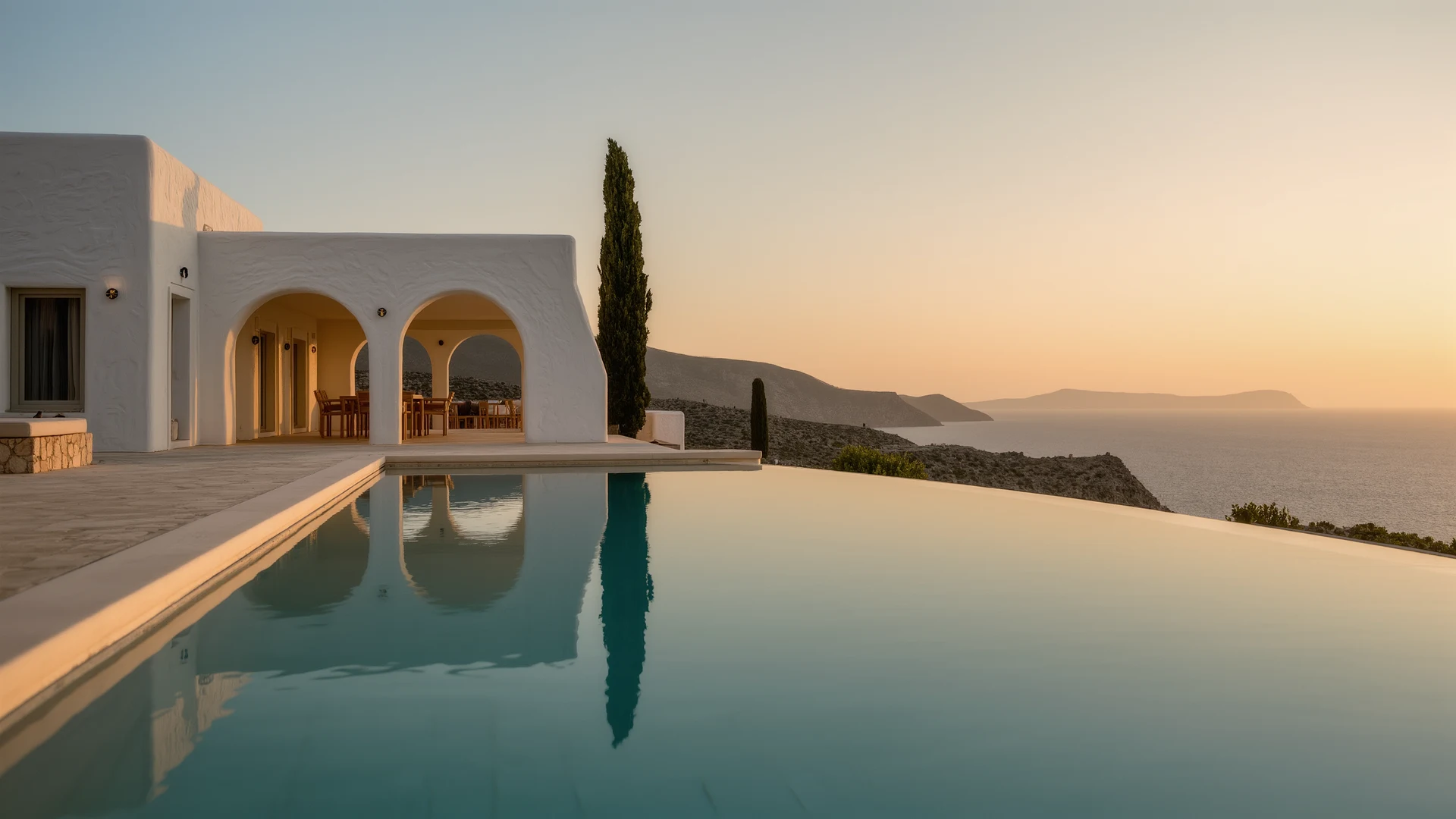
Mediterranean Villa Buying Guide
Mediterranean villa buying guide 2026: prices, yields and tax across Spain, France, Italy, Greece, Croatia and Montenegro in a 320 billion euro luxury…

Mallorca · 16 min
Mallorca Luxury Real Estate Guide
Mallorca luxury real estate guide: 2025 prices from 2 to 45 million euros, top areas like Portals Nous and Port d’Andratx, taxes, Golden Visa an…