International Schools and Medical Care in Marbella
International schools and private healthcare shape family life in Marbella: curricula, languages, specialist care and what to weigh when choosing both.
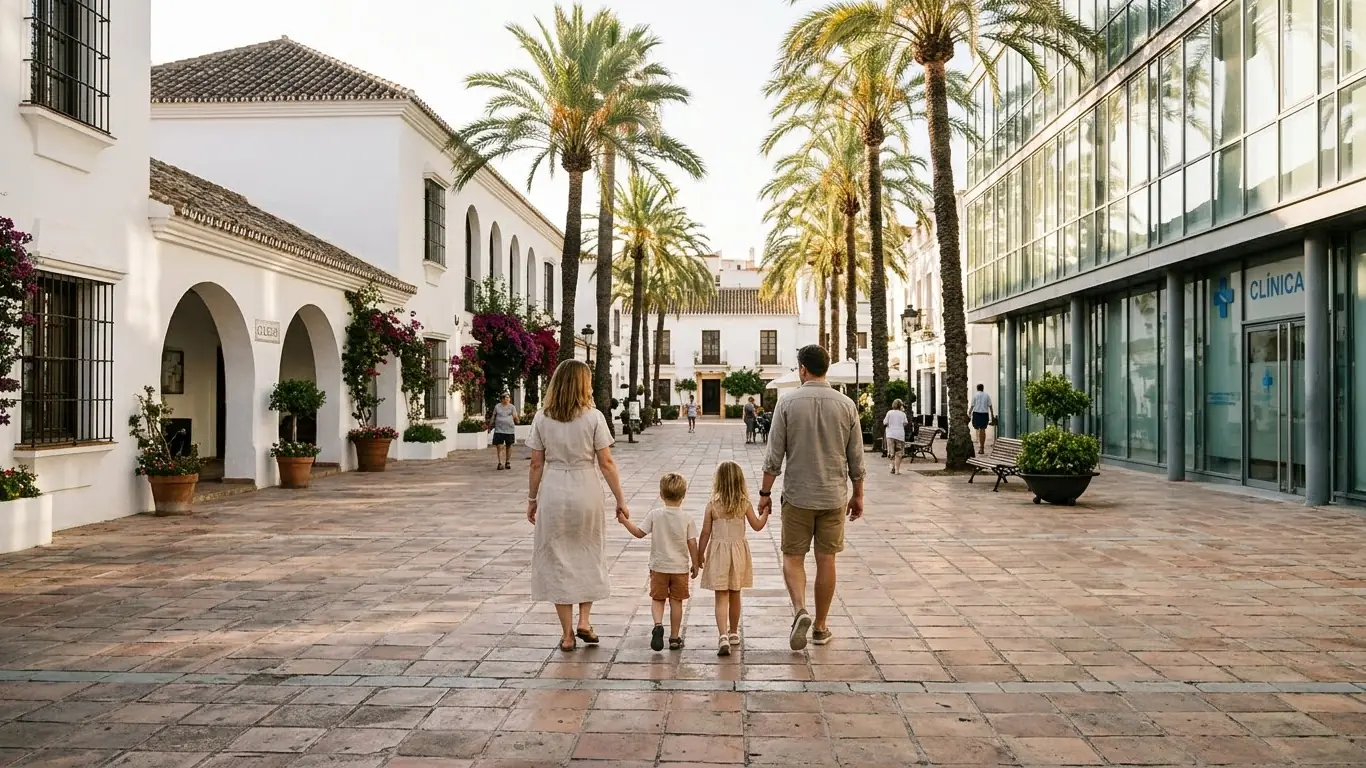

For families settling in Marbella, two things matter most: international schools and medical care. The schools offer curricula in line with global educational standards, while private hospitals and clinics provide multilingual care. This article explains what both offer, how they connect and what to weigh when choosing.
Beyond academics, international schools help children build social skills, cultural awareness and adaptability. Teachers often come from different countries and bring varied teaching methods into the classroom, which also helps students form friendships across backgrounds.
The emphasis on English and Spanish gives children communication skills that carry over into personal and professional life. Families keep their options open, whether higher education follows in Spain or abroad.
Key Takeaways
- International schools in Marbella combine a global curriculum, cultural diversity and a strong sense of community.
- Expatriate families have access to high-quality private medical care delivered by multilingual staff.
- Schools welcome students from many cultural backgrounds and teach with an inclusive, international outlook.
- Short distances between schools and medical facilities give families practical peace of mind.
- Choosing a school and a provider takes research, clarity about individual needs and advice from other expatriate families.
Medical Care for Expatriate Families
Private Hospitals and Clinics
The region has several private hospitals and clinics with modern facilities. Their multilingual staff keeps language from standing in the way of the care a family needs.
Specialized Care
Beyond general healthcare, Marbella offers specialized care in pediatrics, dentistry and mental health. Families can find practitioners familiar with the needs of expatriate children, which gives parents peace of mind about the health and well-being of their children.
Cultural Diversity at International Schools in Marbella
International schools in Marbella place inclusion and cultural diversity at the center of school life.
This approach enriches the education and gives students who might otherwise feel isolated in a foreign country a sense of belonging.
Curricula often add global perspectives, so students explore other cultures through history, literature and art. Many schools also organize cultural events where students share their heritage with classmates. That builds understanding, empathy and appreciation for diversity, skills that grow more important in a globalized world. An inclusive atmosphere prepares students for multicultural settings, both during their education and in their later careers.
Proximity to Medical Facilities for Families Abroad
For families abroad, especially those with young children, nearby medical facilities are a decisive factor for peace of mind. In Marbella, the close relationship between international schools and healthcare providers lets families reach care quickly. That matters most for expatriates who are unfamiliar with local healthcare practice or who have specific medical needs that require prompt attention.
Knowing that help is close allows parents to feel secure, whether the need is a routine check-up or an unexpected illness. Easy access to quality healthcare can ease the strain of adjusting to a new country. Many international schools also work with local healthcare providers, which keeps communication between educators and medical professionals smooth when a student has a health concern.
International Schools as a Gateway to Global Education
International schools in Marbella offer curricula aligned with recognized international standards such as the International Baccalaureate (IB) or British A-Levels. These programs give students a rigorous academic foundation and train critical thinking, creativity and problem-solving. Students are better prepared for higher education opportunities around the globe.
Many schools maintain connections with universities worldwide and guide students through the application process. For expatriate families without local knowledge of university admissions or scholarship opportunities, that network is particularly useful. A strong academic environment combined with support for future studies helps students pursue their interests and goals on a global scale.
How Healthcare Works for Expatriate Families in Marbella
Spain has a dual healthcare system with public and private options. Public healthcare is available to residents who contribute to the social security system, but many expatriates choose private care for its shorter wait times and more personalized service.
Private facilities in Marbella are known for high standards of care and modern amenities. Many doctors and specialists speak English and other languages, so health concerns can be explained clearly. Private health insurance plans are widely available and can be tailored to the needs of families living abroad.
Where Schools and Medical Care Work Together
Schools and medical facilities in Marbella work together, so students receive support for both academic needs and health concerns.
Many international schools also build wellness programs into their curricula, including physical education, mental health resources and nutrition education. These programs support holistic development. Families who see their children receiving a good education and proper medical care can settle into a new country with more ease.
Choosing a School and a Medical Provider in Marbella
Families should weigh several factors before choosing a school or provider. Start with the curriculum: it should match the educational goals and values of the family. A visit in person shows the learning environment and allows parents to meet teachers and staff.
For medical care, recommendations from other expatriates or local community groups point to reputable clinics and hospitals. Ask about language capabilities among the medical staff to ensure clear communication during appointments, and review insurance coverage to understand which services are included and what out-of-pocket expenses may arise.
More from Marbella

Marbella Property Market 2026: Prices, Areas and Taxes
Marbella property market 2026: €7.2bn in 2025 sales and prices up 5.8%, the Golden Mile, La Zagaleta and Puerto Banús, buyer profiles and tax guidance.

Marbella Property Market: What Draws Investors
Marbella draws property investors with its climate, rental demand and range of villas and apartments. A balanced look at the market, segments and risks.
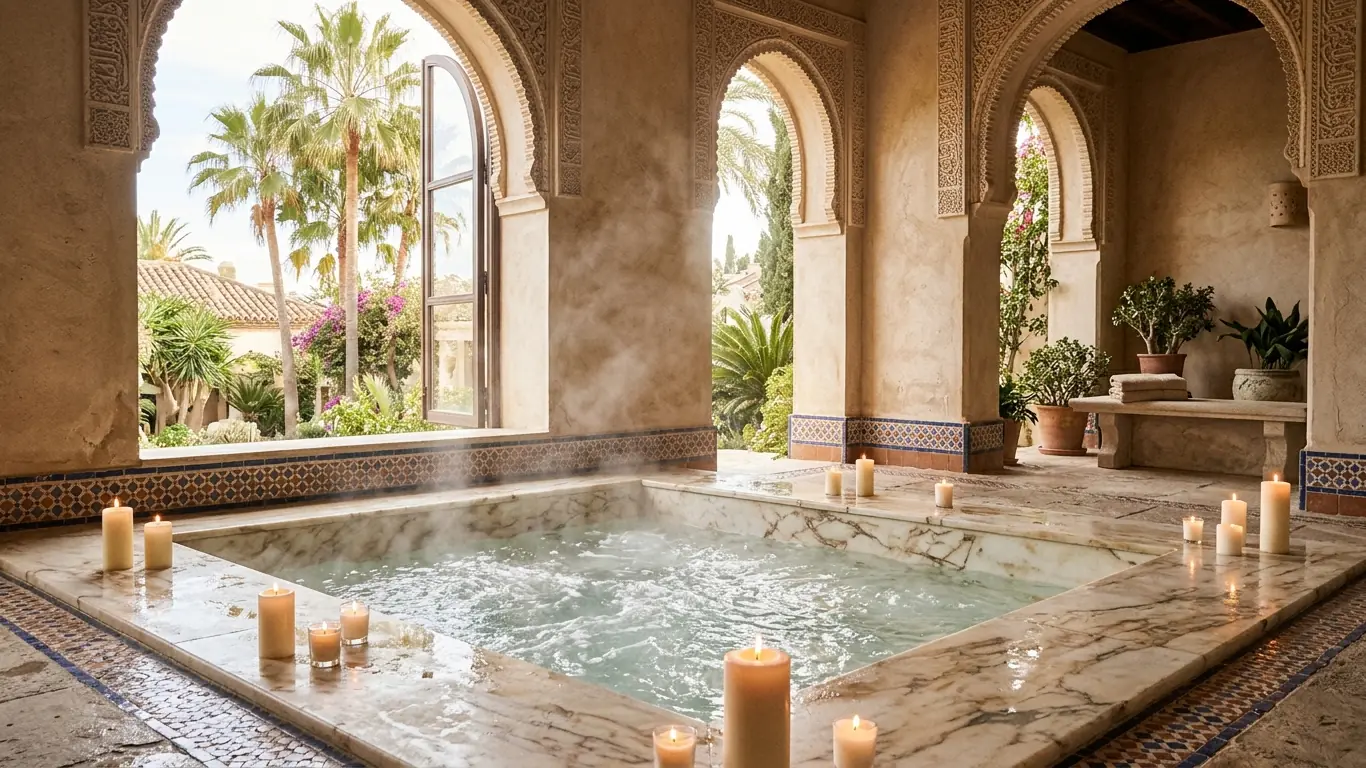
Wellness Properties in Marbella: Health Meets Luxury
Wellness properties in Marbella: why they are gaining ground, what features define them, how health and luxury combine and what to weigh when choosing one.