Buying Property in Mallorca: Areas, Costs, Risks
Mallorca combines landscapes, culture and a strong tourism sector. Property types, popular areas, legal and financial costs and risks for buyers.
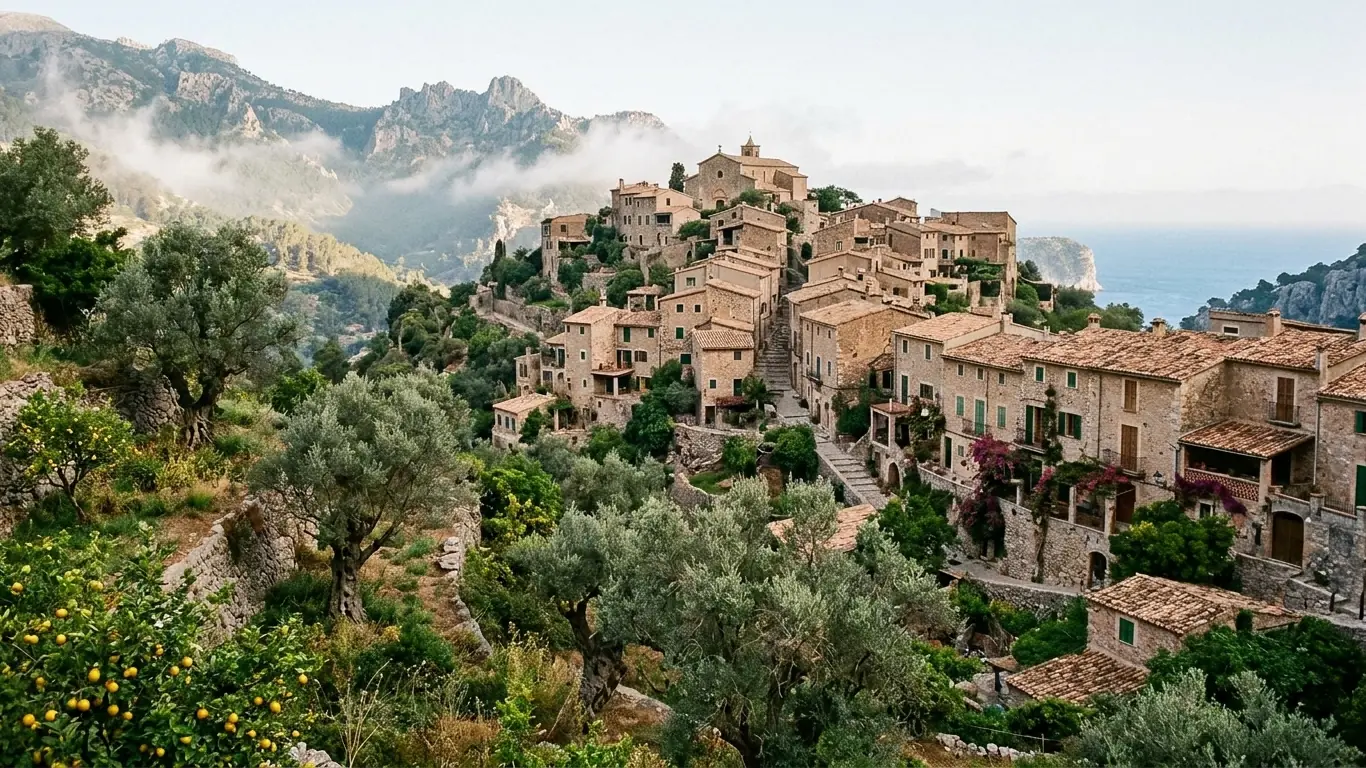

Mallorca, the largest of the Balearic Islands, is known for its landscapes, rich history and vibrant culture. Picturesque beaches, charming villages and majestic mountains draw millions of visitors each year, which makes the island a destination for tourism and for real estate. This guide covers the benefits, property types, legal and financial points, popular areas and risks of buying here.
Mallorca is also a place where tradition meets contemporary living. Influences from the various civilizations that settled here over the centuries shape its cultural heritage, from the historic architecture of Palma, the capital, to the quaint streets of Sóller and Valldemossa.
As demand for real estate grows, understanding the nuances of investing here matters more for potential buyers.
Key Takeaways
- Mallorca is known for its beaches, rich culture and vibrant nightlife.
- Real estate in Mallorca offers return potential and a desirable location for vacation rentals, though returns are not guaranteed.
- Properties range from luxury villas and apartments to traditional country houses and rural estates.
- Buyers should weigh legal and financial factors such as residency requirements, taxes and financing options.
- Popular areas for investment include Palma de Mallorca, Port d’Andratx and Sóller, each with its own attractions.
Benefits of Investing in Real Estate in Mallorca
Real estate in Mallorca has a clear advantage in the island’s robust tourism industry. With millions of tourists each year, properties can generate substantial rental income, particularly in the peak summer months.
Visitors create strong demand for short-term rentals and a lively vacation rental market. The real estate market has also shown resilience over the years: despite fluctuations in global markets, property values have generally appreciated, although past performance is no guarantee for the future.
Demand stays high because the island is a holiday destination, which can support values over time. Ongoing improvements in infrastructure and amenities, such as better transportation links and new leisure facilities, may add to future appreciation.
Types of Properties Available in Mallorca
The range of properties suits many preferences and budgets, from villas on cliffs overlooking the sea to apartments in historic towns. High-end homes offer modern designs, private pools and expansive gardens.
Luxury homes with sweeping views stand in exclusive areas such as Bendinat or Port d’Andratx. At the other end, more modest options suit buyers looking for a cozy retreat or a starter home.
Such properties often come with land in serene rural settings, a peaceful escape from city life. Urban apartments in Palma offer easy access to shops, restaurants and cultural attractions and suit those who prefer a cosmopolitan experience.
Legal and Financial Points for Buyers in Mallorca
Foreign buyers may purchase property on the island, but they need to understand the legal framework for real estate transactions in Spain. A local lawyer who specializes in property law helps ensure that all requirements are met and the transaction proceeds smoothly. In addition to the purchase price, buyers should budget for taxes such as the Property Transfer Tax (ITP), which can range from 8% to 10% depending on the property’s value, and for notary, registration and legal fees. Ongoing costs such as property maintenance fees and local taxes also belong in the overall assessment.
Popular Areas for Real Estate Investment in Mallorca
Palma, the capital, is a vibrant hub of historical charm and modern conveniences, with a waterfront promenade, bustling markets and cultural attractions for those seeking urban living. Santa Catalina and La Lonja are known for their trendy atmosphere and proximity to restaurants and nightlife. Beyond Palma, coastal towns such as Alcúdia and Pollensa offer beaches and a laid-back lifestyle that suits families and retirees who want a peaceful environment close to essential amenities. Deià and Sóller provide mountain views and access to some of the island’s most exclusive properties. Each area has its own character, so buyers should match location to lifestyle.
Finding the Right Property in Mallorca
Finding the right property starts with priorities: a vacation home, an investment property or a permanent residence. Personal needs for size, location and amenities narrow the options considerably. Local real estate agents with extensive market knowledge can explain current trends, available properties and pricing strategies. Visiting in person is essential, since photographs can deceive and only a visit shows a property’s true condition and suitability. Patience helps: the right property may take time, but it can lead to a more satisfying investment.
Risks and Challenges of Investing in Mallorca
Investing here has benefits and risks. Property values have generally appreciated over time, yet economic downturns or changes in tourism patterns can affect demand and prices, so investors should follow market trends and prepare for fluctuations. Local regulations and bureaucracy add complexity: purchases can be lengthy and involve legal requirements that differ from those in other countries.
Anyone considering short-term rentals should also understand local rental laws, because regulations can vary significantly between regions.
More from Mallorca
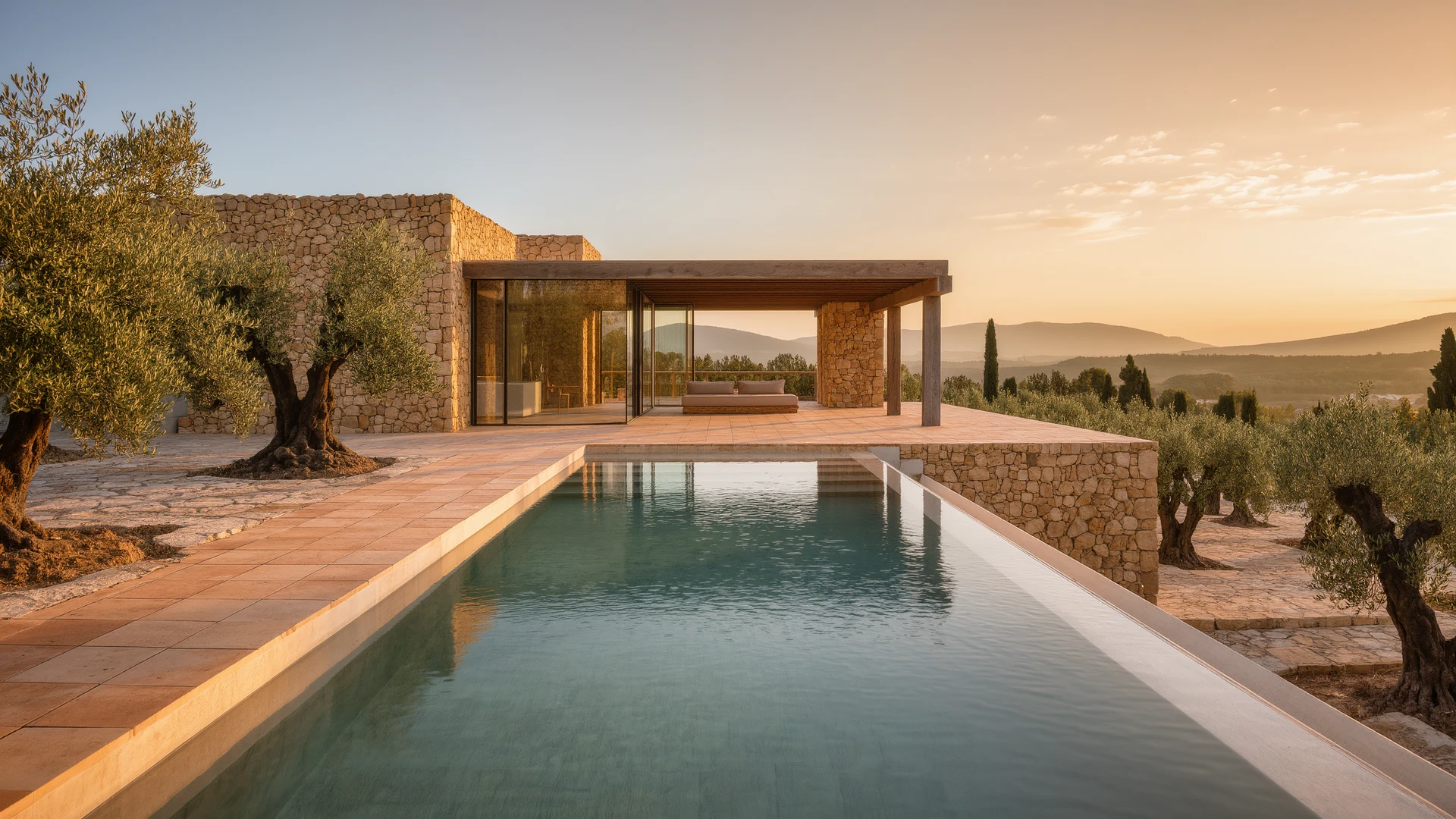
Luxury Finca in Mallorca: Prices, Costs, Water Rights
Luxury finca guide for Mallorca: prime locations, prices from 1.5M to 25M euros, restoration costs, water rights and what drives its valuation.
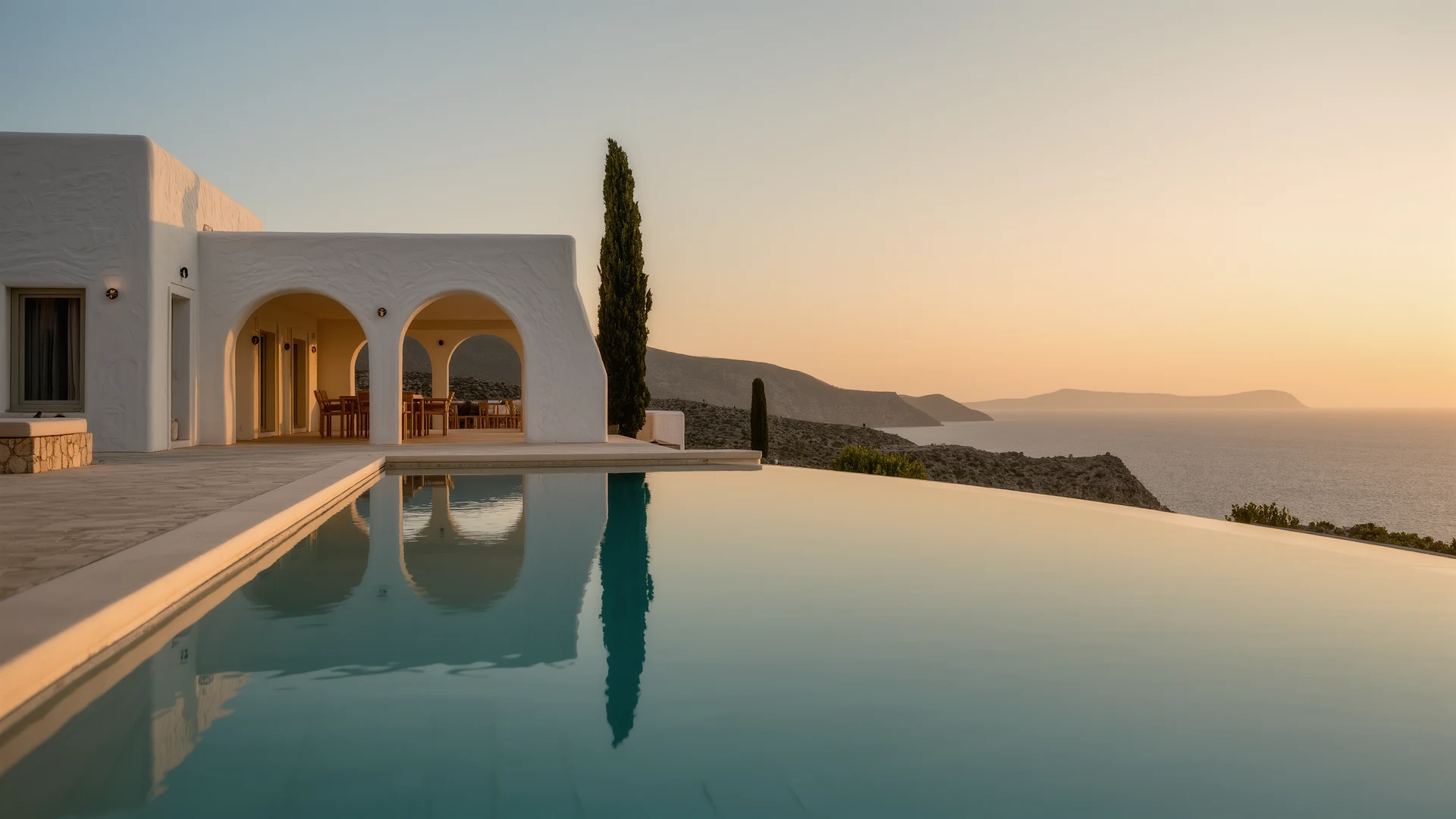
Mediterranean Villa Buying Guide: Prices, Yields, Taxes
Mediterranean villa buying guide 2026: prices, rental yields and taxes in Spain, France, Italy, Greece, Croatia and Montenegro, plus renovation rules.

Mallorca Luxury Real Estate Guide: Areas, Taxes, Prices
Mallorca luxury real estate guide: top areas like Portals Nous and Andratx, prices from 2 to 45 million euros, taxes, the Golden Visa and yields.