Retirement Real Estate in Mallorca: Opportunities
Mallorca draws retirees with a mild climate, good connections and a diverse property market. What to weigh on location, financing, legal and tax questions.


Mallorca, the largest of the Balearic Islands, has long drawn tourists seeking sun, sea and culture. Increasingly, retirees look to it as a place to invest in real estate, attracted by a mild Mediterranean climate, landscapes and a rich history that suit a peaceful yet fulfilling retirement.
A relaxed lifestyle and a welcoming community add to the appeal, and Mallorca is easy to reach from various parts of Europe. Numerous flights connect the island with major European cities, which lets retirees stay in close touch with family and friends.
The local infrastructure includes healthcare facilities, shopping centers and recreational activities. Accessibility and quality of life together make Mallorca an option for those who see real estate as part of their retirement plan.
Key Takeaways
- Mallorca combines landscapes, a Mediterranean climate and a high quality of life.
- The property market ranges from luxury villas to affordable apartments.
- Opportunities include residential properties, vacation rentals and commercial real estate, each with its own income stream.
- Location, property management and potential rental income decide how well an investment suits retirement.
- Financing options include mortgages, private financing and leveraging existing assets.
The real estate market in Mallorca
The market has grown significantly over the past decade, driven by domestic and international demand. Offerings range from villas overlooking the Mediterranean to charming apartments in historic towns, so retirees can match a property to their lifestyle preferences and budgets.
The market has shown resilience through economic downturns, with property values increasing steadily over time, although this is no guarantee for the future. Sustainable and eco-friendly developments are on the rise: many new projects are designed for energy efficiency, with renewable energy sources and sustainable materials.
The trend reflects growing environmental awareness and appeals to retirees who prioritize sustainability. Knowing these dynamics helps investors decide in line with both financial goals and personal values.
Real estate investment opportunities in Mallorca
Residential properties for personal use or rental income are the most popular option. Many retirees choose villas or apartments in sought-after areas such as Palma, Sóller or Alcúdia, where they enjoy the local culture and can earn rental income in peak tourist seasons.
Demand for short-term rentals has surged in recent years, which interests those who want to supplement their retirement income. Commercial real estate is another avenue: with the thriving tourism industry, hotels, restaurants or retail spaces can generate income, though returns vary.
The hospitality sector is robust, with millions of visitors each year, and may suit retirees with business management experience. Renovation projects offer another route: older properties bought at lower prices can become modern living spaces or commercial establishments.
What to consider when investing for retirement
Several factors shape a retirement investment in Mallorca. First and foremost is the location of the property.
Retirees should choose a location that fits their vision of retirement, and decide on the property type: a low-maintenance apartment or a larger villa that requires more upkeep.
Local market trends matter as well, so research historical price movements and future projections. Local real estate experts can say which neighborhoods are on the rise and which may be more stable investments.
Financing options for Mallorca real estate
Financing options vary with the investor’s nationality and financial situation. Many retirees choose traditional mortgages through local banks or international lenders. Spanish banks typically lend to foreign buyers, although terms may differ from those available to residents.
Banks generally require a down payment of 20% to 30% of the property’s value, along with proof of income and creditworthiness. Alternatives include equity release or savings from retirement accounts. Some investors liquidate assets in their home country to pay outright and avoid a mortgage altogether.
Retirees should evaluate their financial situation carefully and consult advisors who understand both local and international financing options.
Legal and tax considerations for foreign investors in Mallorca
Foreign buyers face legal and tax considerations that can shape the process. The first step is an NIE, the Spanish foreigner identification number, essential for any foreigner engaging in financial transactions in Spain. It is required for property purchases, opening bank accounts and signing contracts.
Taxation deserves equal attention before a purchase. Spain imposes several taxes on property transactions, including the transfer tax, which varies by region but typically ranges from 6% to 10% of the property’s value.
Foreign investors should also consider capital gains tax implications when selling in the future. Legal and tax professionals who specialize in Spanish real estate help navigate these complexities.
Working with a real estate agent in Mallorca
A knowledgeable local agent knows the area’s neighborhoods, current market trends and available properties that match an investor’s needs. Such an agent can also say which locations suit retirement living, whether proximity to amenities or access to natural beauty matters most.
A good agent assists with negotiations, ensures that legal requirements are met throughout the purchase, identifies potential pitfalls and advises on fair market pricing based on comparable sales. A lasting relationship with an agent who understands both the local market and the needs of retirees can streamline the buying process.
Practical tips for a retirement investment in Mallorca
Thorough research and careful planning come first. Visit the island several times before deciding, so you experience different neighborhoods firsthand and assess local amenities, community atmosphere and access to essential services such as healthcare.
Engage professionals throughout: real estate agents as well as legal advisors and financial consultants who specialize in Spanish property law and taxation. Their tailored advice fits individual circumstances and helps avoid common pitfalls of international real estate investments. Finally, stay flexible and open-minded about your options.
The Mallorca property market is dynamic, and adaptability can reveal unexpected opportunities, such as properties that require renovation or emerging neighborhoods that are not yet on everyone’s radar.
More from Mallorca
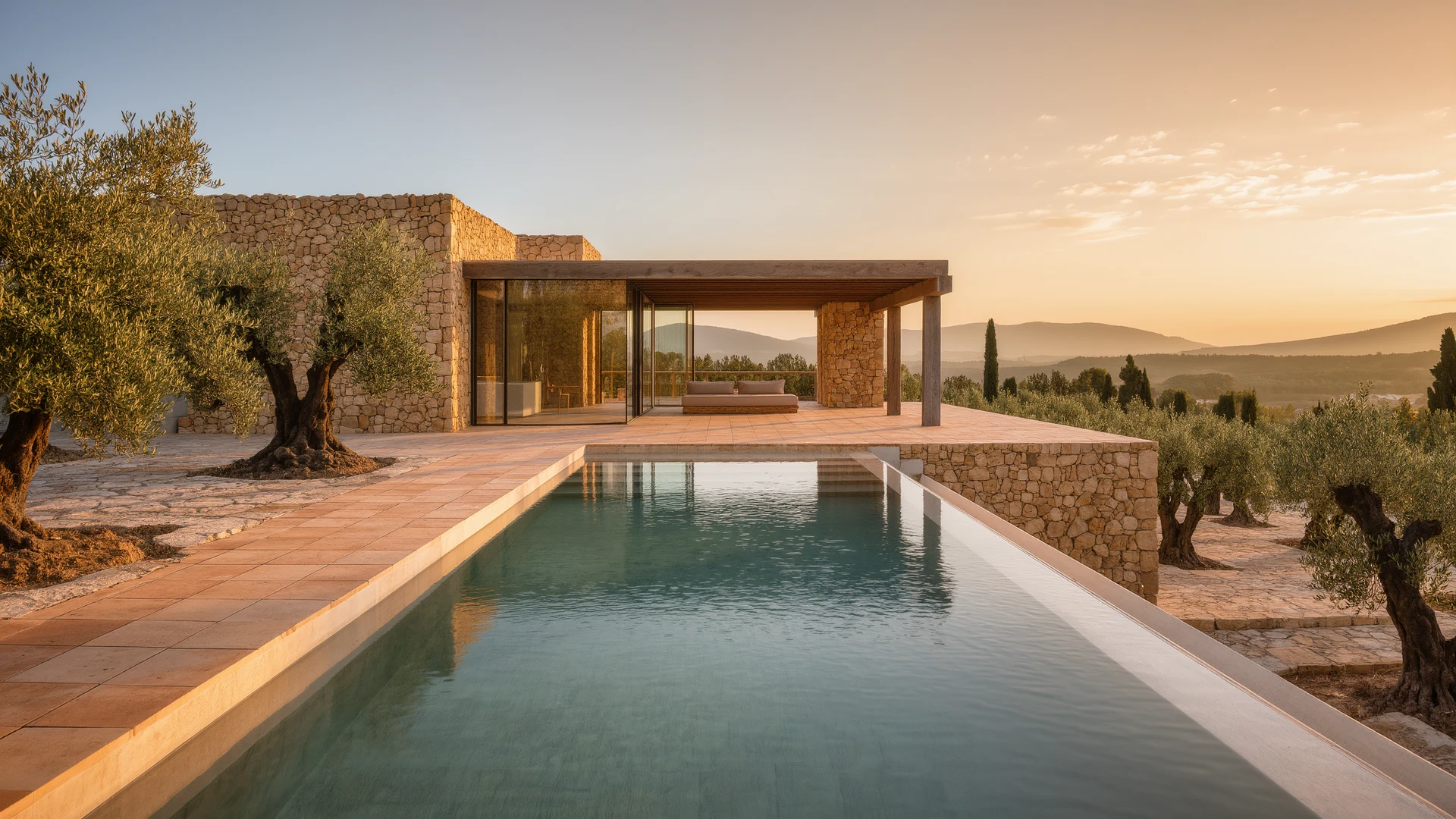
Luxury Finca in Mallorca: Prices, Costs, Water Rights
Luxury finca guide for Mallorca: prime locations, prices from 1.5M to 25M euros, restoration costs, water rights and what drives its valuation.
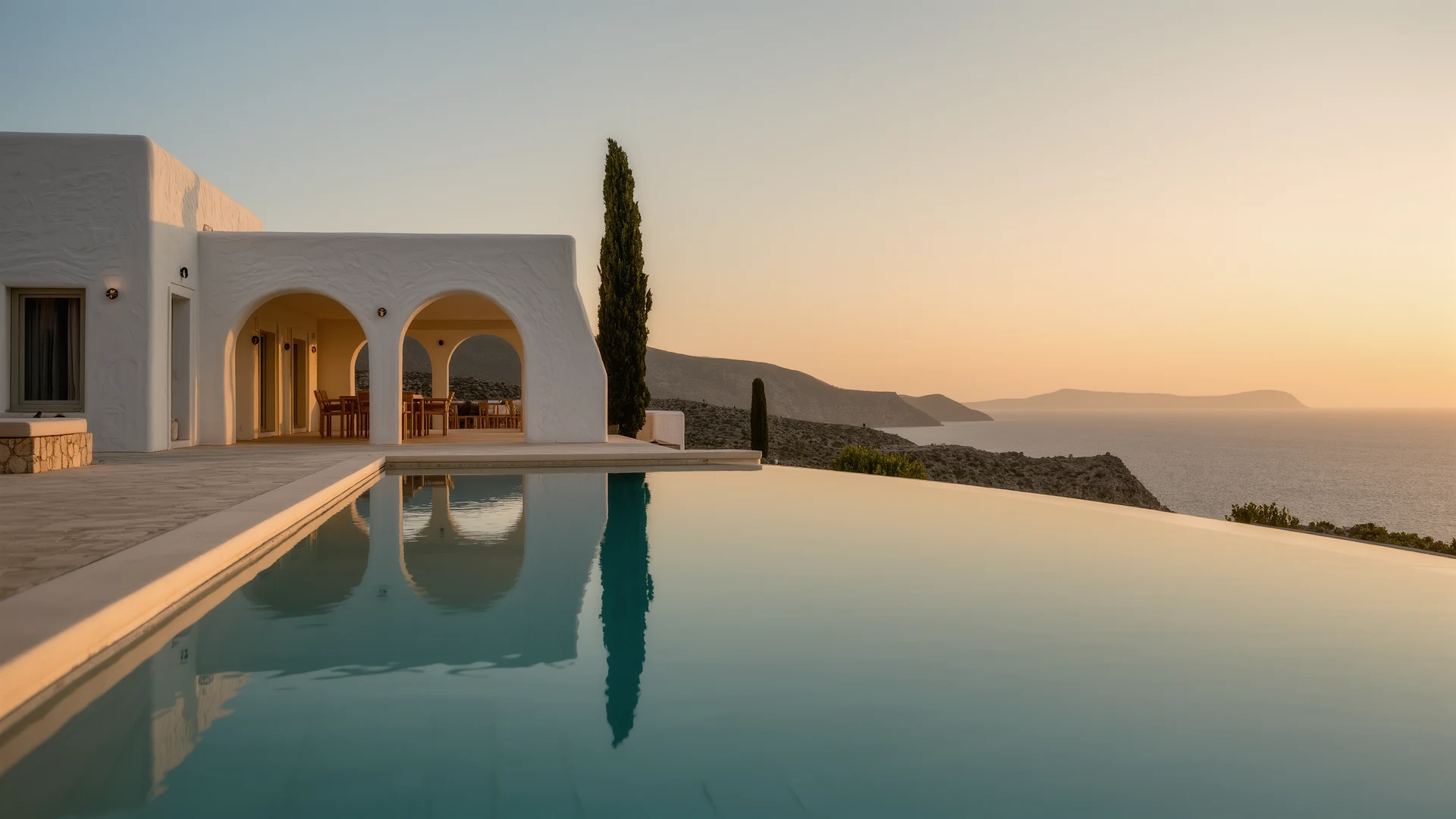
Mediterranean Villa Buying Guide: Prices, Yields, Taxes
Mediterranean villa buying guide 2026: prices, rental yields and taxes in Spain, France, Italy, Greece, Croatia and Montenegro, plus renovation rules.

Mallorca Luxury Real Estate Guide: Areas, Taxes, Prices
Mallorca luxury real estate guide: top areas like Portals Nous and Andratx, prices from 2 to 45 million euros, taxes, the Golden Visa and yields.