Living in Notting Hill: Urban Luxury in West London
Notting Hill in West London: Victorian architecture, diversity, luxury property, shopping and dining, the Carnival, green spaces and transport links.
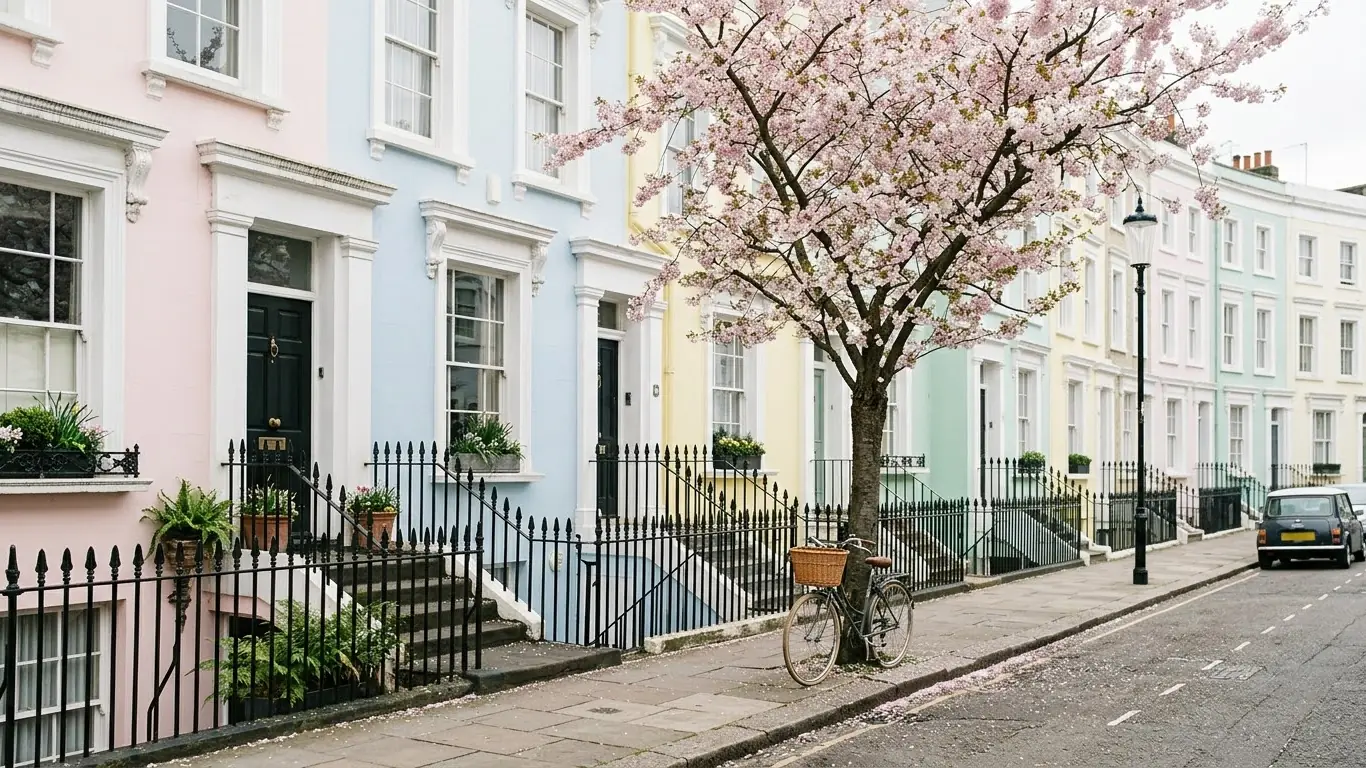

Notting Hill, a district in West London, began to develop in the 19th century as a fashionable residential neighborhood for the affluent, after starting out as a rural area. The name “Notting Hill” is believed to derive from the Old English term “noting,” a place where a person could gather nuts. This article covers its history, culture, property market, shopping and dining, events, green spaces, arts and transport.
Picturesque streets, grand Victorian houses and vibrant gardens made the area attractive to the upper classes. As the 20th century approached, the demographic landscape shifted dramatically: the arrival of the working class and immigrants turned Notting Hill into a melting pot of cultures and communities.
The charm of Notting Hill lies in its historical architecture and in its ability to retain a sense of community amid urban development.
The annual Notting Hill Carnival, which celebrates Caribbean culture, reflects the neighborhood’s diverse heritage.
The event has roots in the 1960s and shows the spirit of Notting Hill and its residents, reflecting a history of resilience and unity. Historical significance and contemporary vibrancy make the neighborhood well worth exploring.
Key Takeaways
- Notting Hill is a historic neighborhood with a rich cultural heritage and Victorian architecture.
- A vibrant, diverse community brings together many cultures and traditions.
- The luxury real estate market offers fine properties and high-end amenities.
- Upscale boutiques and restaurants make up a high-end shopping and dining scene.
- Events and markets such as the Notting Hill Carnival and the Portobello Road Market are famous.
The Vibrant Culture and Diversity of Notting Hill
Cultural diversity is one of Notting Hill’s defining features. The area has long been a haven for immigrants from various backgrounds, contributing traditions, languages and cuisines that are evident in local markets, restaurants and community events celebrating different heritages.
The Portobello Road Market reflects this diversity, with everything from antiques to international street food, including Jamaican jerk chicken, Indian samosas and Italian gelato within a few blocks. The cultural vibrancy extends to the arts and music scene.
The neighborhood has produced numerous artists, musicians and writers inspired by its eclectic environment. Local galleries show contemporary art alongside traditional works, and live music venues host performances that range from jazz to reggae. Street art on many walls tells stories of the community and its history.
The annual Notting Hill Carnival adds colorful parades, live performances and an atmosphere of celebration that unites people from all walks of life.
Notting Hill’s Luxury Real Estate Market
The luxury market in Notting Hill is among the most sought-after in London, defined by its properties and prime location. Elegant Victorian and Georgian homes, many carefully restored to preserve historical charm while incorporating modern amenities, often feature high ceilings, large windows and landscaped gardens, which makes them desirable among affluent buyers.
Demand has remained robust over the years, driven by the neighborhood’s prestige and its vibrant community. Investors are drawn by the potential for capital appreciation, and the blend of cultural richness and luxury living makes the area an attractive proposition for property investment, although outcomes are never certain.
Recent high-profile developments offer contemporary apartments with state-of-the-art facilities for a discerning clientele seeking comfort and style. Proximity to central London and excellent transport links add to Notting Hill’s appeal as a location for luxury living.
Notting Hill’s High-End Shopping and Dining Scene
Notting Hill is known for high-end shopping and dining that cater to discerning tastes. Boutique shops offer everything from designer fashion to artisanal goods, and Portobello Road is famous for its eclectic mix, with vintage clothing, unique homeware and handcrafted jewelry.
Independent retailers stand out for personalized service and curated selections, an alternative to mainstream shopping elsewhere in London. Dining reflects the neighborhood’s diverse culinary landscape, from Michelin-starred establishments to cozy cafes.
The Ledbury is a renowned restaurant for fine dining with seasonal menus that highlight local ingredients, while casual eateries like Granger & Co serve brunch in a relaxed atmosphere. Trendy bars and pubs complement the food scene and suit socializing after a day of shopping or exploring.
Notting Hill’s Iconic Events and Festivals
Events and festivals draw crowds from around the world. The Notting Hill Carnival is one of the largest street festivals in Europe, celebrating Caribbean culture with parades, music and dance. Held annually over the August bank holiday weekend, it features elaborate costumes and floats that reflect the heritage of the Caribbean community in London.
The carnival is both a celebration of cultural identity and a platform for social issues, fostering unity among diverse groups. Other events throughout the year showcase the neighborhood’s artistic spirit and community engagement, among them the Portobello Film Festival, which features independent films from emerging filmmakers.
The festival promotes creativity and encourages dialogue about social themes through cinema. Street fairs and seasonal markets bring together local artisans and vendors and give residents and visitors a chance to connect while celebrating the neighborhood’s character.
Notting Hill’s Green Spaces and Outdoor Activities
Despite its urban setting, Notting Hill has several green spaces for outdoor activities and relaxation. Holland Park is among the most notable, with landscaped gardens, woodlands and a Japanese garden that offers a serene escape from city life, and it hosts outdoor concerts and art exhibitions throughout the year.
The communal gardens scattered throughout Notting Hill are hidden gems, with tranquil spots for picnics or strolls among greenery. Residents gather there for community events or simply to enjoy nature.
Cycling along picturesque streets or joining local running clubs keeps people active. Green spaces and outdoor activities contribute to the quality of life in Notting Hill.
Notting Hill’s Arts and Entertainment Scene
The arts and entertainment scene is vibrant and diverse, reflecting the neighborhood’s cultural heritage. Numerous galleries show contemporary art by established and emerging artists, and the Museum of Brands offers an intriguing look at consumer culture through its collection of packaging and advertising materials spanning over 150 years.
This perspective invites visitors to engage with history in an innovative way. Several theaters host performances ranging from drama to comedy, and the Tabernacle Theatre is noteworthy for showcasing local talent and hosting events that celebrate different cultures through music and dance.
Live music venues such as The Notting Hill Arts Club give up-and-coming artists intimate settings to perform and foster a sense of community among music lovers. The arts scene enriches the cultural fabric of the neighborhood and attracts visitors eager to experience its creative offerings.
Transport and Access to London’s Attractions
Excellent transport links make it easy to navigate London’s extensive public transport system. Several Underground stations, including Notting Hill Gate and Ladbroke Grove, provide quick access to central London destinations such as Oxford Circus and Piccadilly Circus within minutes, and numerous bus routes connect the neighborhood with other parts of the city.
Its location also allows easy access to some of London’s best-known attractions. Kensington Gardens, home to the Serpentine Gallery and Kensington Palace, lies a short distance away, and cultural landmarks such as the British Museum and Buckingham Palace are reachable by public transport or on foot.
More from London
Exclusive Networks in London Property Sales
How private networks of agents, investors and buyers shape London property sales: off-market access, discretion, relationships and questions of transparency.
Restaurants and Cultural Spots: Lifestyle in London
London restaurants and cultural spots: fine dining, casual eateries, museums, galleries, theaters and lesser-known addresses that shape the city’s lifestyle.
London Real Estate Market Compared with Global Cities
London's property market compared with New York City, Hong Kong, Tokyo and Paris: prices, regulation, resilience and what investors should weigh.