Living in Södermalm: Stockholm’s Creative Island District
Södermalm, known as Söder, is Stockholm’s creative island district. A guide to its culture, dining, architecture, parks, shopping, transport and housing.
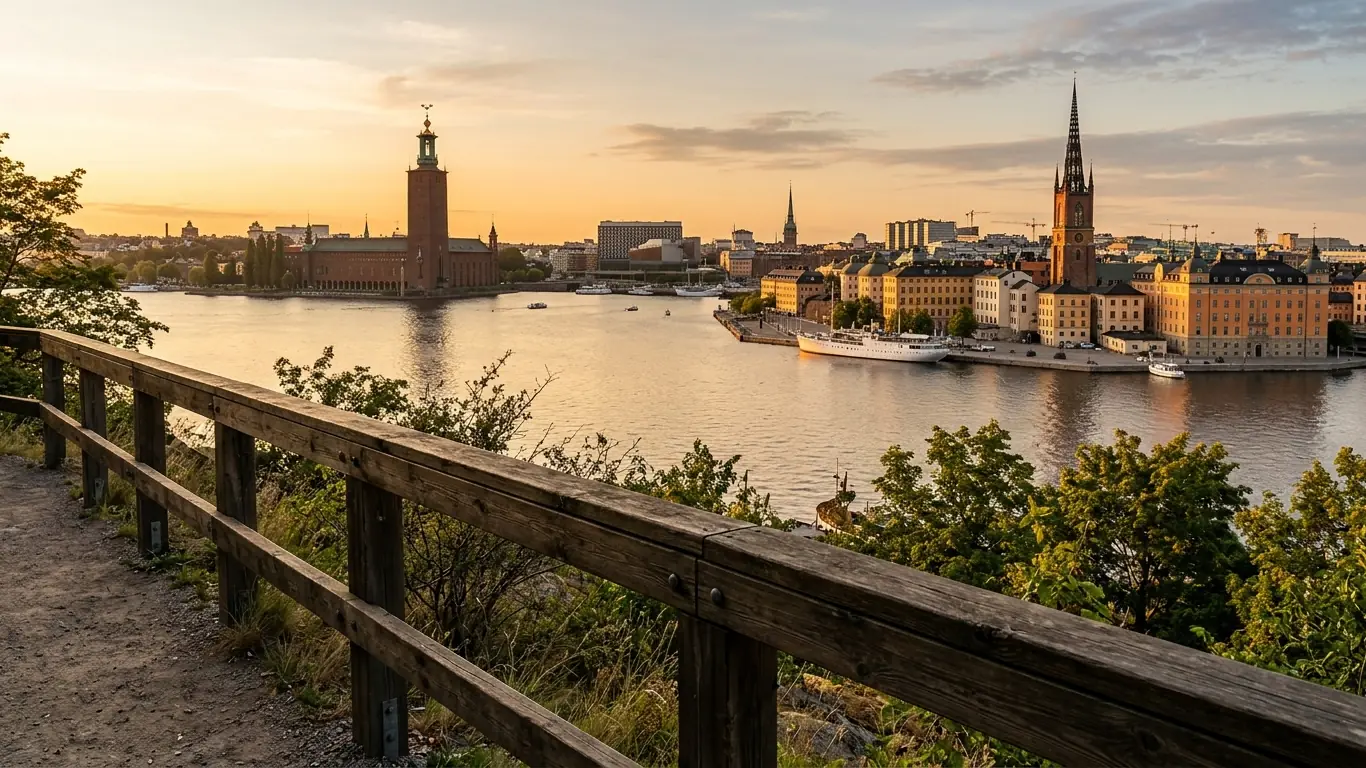

Södermalm, known to locals as “Söder,” is one of Stockholm’s most eclectic districts. Once defined by working-class roots and an industrial landscape, it has evolved over the past few decades into a hub of creativity, culture and modern living.
Lake Mälaren and the Baltic Sea frame the district with water views. Its origins reach back to the medieval period, and for a long time it was a place for the working class, with factories and warehouses dominating the landscape.
As Stockholm expanded, artists, musicians and young professionals seeking an alternative to the more traditional neighborhoods moved in. Art galleries, independent boutiques and lively cafés now sit side by side in the streets. Today Södermalm blends historical roots with contemporary influences, a clear case of urban renewal.
Key Takeaways
- Södermalm is a diverse Stockholm neighborhood with a long history and a distinctive atmosphere.
- Galleries, theaters and music venues give the district an active arts and culture scene.
- Dining ranges from trendy cafes and restaurants to traditional Swedish eateries and international cuisine.
- Historic buildings stand beside modern structures, which gives the district a varied architectural character.
- Several green spaces and outdoor activities offer room for relaxation and recreation.
Culture and Arts: Fotografiska, Jazz and Street Art
Södermalm is often regarded as the cultural heart of Stockholm. Galleries, theaters and performance spaces show both established and emerging talent. Fotografiska, a contemporary photography museum, hosts rotating exhibitions by Swedish and international photographers and serves as a gathering point for creative minds. The music scene is just as varied: intimate jazz clubs like Fasching stand alongside larger venues such as Debaser, with programs from indie rock to electronic beats.
The annual Stockholm Jazz Festival often places performances in various locations across the district, which strengthens its cultural reputation. Street art shapes the identity as well: murals on many buildings turn ordinary walls into canvases for social issues, personal stories and the spirit of the community.
Dining and Nightlife: From Pelikan to Trädgården
The culinary landscape is as diverse as the population, from traditional Swedish fare to international cuisine. Pelikan, a historic restaurant, has served classic Swedish dishes since 1903.
Diners find herring platters, meatballs and gravlax in an atmosphere that reflects the district’s heritage. After dark, Södermalm turns into a nightlife destination, with bars and clubs that draw locals and tourists alike.
Omnipollos Hatt suits a relaxed evening with an extensive selection of craft beers in a cozy setting. Trädgården offers a more energetic atmosphere, with an open-air setting, live DJs and dancing under the stars in the summer months. Nightlife here is about memorable experiences in spaces that reflect the district’s artistic spirit.
Architecture: Wooden Houses and Modern Apartments
Södermalm’s architecture blends old and new. Charming wooden houses from the 18th century stand beside modern apartment buildings by contemporary architects, and the contrast invites exploration.
The cobblestone streets of historic neighborhoods such as SoFo (South of Folkungagatan) are lined with well-preserved buildings of considerable character. Alongside them, innovative modern projects push the boundaries of design.
Green roofs and energy-efficient materials in newer projects reflect an environmental awareness that resonates with many residents. The architectural diversity also adds to the district’s appeal and creates spaces for social interaction.
Green Spaces: Tantolunden and the Waterfront
For an urban district, Södermalm has plenty of green space. Tantolunden is among the best-loved parks, with lush lawns, playgrounds and a beach area on the waterfront, and it draws families, joggers and picnickers into a lively community atmosphere.
In summer the park is a popular spot for sunbathing and outdoor activities such as frisbee or yoga classes.
The nearby Hammarby Sjöstad area offers well-maintained paths for cycling and walking along the waterfront. Outdoor movie screenings and seasonal markets often take place in these green spaces and strengthen the link between nature and community life.
Shopping and Fashion: Boutiques, Vintage and Markets
Södermalm is a shopping destination that reflects its creative spirit. Independent boutiques, vintage shops and concept stores offer one-of-a-kind pieces, and areas such as SoFo are known for an eclectic mix, from handmade jewelry to designer clothing.
The emphasis on local craftsmanship gives shopping here an authenticity that sets it apart from mainstream retail. Several markets celebrate local artisans and designers, and the Hornstull Market is a prime example, with stalls of handmade goods, vintage finds and artisanal food products.
The market supports local businesses and works as a place to shop, eat and socialize. Sustainability and ethical consumption are visible in many shops across the district, which suits those who prefer conscious shopping.
Transportation: Subway, Bikes and Walking
Several subway lines connect the district to the rest of Stockholm. Stations such as Medborgarplatsen and Slussen act as central hubs for public transport and for amenities within Södermalm itself.
Numerous bus routes add surface connections. For cyclists and pedestrians, Södermalm has an extensive network of bike lanes and pedestrian-friendly streets, and the flat terrain makes commuting by bicycle or on foot easy, with views of the waterfront or charming neighborhoods along the way.
Car-sharing services are popular among locals who do not own vehicles but occasionally need one for longer trips outside the city center. Together with public transport and sustainable commuting, they support the district’s reputation as an accessible urban environment.
Real Estate in Södermalm: Housing and Demand
Södermalm is one of Stockholm’s most sought-after neighborhoods, and its mix of historical charm and modern amenities draws locals and expatriates alike. Housing ranges from stylish apartments in renovated warehouses to contemporary condominiums with views of the waterfront.
Many buildings carry architectural details that recall the district’s history alongside modern conveniences. Demand has pushed housing prices up significantly in recent years. Entering the market as a first-time buyer or renter can be demanding, though there are opportunities for those willing to explore different areas within Södermalm or to consider shared living arrangements.
More from Stockholm
Family-Friendly Living in Stockholm’s Neighborhoods
Parks, schools and childcare, restaurants, healthcare, events, transport and safety: what Stockholm’s neighborhoods offer families with children.
Stockholm Development Projects 2026: Housing and Transit
Stockholm reshapes transport, housing, parks and historic landmarks with an eye on sustainability. An overview of the projects shaping the city in 2026.
Suburban Living in Stockholm: Trends in the Outskirts
Why more households move to the outskirts of Stockholm: urban sprawl, housing, transport, amenities, challenges and the outlook for suburban living.