Long-Term Appreciation in Marbella: What Supports Values
Marbella’s property market rests on location, luxury developments, international demand and tourism. A balanced look at what supports long-term value.
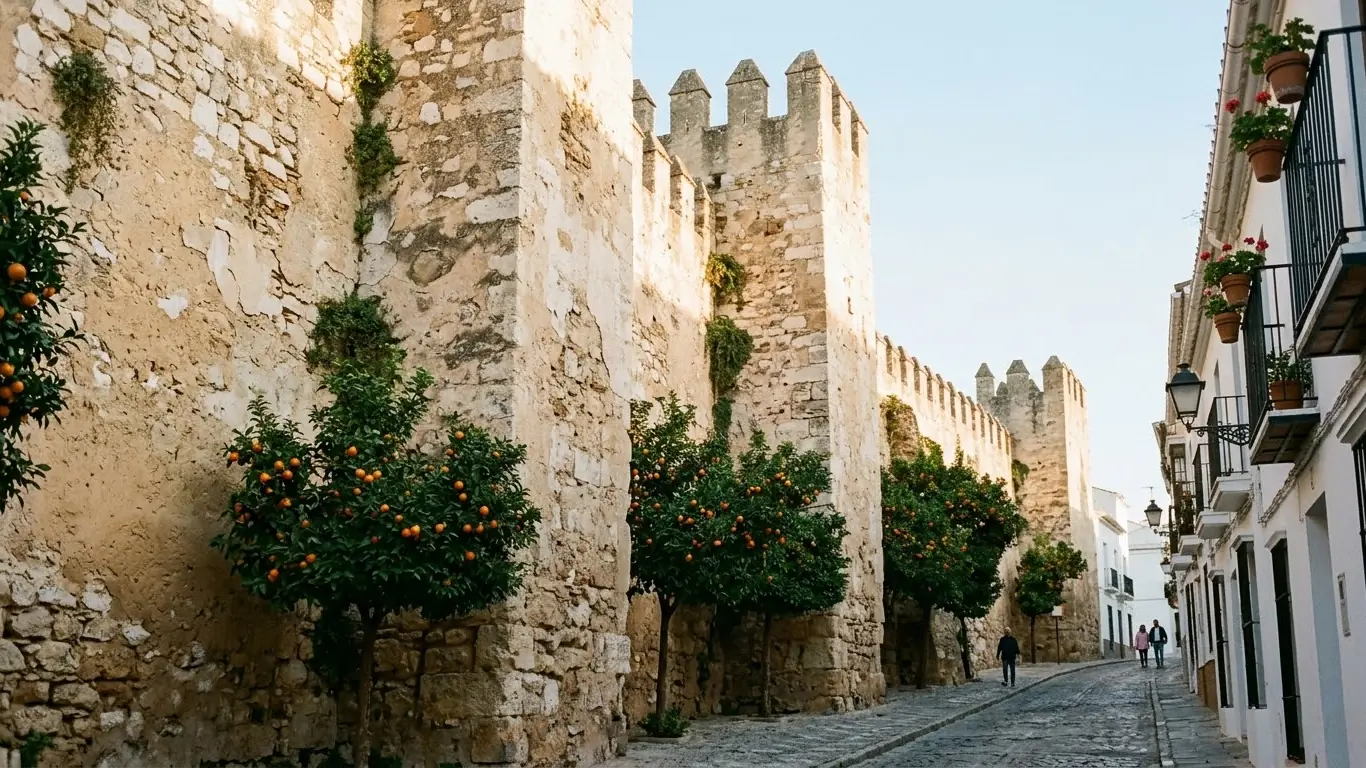

Marbella lies on the southern coast of Spain, on the Costa del Sol, and is known for its beaches, nightlife and luxurious lifestyle. History, culture and modernity meet here, which makes the town inviting and sophisticated. This article examines what supports property values over the long term.
A Mediterranean climate with warm summers and mild winters makes Marbella a year-round destination for tourists and expatriates. Its cultural character adds to the appeal of the scenery.
The mix of history and modernity attracts people from many backgrounds. Marbella has established itself as a destination for luxury living, which is why it draws attention from real estate investors.
Key Takeaways
- Marbella’s appeal rests on its natural surroundings, cultural heritage and luxurious lifestyle.
- The real estate market has a record of stability, which makes it a candidate for long-term investment.
- Limited supply, high demand and strict building regulations support long-term appreciation.
- Luxury developments underpin the market with high-quality amenities and services.
- International appeal and a strong rental market shape Marbella’s investment case, backed by its reputation as a luxury destination.
Marbella’s Property Market: A Record of Stability
Marbella’s real estate market has shown stability over the years. It began to attract affluent buyers seeking second homes or vacation properties in the 1960s and has since grown into a global address for luxury real estate, with properties for varied tastes and preferences.
The range runs from opulent villas overlooking the Mediterranean to contemporary apartments in busy urban areas. Consistent demand is a key factor behind the market’s stability: the town’s reputation as a luxury destination has attracted domestic and international buyers and kept interest in properties steady.
Even in economic downturns, property values have held up relatively well compared with other regions. High standards in urban planning and development support the quality of life for residents and visitors.
What Supports Long-Term Appreciation in Marbella
Location is one factor: Marbella lies on the Costa del Sol with easy access to major cities such as Malaga and Gibraltar. That connectivity strengthens its appeal to tourists and expatriates and drives demand for properties in the area.
Nearby international airports make travel easy for residents and visitors. Infrastructure is another factor: Marbella has invested heavily in it, so residents have access to high-quality amenities and services.
Golf courses, high-end shopping centers and gourmet dining attract discerning buyers. A focus on sustainability and environmental preservation adds appeal for those who seek eco-friendly living in beautiful surroundings.
Luxury Developments: Amenities, Security and Design
Numerous high-end projects have emerged over the years for affluent buyers seeking exclusive properties with state-of-the-art amenities. They typically offer striking architectural design, private pools, landscaped gardens and views of the Mediterranean Sea.
Such developments improve the look of the area and can support the value of surrounding properties. Many add security features and services that appeal to high-net-worth individuals, and gated communities with 24-hour security personnel give residents peace of mind.
Spas, fitness centers and concierge services raise the living experience further. Sustained demand for such properties supports the stability of the market and draws investors with a long-term horizon.
International Appeal: Buyers and Expatriates
Marbella’s international appeal is among its strongest assets for real estate. The town draws people from many countries who seek a luxurious lifestyle in a beautiful setting. This cosmopolitan atmosphere fosters community among residents and creates opportunities for networking among international investors.
The diverse mix of buyers keeps demand for properties consistent. Owners can pursue rental opportunities in peak tourist seasons, or buy properties for expatriates seeking long-term residences. Marbella’s reputation as a safe and welcoming destination adds to its attractiveness as a location for investment.
Planning Policy and Infrastructure in Marbella
Local authorities have introduced regulations that promote sustainable development while protecting the town’s natural beauty and cultural heritage. These policies encourage responsible construction and make sure that new developments match the community’s vision of high living standards.
The local government has invested significantly in transportation networks, public services and recreational facilities. Upgrades to roads and public transport improve accessibility within the region.
Investments in healthcare facilities and educational institutions add to quality of life for residents.
Tourism and the Rental Market in Marbella
Tourism influences property values and demand significantly. Millions of visitors come each year for the beaches, nightlife and cultural events, and their presence creates a robust rental market for owners who offer short-term rentals during peak seasons.
Rising demand for vacation rentals can support rental income, though results depend on location, season and regulation. Tourism also contributes to economic growth, jobs and infrastructure, and local authorities have an incentive to invest further in amenities that improve the visitor experience.
This cycle of growth benefits local businesses and can support property values as more people look to invest in a community with strong economic prospects.
More from Marbella
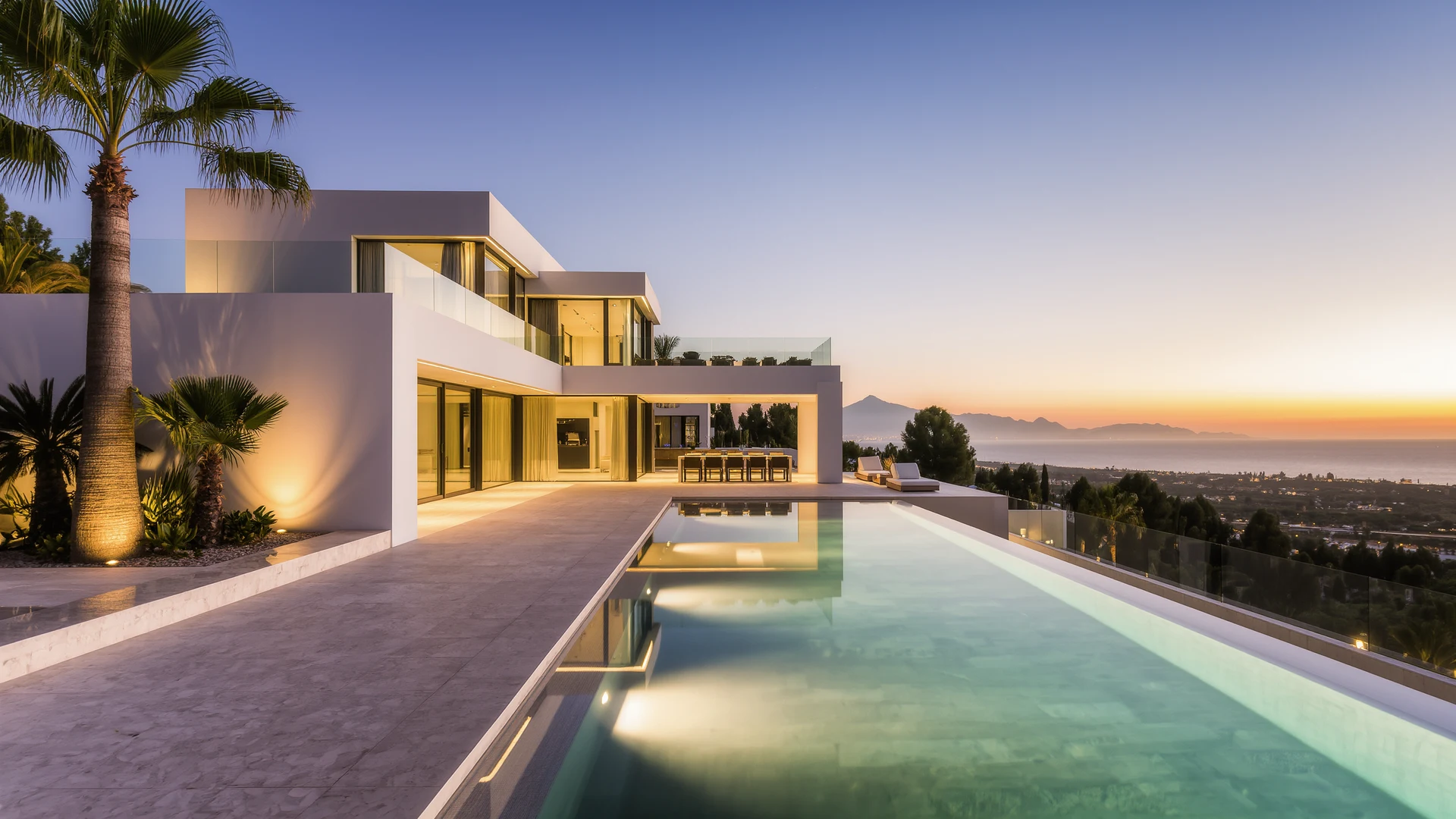
Marbella Property Market 2026: Prices, Areas and Taxes
Marbella property market 2026: €7.2bn in 2025 sales and prices up 5.8%, the Golden Mile, La Zagaleta and Puerto Banús, buyer profiles and tax guidance.
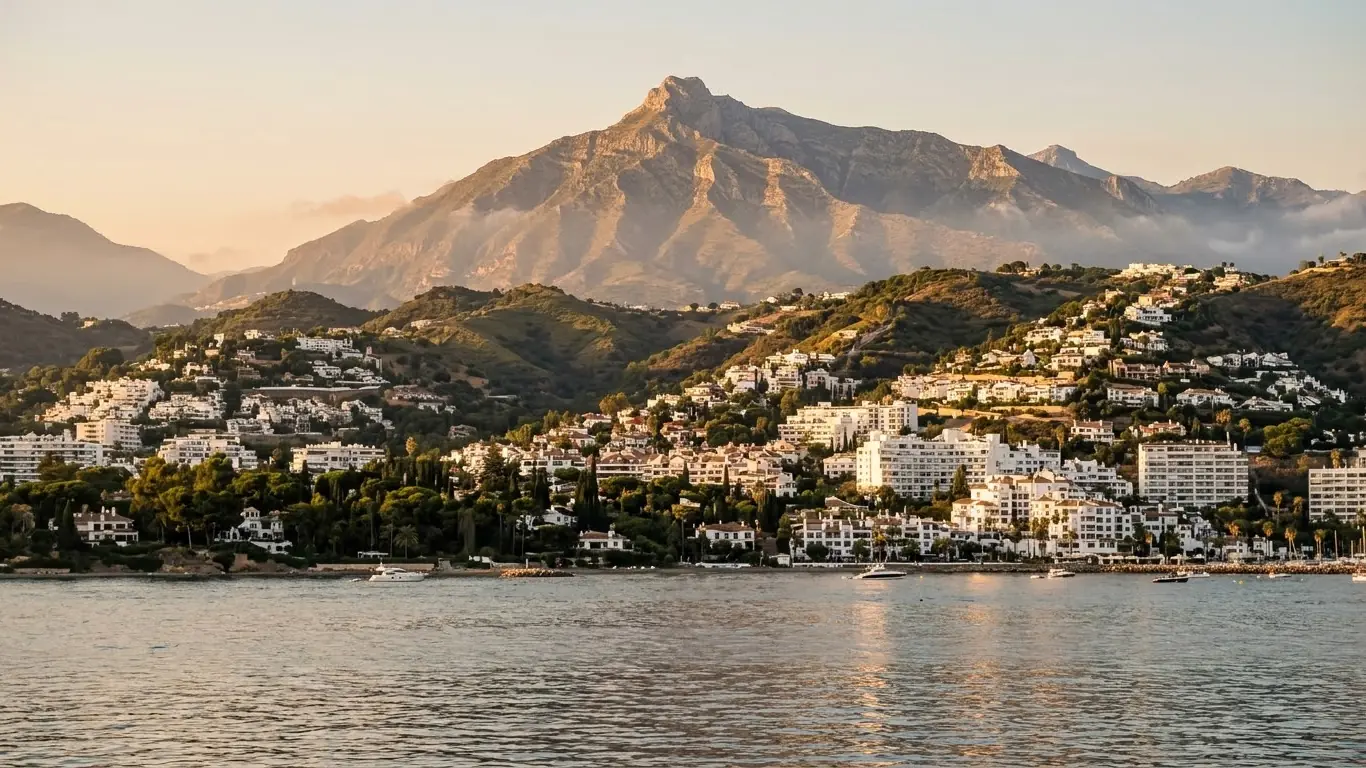
Marbella Property Market: What Draws Investors
Marbella draws property investors with its climate, rental demand and range of villas and apartments. A balanced look at the market, segments and risks.
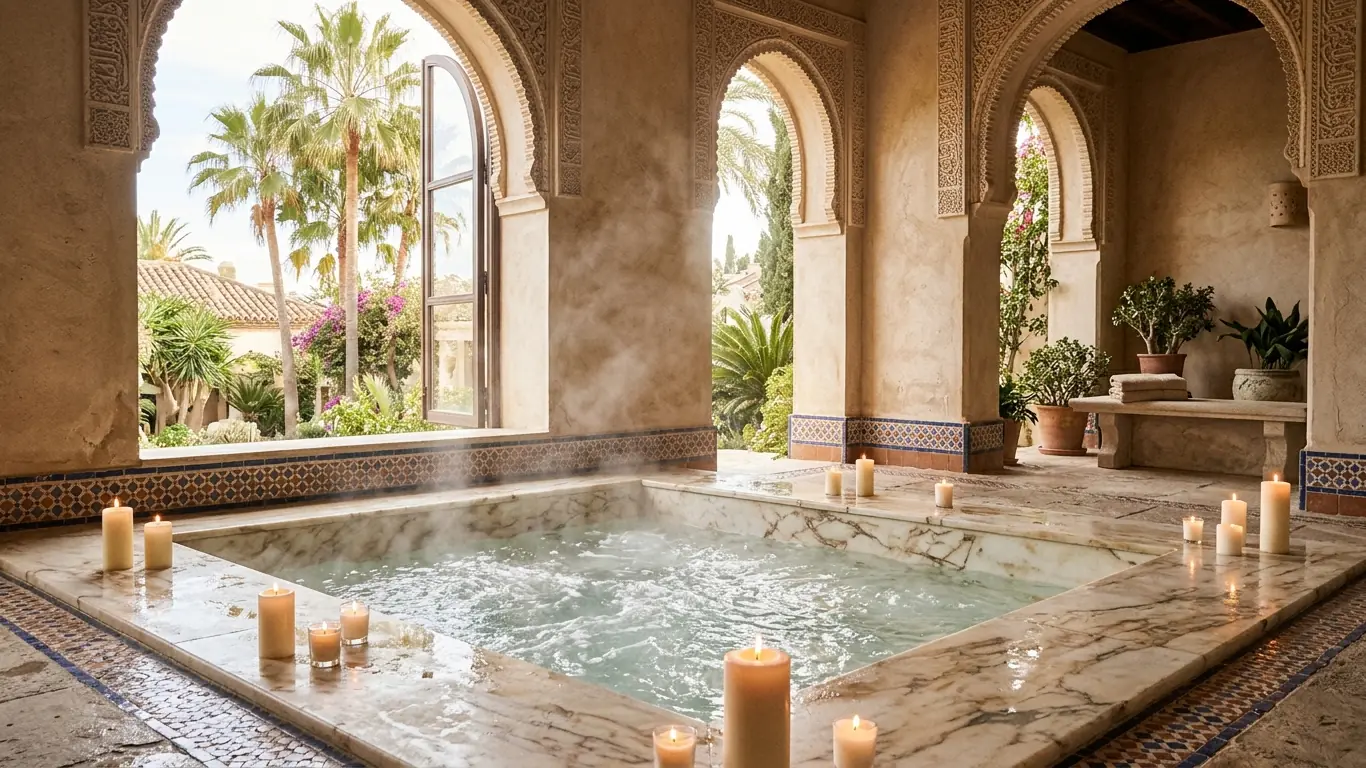
Wellness Properties in Marbella: Health Meets Luxury
Wellness properties in Marbella: why they are gaining ground, what features define them, how health and luxury combine and what to weigh when choosing one.