Mallorca · 39.62°N 2.99°E · File 386
Mallorca’s Commercial Real Estate Market
Mallorca, the largest island in the Balearic archipelago, has long been a coveted destination for tourists and expatriates alike. Its stunning landscapes, rich cultural heritage, a…
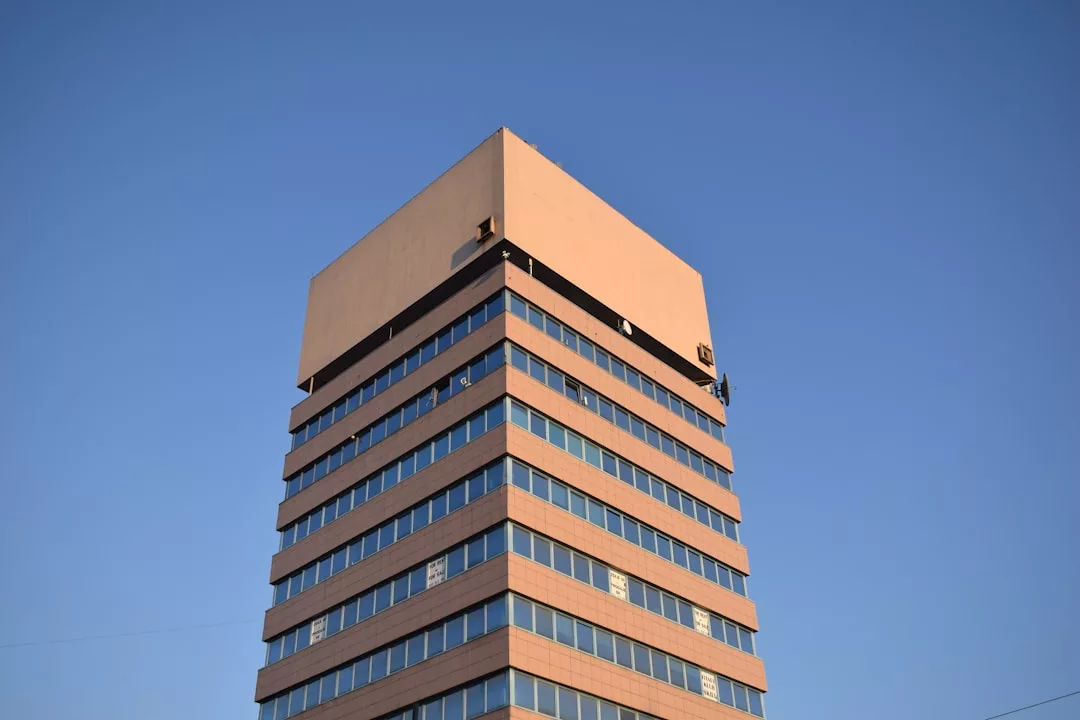
Mallorca, the largest island in the Balearic archipelago, has long been a coveted destination for tourists and expatriates alike. Its stunning landscapes, rich cultural heritage, and favorable climate have made it a prime location for both residential and commercial real estate investments. The commercial real estate market in Mallorca has seen significant growth over the past few years, driven by a combination of factors including increased tourism, a burgeoning expatriate community, and a growing demand for retail and office spaces.
This vibrant market is characterized by a diverse range of properties, from luxury hotels and resorts to modern office buildings and retail outlets. The commercial real estate landscape in Mallorca is not only shaped by local demand but also influenced by international investors seeking opportunities in this picturesque Mediterranean locale. The island’s strategic location, coupled with its robust infrastructure and connectivity, has made it an attractive option for businesses looking to establish a presence in the region.
As a result, the commercial real estate market has become increasingly competitive, with various stakeholders vying for prime locations and high-quality properties. This dynamic environment presents both opportunities and challenges for investors and developers alike.
Key Takeaways
- Mallorca’s commercial real estate market is experiencing steady growth, driven by tourism and a strong economy.
- The market is seeing a trend towards mixed-use developments and sustainable, eco-friendly properties.
- Key players and investors in Mallorca’s commercial real estate market include local developers, international investors, and real estate investment trusts (REITs).
- Opportunities in the market include the development of luxury hotels, retail spaces, and office buildings, while challenges include limited land availability and strict building regulations.
- Tourism has a significant impact on Mallorca’s commercial real estate market, driving demand for hotel and retail space, as well as influencing property prices and rental yields.
Trends and Developments in Mallorca’s Commercial Real Estate Market
In recent years, several key trends have emerged within Mallorca’s commercial real estate market. One notable trend is the increasing demand for mixed-use developments that combine residential, retail, and office spaces. These projects cater to the evolving needs of both residents and businesses, creating vibrant communities that foster interaction and engagement.
Developers are increasingly recognizing the value of creating spaces that promote a sense of community while also providing essential services and amenities. Another significant trend is the rise of sustainable and eco-friendly building practices. As awareness of environmental issues grows, both investors and consumers are placing greater emphasis on sustainability in their purchasing decisions.
This shift has led to an increase in the development of green buildings that utilize energy-efficient technologies and sustainable materials. In Mallorca, this trend is particularly relevant given the island’s commitment to preserving its natural beauty and resources. Developers who prioritize sustainability are likely to find themselves at a competitive advantage in this evolving market.
Key Players and Investors in Mallorca’s Commercial Real Estate Market
The commercial real estate market in Mallorca is populated by a diverse array of key players, including local developers, international investment firms, and real estate agencies. Local developers often possess an intimate understanding of the island’s unique characteristics and market dynamics, allowing them to identify lucrative opportunities that may be overlooked by outsiders. These developers are often well-connected within the community, enabling them to navigate regulatory hurdles and build relationships with local stakeholders.
International investors have also taken a keen interest in Mallorca’s commercial real estate market, drawn by the island’s appeal as a tourist destination and its potential for long-term growth. This influx of capital has led to heightened competition for prime assets, driving up prices and prompting developers to innovate in order to differentiate their offerings.
The interplay between local expertise and international investment creates a dynamic environment that shapes the future of Mallorca’s commercial real estate landscape.
Opportunities and Challenges in Mallorca’s Commercial Real Estate Market
While Mallorca’s commercial real estate market presents numerous opportunities for investors and developers, it is not without its challenges. One of the primary opportunities lies in the growing demand for high-quality office spaces as remote work becomes more prevalent. Many businesses are reevaluating their office needs, leading to an increased interest in flexible workspaces that can accommodate a hybrid workforce.
This trend presents an opportunity for developers to create modern office environments that cater to the changing needs of businesses. However, challenges also abound in this competitive market. One significant hurdle is the regulatory environment surrounding commercial real estate development in Mallorca.
Local regulations can be complex and may vary significantly from one municipality to another. Navigating these regulations can be time-consuming and may deter potential investors from pursuing projects on the island. Additionally, the rising costs of construction materials and labor can impact profit margins, making it essential for developers to carefully assess their financial strategies before embarking on new projects.
Impact of Tourism on Mallorca’s Commercial Real Estate Market
Tourism plays a pivotal role in shaping Mallorca’s commercial real estate market. The island attracts millions of visitors each year, creating a robust demand for hospitality-related properties such as hotels, restaurants, and retail outlets. This influx of tourists not only drives revenue for existing businesses but also encourages new investments in commercial real estate.
As tourism continues to thrive, the demand for high-quality accommodations and services is expected to grow, presenting opportunities for developers to capitalize on this trend. However, the reliance on tourism also poses risks to the commercial real estate market. Economic fluctuations or global events that impact travel can have immediate consequences for businesses dependent on tourist traffic.
For instance, the COVID-19 pandemic highlighted the vulnerability of the tourism sector, leading to temporary closures and reduced occupancy rates for hotels and restaurants. As such, investors must remain vigilant and consider diversifying their portfolios to mitigate risks associated with tourism fluctuations.
Regulatory and Legal Considerations for Commercial Real Estate in Mallorca
Navigating the regulatory landscape is a critical aspect of engaging in commercial real estate transactions in Mallorca. The island’s legal framework encompasses various laws and regulations that govern property ownership, development approvals, zoning restrictions, and environmental considerations. Understanding these regulations is essential for investors seeking to develop or acquire commercial properties.
One key consideration is the need for obtaining necessary permits before commencing any construction or renovation projects. The process can be intricate, often requiring collaboration with local authorities and adherence to specific guidelines aimed at preserving the island’s cultural heritage and natural environment. Additionally, potential investors should be aware of property taxes, rental regulations, and other legal obligations that may impact their investment decisions.
Engaging local legal experts who specialize in real estate can provide invaluable guidance throughout this process.
Emerging Submarkets and Investment Hotspots in Mallorca
As Mallorca’s commercial real estate market continues to evolve, several emerging submarkets are gaining attention from investors seeking new opportunities. One such area is Palma, the island’s capital, which has seen significant revitalization efforts aimed at enhancing its urban landscape. The demand for office spaces, retail outlets, and mixed-use developments in Palma has surged as businesses flock to the city center to capitalize on its vibrant atmosphere.
Another promising investment hotspot is the coastal region of Alcúdia, known for its stunning beaches and family-friendly amenities. This area has become increasingly popular among tourists seeking vacation rentals and short-term accommodations. As a result, there is a growing demand for commercial properties that cater to this demographic, including hotels, restaurants, and recreational facilities.
Investors who recognize these emerging trends can position themselves strategically within these submarkets to capitalize on future growth.
Future Outlook for Mallorca’s Commercial Real Estate Market
Looking ahead, the future of Mallorca’s commercial real estate market appears promising despite potential challenges on the horizon. The island’s enduring appeal as a tourist destination ensures a steady demand for hospitality-related properties while also fostering growth in other sectors such as retail and office spaces. As businesses adapt to changing consumer preferences and work patterns, there will likely be continued interest in flexible workspaces that accommodate diverse needs.
Moreover, ongoing investments in infrastructure improvements will enhance connectivity within Mallorca and bolster its attractiveness as a business hub. The potential for sustainable development practices will also play a crucial role in shaping the future landscape of commercial real estate on the island. As stakeholders prioritize eco-friendly initiatives, those who embrace sustainability will likely find themselves well-positioned for success.
In conclusion, while challenges exist within Mallorca’s commercial real estate market, the opportunities presented by tourism growth, evolving consumer preferences, and emerging submarkets create a dynamic environment ripe for investment. By staying attuned to market trends and regulatory considerations, investors can navigate this vibrant landscape effectively while contributing to the island’s continued development as a premier destination for both residents and visitors alike.
Same market
More from Mallorca
Mallorca · 14 min
Luxury Finca Complete Guide
Luxury finca guide for Mallorca: prime locations, prices from 1.5M to 25M euros, restoration costs, water rights and a 7.2% growth rate driving this r…
Mallorca · 14 min
Mediterranean Villa Buying Guide
Mediterranean villa buying guide 2026: prices, yields and tax across Spain, France, Italy, Greece, Croatia and Montenegro in a 320 billion euro luxury…

Mallorca · 16 min
Mallorca Luxury Real Estate Guide
Mallorca luxury real estate guide: 2025 prices from 2 to 45 million euros, top areas like Portals Nous and Port d’Andratx, taxes, Golden Visa an…