Marbella Development Projects 2025: What Is Planned
The Marbella development agenda for 2025 covers green infrastructure, architecture, luxury residences, cultural sites, smart city plans and open questions.
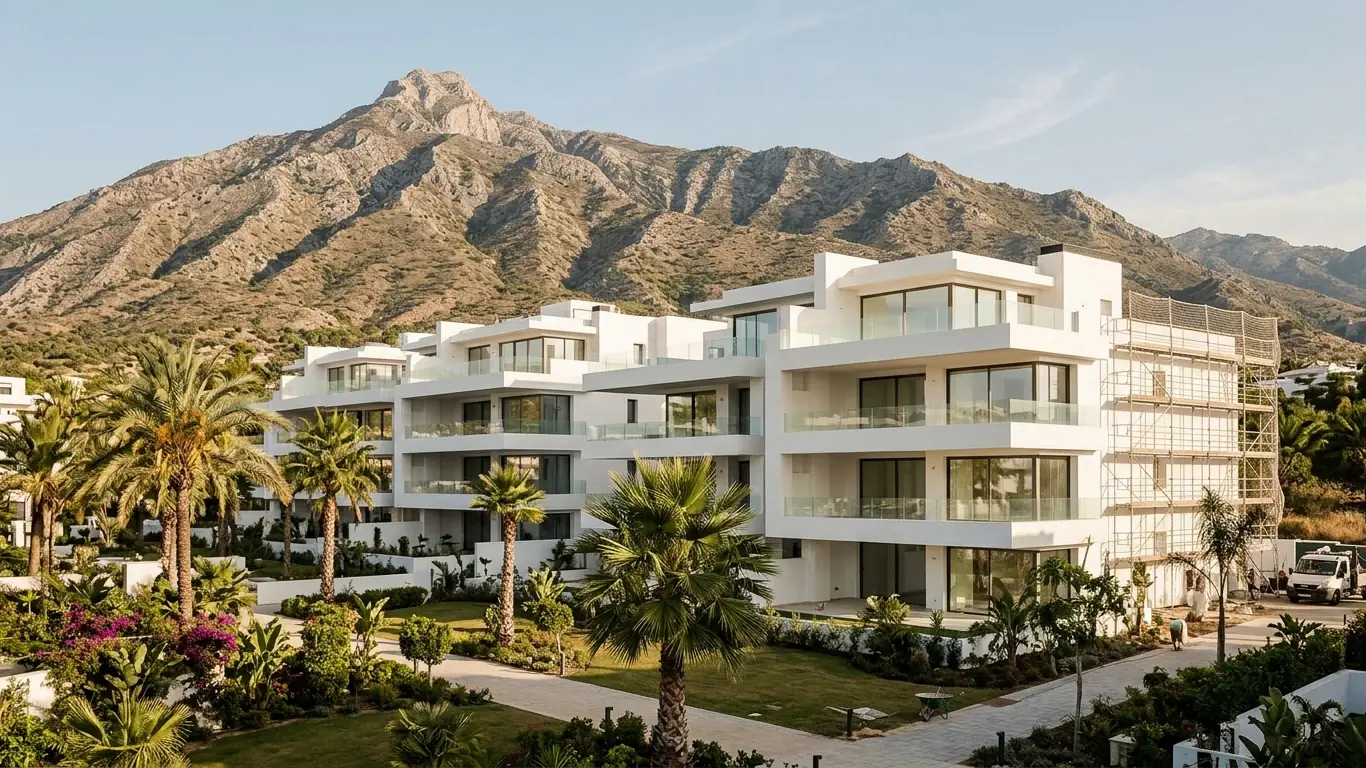

Marbella, on the Costa del Sol, has long stood for luxury, sunny beaches and a vibrant lifestyle. Its development agenda for 2025 aims at more than expansion: sustainability, innovation and cultural enrichment, while preserving the city’s charm and adapting to modern living. This article sets out the main projects, their aims and the open questions.
Global interest in Marbella as a lifestyle hub keeps growing. Climate, landscape and cultural heritage attract a diverse mix of people, from affluent expatriates to international investors. The agenda is designed to serve this growing population while keeping Marbella a desirable place to live and visit.
Sustainable practices and innovative designs are meant to balance economic growth with ecological responsibility.
Key Takeaways
- The 2025 projects aim to make Marbella a modern, sustainable urban center.
- Sustainable infrastructure and green spaces are intended to improve livability and environmental quality.
- Contemporary architecture and new landmarks are meant to shape Marbella’s identity for residents and visitors.
- Luxury residential and commercial developments target high-end investors and raise the profile of the real estate market.
- Restoring historical and cultural sites should preserve heritage and open new opportunities for tourism and cultural exchange.
- Smart city initiatives aim to raise efficiency and make Marbella a leader in innovation.
- The projects are expected to bring economic impact and jobs across various sectors.
- Prospects look promising, but managing growth and keeping the city affordable remain open questions.
Sustainable Infrastructure and Green Spaces
Sustainable infrastructure and new green spaces form a cornerstone of the strategy. As urbanization rises, the city wants to bring nature into its urban fabric, with parks, gardens and recreational areas that add to its appeal and are intended to promote biodiversity and improve air quality.
These green spaces are meant to act as lungs for the urban environment, offering room for relaxation, exercise and community life. Sustainable infrastructure aims to reduce Marbella’s carbon footprint, including energy-efficient public transport, pedestrian-friendly pathways and cycling routes for eco-friendly commuting.
Renewable energy is part of the plan, with solar panels on public buildings and electric vehicle charging stations across the city. Marbella aims to set a benchmark for other cities in Spain and beyond, showing that economic development and environmental stewardship can go together.
Contemporary Architecture and New Landmarks
Architecture is set to change the skyline as Marbella moves toward 2025. The city is embracing contemporary styles that blend with its Mediterranean heritage, aiming for landmarks that are functional and visually striking and that use modern technology while respecting the natural landscape. Among the notable projects are mixed-use complexes that combine residential, commercial and recreational spaces, with open and communal areas meant to foster a sense of community.
Landmark buildings are also planned as cultural hubs, with art galleries, performance venues and exhibition spaces that celebrate local talent and heritage. Such architecture shapes the visual identity of Marbella and creates places for social interaction and cultural exchange.
Luxury Residential and Commercial Developments
Marbella is known for its luxurious lifestyle, and new residential and commercial projects extend that reputation. High-end real estate projects target affluent buyers who want exclusive properties with views and modern amenities, often including private pools, wellness centers and concierge services.
Commercial developments are growing as well. Marbella positions itself as business-friendly, with modern office space meant to attract startups and established companies. Co-working spaces within these hubs reflect a shift toward flexible working arrangements for a diverse workforce.
Revitalization of Historical and Cultural Sites
Alongside new development, Marbella is committed to preserving its historical and cultural heritage, and restoring historical sites is a key part of the strategy for 2025. Efforts focus on landmarks such as the Old Town with its narrow streets, traditional Andalusian architecture and lively plazas.
The initiatives aim at a harmonious blend of old and new, so that visitors can experience the city’s history alongside contemporary amenities. Cultural sites are also a priority, with plans for museums, galleries and cultural centers that celebrate local art and history, which should foster pride among residents and attract cultural tourism.
Art festivals, historical reenactments and culinary showcases are meant to enrich the cultural landscape further.
Smart City Initiatives and Technology
Marbella is turning to smart city initiatives to improve urban living. Smart technologies in infrastructure are meant to raise efficiency from transportation to waste management; smart traffic management systems, for instance, are intended to optimize traffic flow, reduce congestion and improve air quality.
The city is also exploring digital platforms for communication between residents and local authorities, through which citizens could report issues, access services and take part in decision-making. The aim is a more connected community in which residents feel empowered to contribute to the city’s development.
Economic Impact and Job Creation
The projects planned for Marbella by 2025 are expected to have a significant economic impact on the region. New residential and commercial developments should create jobs: construction work during the building phase and, once businesses open, employment across various sectors.
The focus on sustainable practices and innovative designs should also attract local and international investment. As Marbella positions itself in sustainable urban development, it may draw interest from companies specializing in green technologies and eco-friendly solutions, which could bolster the local economy and a job market able to adapt to changing conditions.
Future Prospects and Potential Challenges
The outlook is promising, but the ambitious plans for 2025 bring challenges that need careful handling. Balancing growth with sustainability will require ongoing commitment from local authorities and stakeholders, and new developments should not encroach on natural habitats or disrupt existing communities.
Managing the influx of tourists while maintaining quality of life for residents is a further challenge. As Marbella continues to attract visitors from around the world, accommodating this growth without compromising the city’s charm will be essential. Engaging residents in discussions about development priorities can help mitigate potential conflicts and foster a sense of shared ownership of Marbella’s future. The journey ahead may present obstacles, and careful planning and collaboration among stakeholders will decide how well Marbella meets them.
More from Marbella
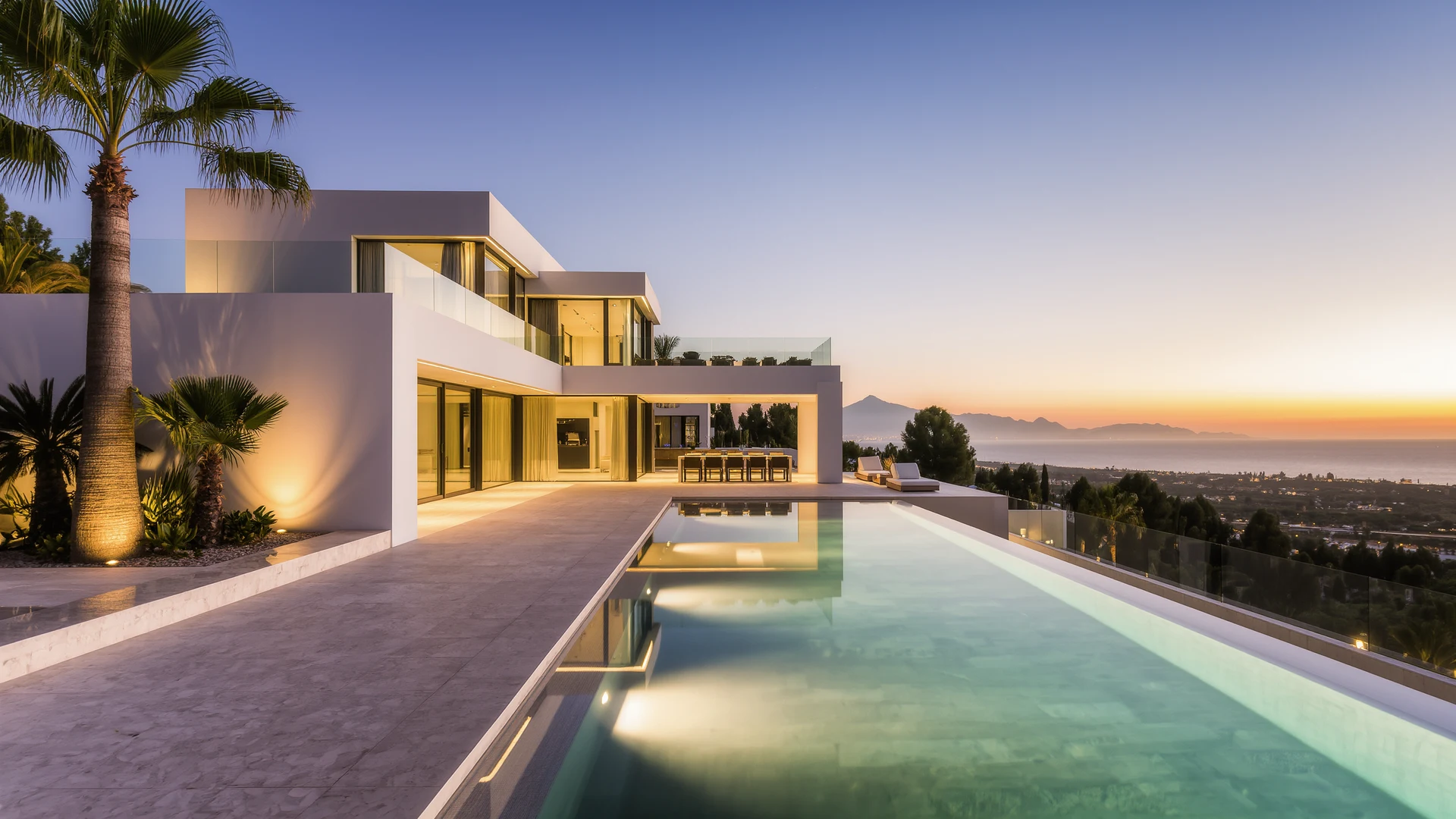
Marbella Property Market 2026: Prices, Areas and Taxes
Marbella property market 2026: €7.2bn in 2025 sales and prices up 5.8%, the Golden Mile, La Zagaleta and Puerto Banús, buyer profiles and tax guidance.
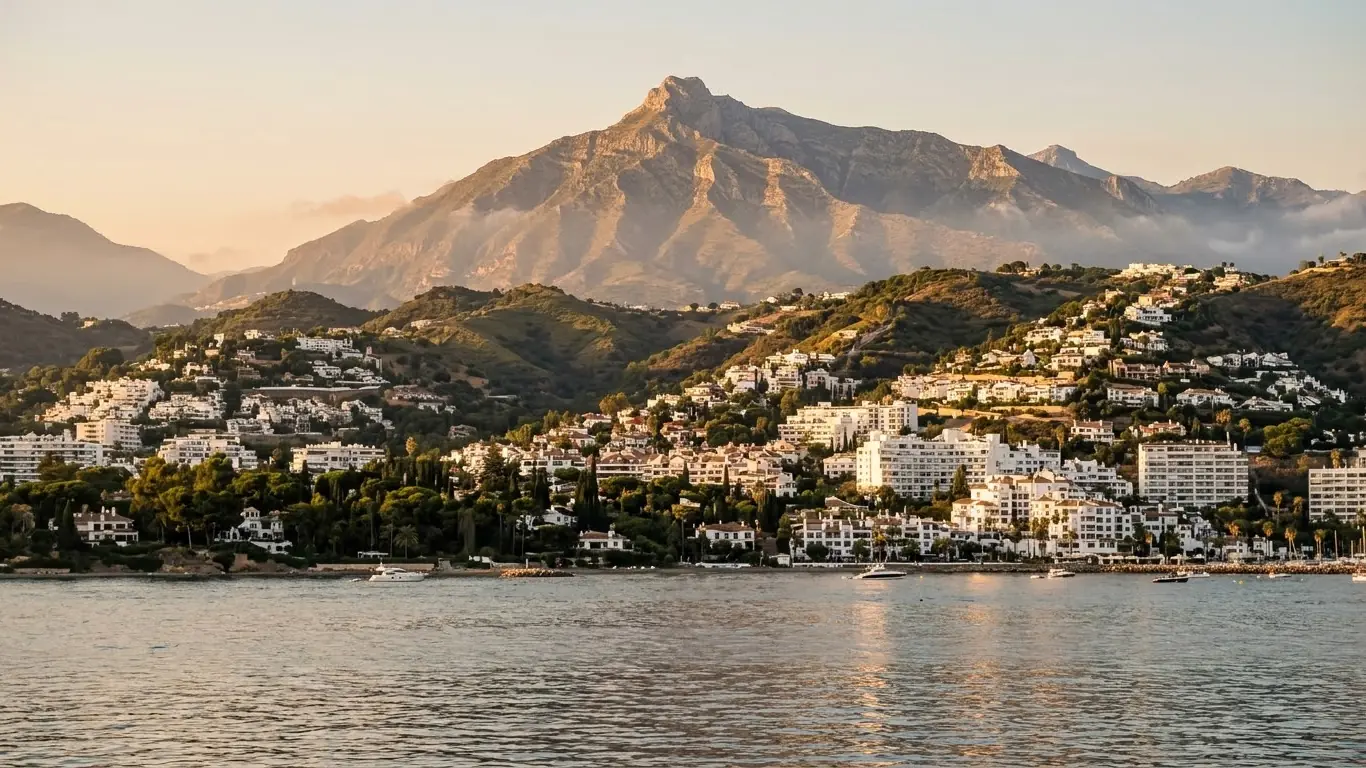
Marbella Property Market: What Draws Investors
Marbella draws property investors with its climate, rental demand and range of villas and apartments. A balanced look at the market, segments and risks.
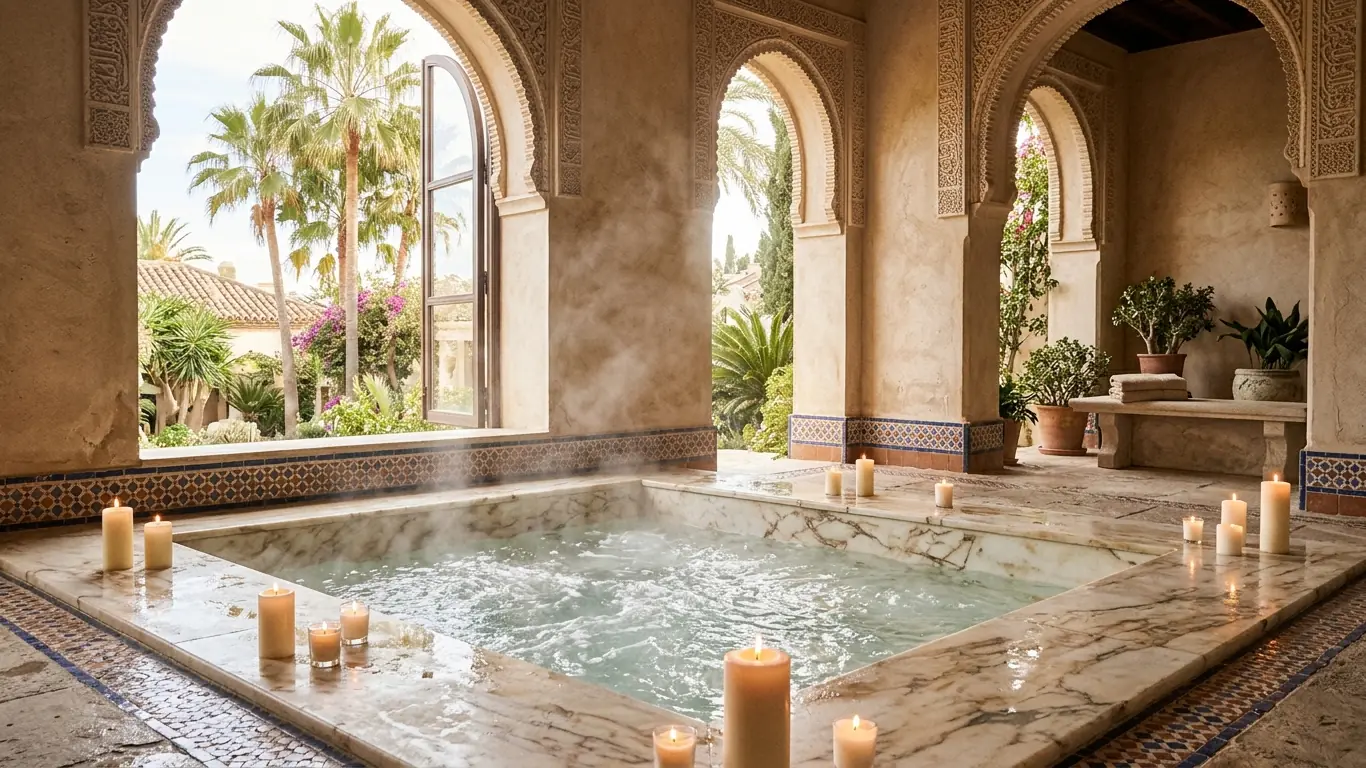
Wellness Properties in Marbella: Health Meets Luxury
Wellness properties in Marbella: why they are gaining ground, what features define them, how health and luxury combine and what to weigh when choosing one.