New Development Projects in Marbella: What to Weigh
What drives new development in Marbella: climate, infrastructure, selected projects, legal points, return potential and how to choose a developer.
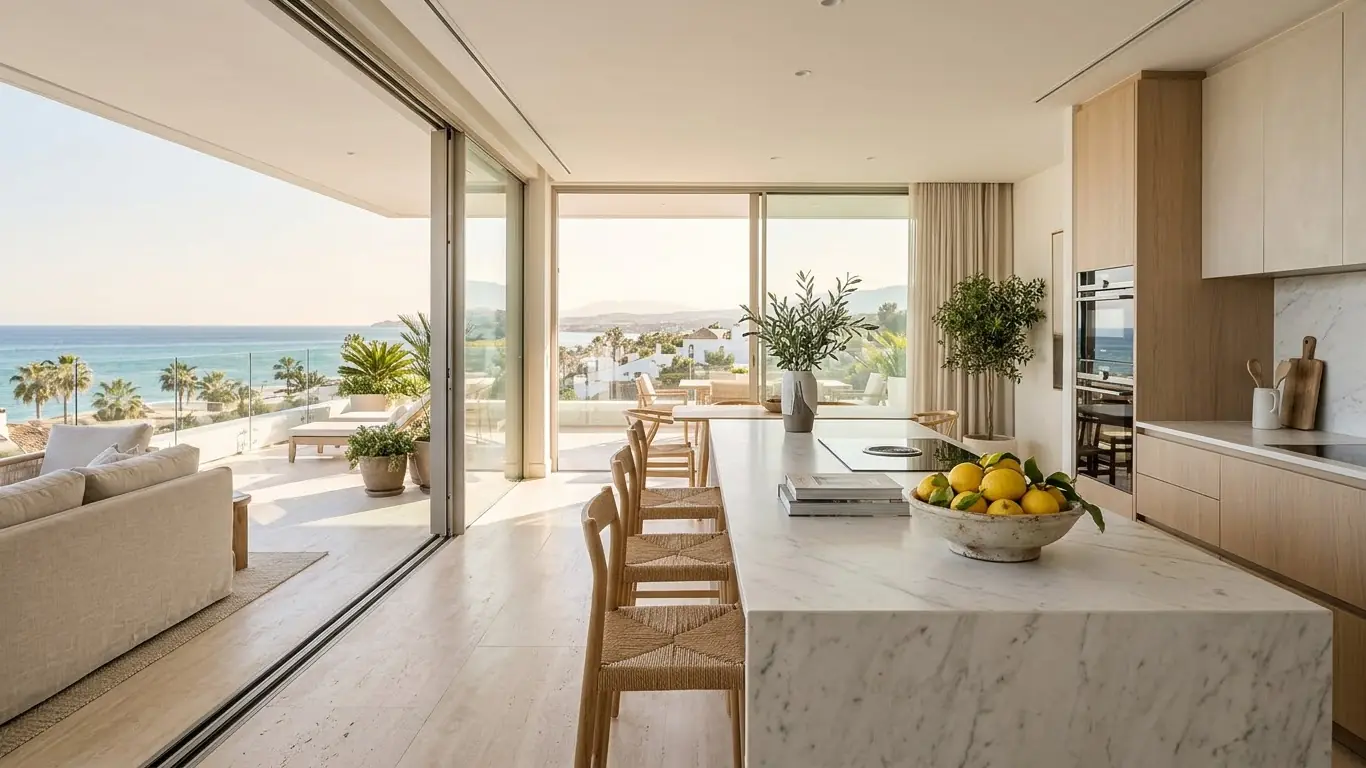

Marbella on the Costa del Sol, one of Spain’s most sought-after destinations, has seen a surge of new development projects in recent years, from high-end residential complexes to commercial spaces. This article looks at what draws investors, selected projects, what to check before buying and how to choose a development.
These projects answer growing demand for modern amenities and services. They are more than construction: they express a vision for the city’s future, and Marbella’s appeal lies in its landscapes as well as in its potential for growth and investment.
As the market evolves, knowing the dynamics of these developments matters for anyone considering an investment. The mix of cultural heritage and modern advancements makes this a good moment to look closely at the opportunities, alongside the risks.
Key Takeaways
- New development projects are reshaping Marbella and draw investor interest.
- Benefits cited include rental income potential, capital growth prospects and a desirable lifestyle, none of them guaranteed.
- Projects range from luxury apartments to beachfront villas and gated communities with premium amenities.
- Location, property type, rental potential and legal regulations deserve a close look before investing.
- Return potential lies in long-term appreciation and rental income, with outcomes depending on market conditions.
- Strong demand from international buyers and ongoing infrastructure improvements shape the outlook.
- Choosing a project involves thorough research, reputable developers and clear personal investment goals.
What Draws Investors to Marbella’s Market
Climate and Quality of Life
The climate is a significant draw, with over 300 days of sunshine each year, an environment that suits permanent residents and vacationers. The weather improves quality of life and supports a steady flow of tourists, which benefits rental properties.
Infrastructure and Amenities
Marbella has a well-established infrastructure that supports its real estate market. Schools, healthcare facilities and recreational amenities appeal to families and retirees, and international schools and medical centers give residents access to quality services.
Accessibility and Investment Opportunities
Marbella’s strategic location, a short drive from Malaga Airport, makes it accessible to domestic and international buyers. Demand for holiday homes remains robust, which interests investors considering short-term rentals, although rental income is never guaranteed.
Selected New Development Projects in Marbella
Several new projects stand out for their designs and locations. One is a luxury residential complex in the heart of the Golden Mile, with contemporary apartments, Mediterranean views and direct access to beaches.
With infinity pools, wellness centers and landscaped gardens, it reflects the high-end lifestyle Marbella is known for. Another project is a mixed-use development combining residential units with commercial space near Puerto Banús, which aims to create a community where residents can live, work and play.
Its design incorporates green spaces and pedestrian-friendly areas, with easy access to shops, restaurants and entertainment. Such developments improve the living experience and contribute to the growth of Marbella’s economy.
What to Consider Before Investing in Marbella
Investors should first understand local market trends. Analyzing property prices, rental yields and demand for different property types provides insight into where to invest.
Local real estate agents with a deep understanding of the market can help navigate these complexities. The legal framework for property ownership in Spain matters too: foreign investors may face different regulations than local buyers, so understanding taxes, fees and any potential restrictions on foreign ownership is essential. Legal experts who specialize in Spanish real estate can help mitigate risks and keep the transaction process orderly.
Return Potential in Marbella’s New Developments
The potential return on investment (ROI) in new development projects attracts many investors. Property values have increased over the years, but appreciation is not assured. A thriving tourism sector and a growing expatriate community support a robust rental market and the opportunity for consistent rental income.
Many new developments are designed with modern amenities for high-end buyers and renters. Smart home technology, energy-efficient features and luxurious finishes tend to command higher rents.
Outlook for Marbella’s Real Estate Market
The outlook is shaped by ongoing investment in infrastructure and urban development as the city adapts to changing demands. The local government has promoted sustainable development practices, which improve quality of life and appeal to environmentally conscious buyers.
As remote work becomes more prevalent, more people look for locations that combine lifestyle benefits with professional opportunities. Natural beauty, cultural richness and modern conveniences make Marbella a candidate for relocation or a second home, although future demand cannot be predicted.
How to Choose a New Development in Marbella
Choosing a project starts with identifying needs and preferences: a vacation home, a rental property or a permanent residence. Clear goals narrow the options and focus the search on developments that match them.
Thorough due diligence follows: researching the developer’s reputation, examining past projects and assessing the quality of construction materials. A site visit and a look at the surroundings reveal the neighborhood’s amenities and overall feel.
Local real estate professionals can guide buyers on market trends and support informed decisions.
More from Marbella
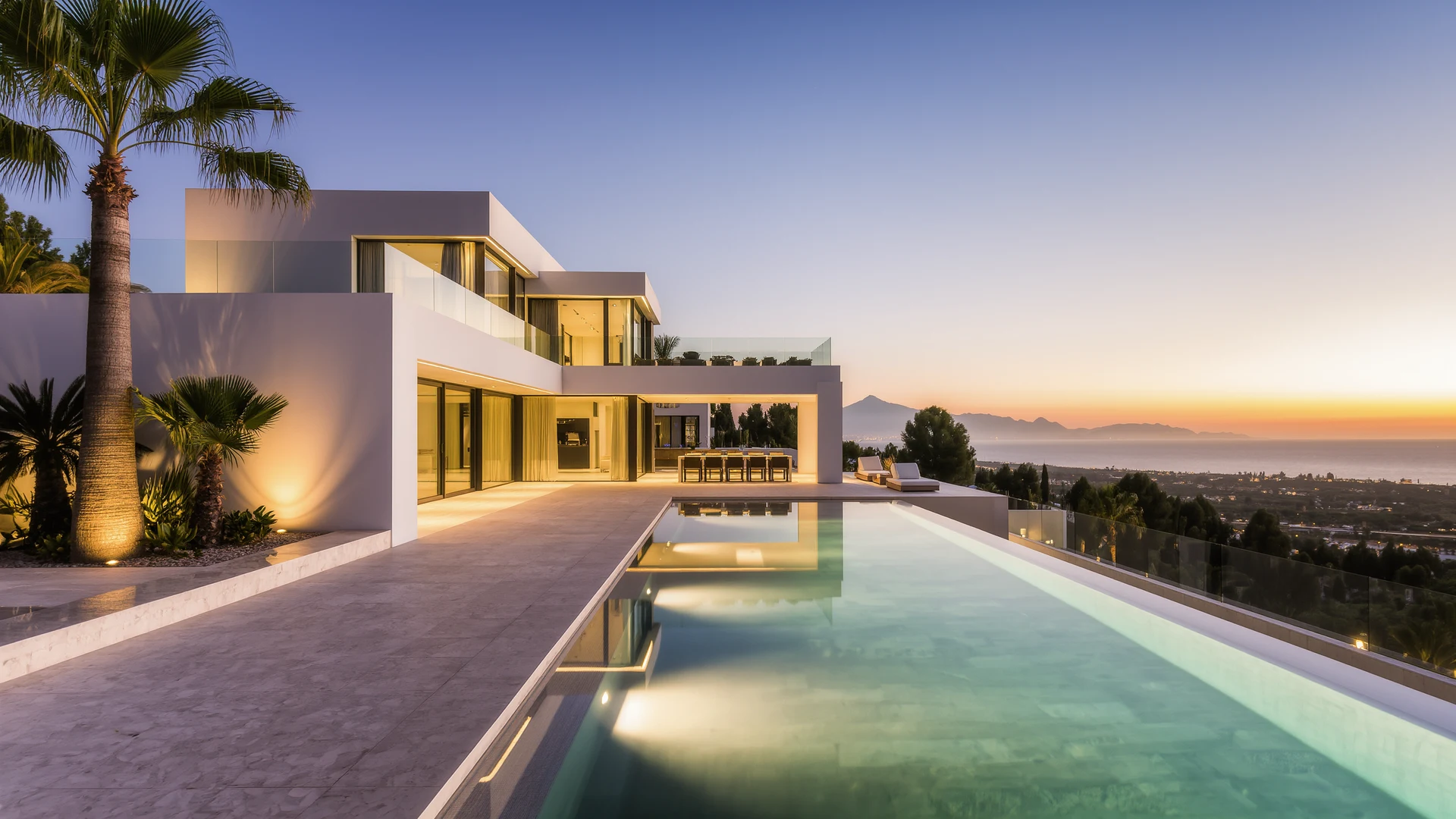
Marbella Property Market 2026: Prices, Areas and Taxes
Marbella property market 2026: €7.2bn in 2025 sales and prices up 5.8%, the Golden Mile, La Zagaleta and Puerto Banús, buyer profiles and tax guidance.
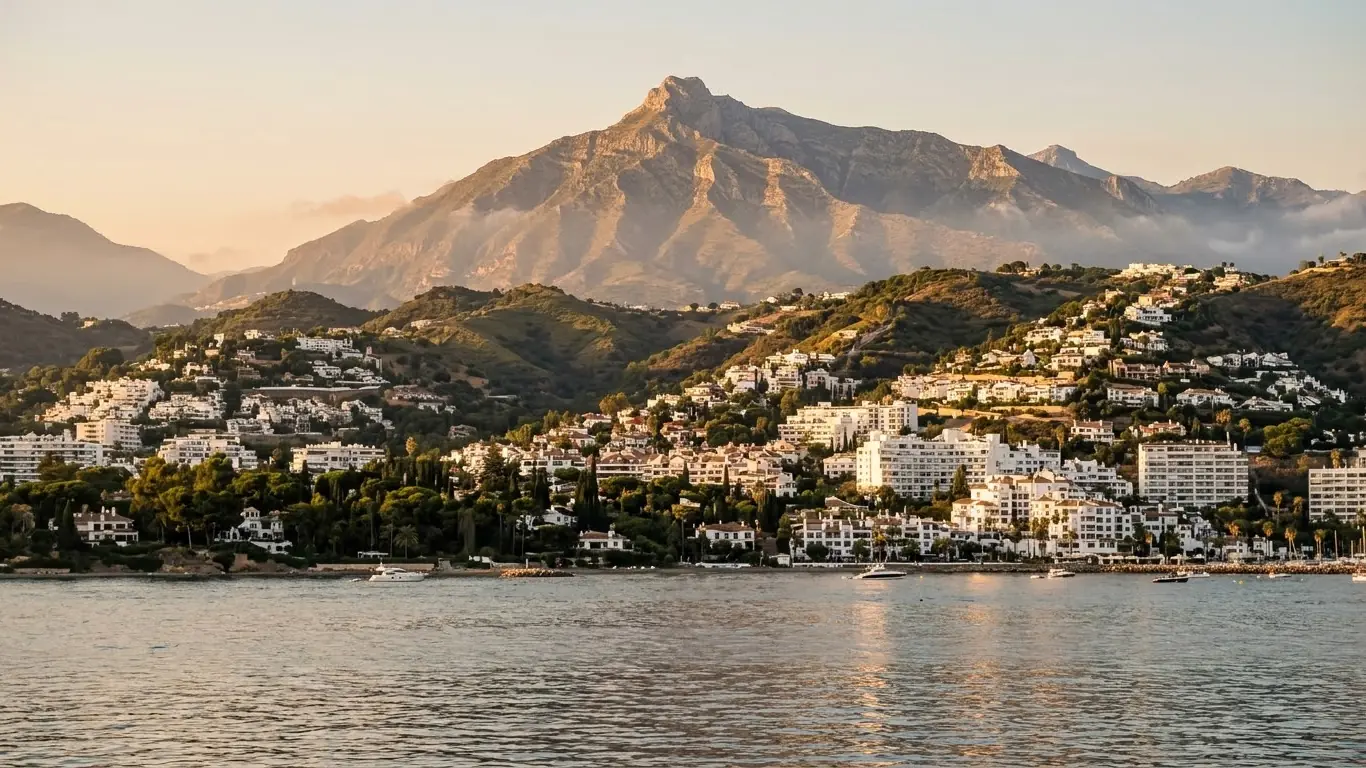
Marbella Property Market: What Draws Investors
Marbella draws property investors with its climate, rental demand and range of villas and apartments. A balanced look at the market, segments and risks.
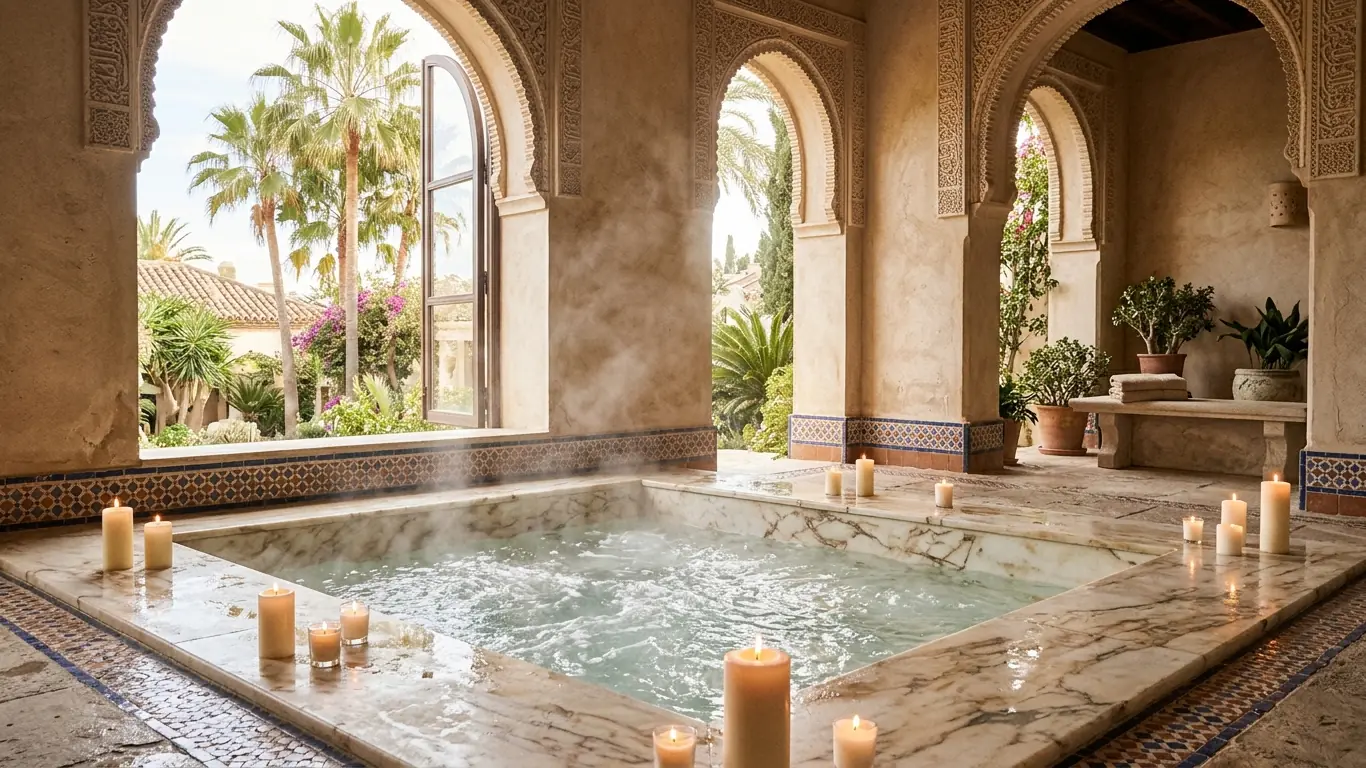
Wellness Properties in Marbella: Health Meets Luxury
Wellness properties in Marbella: why they are gaining ground, what features define them, how health and luxury combine and what to weigh when choosing one.