Mallorca · 39.62°N 2.99°E · File 85
Optimizing Property Taxes in Mallorca
Property tax in Mallorca, as in the rest of Spain, is a significant financial consideration for property owners. The primary tax levied on real estate is known as the Impuesto sobr…
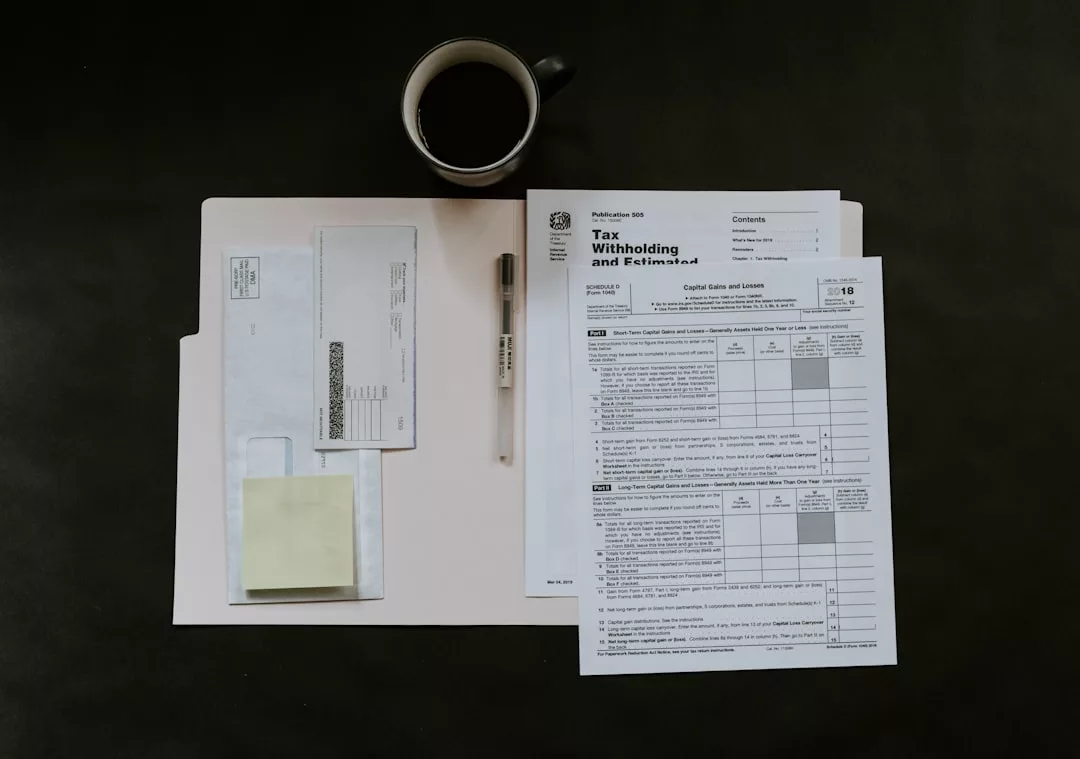
Property tax in Mallorca, as in the rest of Spain, is a significant financial consideration for property owners. The primary tax levied on real estate is known as the Impuesto sobre Bienes Inmuebles (IBI), which is an annual tax based on the cadastral value of the property. This value is determined by the local government and can vary significantly depending on the location, size, and type of property.
In Mallorca, the IBI rates can range from 0.4% to 1.1% of the cadastral value, with municipalities having the authority to set their own rates within this range. Understanding how these rates are calculated and applied is crucial for property owners who wish to manage their tax liabilities effectively. In addition to IBI, property owners in Mallorca may also be subject to other taxes, such as the Impuesto sobre la Renta de No Residentes (IRNR) for non-residents, which taxes income generated from property rentals.
Furthermore, there are local taxes that may apply depending on the specific municipality, such as garbage collection fees and other service-related charges. It is essential for property owners to familiarize themselves with these various taxes and their implications, as they can significantly impact the overall cost of property ownership in Mallorca.
Key Takeaways
- Property tax in Mallorca is based on the cadastral value of the property and is paid annually to the local municipality.
- Strategies for reducing property tax in Mallorca include keeping the property’s cadastral value updated, taking advantage of tax exemptions and deductions, and appealing property tax assessments.
- Tax exemptions and deductions in Mallorca can be utilized for properties used for tourism, agricultural purposes, or as a primary residence.
- Property improvements and renovations can be leveraged for tax benefits through deductions or exemptions in Mallorca.
- Seeking professional advice and assistance is crucial for property tax optimization in Mallorca, as tax laws and regulations can be complex and subject to change.
Strategies for Reducing Property Tax in Mallorca
Reducing property tax liabilities in Mallorca requires a strategic approach that involves understanding both the local tax laws and the specific circumstances of one’s property. One effective strategy is to ensure that the cadastral value of the property is accurate. Property owners should regularly review their cadastral assessments and compare them with similar properties in the area.
If discrepancies are found, it may be possible to contest the valuation through formal channels, potentially leading to a reduction in the IBI owed. Another strategy involves taking advantage of any available discounts or reductions offered by local municipalities. Many towns in Mallorca provide incentives for certain categories of property owners, such as those who are elderly, disabled, or low-income.
Additionally, some municipalities offer reductions for properties that are used as primary residences or for those that meet specific environmental criteria. By staying informed about these opportunities and ensuring compliance with any necessary requirements, property owners can effectively lower their tax burden.
Taking Advantage of Tax Exemptions and Deductions
In Mallorca, various tax exemptions and deductions can significantly alleviate the financial burden of property taxes. For instance, properties that are classified as historical or cultural heritage sites may qualify for substantial tax reductions or exemptions.
Moreover, property owners who invest in energy-efficient improvements may also benefit from tax deductions. The Spanish government has implemented several initiatives aimed at promoting sustainability, including tax incentives for properties that utilize renewable energy sources or undergo energy-efficient renovations. By taking advantage of these exemptions and deductions, property owners can not only reduce their tax liabilities but also contribute positively to environmental sustainability.
Utilizing Property Tax Appeals and Assessments
The process of appealing property tax assessments in Mallorca can be a valuable tool for property owners seeking to lower their tax obligations. If a property owner believes that their cadastral value has been inaccurately assessed, they have the right to file an appeal with the local tax authority. This process typically involves submitting documentation that supports the claim for a lower valuation, such as recent sales data for comparable properties or evidence of any deficiencies in the property itself.
It is important to note that there are specific time frames within which appeals must be filed, often within a month of receiving the tax assessment notice. Property owners should be diligent in monitoring their assessments and prepared to act quickly if they believe an appeal is warranted. Engaging with local real estate experts or legal advisors can also enhance the chances of a successful appeal by providing insights into local market conditions and legal precedents.
Exploring Tax Planning and Financial Management Options
Effective tax planning is essential for property owners in Mallorca who wish to optimize their financial management strategies. This involves not only understanding current tax obligations but also anticipating future changes in tax laws and market conditions that could impact property values and associated taxes. A comprehensive financial plan should include an analysis of cash flow, potential rental income, and long-term investment goals.
One approach to effective tax planning is to consider the timing of property transactions. For instance, selling a property during a period of high demand may yield a higher sale price but could also result in increased capital gains taxes. Conversely, holding onto a property during a downturn may allow for a more favorable tax position if it can be sold later at a lower capital gains rate.
Engaging with financial advisors who specialize in real estate can provide valuable insights into these considerations and help property owners make informed decisions.
Leveraging Property Improvements and Renovations for Tax Benefits
Investing in property improvements and renovations can yield significant tax benefits for owners in Mallorca. Not only do these enhancements often increase the market value of a property, but they can also qualify for various tax deductions or credits.
Additionally, expenses incurred during renovations can often be deducted from rental income when filing taxes. This includes costs related to materials, labor, and even certain professional fees associated with the renovation process. Property owners should maintain detailed records of all expenses related to improvements, as this documentation will be crucial when claiming deductions on their tax returns.
Seeking Professional Advice and Assistance for Property Tax Optimization
Navigating the complexities of property tax regulations in Mallorca can be daunting for many property owners. Seeking professional advice from tax consultants or real estate experts can provide invaluable assistance in optimizing tax liabilities. These professionals possess a deep understanding of local laws and regulations and can offer tailored strategies based on individual circumstances.
Moreover, engaging with professionals can help ensure compliance with all legal requirements while maximizing available deductions and exemptions. For instance, a knowledgeable advisor can assist in preparing appeals against unfavorable assessments or guide property owners through the intricacies of claiming deductions for renovations or energy-efficient upgrades. By leveraging expert advice, property owners can make informed decisions that enhance their financial outcomes.
Staying Informed about Changes in Property Tax Laws and Regulations
The landscape of property taxation in Mallorca is subject to change due to evolving laws and regulations at both local and national levels. Staying informed about these changes is crucial for property owners who wish to manage their tax liabilities effectively. Regularly reviewing updates from local government websites or subscribing to newsletters from real estate associations can provide timely information about any new policies or amendments that may affect property taxes.
Additionally, participating in local community forums or attending workshops focused on real estate investment can offer insights into emerging trends and best practices related to property taxation. Engaging with fellow property owners can also foster a sense of community while providing opportunities to share experiences and strategies for navigating the complexities of property taxes in Mallorca. By remaining proactive and informed, property owners can better position themselves to adapt to changes in the regulatory environment and optimize their financial management strategies accordingly.
Same market
More from Mallorca

Mallorca · 14 min
Luxury Finca Complete Guide
Luxury finca guide for Mallorca: prime locations, prices from 1.5M to 25M euros, restoration costs, water rights and a 7.2% growth rate driving this r…

Mallorca · 14 min
Mediterranean Villa Buying Guide
Mediterranean villa buying guide 2026: prices, yields and tax across Spain, France, Italy, Greece, Croatia and Montenegro in a 320 billion euro luxury…

Mallorca · 16 min
Mallorca Luxury Real Estate Guide
Mallorca luxury real estate guide: 2025 prices from 2 to 45 million euros, top areas like Portals Nous and Port d’Andratx, taxes, Golden Visa an…