Outdoor living: spacious terraces and gardens
Terraces and gardens as living space: how to design the terrace, plant the garden, host guests, use small areas, choose furniture and maintain it all year.
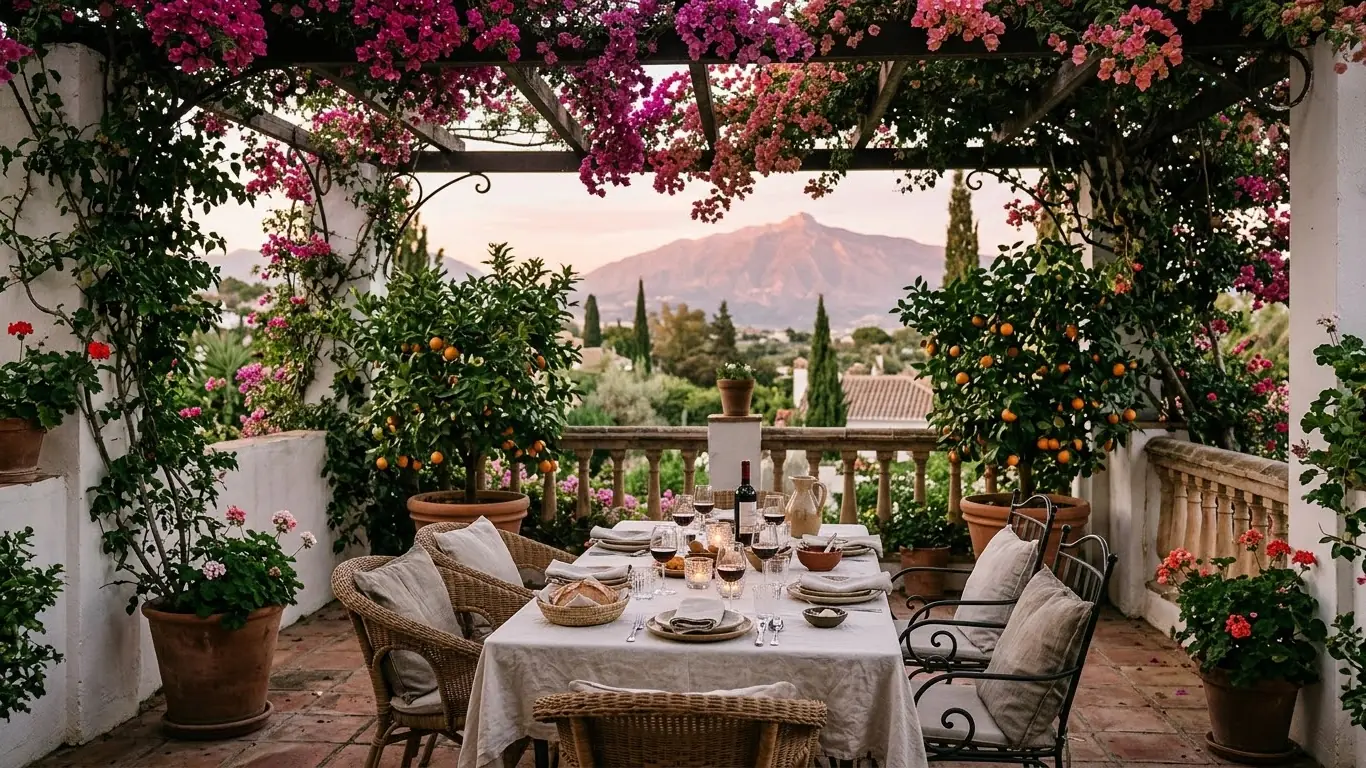

In a property with generous outdoor space, terrace and garden are living areas in their own right. Time outside tends to lower stress and lift mood, and a well-planned setting makes it part of the daily routine. What follows covers the terrace, the garden, entertaining, small spaces, furniture and upkeep through the seasons.
The step from living room to terrace is a short break from the pace of the day. Morning coffee on the patio or a book in the garden asks for little and gives a sense of calm. Outdoor space also invites movement.
With the right setup, the space takes gardening, yoga or a workout in fresh air and natural light. Shared garden projects and outdoor games bring families together and keep daily life active.
Key takeaways
- Time outdoors supports physical and mental well-being.
- A well-designed terrace extends the home and raises the appeal of the whole outdoor area.
- A planted garden gives the senses a quiet place to rest.
- Distinct zones make outdoor space suited to dining, lounging and entertaining.
- Short outdoor routines fit naturally into a healthy daily rhythm.
Designing the terrace
A terrace works best as an extension of the house, with a seamless transition between indoors and out. Start by assessing the available space and deciding how it will be used, since function determines the layout and aesthetics follows.
Whether the terrace is a quiet nook for morning coffee, a space for hosting or a retreat for reading, the intended use guides the choice of materials, colors and furnishings. Plants, lighting and comfortable seating turn a plain terrace into a place people want to stay.
Natural materials such as wood or stone create warmth. Greenery in pots or on vertical gardens softens the space and improves air quality. String lights or lanterns give evening gatherings a gentle, atmospheric light.
Creating a lush garden
A lush garden is a sanctuary for the senses. Start with a varied selection of plants that thrive in the local climate. A mix of flowering plants, shrubs and trees provides year-round interest and builds layers of texture and color.
Fragrant herbs and flowering vines engage the sense of smell and attract pollinators such as bees and butterflies. Rustling leaves or the trickle of a small fountain add sound. Beyond the plants, the layout shapes the character of the garden.
Paths that lead to hidden corners or seating areas invite exploration and give the visitor a place to pause.
Using outdoor space for entertaining
Outdoor space makes a natural setting for gatherings, casual or festive. Plan distinct zones for different activities: a dining area with table and chairs as the focal point for meals, and a lounge with comfortable seating that encourages conversation and relaxation.
If space allows, an outdoor kitchen or bar raises the standard of hosting. Lighting sets the mood: string lights or lanterns add warmth as the sun sets.
Outdoor rugs and cushions add comfort and style. Music playing softly in the background or games set up for guests round out the evening and make it memorable.
Making outdoor living part of the daily routine
Outdoor living becomes part of the day when it has fixed moments: a morning ritual, an evening wind-down, breakfast on the terrace, a few breaths of fresh air at lunch. Such breaks relieve indoor distraction.
These small moments clear the mind and can lift productivity through the day. Outdoor activities add physical health to the routine.
Gardening connects with nature and provides exercise. Made an integral part of daily life, outdoor living deepens appreciation for the surroundings.
Making the most of small outdoor spaces
Even a small outdoor space can become functional and beautiful with thoughtful design. The key is strategic choices about layout and furnishings. Multi-functional furniture helps: benches with built-in storage or tables that expand when needed suit small areas well.
Vertical gardening makes the most of limited space. Wall planters or trellises let plants grow upward rather than outward and free ground space for seating or pathways. Mirrors add an impression of depth and openness in compact areas.
Outdoor furniture and decor
Furniture and decor define the character of an outdoor space. Materials must withstand the weather to last and stay comfortable: teak, aluminum or synthetic wicker endure sun and rain without losing their appeal.
Cushions, throws and artwork add personality. Bright colors and patterns bring energy and can hold the look together as an expression of personal style. Lanterns or sculptures create focal points in the garden or on the terrace.
Maintaining the outdoor space through the seasons
Regular maintenance keeps an outdoor space enjoyable all year, and each season brings its own tasks. In spring, planting new flowers and shrubs goes together with clearing debris left from winter.
Summer calls for more frequent watering and pruning in warmer temperatures. In autumn, mulching around plants protects roots from frost damage. In winter, delicate plants can be covered or potted ones brought indoors against harsh conditions. A proactive routine keeps the space vibrant and inviting in every season.
More from Marbella
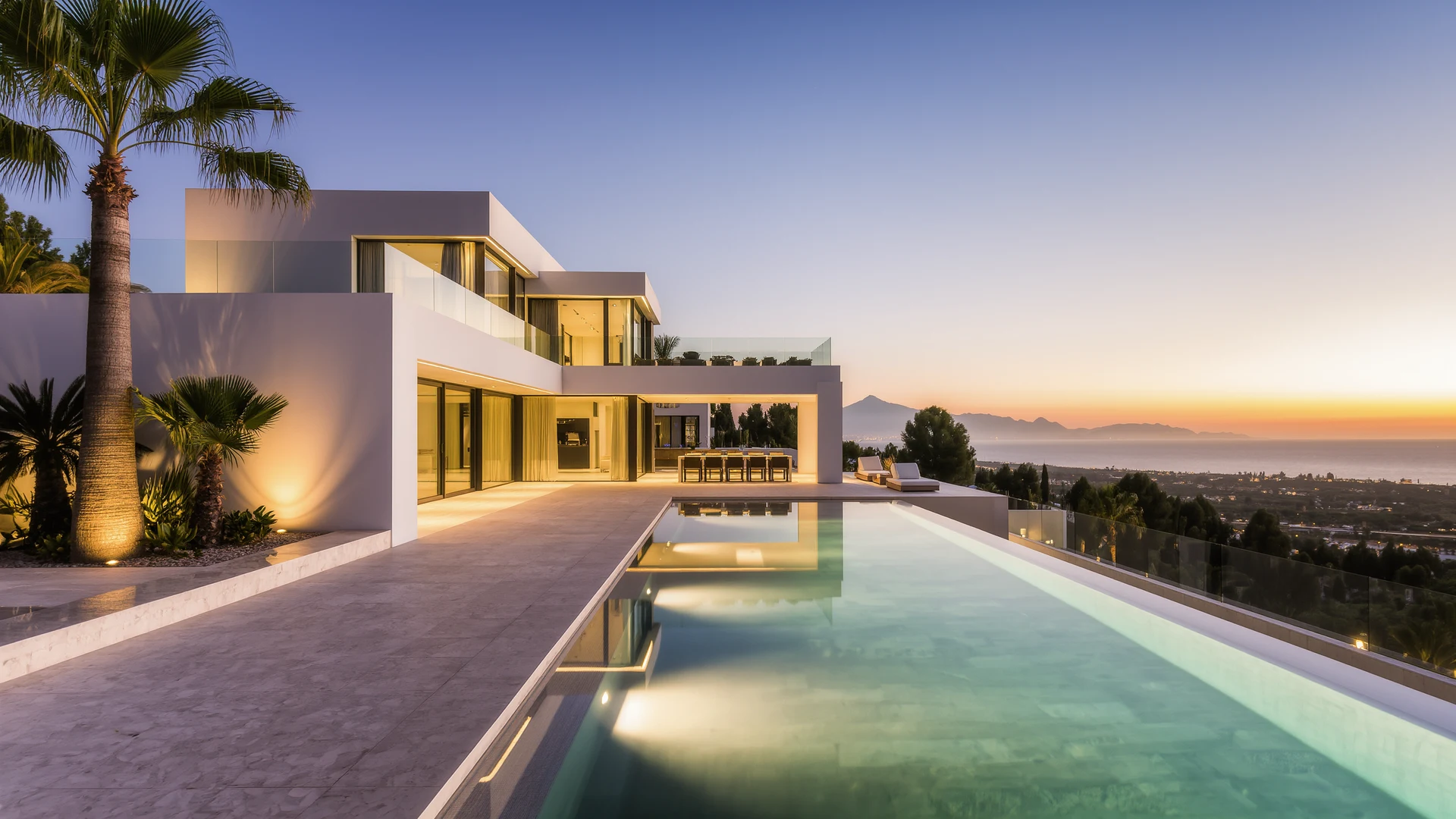
Marbella Property Market 2026: Prices, Areas and Taxes
Marbella property market 2026: €7.2bn in 2025 sales and prices up 5.8%, the Golden Mile, La Zagaleta and Puerto Banús, buyer profiles and tax guidance.

Marbella Property Market: What Draws Investors
Marbella draws property investors with its climate, rental demand and range of villas and apartments. A balanced look at the market, segments and risks.
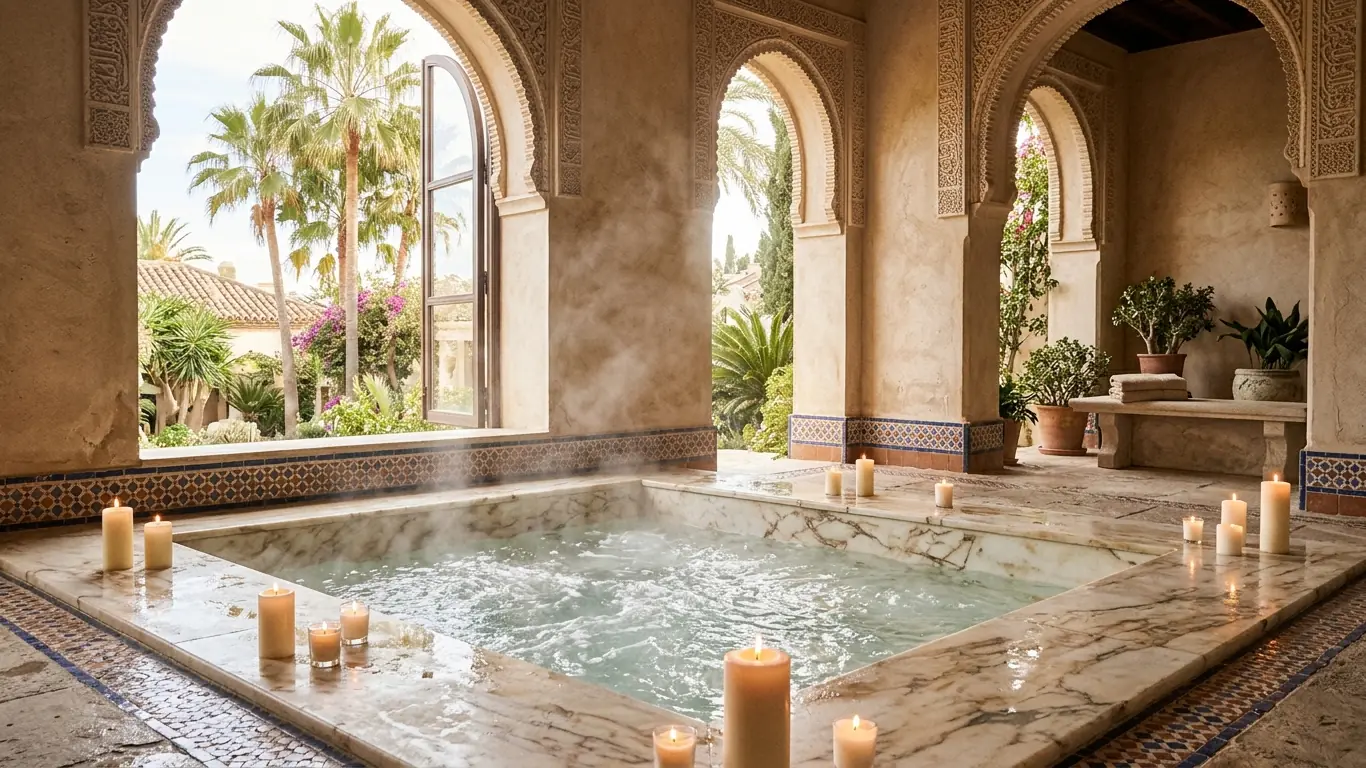
Wellness Properties in Marbella: Health Meets Luxury
Wellness properties in Marbella: why they are gaining ground, what features define them, how health and luxury combine and what to weigh when choosing one.