Marbella · 36.51°N 4.89°W · File 1332
Property Projects with Cultural Reference: A Growing Demand in Marbella
In recent years, the real estate landscape has witnessed a significant transformation, with cultural references becoming increasingly prominent in property projects. Developers are…
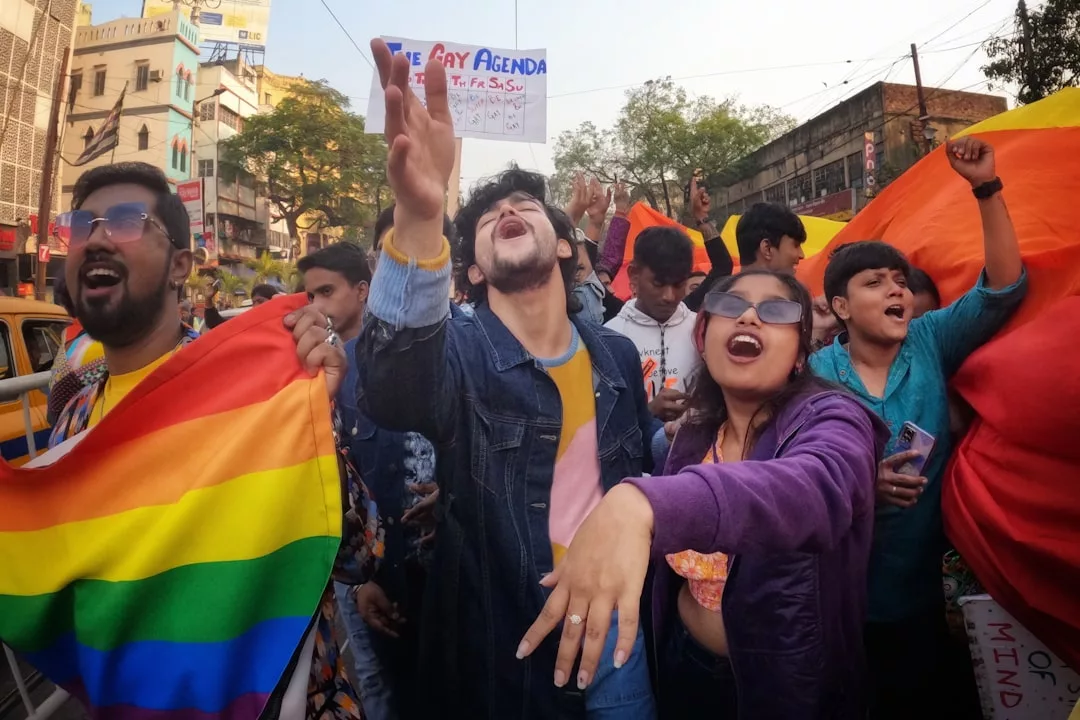
In recent years, the real estate landscape has witnessed a significant transformation, with cultural references becoming increasingly prominent in property projects. Developers are no longer solely focused on the physical attributes of their buildings; they are now weaving narratives that resonate with the cultural heritage and artistic expressions of the regions in which they operate. This shift reflects a broader trend where consumers are seeking more than just a place to live; they desire a lifestyle that is enriched by cultural significance.
As a result, properties are being designed not just as structures, but as vessels of cultural storytelling, enhancing their appeal and marketability. This rise in cultural references is particularly evident in luxury developments, where the integration of local art, history, and traditions can elevate a property’s status. Developers are increasingly collaborating with local artists and cultural institutions to create spaces that reflect the unique identity of their surroundings.
This approach not only adds aesthetic value but also fosters a sense of community and belonging among residents. As buyers become more discerning, the demand for properties that embody cultural narratives continues to grow, prompting developers to innovate and adapt their projects accordingly.
Key Takeaways
- Cultural references are becoming increasingly prominent in property projects
- Marbella has a unique cultural identity that influences its property developments
- Cultural references can have a significant impact on property values
- Art and architecture are integrated in Marbella’s property developments to enhance cultural experiences
- There is a growing demand for cultural experiences in Marbella’s real estate market
Marbella’s Unique Cultural Identity
Marbella, located on Spain’s Costa del Sol, is a city that boasts a rich tapestry of cultural influences, making it a prime example of how cultural identity can shape real estate development. With its historical roots dating back to Roman times and its evolution through Moorish influence, Marbella presents a unique blend of architectural styles, traditions, and artistic expressions. The city is not just a tourist destination; it is a living canvas that reflects centuries of history and cultural exchange.
This vibrant identity is a significant draw for both residents and investors alike. The local culture is characterized by its Mediterranean lifestyle, which emphasizes outdoor living, social gatherings, and a deep appreciation for art and gastronomy. Marbella’s annual events, such as the Marbella International Film Festival and the Starlite Festival, showcase the city’s commitment to celebrating creativity and artistic expression.
This cultural richness is increasingly being recognized by property developers who are keen to incorporate these elements into their projects. By doing so, they not only enhance the aesthetic appeal of their developments but also create spaces that resonate with the local community and attract culturally-minded buyers.
The Influence of Cultural References on Property Values
The integration of cultural references into property projects has a profound impact on property values in Marbella. Buyers are willing to pay a premium for homes that offer more than just luxury amenities; they seek properties that tell a story and provide an authentic connection to the region’s heritage.
This trend has led to an increase in demand for culturally infused developments, which in turn drives up property values. Moreover, properties that celebrate local culture tend to have lower vacancy rates and higher resale values. Investors recognize that homes with strong cultural ties are more likely to attract long-term tenants or buyers who appreciate the significance of their surroundings.
As Marbella continues to evolve as a cultural hub, the properties that reflect this identity will likely see sustained appreciation in value. This dynamic creates a win-win situation for both developers and investors, as culturally rich properties not only enhance the community’s character but also contribute positively to the local economy.
The Integration of Art and Architecture in Marbella’s Property Developments
In Marbella, the fusion of art and architecture has become a hallmark of contemporary property developments. Developers are increasingly recognizing the importance of incorporating artistic elements into their designs, creating spaces that are not only functional but also visually captivating. This integration often involves collaborating with local artists to create bespoke installations or incorporating traditional architectural styles that reflect Marbella’s rich history.
The result is a diverse array of properties that stand out in the competitive real estate market. From modern villas adorned with sculptures to apartment complexes featuring murals by local artists, these developments celebrate creativity while enhancing the overall aesthetic appeal of the area. Furthermore, this emphasis on art and architecture fosters a sense of pride among residents, as they become part of a community that values creativity and cultural expression.
As Marbella continues to attract discerning buyers, the integration of art into property development will likely remain a key trend.
The Demand for Cultural Experiences in Marbella’s Real Estate Market
As global travel trends shift towards experiential tourism, there is an increasing demand for cultural experiences within the real estate market in Marbella. Buyers are no longer satisfied with simply owning a property; they seek homes that provide access to unique cultural experiences and opportunities for engagement with the local community. This demand has prompted developers to create projects that prioritize cultural amenities, such as galleries, performance spaces, and communal areas designed for social interaction.
Properties that offer proximity to cultural landmarks or events are particularly sought after. Buyers are drawn to neighborhoods that host art exhibitions, music festivals, or culinary events, as these experiences enrich their lives and foster connections with others. Consequently, developers are strategically positioning their projects in areas known for their cultural vibrancy, ensuring that residents can immerse themselves in the rich tapestry of Marbella’s artistic scene.
This trend not only enhances the appeal of individual properties but also contributes to the overall cultural landscape of the city.
The Role of Cultural Events and Festivals in Marbella’s Property Projects
Cultural events and festivals play a pivotal role in shaping property projects in Marbella. These gatherings not only celebrate local traditions but also attract visitors from around the world, creating a dynamic atmosphere that enhances the desirability of surrounding properties. Developers are increasingly recognizing the potential of aligning their projects with these events, using them as opportunities to showcase their developments and engage with potential buyers.
For instance, during major festivals such as Feria de San Bernabé or the Marbella International Film Festival, developers may host open houses or special events to draw attention to their properties. Additionally, properties located near event venues often see increased demand during festival seasons, further driving up property values and solidifying the connection between culture and real estate.
The Impact of Cultural References on Tourism and Property Investment
Cultural references have a profound impact on tourism in Marbella, which in turn influences property investment decisions. Tourists are increasingly seeking destinations that offer authentic cultural experiences, leading them to choose Marbella for its rich history, vibrant arts scene, and culinary delights. This influx of visitors creates opportunities for property investors who recognize the potential for short-term rentals or vacation homes that cater to this demographic.
Investors are keenly aware that properties with strong cultural ties are more likely to attract tourists looking for unique experiences rather than generic accommodations. As such, developments that incorporate local art, history, or traditions tend to perform better in the rental market. This trend has led to a surge in interest from investors who wish to capitalize on Marbella’s growing reputation as a cultural destination.
By investing in properties that celebrate local culture, they not only contribute to the preservation of Marbella’s identity but also position themselves for financial success.
The Future of Cultural References in Marbella’s Property Development Industry
Looking ahead, it is clear that cultural references will continue to play an integral role in Marbella’s property development industry. As buyers become increasingly discerning and seek out homes that reflect their values and lifestyles, developers will need to adapt by incorporating more cultural elements into their projects. This evolution will likely involve deeper collaborations with local artists, historians, and cultural institutions to create developments that resonate with both residents and visitors.
Furthermore, as sustainability becomes an essential consideration in real estate development, there is an opportunity for cultural references to intersect with eco-friendly practices. Developers can draw inspiration from traditional building techniques or local materials that honor Marbella’s heritage while promoting environmental responsibility. By embracing this holistic approach, they can create properties that not only celebrate culture but also contribute positively to the environment.
In conclusion, Marbella stands at the forefront of a transformative movement within the real estate sector where cultural references are becoming paramount. As developers continue to recognize the value of integrating art, history, and community into their projects, they will shape not only the physical landscape but also the cultural identity of this vibrant city for generations to come.
Same market
More from Marbella
Marbella · 15 min
Marbella Property Market 2026
Marbella property market 2026: €7.2bn in 2025 sales, prices up 5.8%, plus Golden Mile, La Zagaleta and Puerto Banus prices, buyer profiles and tax gui…
Marbella · 7 min
Why Marbella is a Hotspot for Property Investors
Nestled along the sun-kissed shores of the Costa del Sol in southern Spain, Marbella is a jewel of the Mediterranean that has captivated visitors for …

Marbella · 6 min
Wellness Properties in Marbella: Where Health and Luxury Meet
Nestled along the sun-kissed shores of the Costa del Sol, Marbella has long been celebrated as a luxurious retreat for the elite. This picturesque tow…