Sustainable Living in Marbella: Pioneering Projects
Sustainable living in Marbella: how green architecture, energy, waste management, urban gardens and mobility projects shape the town's future.


Sustainable living reduces the use of natural resources through choices that are environmentally friendly, socially responsible and economically viable. Climate change, pollution and resource depletion have made the concept more relevant, and this article looks at how Marbella applies it.
The approach asks individuals and communities to meet current needs without compromising those of future generations. It covers energy consumption, waste management, transportation and food production, and has inspired cities and regions to launch innovative projects for a greener future.
Marbella, a coastal town in southern Spain known for its beaches, luxurious lifestyle and vibrant culture, is increasingly becoming a reference point for sustainable living. Its initiatives aim to protect the environment while improving the quality of life for residents and visitors.
Marbella's approach suggests that economic growth and environmental stewardship can go hand in hand.
Key takeaways
- Sustainable living means choices that reduce environmental impact and support a healthier, more balanced lifestyle.
- Sustainable projects help preserve the natural beauty of Marbella and its quality of life for residents and visitors.
- Sustainable architecture in Marbella relies on innovative design and construction to limit environmental impact and maximize energy efficiency.
- Energy initiatives focus on renewable sources such as solar and wind power to reduce reliance on fossil fuels.
- Waste projects aim to minimize waste, raise recycling rates and promote a circular economy.
Why Sustainable Projects Matter in Marbella
As a popular tourist destination, Marbella faces particular challenges in environmental degradation and resource management. The influx of visitors can strain local resources and increase waste generation, energy consumption and water usage.
By prioritizing sustainable initiatives, Marbella aims to mitigate these impacts and promote a healthier environment for residents and tourists. Such projects preserve the natural beauty of the region, strengthen its appeal for eco-conscious travelers and contribute to the local economy by creating jobs and fostering innovation.
Investment in green technologies and practices also opens new opportunities for businesses and entrepreneurs in the sustainability sector.
Marbella thereby positions itself as a destination for visitors who value environmental responsibility.
Pioneering Sustainable Architecture in Marbella
Architecture is the most visible expression of Marbella's commitment. The town has seen a rise in eco-friendly buildings designed with energy efficiency in mind, often using sustainable materials, innovative designs and advanced technologies that reduce their carbon footprint.
Many new developments feature solar panels, green roofs and rainwater harvesting systems that reduce reliance on traditional energy sources and conserve resources. Architects and developers increasingly prioritize bioclimatic principles that suit the local climate and landscape, which improves both appearance and energy efficiency.
Natural ventilation, passive solar heating and local materials create comfortable living spaces with little environmental impact. Many projects also integrate green spaces and gardens that promote biodiversity and residents' well-being.
Sustainable Energy Initiatives in Marbella
Marbella's energy initiatives aim to reduce greenhouse gas emissions and promote renewable sources. The town draws on its abundant sunshine to power public facilities and services, and solar panels are increasingly installed on rooftops, providing clean energy and reducing dependence on fossil fuels. Wind power and biomass are also under exploration, and the local government is investing in research and development to find effective ways to harness these resources. By diversifying its energy portfolio, Marbella aims to build a more resilient system that can withstand fluctuations in demand while minimizing environmental impact.
These initiatives also support energy independence and security for the community.
Innovative Waste Management Projects in Marbella
Waste management is a critical component of sustainable living, and Marbella addresses it through comprehensive recycling programs that encourage residents and businesses to reduce waste and recycle materials whenever possible. Accessible recycling bins and educational resources are meant to build a culture of sustainability among citizens.
Marbella is also exploring waste-to-energy technologies that convert organic waste into renewable energy, which would reduce landfill waste and provide a sustainable source of energy for the community.
These projects protect the environment and support economic growth by creating jobs in the green sector.
Community Gardens and Urban Farming in Marbella
Community gardens and urban farming are gaining ground in Marbella as residents seek to reconnect with nature and promote local food production. Individuals and families grow their own fruits and vegetables, build a sense of community and turn underused spaces into vibrant gardens, which strengthens green spaces, food security and sustainability.
Urban farming also stresses organic practices that minimize chemical inputs and promote biodiversity. Many community gardens in Marbella follow permaculture principles to support healthy soil and diverse plant life, and they serve as educational hubs where residents learn about sustainable agriculture while enjoying fresh produce.
Local food production reduces reliance on imported goods and encourages healthier eating habits among residents.
Sustainable Transportation in Marbella
Transportation is a significant contributor to greenhouse gas emissions, and Marbella is working on alternatives that reduce reliance on fossil fuels. A key initiative is the expansion of public transportation, including electric buses that offer efficient, low-emission travel for residents and visitors.
The town is also investing in cycling infrastructure so that biking becomes a viable option. Dedicated bike lanes and bike-sharing programs aim to make cycling safer and more accessible, and together with walking they reduce traffic congestion and improve public health through physical activity.
Outlook for Sustainable Living in Marbella
Marbella continues to pursue projects that prioritize environmental stewardship and community well-being: sustainable architecture, renewable energy, waste management, community gardens and eco-friendly transportation. Collaboration between local government, businesses and residents shows that sustainability is a practical approach as well as an ideal.
Challenges will arise along the way. The town's proactive stance, and a culture of sustainability that engages all members of the community, will be decisive in meeting them while preserving natural resources for future generations.
More from Marbella
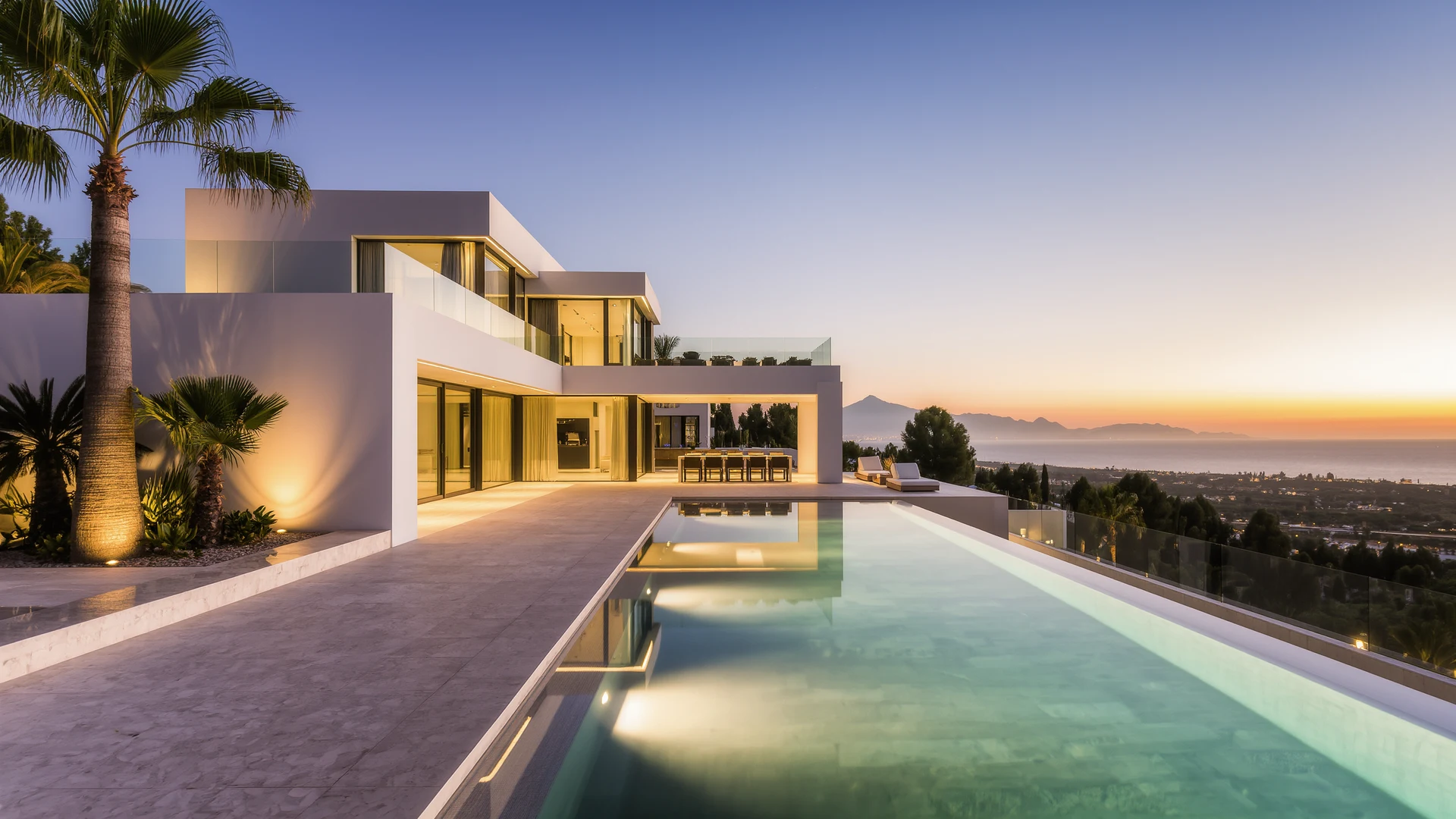
Marbella Property Market 2026: Prices, Areas and Taxes
Marbella property market 2026: €7.2bn in 2025 sales and prices up 5.8%, the Golden Mile, La Zagaleta and Puerto Banús, buyer profiles and tax guidance.
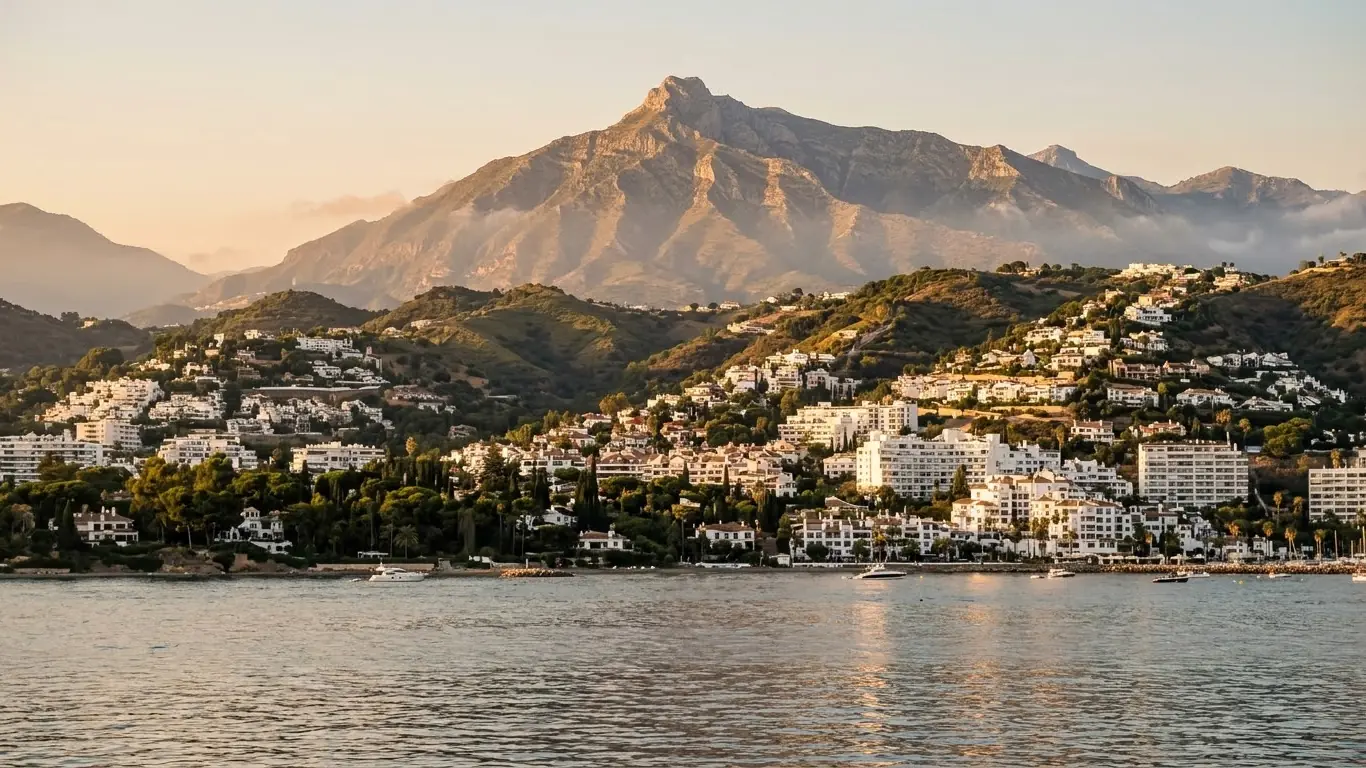
Marbella Property Market: What Draws Investors
Marbella draws property investors with its climate, rental demand and range of villas and apartments. A balanced look at the market, segments and risks.
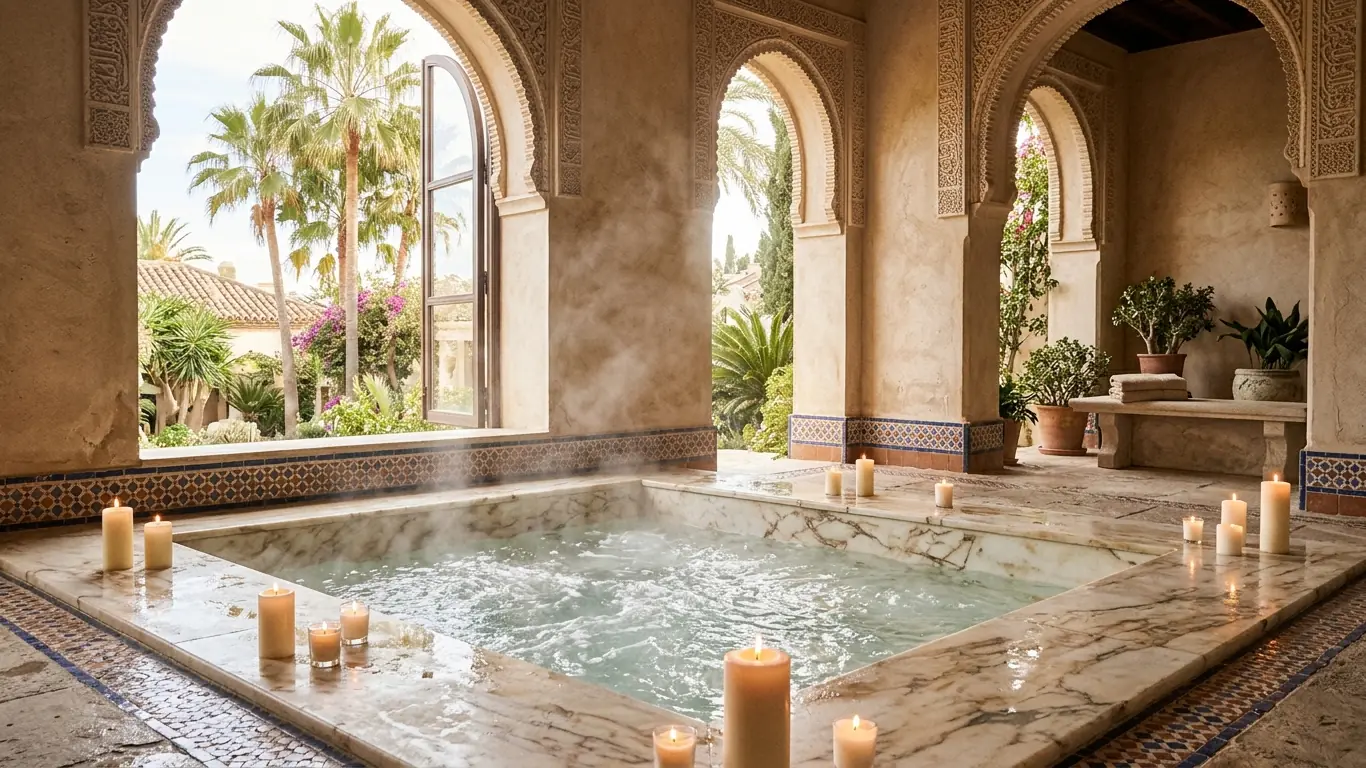
Wellness Properties in Marbella: Health Meets Luxury
Wellness properties in Marbella: why they are gaining ground, what features define them, how health and luxury combine and what to weigh when choosing one.