Mallorca · 39.62°N 2.99°E · File 392
The Role of Design and Interior Decoration in Real Estate Sales
In the competitive world of real estate, the significance of design and interior decoration cannot be overstated. A well-designed space not only enhances the aesthetic appeal of a …
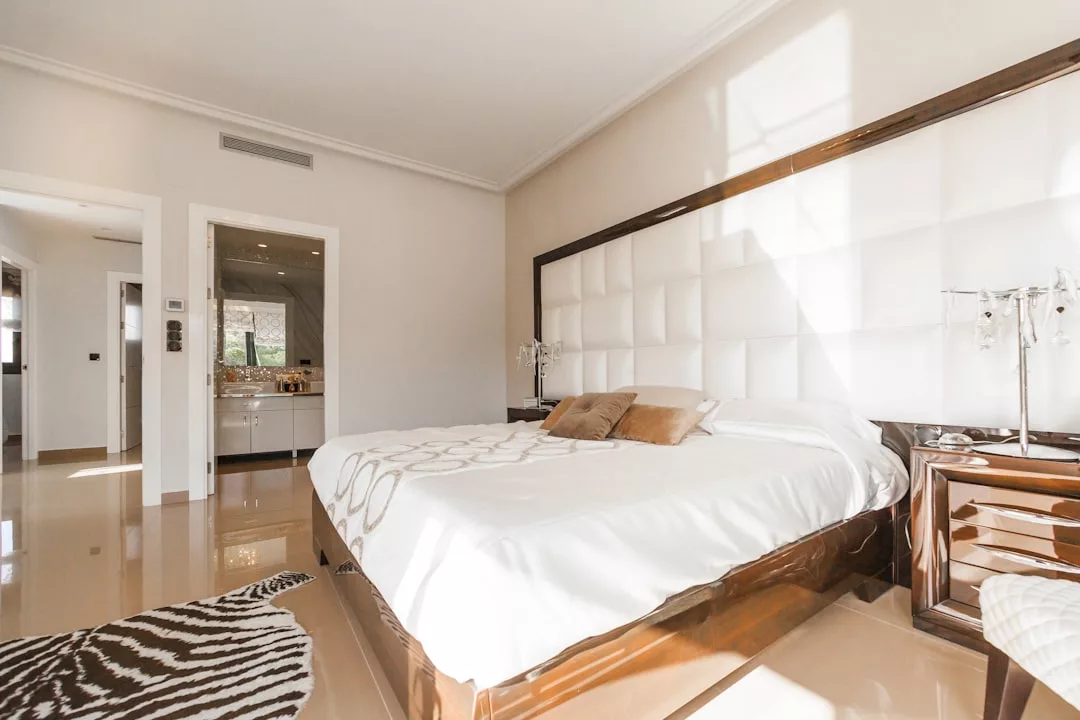
In the competitive world of real estate, the significance of design and interior decoration cannot be overstated. A well-designed space not only enhances the aesthetic appeal of a property but also plays a crucial role in attracting potential buyers. When a home is presented in its best light, it creates an emotional connection with prospective buyers, making them more likely to envision themselves living in the space.
This emotional resonance is often what drives a sale, as buyers are not just purchasing a property; they are investing in a lifestyle. Moreover, the right design elements can significantly increase the perceived value of a property. Homes that are thoughtfully decorated and designed tend to command higher prices and sell more quickly than those that are left bare or poorly styled.
This is because buyers often associate well-designed spaces with quality and care, leading them to believe that the property has been well-maintained. In essence, effective design and decoration can transform a house into a desirable home, making it an essential aspect of real estate sales.
Key Takeaways
- Good design and interior decoration are crucial in real estate sales as they can significantly impact buyer perception and the overall appeal of a property.
- Staging plays a key role in real estate sales by helping potential buyers visualize themselves living in the space and creating a positive first impression.
- Utilizing current design trends can attract potential buyers and make a property stand out in a competitive market.
- The use of color and lighting can greatly impact the mood and atmosphere of a property, influencing buyer emotions and decision-making.
- Incorporating functional and stylish design in real estate properties can enhance the overall value and desirability of the space.
How Design and Interior Decoration Can Influence Buyer Perception
The perception of a property is heavily influenced by its design and interior decoration. When potential buyers walk into a home, their initial impressions are formed within seconds, often based on visual cues such as layout, color schemes, and furnishings. A well-coordinated design can create a sense of harmony and flow, making the space feel inviting and comfortable.
Conversely, a poorly designed space can evoke feelings of chaos or discomfort, leading buyers to question the property’s value. Furthermore, interior decoration can help highlight a property’s best features while downplaying its less desirable aspects. For instance, strategic placement of furniture can draw attention to a beautiful fireplace or an expansive window view, while clever use of decor can mask awkward layouts or less appealing areas.
By carefully curating the design elements within a home, sellers can shape buyer perceptions in a way that enhances the overall appeal of the property.
The Role of Staging in Real Estate Sales
Staging has become an essential practice in real estate sales, as it allows sellers to present their homes in the most favorable light possible. This process involves arranging furniture and decor in a way that showcases the property’s strengths while creating an inviting atmosphere for potential buyers.
The benefits of staging extend beyond mere aesthetics; it can also lead to quicker sales and higher offers. Homes that are staged tend to sell faster than those that are not, as they resonate more with buyers who are looking for a move-in-ready experience. Additionally, staged homes often receive higher offers because they create an emotional connection that encourages buyers to act quickly.
In this way, staging serves as a powerful tool in the real estate market, bridging the gap between a house and a home.
Utilizing Design Trends to Attract Potential Buyers
Incorporating current design trends into a property can significantly enhance its appeal to potential buyers. Trends often reflect the desires and preferences of contemporary consumers, making it essential for sellers to stay informed about what is popular in the market. For instance, open floor plans, sustainable materials, and smart home technology are all trends that have gained traction in recent years.
By integrating these elements into their properties, sellers can attract a wider audience and increase their chances of a successful sale. However, it is important for sellers to strike a balance between trendy designs and timeless elements. While it may be tempting to go all-in on the latest fads, overly trendy designs can quickly become outdated and may alienate potential buyers who prefer classic styles.
Therefore, incorporating design trends should be done thoughtfully, ensuring that they complement the overall aesthetic of the home while still appealing to a broad range of tastes.
The Impact of Color and Lighting in Real Estate Sales
Color and lighting play pivotal roles in shaping the atmosphere of a home and influencing buyer perceptions. The right color palette can evoke specific emotions and set the tone for each room. For example, soft neutrals create a calming environment, while bold colors can add energy and vibrancy.
Understanding color psychology is essential for sellers looking to create an inviting atmosphere that resonates with potential buyers. Lighting is equally important in real estate sales. Natural light can make spaces feel larger and more welcoming, while well-placed artificial lighting can highlight key features of a home.
Sellers should aim to maximize natural light by using sheer window treatments and strategically placing mirrors to reflect light throughout the space. Additionally, incorporating layered lighting, such as ambient, task, and accent lighting, can enhance the overall aesthetic and functionality of each room, making it more appealing to prospective buyers.
Incorporating Functional and Stylish Design in Real Estate Properties
Creating Spaces that Serve Multiple Purposes
To appeal to modern buyers, sellers should focus on creating spaces that are both aesthetically pleasing and highly functional. This can be achieved through the incorporation of design elements such as open-concept layouts, which allow for better flow and versatility, and built-in storage solutions, which help keep spaces organized and clutter-free.Incorporating Functional yet Stylish Features
Incorporating stylish yet functional design elements can set a property apart from others on the market. Features such as multi-purpose furniture or outdoor living spaces can enhance both the usability and appeal of a home. By incorporating these types of features, sellers can create environments that cater to modern living while still capturing the attention of potential buyers.Prioritizing Functionality and Style
Ultimately, prioritizing functionality alongside style is key to creating a home that truly meets the needs of modern buyers. By focusing on both the form and function of a property, sellers can create environments that are both beautiful and practical, giving them a competitive edge in today’s real estate market.The Influence of Furniture and Décor in Real Estate Sales
The choice of furniture and décor can significantly impact how a property is perceived by potential buyers. Well-chosen furnishings can enhance the overall aesthetic of a home while also providing insight into how spaces can be utilized. For example, a cozy seating arrangement in a living room can invite buyers to envision themselves relaxing in the space, while carefully selected décor items can add character and warmth.
Additionally, furniture scale is crucial in real estate sales; oversized pieces can make rooms feel cramped, while appropriately sized furnishings can create an illusion of spaciousness. Sellers should aim for a balanced arrangement that allows for easy movement throughout the space while still showcasing its best features. By thoughtfully selecting furniture and décor that complements the home’s design, sellers can create an inviting atmosphere that resonates with potential buyers.
The Role of Professional Designers and Decorators in Real Estate Marketing
Engaging professional designers and decorators can be a game-changer in real estate marketing. These experts bring valuable insights into current design trends and buyer preferences, allowing sellers to present their properties in the best possible light. Professional designers have an eye for detail and can create cohesive looks that enhance the overall appeal of a home.
Moreover, working with professionals can save sellers time and effort during the staging process. Designers can efficiently curate furniture selections, color palettes, and décor items that align with the property’s style while ensuring that everything is executed flawlessly. This level of expertise not only elevates the property’s presentation but also instills confidence in potential buyers who may perceive professionally designed homes as more desirable investments.
In conclusion, design and interior decoration play vital roles in real estate sales by influencing buyer perceptions, enhancing property value, and creating emotional connections with potential buyers. From staging to color choices and furniture selection, every aspect of design contributes to how a property is perceived in the market.
Same market
More from Mallorca
Mallorca · 14 min
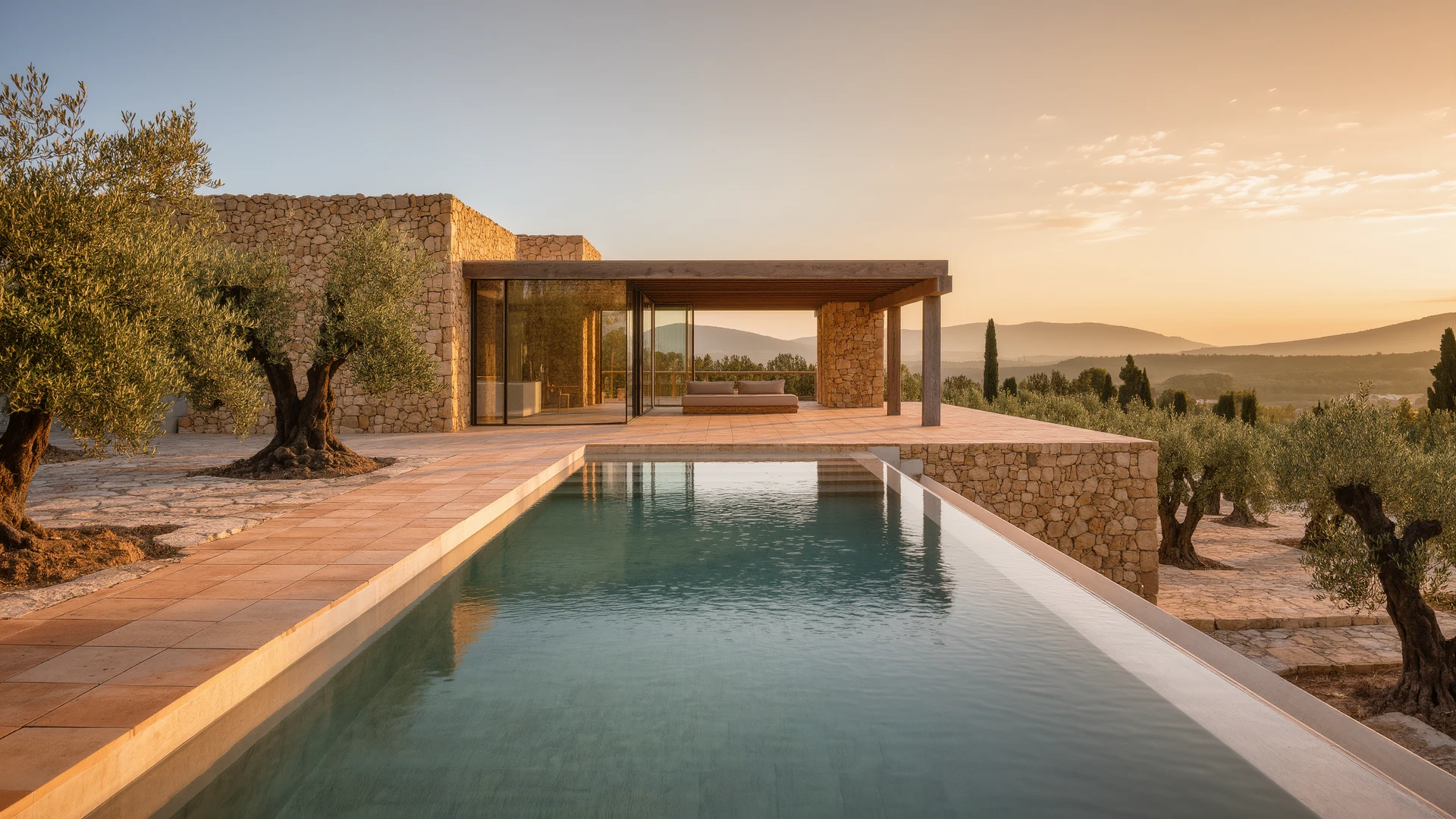
Luxury Finca Complete Guide
Luxury finca guide for Mallorca: prime locations, prices from 1.5M to 25M euros, restoration costs, water rights and a 7.2% growth rate driving this r…
Mallorca · 14 min
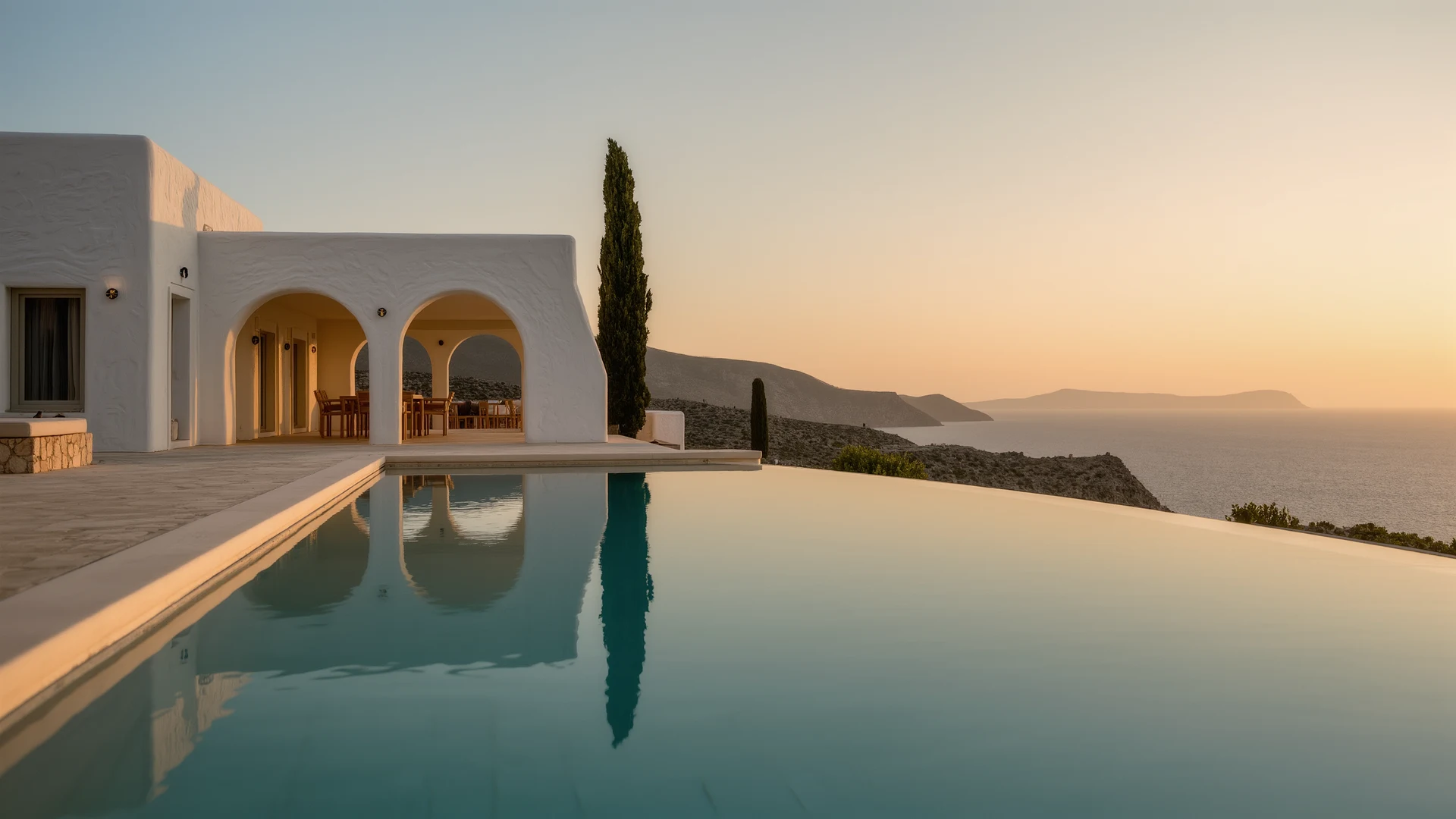
Mediterranean Villa Buying Guide
Mediterranean villa buying guide 2026: prices, yields and tax across Spain, France, Italy, Greece, Croatia and Montenegro in a 320 billion euro luxury…

Mallorca · 16 min
Mallorca Luxury Real Estate Guide
Mallorca luxury real estate guide: 2025 prices from 2 to 45 million euros, top areas like Portals Nous and Port d’Andratx, taxes, Golden Visa an…