Mallorca · 39.62°N 2.99°E · File 372
The Role of Market Analysis and Competitive Monitoring
Market analysis and competitive monitoring are two critical components of strategic business planning that help organizations navigate the complexities of their respective industri…
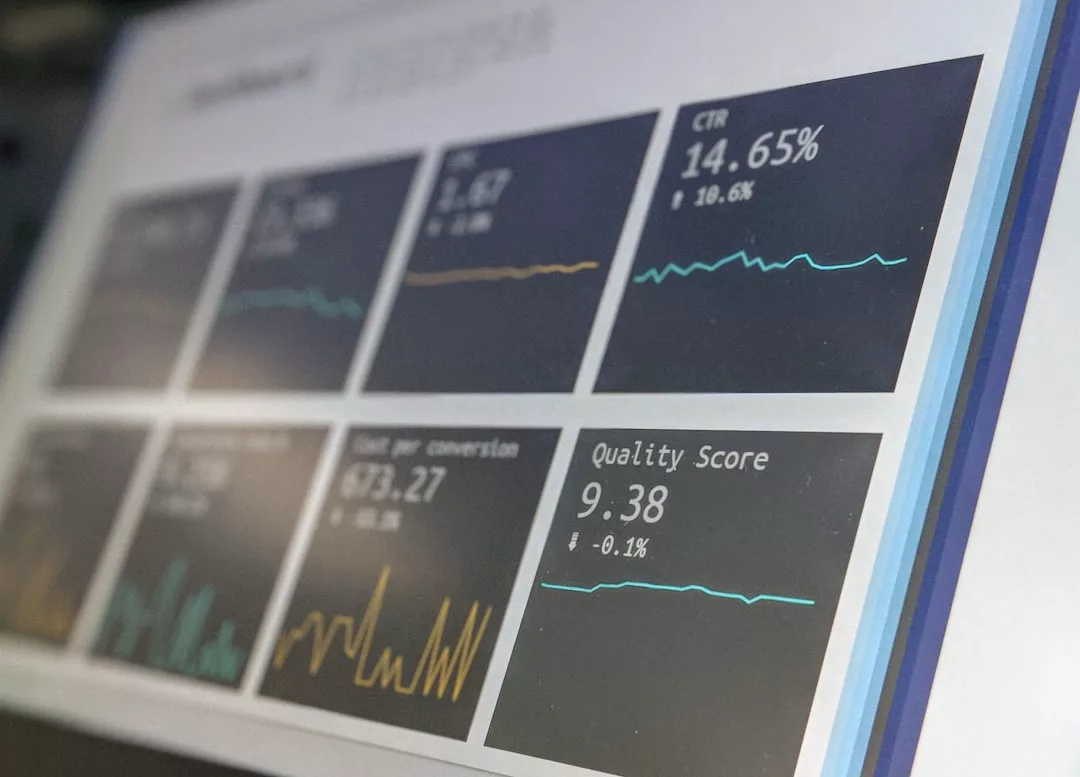
Market analysis and competitive monitoring are two critical components of strategic business planning that help organizations navigate the complexities of their respective industries. Market analysis involves the systematic examination of market conditions, including the evaluation of consumer needs, preferences, and behaviors, as well as the assessment of market size, growth potential, and overall trends. This process provides businesses with valuable insights into the dynamics of their target markets, enabling them to make informed decisions regarding product development, pricing strategies, and marketing initiatives.
On the other hand, competitive monitoring focuses on observing and analyzing the actions and strategies of competitors within the industry. This includes tracking competitors’ product offerings, pricing structures, marketing campaigns, and overall market positioning. By understanding what competitors are doing, businesses can identify gaps in the market, anticipate shifts in consumer preferences, and develop strategies to differentiate themselves.
Together, market analysis and competitive monitoring create a comprehensive framework for understanding the business landscape, allowing organizations to position themselves effectively and capitalize on emerging opportunities.
Key Takeaways
- Market analysis and competitive monitoring are essential for understanding the current market landscape and identifying key competitors.
- Market analysis plays a crucial role in shaping business strategy by providing insights into customer needs, market trends, and potential opportunities.
- Competitive monitoring helps businesses identify industry trends, benchmark against competitors, and stay informed about market changes.
- Market analysis can help businesses identify untapped market opportunities and develop strategies to capitalize on them.
- Competitive monitoring allows businesses to stay ahead of competitors by understanding their strategies, strengths, and weaknesses.
The Importance of Market Analysis in Business Strategy
Informing Business Decisions
A thorough market analysis can reveal unmet needs or preferences that a company can address, leading to innovative solutions that set it apart from competitors. Additionally, insights gained from market analysis can inform pricing strategies, promotional efforts, and distribution channels, ensuring that businesses align their offerings with market demand.Risk Management and Adaptation
By evaluating market trends and consumer behavior, businesses can anticipate potential challenges and adapt their strategies accordingly. For example, if a market analysis indicates a decline in demand for a particular product category, a company can pivot its focus to emerging trends or explore new markets.Foundation for Strategic Decision-Making
In essence, market analysis serves as a foundation for strategic decision-making, enabling businesses to navigate uncertainties with confidence. By providing a clear understanding of the market environment, market analysis helps organizations make informed decisions that drive growth and success.The Role of Competitive Monitoring in Identifying Industry Trends
Competitive monitoring is instrumental in identifying industry trends that can significantly impact a business’s success. By keeping a close eye on competitors’ activities, organizations can gain insights into emerging trends that may not yet be apparent through traditional market analysis alone. For instance, if multiple competitors begin to adopt sustainable practices or introduce eco-friendly products, it may signal a growing consumer preference for sustainability.
Recognizing such trends early allows businesses to adapt their strategies and offerings accordingly, ensuring they remain relevant in an evolving marketplace. Furthermore, competitive monitoring provides valuable context for understanding the competitive landscape. By analyzing competitors’ strengths and weaknesses, businesses can identify areas where they can differentiate themselves or improve their offerings.
This process not only helps in refining product development but also aids in crafting effective marketing messages that resonate with target audiences. In a rapidly changing business environment, staying attuned to competitors’ movements is crucial for maintaining a competitive edge and positioning oneself as an industry leader.
Utilizing Market Analysis to Identify Market Opportunities
One of the most significant benefits of conducting thorough market analysis is the ability to identify new market opportunities. By examining consumer behavior, preferences, and emerging trends, businesses can uncover niches that may have been overlooked or underserved. For example, a market analysis might reveal a growing demand for health-conscious food options among millennials.
Armed with this information, a food company could develop a line of organic snacks tailored to this demographic, effectively tapping into an expanding market segment. Additionally, market analysis can help businesses assess the viability of entering new geographic markets or expanding their product lines. By evaluating factors such as local consumer preferences, competitive dynamics, and regulatory environments, organizations can make informed decisions about where to invest their resources.
This strategic approach minimizes the risks associated with market entry and increases the likelihood of success. Ultimately, leveraging market analysis to identify opportunities empowers businesses to innovate and grow in alignment with consumer demands.
Using Competitive Monitoring to Stay Ahead of Competitors
In today’s fast-paced business environment, staying ahead of competitors requires continuous vigilance and adaptability. Competitive monitoring enables organizations to track their rivals’ strategies and performance metrics effectively. By analyzing competitors’ marketing campaigns, product launches, and customer engagement efforts, businesses can gain insights into what works and what doesn’t within their industry.
This knowledge allows them to refine their own strategies and avoid potential pitfalls. Moreover, competitive monitoring fosters a culture of innovation within organizations. By observing competitors’ successes and failures, businesses can learn valuable lessons that inform their own decision-making processes.
For instance, if a competitor successfully implements a new technology that enhances customer experience, other companies may be inspired to explore similar innovations or even develop superior alternatives. This constant cycle of observation and adaptation ensures that businesses remain agile and responsive to changes in the competitive landscape.
The Impact of Market Analysis and Competitive Monitoring on Decision Making
The integration of market analysis and competitive monitoring into decision-making processes has profound implications for business success. When organizations base their decisions on data-driven insights rather than assumptions or gut feelings, they are more likely to achieve favorable outcomes. For example, a company that conducts regular market analysis may decide to pivot its marketing strategy based on shifts in consumer preferences identified through research.
This data-driven approach minimizes risks associated with trial-and-error decision-making. Furthermore, the combination of market analysis and competitive monitoring enhances strategic planning efforts. By understanding both the external market environment and internal capabilities relative to competitors, businesses can develop comprehensive strategies that align with their goals.
This holistic perspective enables organizations to allocate resources effectively, prioritize initiatives that drive growth, and respond proactively to challenges. Ultimately, informed decision-making rooted in thorough analysis leads to improved performance and long-term sustainability.
Incorporating Market Analysis and Competitive Monitoring into Business Planning
To fully leverage the benefits of market analysis and competitive monitoring, organizations must incorporate these practices into their business planning processes systematically. This involves establishing regular intervals for conducting market research and competitor assessments to ensure that insights remain current and relevant. By integrating these analyses into strategic planning sessions, businesses can align their objectives with real-time data about market conditions and competitive dynamics.
Additionally, fostering collaboration between different departments, such as marketing, sales, product development, and finance, can enhance the effectiveness of market analysis and competitive monitoring efforts. Cross-functional teams can share insights gleaned from various analyses, leading to more comprehensive strategies that address multiple facets of the business. For instance, marketing teams can collaborate with product development to create offerings that resonate with identified consumer needs while also considering competitive positioning.
This integrated approach ensures that all aspects of the business are aligned toward common goals.
Best Practices for Effective Market Analysis and Competitive Monitoring
To maximize the effectiveness of market analysis and competitive monitoring efforts, organizations should adhere to several best practices. First and foremost is the importance of utilizing diverse data sources. Relying solely on internal data may provide a limited perspective; therefore, incorporating external sources such as industry reports, consumer surveys, social media analytics, and competitor websites can yield richer insights.
Additionally, leveraging technology tools can streamline the process of gathering and analyzing data. Advanced analytics platforms can help businesses track key performance indicators (KPIs), monitor competitor activities in real-time, and visualize trends through dashboards. These tools not only enhance efficiency but also enable organizations to make quicker decisions based on up-to-date information.
Finally, fostering a culture of continuous learning is essential for effective market analysis and competitive monitoring. Encouraging employees at all levels to stay informed about industry trends and competitor movements promotes agility within the organization. Regular training sessions or workshops focused on data interpretation skills can empower teams to derive actionable insights from analyses effectively.
In conclusion, understanding market analysis and competitive monitoring is vital for any organization aiming to thrive in today’s dynamic business landscape.
Same market
More from Mallorca

Mallorca · 14 min
Luxury Finca Complete Guide
Luxury finca guide for Mallorca: prime locations, prices from 1.5M to 25M euros, restoration costs, water rights and a 7.2% growth rate driving this r…

Mallorca · 14 min
Mediterranean Villa Buying Guide
Mediterranean villa buying guide 2026: prices, yields and tax across Spain, France, Italy, Greece, Croatia and Montenegro in a 320 billion euro luxury…

Mallorca · 16 min
Mallorca Luxury Real Estate Guide
Mallorca luxury real estate guide: 2025 prices from 2 to 45 million euros, top areas like Portals Nous and Port d’Andratx, taxes, Golden Visa an…