Selling Property in Mallorca for Profit
Selling property in Mallorca: how upgrades, pricing, agents, marketing, staging, negotiation and capital gains tax each affect the net result of a sale.
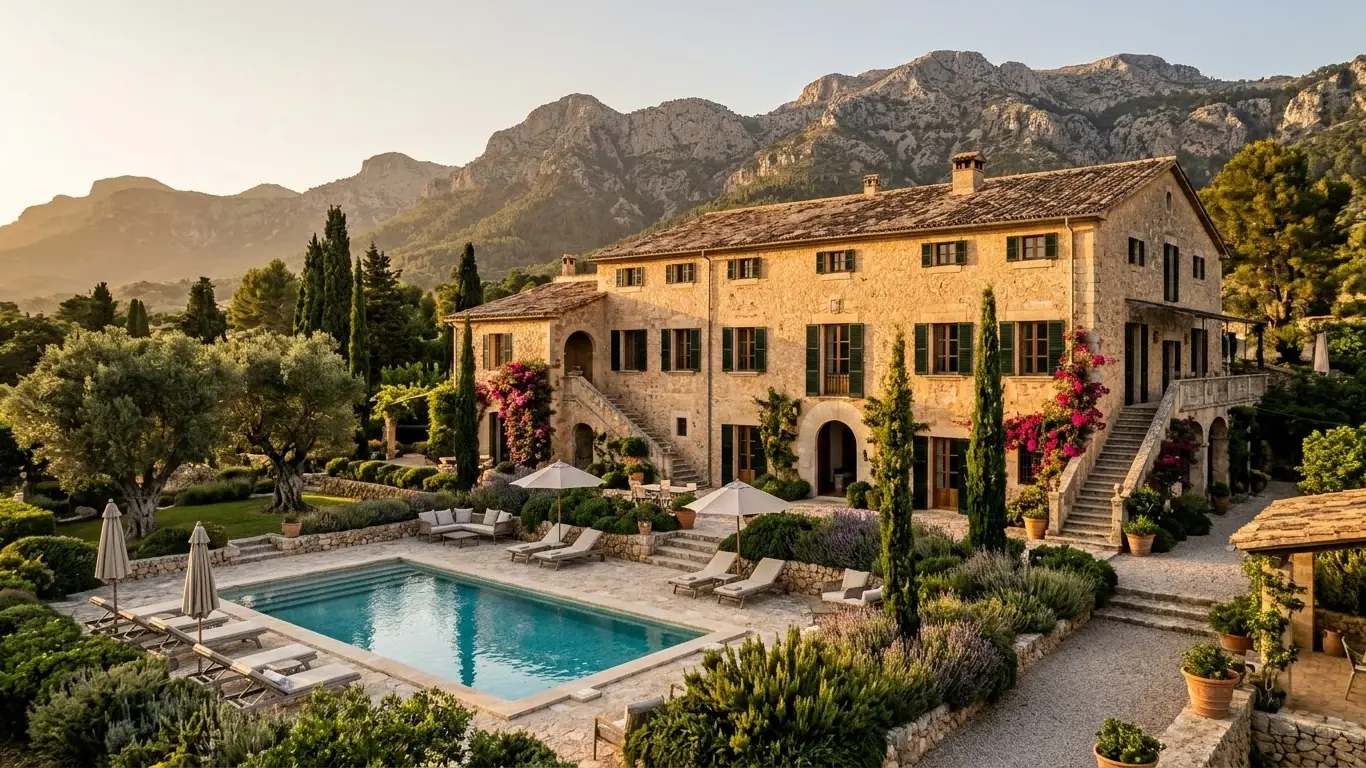

Mallorca draws local and international buyers with its landscapes, cultural heritage and climate, and values have risen steadily in sought-after areas such as Palma, Sóller and the coastal regions. Demand rests on the island’s appeal as a holiday destination, the influx of expatriates and remote work, which lets owners live in idyllic places and keep their professional commitments. This article sets out what sellers can do to improve the result of a sale: upgrades, agent, marketing, staging, negotiation, and the tax and legal steps.
The market has moved with global economic conditions, changes in tourism patterns and shifts in buyer preferences. After an initial slowdown in transactions, the recovery brought stronger interest in properties with outdoor space and proximity to nature. Sellers who know these trends can judge current conditions more soundly.
Knowing which types are in demand, such as villas with sea views or modern apartments in urban centers, shapes how a property is presented and priced.
Key takeaways
- The Mallorca market is diverse, with options from traditional homes to modern apartments.
- Renovation can raise value and appeal, but the costs and the likely return deserve careful weighing.
- An agent with local knowledge and experience helps sellers navigate the complexities of the market.
- Marketing needs a strategy: professional photography, online listings and targeted advertising.
- Staging lets buyers picture themselves in the space and leaves a positive impression.
- Negotiation means weighing offers, counteroffers and possible concessions.
- Tax implications and legal processes need to be understood for a smooth and compliant sale.
- Profit depends on strategic pricing, effective negotiation and controlled costs.
Upgrades and Renovations Before a Sale
Renovations and upgrades can raise a property’s appeal and value before it goes on the market.
Simple upgrades such as fresh paint, updated fixtures and landscaping change how a property is perceived.
A well-maintained garden or terrace can be a strong selling point where outdoor living is highly valued.
Energy-efficient appliances or solar panels appeal to environmentally conscious buyers and reduce long-term utility costs.
Kitchens and bathrooms are often focal points for buyers, so modernizing them can lift a property’s marketability considerably. A well-designed kitchen with high-quality finishes conveys luxury and functionality to buyers looking for their dream home.
Choosing a Professional Real Estate Agent
The Mallorca market is complex, and a knowledgeable agent brings expertise in local trends, pricing strategy and negotiation. A good agent knows which neighborhoods are trending and which types of properties are attracting buyers.
That insight allows tailored advice on how to position the property. An agent also takes on the many tasks of a sale, from market analysis to viewings and negotiations, and established networks can reach buyers who are interested in properties like yours without actively searching.
Marketing resources and industry contacts give a property wide exposure and can support a quicker sale.
Marketing Your Property to Buyers
In a competitive market, a comprehensive strategy combines online and offline channels to reach a diverse audience. High-quality photography is crucial: professional images that show the property’s best features create an emotional connection with prospective buyers.
Virtual tours let interested parties explore the property from home, and social media raises visibility. Targeted ads on platforms like Facebook and Instagram can reach specific demographics interested in buying property in Mallorca.
Local influencers or real estate bloggers can extend the reach further. Open houses and print advertising in local publications still matter, since they attract local buyers who prefer more conventional approaches to property hunting.
Staging the Property for Showings
Staging presents the property in its best light and creates an inviting atmosphere in which visitors can picture themselves living. It often means decluttering rooms, rearranging furniture for better flow and adding decorative elements that enhance appeal without overwhelming it.
Neutral color palettes create a calming environment and leave room for buyers to imagine their own style. Outdoor areas deserve equal attention in Mallorca’s climate: terraces and gardens show the lifestyle that comes with owning property on the island.
Outdoor furniture or potted plants can turn these areas into inviting retreats. The aim of staging is an emotional connection that makes buyers more ready to make an offer.
Negotiating the Sale
Negotiation calls for skill and strategy. Each offer deserves careful evaluation, not only for the price but for the terms attached. A higher offer may come with contingencies that complicate or delay the sale, while a slightly lower one from a serious buyer ready to proceed quickly can be the more straightforward choice.
An agent during negotiations provides insight into market conditions and helps judge whether an offer aligns with current trends. As intermediary, an agent also allows more objective discussions about price adjustments or repairs needed before closing.
Effective negotiation often finds common ground that satisfies both parties while securing the best possible outcome for the seller.
Tax Implications and Legal Processes
A sale in Mallorca involves legal processes and tax implications. A primary consideration is capital gains tax, which applies to profits from selling real estate. In Spain it is calculated on the difference between the purchase price and the selling price after deducting allowable expenses such as renovation costs or agent fees.
A tax advisor familiar with Spanish law helps ensure compliance and optimize the tax situation. The transfer of ownership has legal requirements too, including the necessary documentation such as the title deed and the settlement of all outstanding debts related to the property before completion.
A lawyer who specializes in real estate transactions can help meet all legal obligations and protect the seller’s interests throughout the process.
Maximizing Profit from the Sale
A strategic approach starts with an asking price based on thorough market research and comparable sales in the area. Overpricing can deter buyers, while underpricing may mean missed opportunities for profit, so the right level takes care to find.
Renovations or upgrades before listing can pay off if executed wisely. Improvements that match current buyer preferences, such as energy efficiency or modern aesthetics, work better than over-personalization that may alienate buyers. Flexibility in negotiation also helps: accepting a slightly lower offer from a serious buyer can lead to a quicker sale without prolonged market exposure that could diminish interest over time.
More from Mallorca
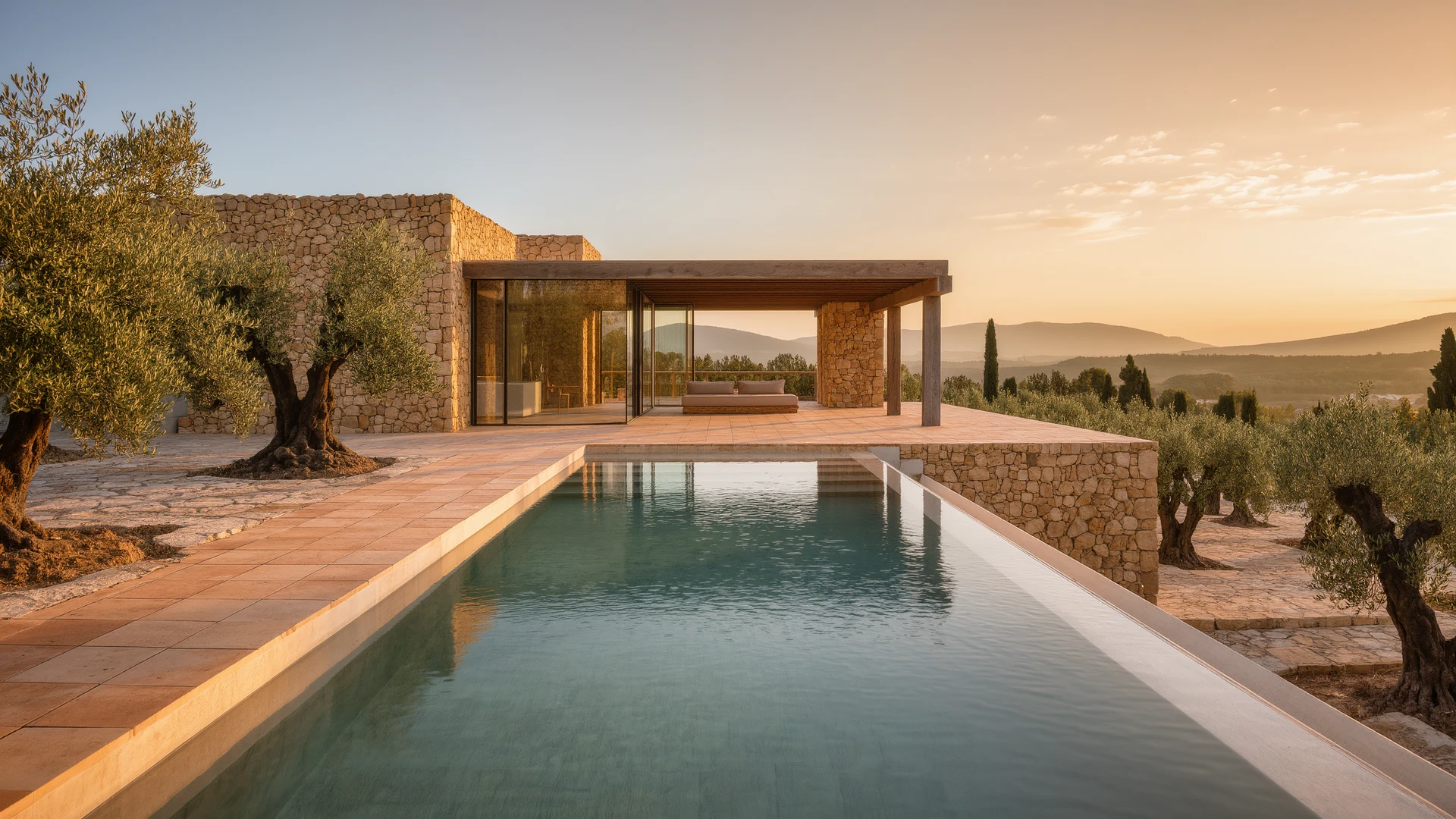
Luxury Finca in Mallorca: Prices, Costs, Water Rights
Luxury finca guide for Mallorca: prime locations, prices from 1.5M to 25M euros, restoration costs, water rights and what drives its valuation.
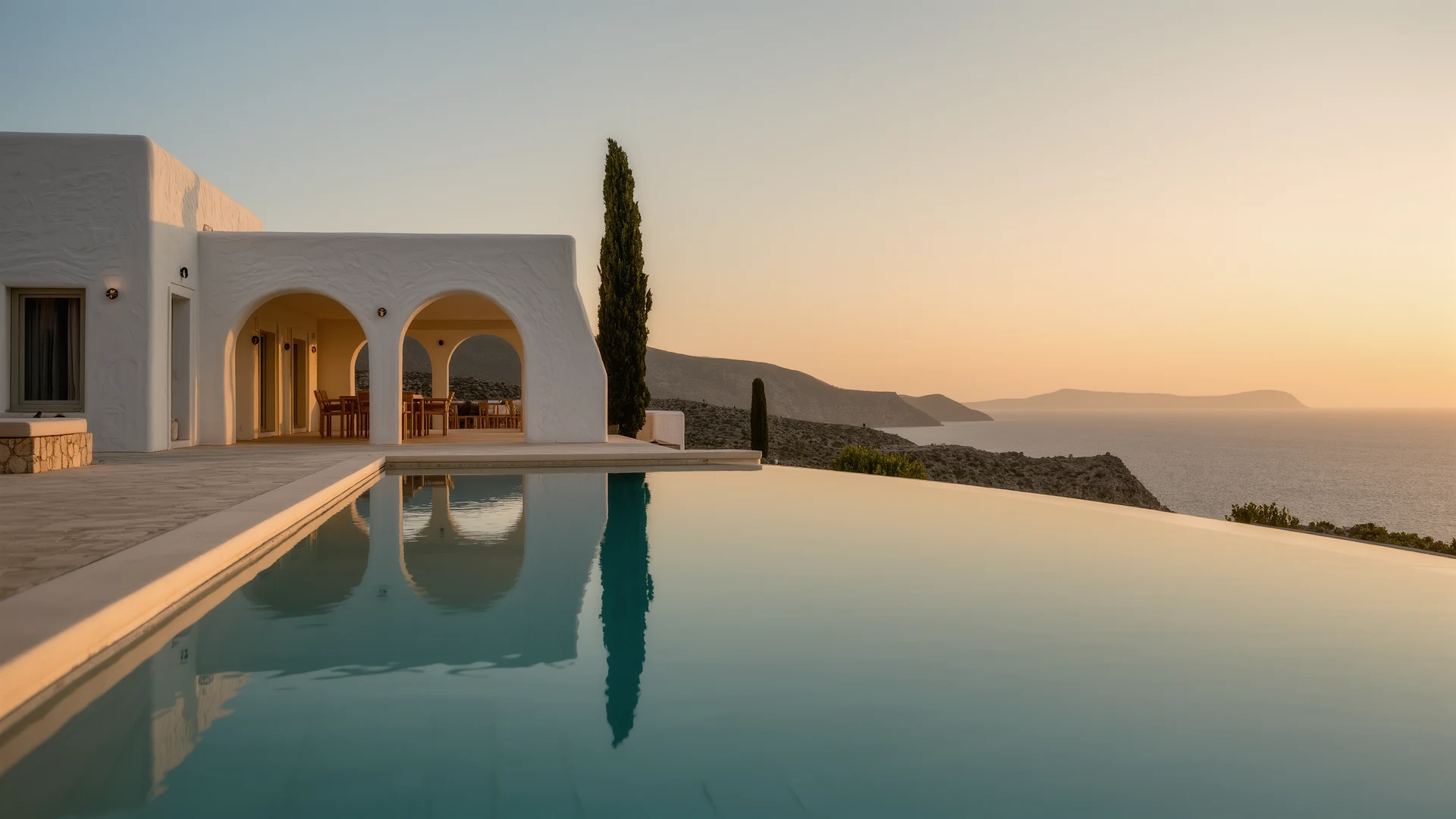
Mediterranean Villa Buying Guide: Prices, Yields, Taxes
Mediterranean villa buying guide 2026: prices, rental yields and taxes in Spain, France, Italy, Greece, Croatia and Montenegro, plus renovation rules.

Mallorca Luxury Real Estate Guide: Areas, Taxes, Prices
Mallorca luxury real estate guide: top areas like Portals Nous and Andratx, prices from 2 to 45 million euros, taxes, the Golden Visa and yields.