Mallorca · 39.62°N 2.99°E · File 165
The Significance of Heritage Preservation and Historical Regulations
Heritage preservation is a vital endeavor that safeguards the cultural, historical, and architectural legacies of societies around the globe. It encompasses a wide array of practic…
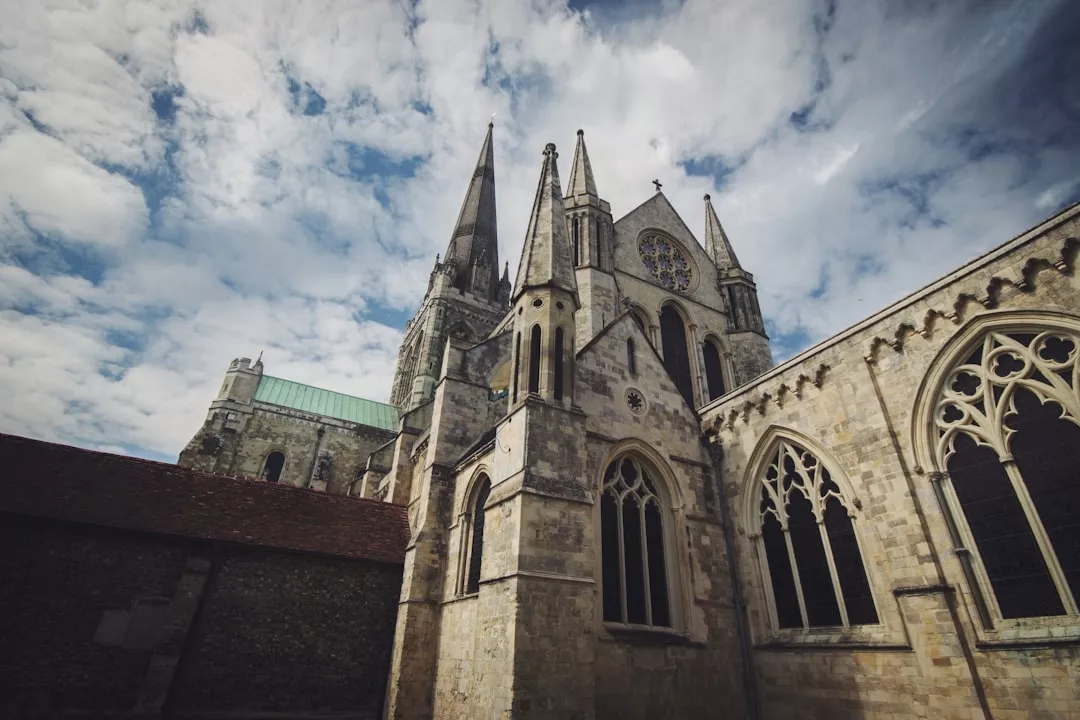
Heritage preservation is a vital endeavor that safeguards the cultural, historical, and architectural legacies of societies around the globe. It encompasses a wide array of practices aimed at maintaining and protecting sites, structures, and traditions that hold significant value to communities. The importance of this preservation cannot be overstated, as it serves as a bridge connecting past generations with the present and future.
By preserving heritage, societies can foster a sense of belonging and identity, allowing individuals to understand their roots and the historical narratives that shape their communities. Moreover, heritage preservation plays a crucial role in education and awareness. It provides tangible links to history, enabling people to learn about their ancestors’ lives, struggles, and achievements.
For instance, visiting a preserved historical site can evoke a deeper understanding of the socio-political context of a particular era. This educational aspect is not limited to local populations; tourists and scholars from around the world are drawn to heritage sites, seeking to gain insights into different cultures and histories. Thus, heritage preservation is not merely about maintaining physical structures; it is about nurturing the stories and experiences that define human civilization.
Key Takeaways
- Heritage preservation is crucial for maintaining a connection to our past and preserving cultural identity.
- Historical regulations play a key role in ensuring that heritage sites and buildings are protected from modern development.
- Heritage preservation is essential for maintaining and celebrating cultural identity and traditions.
- Heritage preservation can lead to economic benefits through tourism, job creation, and increased property values.
- Balancing development and heritage preservation is a challenge that requires careful planning and community engagement.
The role of historical regulations in preserving heritage
Historical regulations are essential tools in the realm of heritage preservation, providing a framework for protecting significant sites and structures from neglect or destruction. These regulations often stem from national or local laws designed to identify, designate, and protect heritage assets.
Such regulations ensure that any alterations or developments affecting these sites undergo rigorous scrutiny, thereby safeguarding their integrity. In many countries, historical regulations also empower local communities to participate in the preservation process. By involving citizens in decision-making regarding their heritage, these regulations foster a sense of ownership and responsibility.
For instance, in the United Kingdom, local authorities are required to consult with communities when considering changes to listed buildings or conservation areas. This participatory approach not only enhances the effectiveness of preservation efforts but also strengthens community ties as residents work together to protect their shared history.
The impact of heritage preservation on cultural identity
Heritage preservation significantly influences cultural identity by reinforcing the values, beliefs, and traditions that define a community. When individuals engage with their heritage, whether through festivals, rituals, or visits to historical sites, they reaffirm their connection to their cultural roots. This connection fosters pride and belonging, which are essential components of a cohesive society.
For example, Indigenous communities often rely on the preservation of traditional practices and sites to maintain their cultural identity in the face of modernization and globalization. Furthermore, heritage preservation can serve as a catalyst for cultural revival. In many cases, communities have revitalized interest in their traditions by restoring historical sites or reviving long-forgotten practices.
The restoration of the historic town of Tzintzuntzan in Mexico is a prime example; efforts to preserve its ancient Purépecha ruins have not only attracted tourism but have also inspired local residents to reconnect with their ancestral customs. This revival not only enriches the community’s cultural fabric but also empowers individuals by instilling a sense of pride in their heritage.
The economic benefits of heritage preservation
The economic benefits of heritage preservation are multifaceted and can significantly contribute to local and national economies. One of the most direct impacts is through tourism; well-preserved heritage sites attract millions of visitors each year, generating revenue for local businesses such as hotels, restaurants, and shops. For instance, cities like Rome and Paris thrive economically due to their rich historical offerings, with millions flocking to see landmarks like the Colosseum or the Eiffel Tower.
This influx of tourists creates jobs and stimulates economic growth in surrounding areas. Additionally, heritage preservation can enhance property values within communities. Areas with preserved historical architecture often see an increase in real estate demand as buyers seek unique living environments rich in character and history.
A study conducted by the National Trust for Historic Preservation in the United States found that neighborhoods with historic districts experienced property value appreciation at rates higher than those without such designations. This increase not only benefits homeowners but also contributes to local tax revenues that can be reinvested into community services and infrastructure.
The challenges of balancing development and heritage preservation
While the benefits of heritage preservation are clear, balancing development with preservation poses significant challenges. Urbanization and economic growth often lead to pressures on historical sites as cities expand and modernize. Developers may view these sites as obstacles to progress, advocating for demolition or alteration in favor of new construction that promises higher returns on investment.
This tension between preserving the past and accommodating contemporary needs can lead to conflicts within communities. Moreover, the lack of awareness or appreciation for heritage among decision-makers can exacerbate these challenges. In some cases, local governments may prioritize short-term economic gains over long-term cultural sustainability.
For example, in cities like Istanbul, rapid urban development has led to the destruction of numerous historical neighborhoods in favor of modern high-rises. Such decisions can result in irreversible losses to cultural heritage, prompting public outcry and calls for more stringent regulations to protect these invaluable assets.
The role of community engagement in heritage preservation
Community engagement is a cornerstone of effective heritage preservation efforts. When local residents are actively involved in the preservation process, they are more likely to advocate for their heritage and contribute to its protection. Engaging communities fosters a sense of ownership over local history and encourages individuals to take pride in their cultural assets.
Initiatives such as public workshops, educational programs, and volunteer opportunities can empower residents to participate actively in preserving their heritage. This program not only raises awareness about local history but also encourages community members to share their stories and experiences related to these sites.
By fostering dialogue between residents and preservationists, such initiatives create a collaborative environment where diverse perspectives can inform preservation strategies.
The significance of historical regulations in maintaining architectural integrity
Historical regulations play a crucial role in maintaining architectural integrity by establishing guidelines for alterations and restorations of heritage buildings. These regulations ensure that any changes made to historic structures respect their original design elements and materials, preserving their authenticity for future generations. For instance, many countries have specific criteria for what constitutes appropriate restoration work on listed buildings, often requiring that original materials be used whenever possible.
The significance of these regulations extends beyond mere aesthetics; they also contribute to the overall narrative of a place. By maintaining architectural integrity, communities can tell cohesive stories about their pasts through their built environment. The careful restoration of buildings like the Sydney Opera House or the Palace of Versailles exemplifies how adherence to historical regulations can enhance both cultural significance and public appreciation for architectural masterpieces.
The impact of heritage preservation on tourism and local economies
Heritage preservation has a profound impact on tourism and local economies by creating unique attractions that draw visitors from around the world. Tourists are increasingly seeking authentic experiences that allow them to connect with local cultures and histories. As a result, well-preserved heritage sites often become focal points for tourism development strategies.
For example, UNESCO World Heritage Sites like Machu Picchu in Peru or Petra in Jordan not only attract millions of visitors annually but also generate substantial revenue for local economies through entrance fees, guided tours, and related services. Moreover, the economic ripple effects extend beyond direct tourism revenue; they also encompass job creation in sectors such as hospitality, transportation, and retail. Local artisans often benefit from increased demand for traditional crafts and products associated with heritage sites.
In many cases, communities have leveraged their cultural assets to develop sustainable tourism models that prioritize environmental conservation while providing economic opportunities for residents. This holistic approach ensures that heritage preservation contributes positively to both cultural identity and economic vitality within communities.
Same market
More from Mallorca

Mallorca · 14 min
Luxury Finca Complete Guide
Luxury finca guide for Mallorca: prime locations, prices from 1.5M to 25M euros, restoration costs, water rights and a 7.2% growth rate driving this r…

Mallorca · 14 min
Mediterranean Villa Buying Guide
Mediterranean villa buying guide 2026: prices, yields and tax across Spain, France, Italy, Greece, Croatia and Montenegro in a 320 billion euro luxury…

Mallorca · 16 min
Mallorca Luxury Real Estate Guide
Mallorca luxury real estate guide: 2025 prices from 2 to 45 million euros, top areas like Portals Nous and Port d’Andratx, taxes, Golden Visa an…