Mallorca · 39.62°N 2.99°E · File 444
Successful Real Estate Photography Tips for Sales Ads
In the competitive world of real estate, high-quality photos serve as the first impression potential buyers have of a property. In an age where online listings dominate the market,…
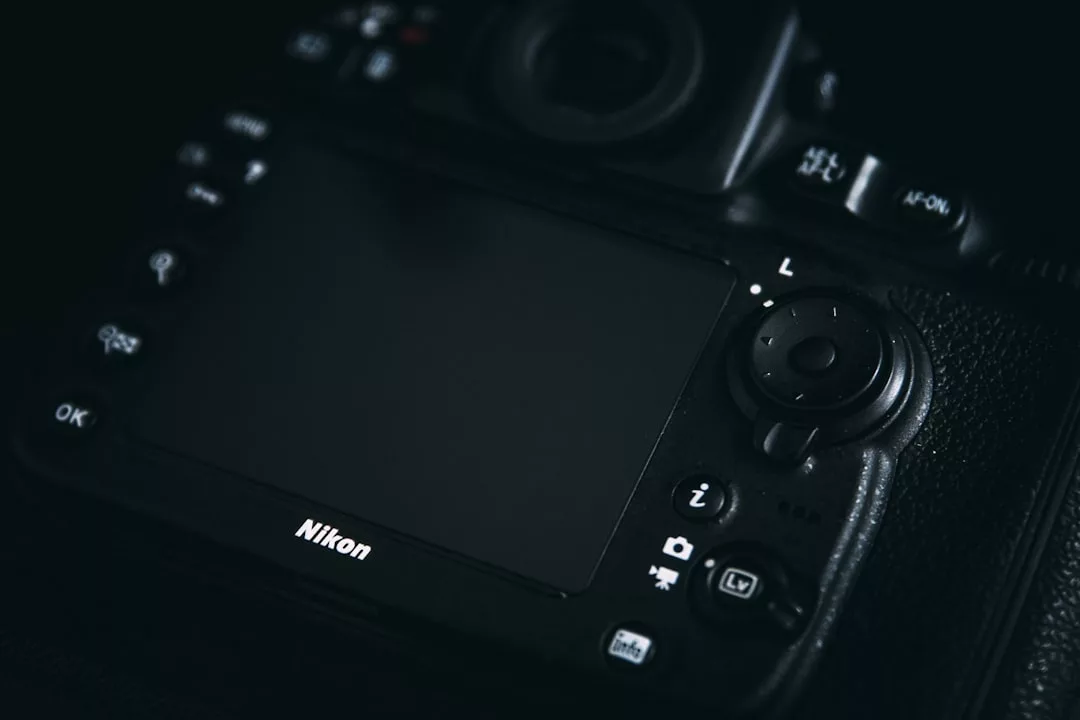
In the competitive world of real estate, high-quality photos serve as the first impression potential buyers have of a property. In an age where online listings dominate the market, the visual appeal of a home can make or break a sale. Studies have shown that listings with professional photographs receive significantly more views than those with amateur images.
This is not merely a matter of aesthetics; it is about creating an emotional connection with prospective buyers. A well-captured image can evoke feelings of warmth, comfort, and aspiration, compelling viewers to envision themselves living in the space. Moreover, high-quality photos can enhance the perceived value of a property.
When potential buyers see crisp, clear images that showcase the best features of a home, they are more likely to view it as a desirable investment. This perception can lead to quicker sales and potentially higher offers. In contrast, poor-quality images can lead to skepticism and disinterest, causing potential buyers to overlook a property entirely.
Therefore, investing in high-quality photography is not just an option; it is a necessity for anyone serious about selling real estate.
Key Takeaways
- High-quality photos are crucial for attracting potential buyers and making a lasting impression in real estate sales ads.
- Understanding lighting and composition is essential for capturing the best features of a property and creating visually appealing photos.
- Choosing the right equipment, such as a wide-angle lens and a tripod, can significantly improve the quality of real estate photography.
- Staging and preparing the property for photoshoots can make a big difference in the final outcome of the photos, helping to showcase the property in its best light.
- Editing and enhancing real estate photos can maximize their impact, making the property more attractive to potential buyers.
Understanding Lighting and Composition for Real Estate Photography
Lighting plays a crucial role in real estate photography, as it can dramatically alter the mood and appeal of a space. Natural light is often the best choice for showcasing a property, as it highlights colors and textures in a way that artificial lighting cannot replicate. Photographers should aim to shoot during the golden hour, shortly after sunrise or before sunset, when the light is soft and warm.
This time of day can create inviting atmospheres that make rooms feel more spacious and welcoming. Composition is equally important in real estate photography.
The way a photograph is framed can influence how viewers perceive the space. Utilizing techniques such as the rule of thirds can help create visually appealing images that draw the eye to key features of a room. Angling the camera slightly can also add depth and dimension, making spaces appear larger than they are.
It’s essential to capture multiple angles of each room to provide a comprehensive view of the property. By combining effective lighting with thoughtful composition, photographers can create stunning images that truly represent the essence of a home.
Choosing the Right Equipment for Real Estate Photography
Selecting the appropriate equipment is vital for achieving high-quality real estate photographs. A DSLR or mirrorless camera with a wide-angle lens is often recommended for capturing interiors, as these cameras allow for greater control over settings such as aperture and shutter speed. A wide-angle lens enables photographers to capture more of a room in a single shot, making spaces appear larger and more inviting.
Additionally, using a tripod can help stabilize the camera during long exposures, ensuring sharp images even in low-light conditions. Beyond the camera and lens, other accessories can enhance the quality of real estate photography. External flash units or softboxes can provide additional lighting when natural light is insufficient, helping to illuminate darker corners of a room.
A remote shutter release can prevent camera shake during long exposures, further improving image clarity. Investing in quality equipment not only enhances the final product but also allows photographers to experiment with different techniques and styles, ultimately leading to more captivating real estate images.
Tips for Staging and Preparing the Property for Photoshoots
Staging a property effectively can significantly impact how it is perceived in photographs. The goal of staging is to create an environment that allows potential buyers to envision themselves living in the space. This often involves decluttering and depersonalizing the home by removing personal items such as family photos and excessive decorations.
A clean, neutral palette helps create an inviting atmosphere that appeals to a broader audience. Additionally, rearranging furniture to create open pathways can make rooms feel more spacious and functional. Incorporating tasteful decor elements can also enhance the visual appeal of a property.
Simple touches like fresh flowers, strategically placed throw pillows, or art pieces can add warmth and character without overwhelming the space. It’s essential to highlight key features of the home, such as fireplaces or built-in shelving, by arranging furniture around them. By taking the time to stage and prepare a property thoughtfully, sellers can ensure that their home stands out in photographs and resonates with potential buyers.
Editing and Enhancing Real Estate Photos for Maximum Impact
Post-processing is an integral part of real estate photography that can elevate images from good to exceptional. Editing software such as Adobe Lightroom or Photoshop allows photographers to adjust exposure, contrast, and color balance, ensuring that images accurately represent the property while also enhancing their visual appeal. Straightening lines and correcting lens distortion are essential steps in maintaining professionalism in real estate photography.
Moreover, subtle enhancements such as increasing saturation or sharpening details can make images pop without appearing overly edited. However, it’s crucial to strike a balance; overly manipulated photos can mislead potential buyers and lead to disappointment during in-person viewings. The goal should be to present an accurate yet enticing representation of the property that captures its essence while inviting viewers to explore further.
Utilizing Drones and Aerial Photography for Real Estate Listings
Aerial Views that Highlight Property Features
Drones enable photographers to capture stunning overhead views that highlight landscaping features or outdoor spaces like pools and patios. These images create a sense of scale that ground-level shots may lack, helping buyers understand how the property fits into its surroundings.Setting Properties Apart with Aerial Shots
As drone photography becomes increasingly popular in real estate marketing, incorporating aerial shots into listings can set properties apart from competitors and attract more interest from prospective buyers. With drone technology, real estate agents and property owners can showcase their properties in a unique and captivating way, giving them a competitive edge in the market.The Future of Real Estate Marketing
The use of drone technology in real estate photography is expected to continue growing, offering new and innovative ways to showcase properties. With its ability to provide a unique perspective and highlight a property’s best features, drone photography is revolutionizing the way properties are marketed and sold.Creating Virtual Tours and 360-Degree Photos for Real Estate Ads
Virtual tours and 360-degree photos have emerged as powerful tools in real estate marketing, offering potential buyers an immersive experience that static images cannot provide. These interactive formats allow viewers to explore properties at their own pace, giving them a sense of space and flow that traditional photographs may not convey. By integrating virtual tours into listings, agents can engage potential buyers more effectively and provide them with valuable insights into the property layout.
Creating virtual tours typically involves capturing multiple images from various angles within each room and stitching them together using specialized software. This process requires careful planning and execution to ensure smooth transitions between spaces. Additionally, incorporating hotspots or clickable elements within virtual tours can enhance user experience by providing additional information about specific features or amenities.
As technology continues to advance, offering virtual tours will become increasingly essential for real estate professionals looking to stay competitive in the market.
Best Practices for Marketing and Promoting Real Estate Listings with Photos
Once high-quality photos are captured and edited, effective marketing strategies are crucial for maximizing their impact on potential buyers. Social media platforms such as Instagram and Facebook provide excellent avenues for showcasing real estate listings through visually appealing posts and stories. Utilizing targeted advertising on these platforms can help reach specific demographics interested in purchasing property in particular areas.
Additionally, creating engaging content around the photos, such as blog posts or video walkthroughs, can further enhance visibility and interest in listings. Collaborating with local influencers or real estate bloggers can also expand reach and attract new audiences. Ultimately, combining high-quality photography with strategic marketing efforts will ensure that properties stand out in a crowded marketplace, leading to quicker sales and satisfied clients.
In conclusion, high-quality photography is an indispensable element of successful real estate marketing. From understanding lighting and composition to utilizing advanced technology like drones and virtual tours, every aspect contributes to creating compelling visuals that resonate with potential buyers. By investing time and resources into these practices, real estate professionals can significantly enhance their listings’ appeal and effectiveness in attracting interested buyers.
Same market
More from Mallorca
Mallorca · 14 min
Luxury Finca Complete Guide
Luxury finca guide for Mallorca: prime locations, prices from 1.5M to 25M euros, restoration costs, water rights and a 7.2% growth rate driving this r…
Mallorca · 14 min
Mediterranean Villa Buying Guide
Mediterranean villa buying guide 2026: prices, yields and tax across Spain, France, Italy, Greece, Croatia and Montenegro in a 320 billion euro luxury…

Mallorca · 16 min
Mallorca Luxury Real Estate Guide
Mallorca luxury real estate guide: 2025 prices from 2 to 45 million euros, top areas like Portals Nous and Port d’Andratx, taxes, Golden Visa an…