Mallorca · 39.62°N 2.99°E · File 77
Successfully Renovating a Property in Mallorca
The journey of property renovation begins with the crucial step of finding the perfect property. This process is not merely about selecting a structure that appeals to the eye; it …
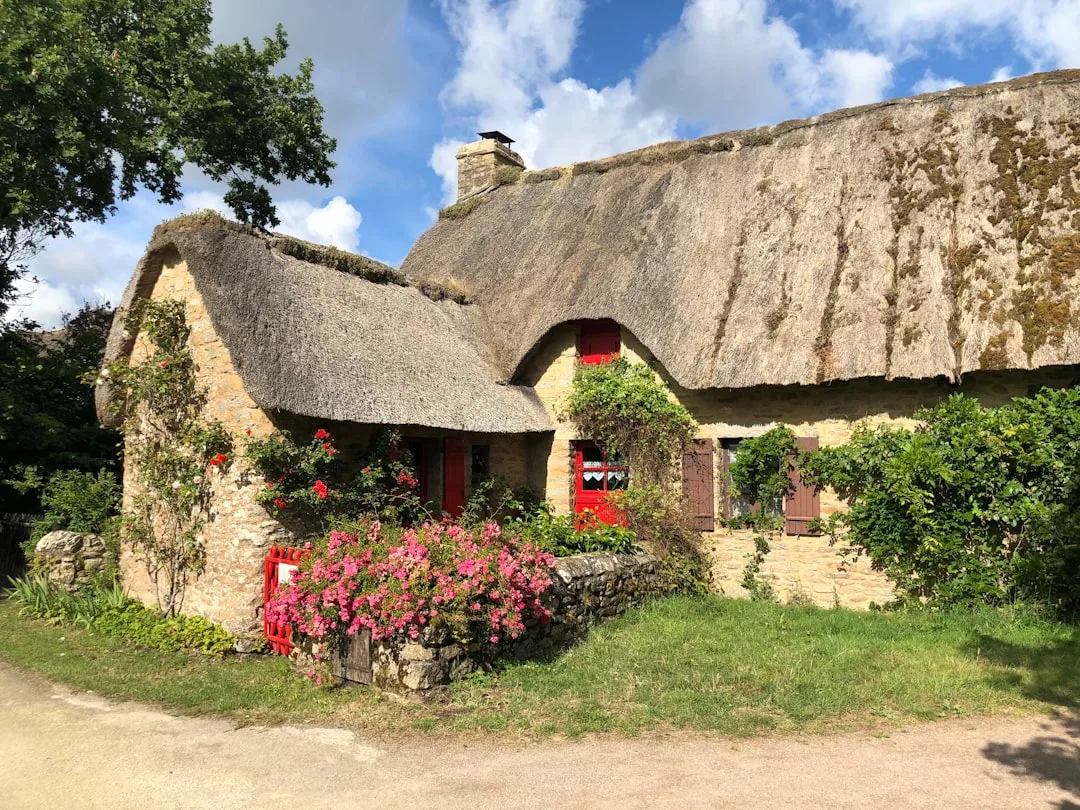
The journey of property renovation begins with the crucial step of finding the perfect property. This process is not merely about selecting a structure that appeals to the eye; it involves a comprehensive evaluation of various factors that can influence the success of your renovation project. Location is paramount; properties situated in desirable neighborhoods often appreciate in value more rapidly than those in less sought-after areas.
Proximity to amenities such as schools, parks, shopping centers, and public transportation can significantly enhance the attractiveness of a property. For instance, a home located within walking distance of a vibrant downtown area may command a higher resale price compared to one situated in a more isolated region. Beyond location, potential buyers should assess the condition of the property itself.
A thorough inspection can reveal hidden issues such as structural damage, plumbing problems, or outdated electrical systems that could complicate renovation efforts. For example, a charming Victorian home may seem appealing at first glance, but if it requires extensive foundation repairs or has outdated wiring, the costs can quickly escalate. Therefore, it is essential to weigh the initial purchase price against the estimated renovation costs to ensure that the investment remains viable.
Engaging a qualified home inspector can provide invaluable insights into the property’s condition and help identify any red flags that may not be immediately apparent.
Key Takeaways
- Finding the perfect property is crucial for a successful renovation project. Consider location, size, and potential for improvement.
- Budgeting and planning are essential to ensure the renovation stays on track and within financial constraints.
- Hiring the right professionals, such as architects, contractors, and interior designers, can make a significant difference in the outcome of the renovation.
- Obtaining necessary permits and approvals is a critical step to avoid legal issues and ensure the renovation meets building codes and regulations.
- Choosing the right materials and finishes can enhance the overall look and feel of the property, adding value and appeal.
Budgeting and Planning
Once the ideal property has been identified, the next step is to establish a realistic budget and create a comprehensive plan for the renovation. Budgeting is not merely about determining how much money is available; it involves forecasting all potential expenses associated with the project. This includes not only the cost of materials and labor but also permits, inspections, and unexpected contingencies that may arise during the renovation process.
A common rule of thumb is to allocate an additional 10-20% of the total budget for unforeseen expenses, as renovations often uncover issues that require immediate attention. Planning is equally critical and should encompass a detailed timeline for each phase of the renovation. This timeline should account for various factors, including the availability of contractors, delivery times for materials, and any seasonal considerations that may impact construction schedules.
For instance, if significant exterior work is planned, it may be wise to schedule this during warmer months to avoid delays caused by inclement weather. Additionally, creating a prioritized list of renovations can help streamline the process and ensure that essential updates are completed first, allowing for a more efficient workflow.
Hiring the Right Professionals
The success of any renovation project hinges on assembling a team of skilled professionals who can bring your vision to life. This begins with hiring a reputable contractor who has experience in the type of renovation you are undertaking. It is advisable to seek recommendations from friends or family or consult online reviews to identify contractors with a proven track record.
Once potential candidates have been identified, conducting interviews and requesting detailed estimates can help gauge their suitability for your project. In addition to contractors, other professionals may be necessary depending on the scope of the renovation. Architects or designers can provide valuable insights into optimizing space and enhancing functionality, while specialized tradespeople such as electricians, plumbers, and HVAC technicians are essential for ensuring that all systems are up to code and functioning efficiently.
Establishing clear communication with each member of your team is vital; this includes discussing timelines, budgets, and expectations to foster a collaborative environment that encourages creativity and problem-solving.
Obtaining Necessary Permits and Approvals
Before any physical work begins on a renovation project, it is imperative to obtain the necessary permits and approvals from local authorities. This step is often overlooked by novice renovators but is crucial for ensuring compliance with building codes and regulations. The types of permits required can vary significantly based on the nature of the renovations being undertaken; for example, structural changes may necessitate different permits than cosmetic updates.
Navigating the permitting process can be complex and time-consuming, often requiring detailed plans and documentation to be submitted for review. Engaging with local building departments early in the planning phase can help clarify what permits are needed and streamline the approval process. Additionally, some municipalities offer online resources or workshops that provide guidance on navigating local regulations.
Failing to secure the appropriate permits can lead to costly fines or even halt construction altogether, making this step an essential part of any renovation plan.
Choosing the Right Materials and Finishes
Selecting materials and finishes is one of the most exciting yet challenging aspects of a renovation project. When choosing materials, it is essential to consider durability, maintenance requirements, and how well they align with your overall design vision.
For instance, while hardwood flooring may offer timeless beauty, it may not be suitable for high-traffic areas unless properly maintained. In addition to aesthetics and durability, sustainability has become an increasingly important factor in material selection. Many homeowners are now opting for eco-friendly materials that minimize environmental impact while still providing high-quality finishes.
Reclaimed wood, recycled glass tiles, and low-VOC paints are just a few examples of sustainable options that can enhance both the beauty and environmental footprint of a renovation project. Collaborating with designers or architects who specialize in sustainable design can provide valuable insights into making environmentally conscious choices without sacrificing style.
Managing the Renovation Process
Effective management of the renovation process is crucial for ensuring that the project stays on track and within budget. This involves regular communication with contractors and tradespeople to monitor progress and address any issues that may arise promptly. Establishing a clear line of communication helps prevent misunderstandings and ensures that everyone involved is aligned with project goals.
Additionally, maintaining an organized schedule can help keep the renovation on track. Utilizing project management tools or software can assist in tracking timelines, budgets, and tasks while providing visibility into each phase of the renovation process. Regular site visits allow homeowners to assess progress firsthand and make informed decisions about any necessary adjustments or changes along the way.
Flexibility is key; being open to adapting plans based on unforeseen circumstances can lead to innovative solutions that enhance the overall outcome of the project.
Adding Value to the Property
As renovations progress, it is essential to keep in mind how each update contributes to increasing the property’s overall value. Certain renovations tend to yield higher returns on investment than others; for example, kitchen remodels and bathroom upgrades are often cited as some of the most valuable improvements homeowners can make.
Moreover, curb appeal should not be overlooked when considering value addition. The exterior of a property creates the first impression for potential buyers or guests; therefore, investing in landscaping, fresh paint, or updated siding can dramatically improve its attractiveness. Energy-efficient upgrades such as new windows or insulation not only enhance comfort but also appeal to environmentally conscious buyers looking for sustainable living options.
By strategically focusing on renovations that add value, homeowners can maximize their return on investment when it comes time to sell.
Enjoying the Finished Result
After months of planning, budgeting, and hard work, reaching the final stages of a renovation project brings immense satisfaction. The culmination of efforts results in a transformed space that reflects personal style while meeting functional needs. Taking time to appreciate these changes is essential; hosting gatherings or simply enjoying quiet moments in your newly renovated home allows you to fully embrace the fruits of your labor.
Moreover, documenting this journey through photographs or journals can serve as a cherished reminder of the transformation process. Sharing experiences with friends or family not only celebrates accomplishments but also provides inspiration for others considering similar projects. Ultimately, enjoying the finished result goes beyond mere aesthetics; it encompasses creating a space that fosters comfort, joy, and lasting memories for years to come.
Same market
More from Mallorca
Mallorca · 14 min
Luxury Finca Complete Guide
Luxury finca guide for Mallorca: prime locations, prices from 1.5M to 25M euros, restoration costs, water rights and a 7.2% growth rate driving this r…

Mallorca · 14 min
Mediterranean Villa Buying Guide
Mediterranean villa buying guide 2026: prices, yields and tax across Spain, France, Italy, Greece, Croatia and Montenegro in a 320 billion euro luxury…

Mallorca · 16 min
Mallorca Luxury Real Estate Guide
Mallorca luxury real estate guide: 2025 prices from 2 to 45 million euros, top areas like Portals Nous and Port d’Andratx, taxes, Golden Visa an…