Sustainable Building in Marbella: Trends and Pioneers
Sustainable building in Marbella: eco-friendly architecture, the pioneers behind it, new materials and techniques, environmental impact and open challenges.
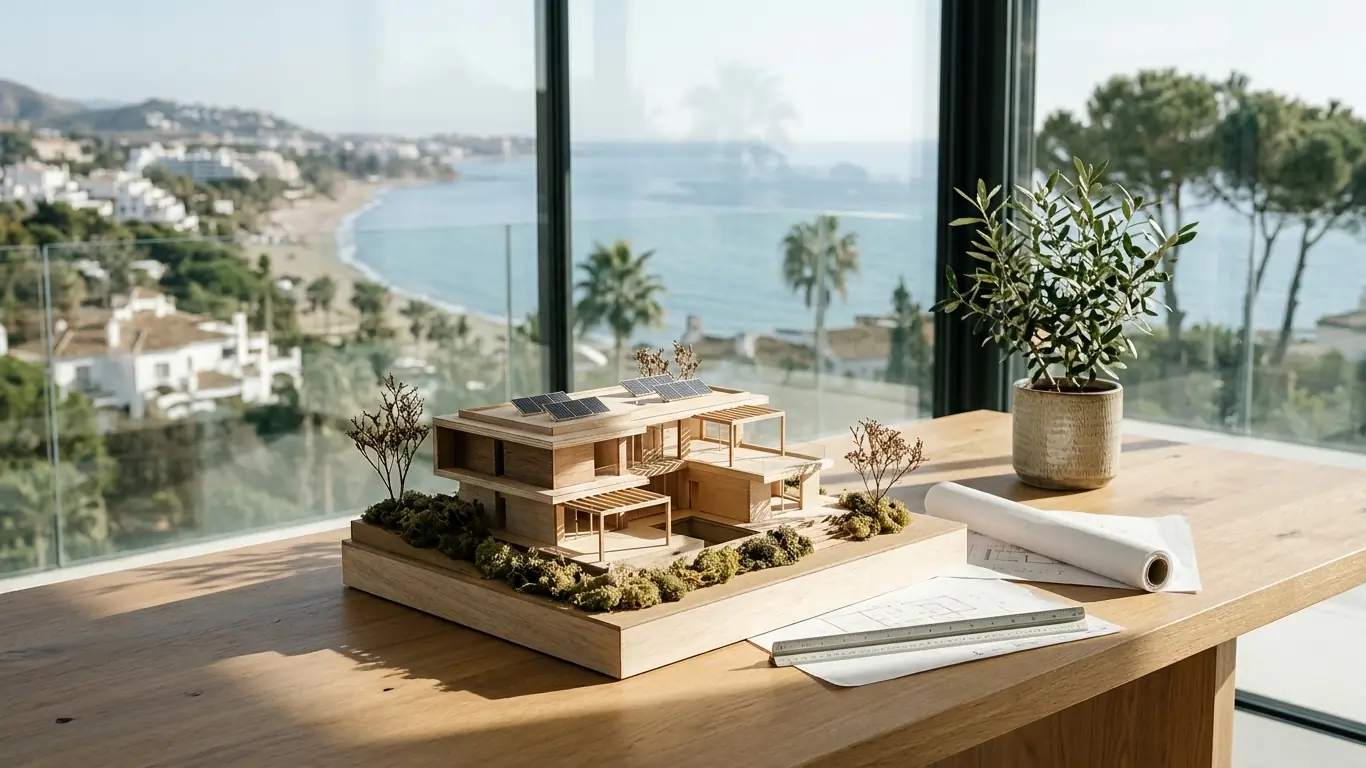

Marbella on the Costa del Sol is known for its beaches, luxurious lifestyle and vibrant culture. As climate change and environmental degradation press on every sector, construction is shifting toward sustainable practices, and in Marbella this is more than a trend: it changes how the region approaches development.
The shift rests on a commitment to limit environmental impact while improving the quality of life for residents and visitors. Sustainable building covers practices that reduce energy consumption, use renewable resources and promote ecological balance. Architects, builders and local authorities in Marbella increasingly see the value of structures that harmonize with the natural environment.
Sustainable practices benefit the planet and also raise the aesthetic appeal and functionality of properties, which makes them more attractive to buyers and investors.
Key Takeaways
- Sustainable building in Marbella creates environmentally friendly, energy-efficient structures that limit the impact on the environment.
- Eco-friendly architecture is growing as awareness of sustainable living rises and the wish to preserve the natural beauty of the region.
- Pioneers in Marbella lead with innovative techniques and materials for sustainable structures.
- Recycled materials, green roofs and passive design strategies help reduce energy consumption.
- Sustainable building helps reduce carbon emissions, conserve natural resources and protect the local ecosystem.
The Growing Trend of Eco-Friendly Architecture in Marbella
Marbella has seen a marked rise in eco-friendly architecture, in line with a broader global move toward sustainability. The movement favors designs that are visually appealing and environmentally responsible. From residential homes to commercial buildings, architects increasingly build green technologies and sustainable materials into their projects.
Consumers are more aware of sustainability and its long-term benefits. One notable aspect is biophilic design, which connects inhabitants with nature through natural materials, ample greenery and abundant natural light. Many new developments in Marbella feature open spaces, green roofs and landscaped gardens that promote biodiversity and give residents a serene living environment.
This approach raises the aesthetic value of properties and contributes to the mental well-being of those who live in them.
Pioneers in Sustainable Building Practices in Marbella
Several players have emerged as pioneers of sustainable building in Marbella. Architects such as Juan Antonio Marín and firms like A-cero have gained recognition for their commitment to sustainable design principles. Their projects often showcase technologies that reduce energy consumption and promote eco-friendly living. Local government has contributed as well: the town hall has introduced regulations that encourage developers to adopt green building standards and offers incentives for projects that meet specific sustainability criteria. This cooperation between private enterprises and public institutions has created fertile ground for innovation and positioned Marbella as a leader in sustainable architecture on the Costa del Sol.
Innovative Sustainable Building Materials and Techniques in Marbella
The search for sustainability has led to innovative materials and techniques that limit environmental impact and raise efficiency. Rammed earth is gaining popularity: natural soil forms durable walls with excellent thermal properties. The technique reduces the carbon footprint of conventional construction and shows natural textures.
Recycled materials are also becoming common in construction projects in Marbella. From reclaimed wood to repurposed metal, builders find creative ways to give salvaged materials a place in new designs.
Advances in technology have produced energy-efficient systems such as solar panels and geothermal heating, now integral to many new buildings in Marbella.
The Impact of Sustainable Building on Marbella’s Environment
The impact of sustainable building on the environment of Marbella is substantial. Eco-friendly construction methods significantly reduce the carbon emissions of conventional building, which improves air quality and helps mitigate the effects of climate change, particularly for coastal regions like Marbella that are vulnerable to rising sea levels.
Sustainable buildings also often promote water conservation and biodiversity. Rainwater harvesting, permeable paving and native landscaping show how new developments work in harmony with the local ecosystem. Such practices strengthen the resilience of the environment and make spaces more enjoyable for residents and visitors.
The Future of Sustainable Building in Marbella
Public awareness and technology continue to advance, and the outlook for sustainable building in Marbella is promising. Demand for eco-friendly properties is expected to rise as more people recognize the long-term benefits of sustainable living, which will likely drive further innovation in design and construction and lead to more efficient, environmentally responsible buildings.
As climate change grows more pressing, local governments may introduce stricter regulations for sustainability in construction. These could include mandatory green certifications for new developments or incentives for retrofitting existing buildings to higher environmental standards. Such measures would strengthen the reputation of Marbella as a leader in sustainable architecture.
Challenges and Opportunities for Sustainable Building in Marbella
The move toward sustainable building brings opportunities, but also challenges. A significant hurdle is the initial cost of green technologies and materials. Some developers hesitate to invest because of perceived financial risks or the lack of an immediate return on investment.
As awareness of the long-term savings of energy-efficient buildings grows, this perception is likely to change. A second challenge is educating consumers about the benefits of sustainable living, since many potential buyers still prioritize aesthetics or price over environmental considerations.
To overcome this barrier, stakeholders need to work together to raise awareness of eco-friendly architecture and the value of investing in sustainable homes.
More from Marbella
Marbella Property Market 2026: Prices, Areas and Taxes
Marbella property market 2026: €7.2bn in 2025 sales and prices up 5.8%, the Golden Mile, La Zagaleta and Puerto Banús, buyer profiles and tax guidance.
Marbella Property Market: What Draws Investors
Marbella draws property investors with its climate, rental demand and range of villas and apartments. A balanced look at the market, segments and risks.
Wellness Properties in Marbella: Health Meets Luxury
Wellness properties in Marbella: why they are gaining ground, what features define them, how health and luxury combine and what to weigh when choosing one.