Mallorca · 39.62°N 2.99°E · File 131
Tips for Integrating into the Local Community After Moving
To truly immerse oneself in a new environment, grasping the nuances of local culture is paramount. Culture encompasses a wide array of elements, including traditions, values, socia…
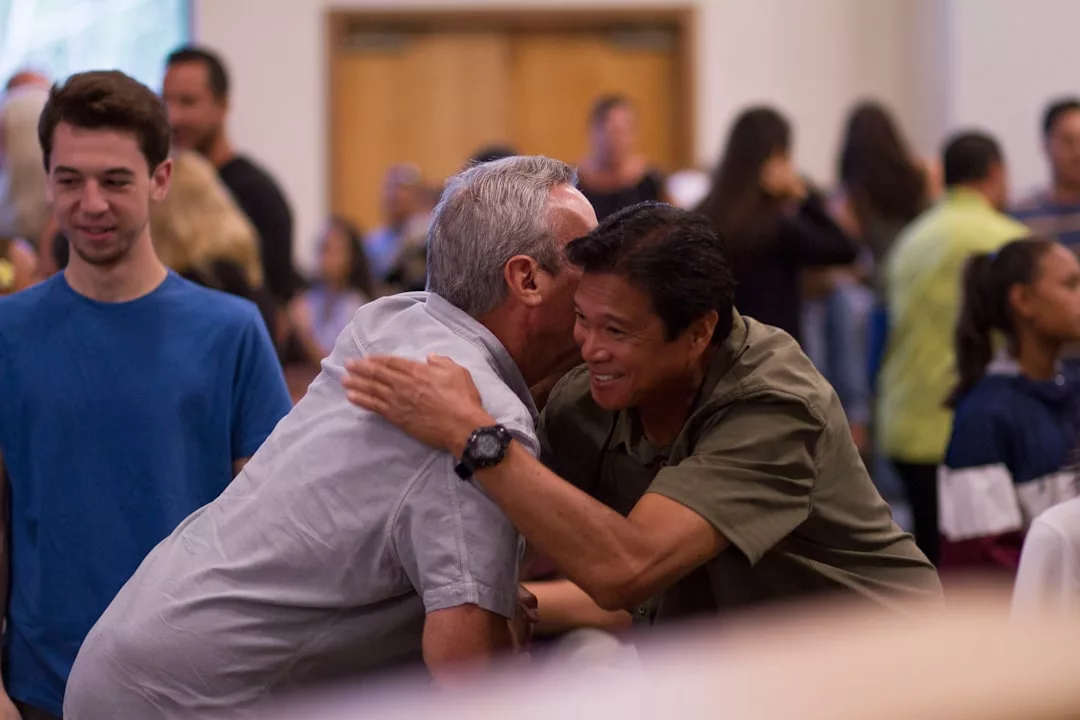
To truly immerse oneself in a new environment, grasping the nuances of local culture is paramount. Culture encompasses a wide array of elements, including traditions, values, social norms, and even culinary practices. For instance, in many regions, understanding the significance of local festivals can provide insight into the community’s history and collective identity.
Take, for example, the vibrant celebrations of Diwali in India or the Day of the Dead in Mexico. These events are not merely festivities; they are deeply rooted in the cultural fabric, reflecting the beliefs and values of the people. Engaging with these traditions can foster a sense of belonging and appreciation for the local way of life.
Moreover, local customs often dictate social interactions and etiquette. In some cultures, greetings may involve elaborate rituals, while in others, a simple handshake suffices. Understanding these subtleties can prevent misunderstandings and foster smoother interactions with locals.
For instance, in Japan, bowing is a common form of greeting that signifies respect, while in many Western cultures, direct eye contact is often seen as a sign of confidence and honesty.
Key Takeaways
- Understanding the local culture is essential for integrating into a new community and building meaningful relationships.
- Getting involved in community events is a great way to meet new people and immerse oneself in the local culture.
- Joining local clubs and organizations provides opportunities to connect with like-minded individuals and contribute to the community.
- Volunteering in the community not only helps others but also allows for a deeper understanding of local needs and issues.
- Supporting local businesses is crucial for the economic growth and sustainability of the community.
Getting Involved in Community Events
Participating in community events is an excellent way to connect with locals and gain a deeper understanding of the area. These gatherings often serve as a microcosm of the community’s spirit, showcasing its diversity and vibrancy. Events such as farmers’ markets, art fairs, or seasonal festivals provide opportunities to meet residents and engage in meaningful conversations.
For instance, attending a local music festival not only allows one to enjoy performances by regional artists but also offers a chance to mingle with fellow attendees who share similar interests. In addition to fostering social connections, community events often highlight local issues and initiatives. For example, a town hall meeting may address pressing concerns such as environmental sustainability or urban development.
By attending these events, individuals can gain insight into the challenges and aspirations of the community, allowing them to become more informed and engaged citizens. Furthermore, participating in such gatherings can lead to lasting friendships and networks that enrich one’s experience in the area.
Joining Local Clubs and Organizations
Becoming a member of local clubs and organizations is another effective way to integrate into a new community. These groups often cater to specific interests or hobbies, ranging from book clubs to sports teams, providing a platform for individuals to connect over shared passions. For instance, joining a hiking club not only promotes physical activity but also allows members to explore the natural beauty of the region while forming bonds with fellow outdoor enthusiasts.
Such clubs often organize regular outings and events that encourage camaraderie and collaboration. Moreover, local organizations frequently engage in community service or advocacy efforts, offering members an avenue to contribute positively to society. For example, environmental groups may organize clean-up drives or tree-planting initiatives that not only benefit the local ecosystem but also foster a sense of collective responsibility among participants.
By joining these organizations, individuals can not only pursue their interests but also play an active role in shaping the community’s future.
Volunteering in the Community
Volunteering is a powerful way to give back to the community while simultaneously building connections with its members. Many organizations rely on volunteers to carry out their missions, whether it be through food banks, shelters, or educational programs. Engaging in volunteer work allows individuals to gain firsthand experience of the challenges faced by various segments of the population.
For instance, volunteering at a local soup kitchen can provide insight into food insecurity issues while fostering empathy and understanding for those in need. Additionally, volunteering often leads to personal growth and skill development. Many organizations offer training programs that equip volunteers with valuable skills such as leadership, teamwork, and communication.
For example, volunteering as a mentor for at-risk youth can enhance one’s ability to connect with diverse individuals while making a meaningful impact on their lives. The relationships formed through volunteer work can be incredibly rewarding, creating a sense of community and shared purpose among participants.
Supporting Local Businesses
Supporting local businesses is crucial for fostering economic growth within a community. When individuals choose to shop at local stores or dine at neighborhood restaurants, they contribute directly to the livelihoods of their neighbors. This practice not only helps sustain small businesses but also enhances the unique character of the area.
For instance, visiting a family-owned bakery instead of a large chain allows patrons to enjoy artisanal products while supporting local artisans who pour their passion into their craft. Moreover, local businesses often reflect the culture and identity of the community they serve. By frequenting these establishments, individuals can experience authentic local flavors and products that may not be available elsewhere.
For example, dining at a restaurant that specializes in regional cuisine provides an opportunity to savor traditional dishes while learning about their historical significance. Supporting local businesses fosters a sense of pride within the community and encourages economic resilience.
Building Relationships with Neighbors
Establishing relationships with neighbors is fundamental to creating a sense of belonging in any community. Simple gestures such as introducing oneself or sharing baked goods can break down barriers and initiate conversations. Over time, these interactions can evolve into friendships that enrich one’s experience in the area.
For instance, participating in neighborhood potlucks or block parties provides an informal setting for residents to connect and share stories about their lives. Furthermore, strong neighborly relationships can lead to collaborative efforts that enhance community well-being. Neighbors who know each other are more likely to look out for one another and work together on projects that benefit everyone.
For example, organizing a community garden can foster cooperation among residents while promoting sustainability and healthy living. These connections create a support network that can be invaluable during challenging times.
Exploring the Local Area
Exploring the local area is essential for gaining a comprehensive understanding of one’s new environment. Each region boasts unique landmarks, natural wonders, and hidden gems waiting to be discovered. Taking time to visit parks, museums, historical sites, or scenic viewpoints allows individuals to appreciate the beauty and diversity of their surroundings.
For instance, hiking through local trails not only promotes physical health but also offers opportunities for reflection and connection with nature. Additionally, exploring the local area often leads to serendipitous encounters with residents who share insights about their favorite spots or activities. Engaging with locals during these explorations can provide valuable recommendations that enhance one’s experience.
For example, discovering a quaint coffee shop tucked away in an alley may lead to delightful conversations with baristas who are passionate about their craft. These interactions enrich one’s understanding of the community while creating lasting memories.
Learning the Local Language
Acquiring proficiency in the local language is one of the most effective ways to connect with residents and navigate daily life more smoothly. Language serves as a bridge between cultures, enabling individuals to communicate effectively and understand social cues better. For instance, learning basic phrases in Spanish can significantly enhance interactions in predominantly Spanish-speaking communities, fostering goodwill and appreciation among locals. Engaging with literature, music, or films in the local language can provide context for cultural references and idiomatic expressions that may otherwise go unnoticed. Participating in language exchange programs or conversation clubs can further enhance language skills while facilitating connections with native speakers who are eager to share their culture.
This mutual exchange fosters understanding and respect between newcomers and long-time residents alike. In summary, immersing oneself in a new community involves understanding its culture, participating in events, joining organizations, volunteering, supporting local businesses, building relationships with neighbors, exploring the area, and learning the language. Each of these elements contributes to creating a rich tapestry of experiences that enhance one’s connection to the community while fostering personal growth and mutual respect among its members.
Same market
More from Mallorca

Mallorca · 14 min
Luxury Finca Complete Guide
Luxury finca guide for Mallorca: prime locations, prices from 1.5M to 25M euros, restoration costs, water rights and a 7.2% growth rate driving this r…

Mallorca · 14 min
Mediterranean Villa Buying Guide
Mediterranean villa buying guide 2026: prices, yields and tax across Spain, France, Italy, Greece, Croatia and Montenegro in a 320 billion euro luxury…

Mallorca · 16 min
Mallorca Luxury Real Estate Guide
Mallorca luxury real estate guide: 2025 prices from 2 to 45 million euros, top areas like Portals Nous and Port d’Andratx, taxes, Golden Visa an…