Renovating and Modernizing Existing Properties
Renovating and modernizing existing properties: assessment, budget, priorities, energy efficiency, design, contractors, permits and unexpected costs.
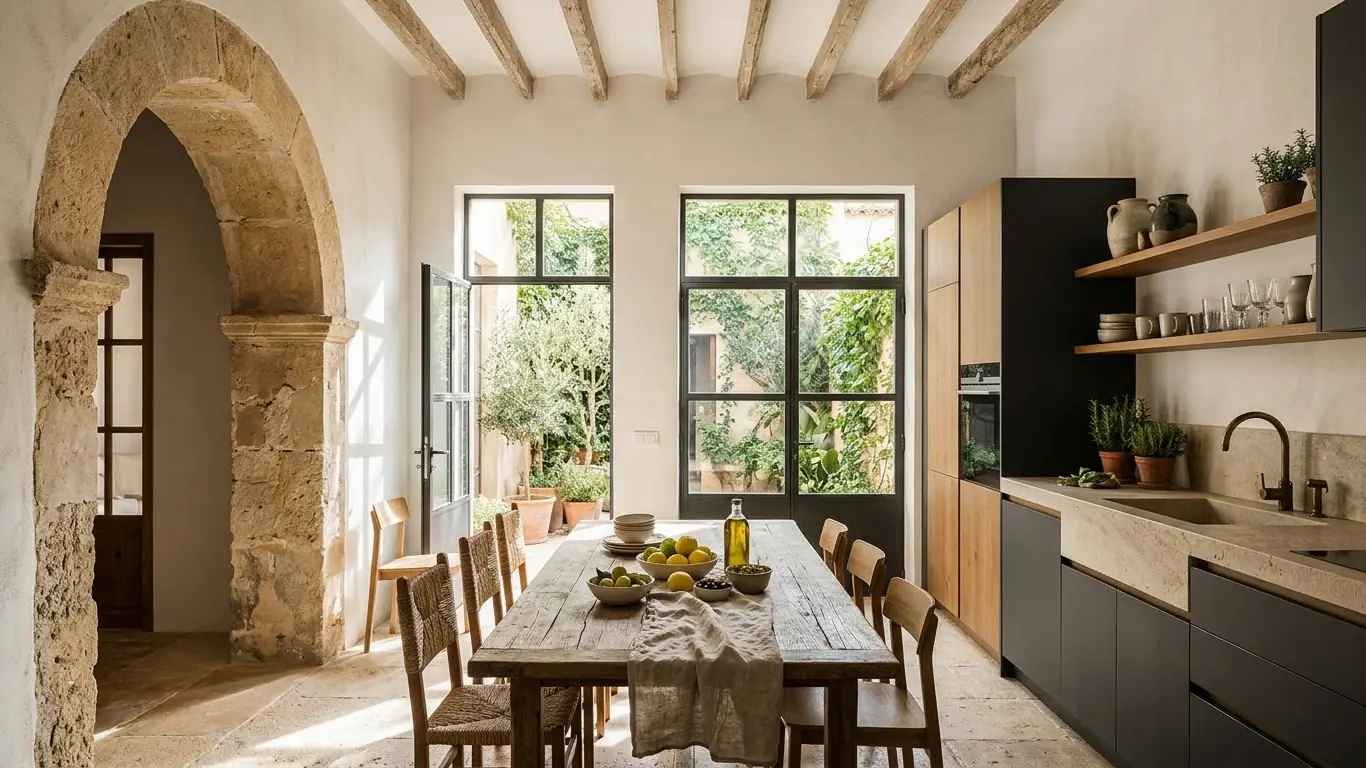

Every renovation starts with a thorough assessment of the property. It is the foundation for all later decisions on upgrades and improvements, beginning with the structure of the building. This article then covers budget, priorities, energy efficiency, design, contractors, permits and unexpected costs.
Look for signs of wear such as cracks in the foundation, sagging roofs or water damage. They affect safety and longevity, and addressing them early saves time and money. Older homes may also have outdated electrical systems, plumbing or insulation that need immediate attention.
Beyond structure, assess the aesthetics: the current layout and flow of the space, and any rooms that feel cramped or poorly designed.
Note whether natural light is abundant or certain areas feel dark. Knowing how the layout affects daily living shows which areas to prioritize. The neighborhood and market trends matter too.
Comparable properties in the area show which features appeal to potential buyers or renters and align your renovation choices with market demand.
Key Takeaways
- Assess the property to understand its condition and renovation needs.
- Set a realistic budget based on the assessment and your priorities.
- Prioritize the essential and most impactful improvements.
- Energy-efficient upgrades lower long-term utility costs and environmental impact.
- Modern design elements improve aesthetic appeal and functionality.
- Experienced contractors support high-quality workmanship and timely completion.
- Obtain the necessary permits and approvals to avoid legal issues and delays.
- Set aside a contingency budget for unforeseen expenses.
Set a Realistic Budget
A realistic budget is a critical step in any renovation. Account for all potential expenses, including materials, labor, permits and unexpected costs, and begin by researching average costs of comparable projects in your area.
This research gives a baseline and helps avoid underestimating expenses. Costs for kitchens and bathrooms vary widely with the scope of work. With a general idea of costs, create a detailed budget that includes a contingency fund, typically around 10 to 20% of the total, for unforeseen expenses.
Renovations often uncover hidden issues, such as mold behind walls or outdated wiring that needs replacement. Planning for them upfront limits financial stress and helps keep the project on track. Consider financing options too: personal loans, home equity lines of credit or other means, since knowing your financial capacity supports informed decisions throughout.
Prioritize Renovation Projects
With a clear budget, decide which projects come first. Not all renovations weigh equally: some improve functionality and value significantly, others are mainly cosmetic. Start with projects that address safety or livability.
A leaking roof or outdated plumbing takes precedence over aesthetic upgrades like new paint or landscaping. Once essential repairs are done, weigh which renovations offer the highest return on investment (ROI). Kitchen and bathroom remodels typically count among the stronger performers at sale, although no result is certain.
Upgrading appliances, fixtures and cabinetry in these spaces improves your enjoyment of the home and can appeal to future buyers. Consider, too, how each project fits your long-term goals for the property. If you plan to live in the home for several years, favor renovations that improve your quality of life over those that mainly appeal to future buyers.
Consider Energy-Efficient Upgrades
Energy-efficient upgrades reduce utility bills and can add value to a property. Consider high-efficiency windows, insulation upgrades and Energy Star-rated appliances, which can cut energy consumption and make the home more comfortable year-round.
Replacing single-pane windows with double or triple-pane options can save energy by limiting heat loss in winter and keeping interiors cooler in summer. Insulation in attics and walls improves temperature regulation throughout the home. Smart home technology adds control over heating and cooling systems.
Smart thermostats can learn your habits and adjust temperatures, adding efficiency and convenience.
Incorporate Modern Design Elements
Modern design brings new life to a property and meets contemporary tastes. It favors clean lines, open spaces and a minimalist look that serves function without losing style. Removing non-load-bearing walls can create an open-concept layout with better flow between living spaces.
Open layouts make areas feel larger and encourage interaction among family and guests. Color schemes and materials that reflect modern trends complete the effect: neutral palettes with pops of color create a fresh, inviting atmosphere.
Natural materials such as wood and stone add warmth and texture while keeping a contemporary feel. Smart lighting that adjusts to time of day or occupancy adds convenience, energy efficiency and a modern touch.
Hire Experienced Contractors
The expertise of your contractors largely decides the outcome of a renovation. Choose professionals with a proven track record, whether general contractors, electricians, plumbers or specialized tradespeople. Ask friends or family who completed similar projects for recommendations, or consult online reviews and ratings to gauge reputations.
Interview the shortlisted contractors about experience and approach, ask previous clients for references and review portfolios to see whether the work matches your vision. Discuss timelines and budgets upfront: clear communication about expectations prevents misunderstandings.
Verify that contractors are licensed and insured, which protects you from liability for accidents or damage during the renovation.
Obtain Necessary Permits and Approvals
Permits are a vital part of any renovation. Depending on scope, especially for structural changes or electrical work, you may need permits from local authorities before work starts. Without them, you risk fines or complications when selling the property later.
Start by researching which permits your project type requires in your area. Local government websites or building departments often provide this information. Then prepare the documentation and submit applications promptly to avoid delays in your timeline.
Plan for Unexpected Costs
Unexpected costs are an inevitable part of any renovation, however meticulous the planning. Hidden damage behind walls or outdated electrical systems that must meet current codes can derail a plan that has not allowed for them. A flexible mindset throughout the process reduces that risk.
Beyond a contingency fund, conduct thorough inspections before work begins. Pre-renovation assessments by professionals identify issues early, so they can be addressed before they grow into costly problems during construction. Open communication with contractors throughout keeps you informed about emerging challenges and lets you decide in time without compromising your vision for the renovation.
More from Mallorca
Luxury Finca in Mallorca: Prices, Costs, Water Rights
Luxury finca guide for Mallorca: prime locations, prices from 1.5M to 25M euros, restoration costs, water rights and what drives its valuation.

Mediterranean Villa Buying Guide: Prices, Yields, Taxes
Mediterranean villa buying guide 2026: prices, rental yields and taxes in Spain, France, Italy, Greece, Croatia and Montenegro, plus renovation rules.

Mallorca Luxury Real Estate Guide: Areas, Taxes, Prices
Mallorca luxury real estate guide: top areas like Portals Nous and Andratx, prices from 2 to 45 million euros, taxes, the Golden Visa and yields.