Mallorca · 39.62°N 2.99°E · File 135
Tips for Successful Collaboration with Real Estate Photographers
Effective communication is the cornerstone of any successful collaboration, particularly in the realm of photography. When working with a photographer, it is essential to establish…

Effective communication is the cornerstone of any successful collaboration, particularly in the realm of photography. When working with a photographer, it is essential to establish a clear line of communication from the outset. This involves not only articulating your vision and expectations but also being receptive to the photographer’s insights and suggestions.
A well-defined communication strategy can help mitigate misunderstandings and ensure that both parties are aligned on the project’s goals. For instance, if you are looking to capture a specific mood or theme, sharing reference images or mood boards can provide the photographer with a visual context that enhances their understanding of your vision. Moreover, maintaining open channels of communication throughout the process is equally important.
Regular check-ins can help address any concerns or adjustments that may arise as the shoot date approaches. Utilizing various communication tools, such as emails, phone calls, or messaging apps, can facilitate this ongoing dialogue. By fostering an environment where both you and the photographer feel comfortable discussing ideas and concerns, you create a collaborative atmosphere that can lead to more innovative and successful outcomes.
Key Takeaways
- Clear communication is key to a successful photo shoot
- Detailed instructions and expectations help the photographer deliver the desired results
- Respect the photographer’s expertise and trust their creative vision
- Plan and schedule the photo shoot in advance to ensure everything runs smoothly
- Prepare the property for the photoshoot to showcase it in the best light
Provide detailed instructions and expectations
Clearly Define Your Objectives
When engaging a photographer, it is essential to provide them with detailed instructions and clearly defined expectations. For instance, if you are commissioning a real estate photographer, you might specify that you want to highlight certain features of the property, such as natural light in living spaces or unique architectural details.Logistical Details Matter
By being explicit about your goals, you enable the photographer to tailor their approach accordingly. In addition to outlining the overarching objectives, it is also beneficial to discuss logistical details. This encompasses aspects such as the timeline for the shoot, any necessary permits or access requirements, and the number of final images you expect to receive.A Collaborative Approach Yields Better Results
Providing this level of detail not only helps the photographer prepare adequately but also sets a professional tone for the collaboration. When both parties have a mutual understanding of what is expected, it minimizes the risk of miscommunication and enhances the overall efficiency of the project.Respect the photographer’s expertise
A successful collaboration hinges on mutual respect, particularly when it comes to recognizing and valuing the photographer’s expertise. Photographers bring a wealth of knowledge and experience to their craft, which can significantly enhance the quality of the final product. It is essential to acknowledge their artistic vision and technical skills while also being open to their suggestions.
For instance, if a photographer recommends a specific angle or lighting setup that differs from your initial concept, consider their perspective; they may have insights based on their experience that could elevate the shoot. Moreover, respecting a photographer’s expertise also means trusting their judgment when it comes to creative decisions. While it is important to communicate your vision, allowing them the freedom to interpret that vision through their lens can lead to unexpected and delightful results.
This collaborative spirit not only fosters a positive working relationship but also encourages innovation and creativity in the final images.
Plan and schedule the photo shoot in advance
Planning and scheduling a photo shoot well in advance is critical for ensuring that everything runs smoothly on the day of the shoot. This involves coordinating schedules between all parties involved, including the photographer, any models or subjects, and potentially other team members such as stylists or assistants. By setting a date well ahead of time, you allow for ample opportunity to address any potential conflicts or logistical challenges that may arise.
In addition to scheduling, thorough planning should encompass location scouting and preparation. If the shoot is taking place at a specific venue or property, visiting the site beforehand can help identify optimal shooting spots and assess any potential challenges related to lighting or space constraints. This proactive approach not only enhances efficiency on the day of the shoot but also allows for a more relaxed atmosphere where everyone can focus on capturing stunning images without unnecessary stress.
Prepare the property for the photoshoot
Preparing the property for a photoshoot is an essential step that can significantly impact the quality of the final images. This preparation involves several key elements, starting with decluttering and cleaning the space. A tidy environment allows for better composition and ensures that distractions do not detract from the main subject of the photographs.
For instance, if you are photographing a home for sale, removing personal items and excess furniture can create a more inviting atmosphere that appeals to potential buyers. In addition to cleaning and decluttering, consider staging the property to enhance its visual appeal. This might involve rearranging furniture, adding decorative elements like fresh flowers or artwork, or even employing professional staging services if necessary.
The goal is to create an inviting and aesthetically pleasing environment that showcases the property’s best features. Thoughtful preparation not only elevates the quality of the photographs but also reflects your commitment to presenting the property in its best light.
Give constructive feedback
Providing constructive feedback is an integral part of any creative collaboration, including photography projects. After reviewing initial images or proofs from a shoot, it is important to communicate your thoughts in a way that is both respectful and helpful. Focus on specific aspects of the work that resonate with you as well as areas where you feel adjustments could enhance the final product. For example, if you appreciate a particular composition but feel that certain colors could be adjusted for better harmony, articulating this feedback clearly can guide the photographer in refining their work. Additionally, framing feedback positively can foster a more collaborative atmosphere. Instead of simply pointing out what you dislike, try to express your preferences in terms of what you envision for the final product.
This approach encourages open dialogue and allows for a more productive exchange of ideas. By providing thoughtful feedback, you not only contribute to improving the outcome but also demonstrate your investment in the creative process.
Be open to creative input
While it is essential to communicate your vision and expectations clearly, being open to creative input from your photographer can lead to remarkable results. Photographers often possess unique perspectives and artistic sensibilities that can enhance your original concept in unexpected ways. For instance, they may suggest alternative angles or compositions that you hadn’t considered but could ultimately yield striking images.
Embracing this creative collaboration can result in photographs that are not only aligned with your vision but also infused with fresh ideas. Encouraging an open exchange of creative input also fosters a sense of partnership between you and the photographer. When both parties feel empowered to share their ideas freely, it creates an environment ripe for innovation and exploration.
This collaborative spirit can lead to discovering new techniques or styles that elevate the overall quality of the work produced.
Show appreciation for the photographer’s work
Recognizing and appreciating a photographer’s work is vital for nurturing a positive working relationship and encouraging future collaborations. After receiving the final images, take time to express your gratitude for their efforts and creativity throughout the process. A simple thank-you note or message acknowledging their hard work can go a long way in reinforcing your appreciation for their skills and dedication.
Moreover, consider sharing their work within your network or on social media platforms if appropriate. Highlighting their contributions not only showcases your satisfaction with their services but also helps promote their business to potential clients. By actively supporting their work, you contribute to building a mutually beneficial relationship that can lead to future projects together.
Showing appreciation fosters goodwill and encourages photographers to continue delivering exceptional results in future collaborations.
Same market
More from Mallorca
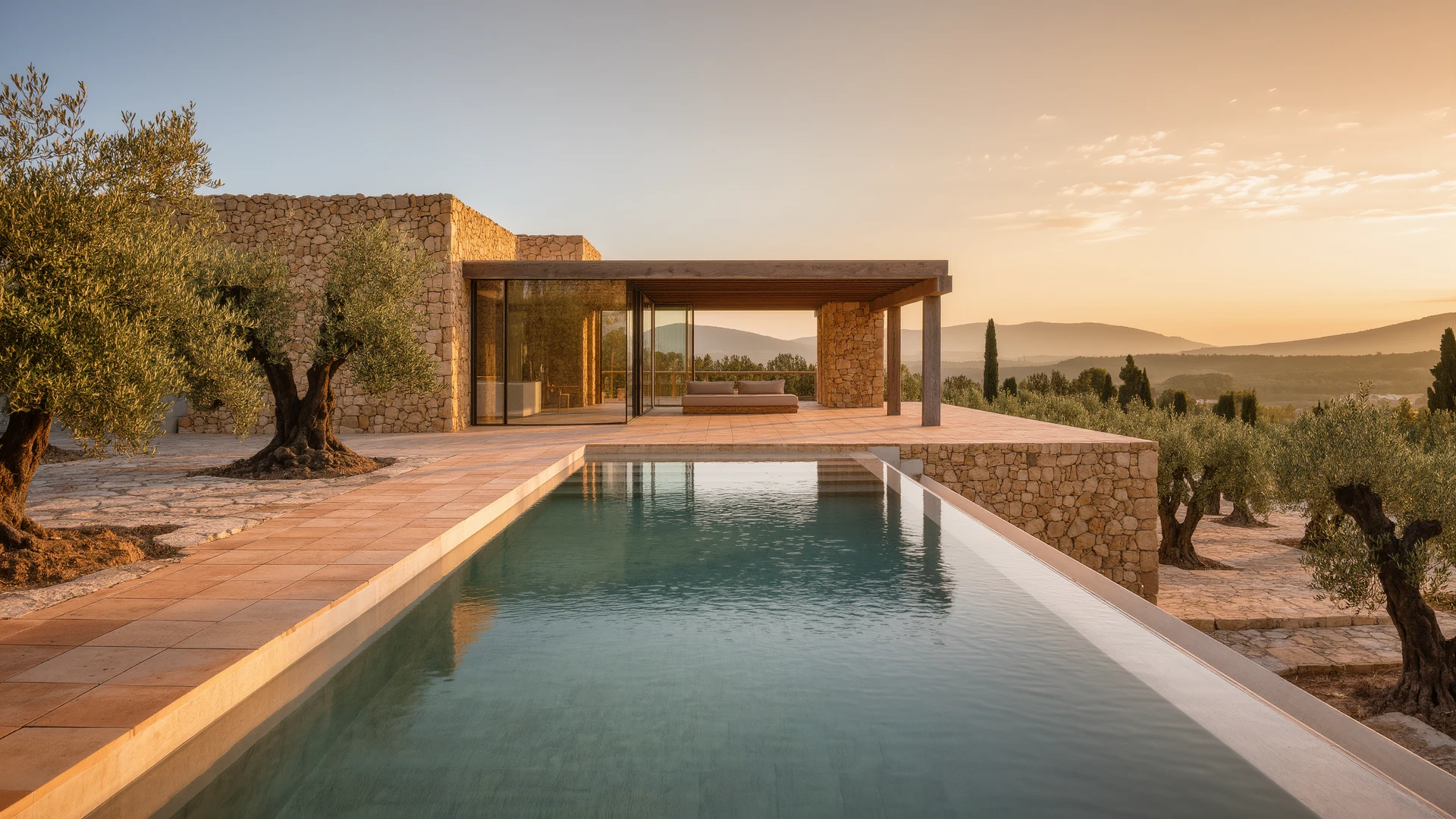
Mallorca · 14 min
Luxury Finca Complete Guide
Luxury finca guide for Mallorca: prime locations, prices from 1.5M to 25M euros, restoration costs, water rights and a 7.2% growth rate driving this r…
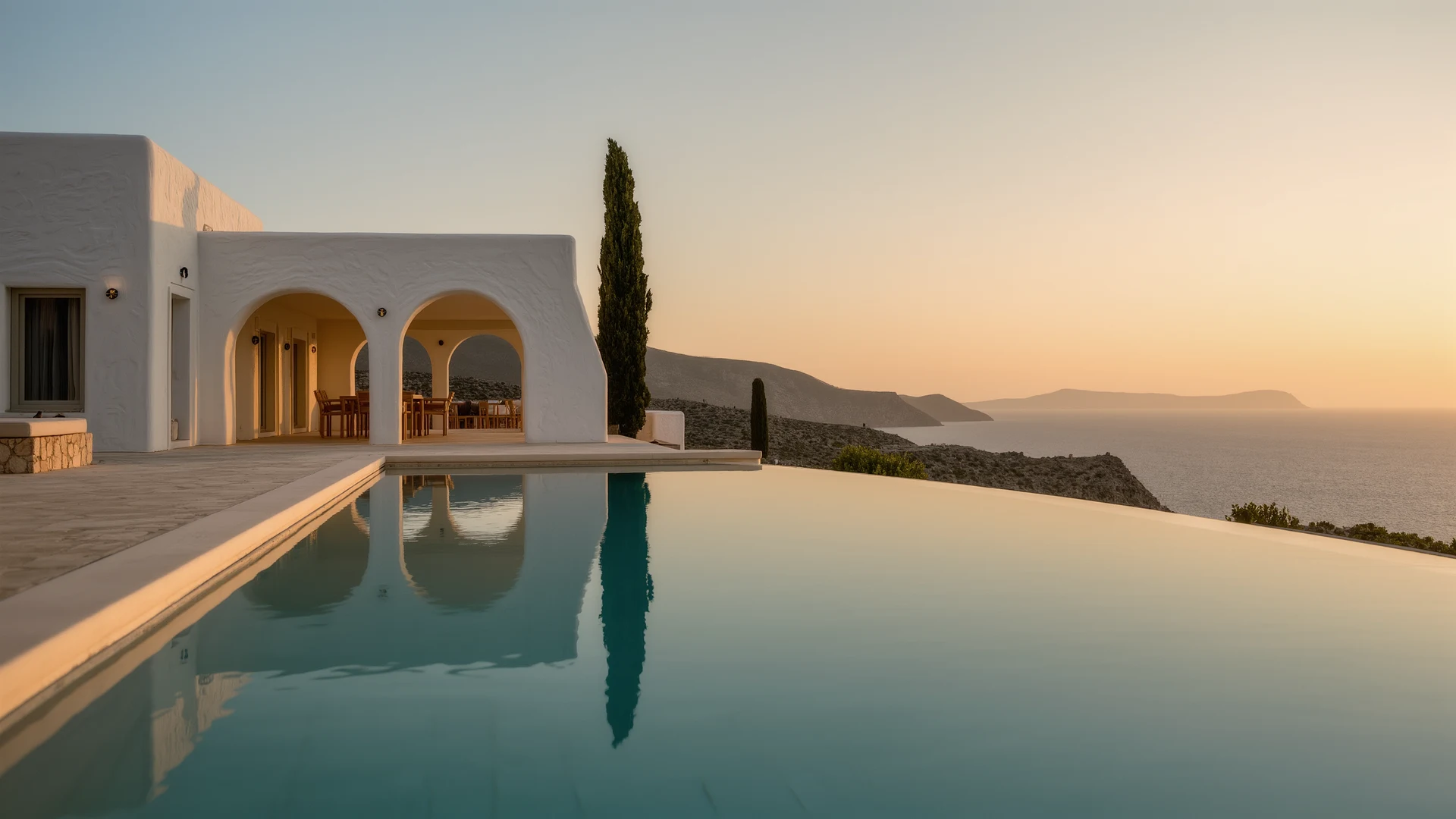
Mallorca · 14 min
Mediterranean Villa Buying Guide
Mediterranean villa buying guide 2026: prices, yields and tax across Spain, France, Italy, Greece, Croatia and Montenegro in a 320 billion euro luxury…

Mallorca · 16 min
Mallorca Luxury Real Estate Guide
Mallorca luxury real estate guide: 2025 prices from 2 to 45 million euros, top areas like Portals Nous and Port d’Andratx, taxes, Golden Visa an…