Mallorca · 39.62°N 2.99°E · File 332
Tips for Successful Real Estate Photography
Lighting plays a pivotal role in photography, particularly in real estate, where the goal is to showcase a property in its best light, both literally and figuratively. The right lig…

Lighting plays a pivotal role in photography, particularly in real estate, where the goal is to showcase a property in its best light, both literally and figuratively. The right lighting can transform a mundane space into an inviting haven, making it more appealing to potential buyers. Natural light, for instance, can enhance the colors and textures of a room, creating a warm and welcoming atmosphere.
Conversely, poor lighting can obscure details and create unflattering shadows, detracting from the property’s overall appeal. Therefore, understanding how to manipulate light is essential for any real estate photographer aiming to capture the essence of a home. Moreover, the time of day can significantly influence the quality of light in a photograph.
Early morning and late afternoon are often considered the golden hours for photography, as the sunlight is softer and more diffused. This natural illumination can highlight architectural features and create a sense of depth in images. Additionally, using artificial lighting strategically can help balance out shadows and enhance specific areas of a property.
By mastering the art of lighting, photographers can create images that not only attract attention but also evoke emotions, ultimately leading to a successful sale.
Key Takeaways
- Good lighting is crucial for capturing high-quality real estate images
- Choose the right equipment, such as a DSLR camera and a wide-angle lens, for professional-looking photos
- Properly stage the property to create an inviting and appealing atmosphere
- Pay attention to composition and angles to showcase the property in the best light
- Edit and retouch images to enhance their overall quality and appeal
Choosing the Right Equipment
Selecting the appropriate equipment is crucial for achieving high-quality real estate photographs. A professional camera with a wide-angle lens is often recommended, as it allows photographers to capture more of a room in a single shot without distortion. Wide-angle lenses can make spaces appear larger and more open, which is particularly beneficial in smaller homes.
Additionally, investing in a sturdy tripod is essential for maintaining stability during long exposure shots, especially in low-light conditions. A tripod ensures that images remain sharp and free from motion blur, which can be detrimental to the overall quality of the photographs. In addition to cameras and lenses, other accessories can enhance the photography experience.
External flash units or softboxes can provide additional lighting when natural light is insufficient, helping to illuminate darker corners of a room. Furthermore, editing software is an indispensable tool for post-processing images, allowing photographers to adjust brightness, contrast, and color balance to achieve the desired look.
By carefully selecting and utilizing the right equipment, photographers can elevate their work and produce stunning visuals that captivate potential buyers.
Staging the Property
Staging a property is an integral part of real estate photography that can significantly impact how a space is perceived by potential buyers. A well-staged home allows viewers to envision themselves living in the space, making it easier for them to connect emotionally with the property. This process often involves decluttering rooms, rearranging furniture, and adding decorative elements that enhance the overall aesthetic appeal.
By creating an inviting atmosphere, staged homes tend to photograph better and attract more interest from prospective buyers. Moreover, staging goes beyond mere aesthetics; it also involves highlighting the functionality of each space. For instance, arranging furniture in a way that showcases how a living room can be used for both relaxation and entertainment can help buyers visualize their own lifestyle within the home.
Additionally, incorporating neutral colors and tasteful decor can create a blank canvas that appeals to a broader audience. Ultimately, effective staging not only enhances the visual appeal of a property but also communicates its potential, making it an essential step in the real estate photography process.
Composition and Angles
The composition of a photograph is fundamental in determining its effectiveness in showcasing a property. A well-composed image draws the viewer’s eye and guides them through the space being photographed. Utilizing techniques such as the rule of thirds can help create balanced and engaging images.
By positioning key elements along imaginary lines that divide the frame into thirds, photographers can create a sense of harmony and interest within their shots. Additionally, leading lines, such as hallways or staircases, can direct attention toward focal points within the image. Angles also play a crucial role in real estate photography. For example, shooting from a lower angle can make ceilings appear higher and rooms feel more spacious. Conversely, capturing images from above can provide an overview of layout and flow within a home.
It’s important for photographers to consider how different angles affect the perception of space and to choose those that best represent the property’s features. By mastering composition and angles, photographers can create compelling images that resonate with potential buyers.
Editing and Retouching
Editing and retouching are essential components of real estate photography that can elevate images from good to exceptional. Post-processing allows photographers to refine their work by adjusting exposure, contrast, saturation, and sharpness to achieve a polished final product. While it’s important to maintain realism in photographs, subtle enhancements can help bring out the best features of a property without misrepresenting it.
For instance, brightening up dark areas or correcting color imbalances can make images more inviting and visually appealing. In addition to basic adjustments, advanced editing techniques such as HDR (High Dynamic Range) imaging can be employed to capture a wider range of light levels within a scene. This technique involves taking multiple exposures at different settings and blending them together to create an image that retains detail in both highlights and shadows.
Furthermore, retouching may involve removing distractions such as clutter or imperfections that could detract from the overall appeal of an image. By investing time in editing and retouching, photographers can ensure that their images stand out in a competitive market.
Highlighting Key Features
Every property has unique features that set it apart from others on the market, and it’s crucial for photographers to highlight these elements effectively in their images. Whether it’s an elegant fireplace, custom cabinetry, or breathtaking views from a balcony, showcasing these selling points can significantly influence buyer interest. To do this effectively, photographers should identify the standout features of each room before shooting and plan their compositions accordingly.
For instance, if a home boasts large windows with stunning views, capturing those windows in the frame while also including elements of the interior can create a compelling narrative about the space. Similarly, if there are unique architectural details such as crown molding or intricate tile work, close-up shots can emphasize craftsmanship and quality. By thoughtfully highlighting key features through strategic compositions and angles, photographers can create images that resonate with potential buyers and convey the property’s value.
Understanding the Property’s Unique Selling Points
To effectively market a property through photography, it’s essential for photographers to understand its unique selling points (USPs). These are characteristics that differentiate the property from others on the market and make it appealing to potential buyers. USPs may include location advantages such as proximity to schools or parks, distinctive architectural styles, or high-end finishes that set the home apart from competitors.
By grasping these unique aspects, photographers can tailor their approach to emphasize what makes each property special. For example, if a home is located in a desirable neighborhood known for its vibrant community life, capturing images that reflect this, such as nearby parks or local shops, can enhance its appeal. Additionally, understanding USPs allows photographers to craft narratives around their images that resonate with target audiences.
By effectively communicating what makes a property unique through visual storytelling, photographers can significantly increase buyer interest.
Ensuring High-Quality Images
Finally, ensuring high-quality images is paramount in real estate photography. In an age where first impressions are often made online, having crisp, clear photographs is essential for attracting potential buyers. This means not only using high-resolution equipment but also paying attention to details such as focus and exposure during shooting.
Blurry or poorly lit images can deter interested parties and give an impression of neglect regarding the property itself. Furthermore, consistency in image quality across all photographs is vital for creating a cohesive presentation of the property. This includes maintaining similar lighting conditions throughout different rooms and ensuring that all images are edited uniformly for color balance and sharpness.
By prioritizing high-quality images throughout every stage of the photography process, from shooting to editing, photographers can present properties in their best light and maximize their chances of making successful sales. In conclusion, real estate photography is an intricate blend of art and technique that requires careful consideration at every stage, from lighting and equipment selection to staging and editing. By mastering these elements and understanding how to highlight each property’s unique features effectively, photographers can create compelling visuals that resonate with potential buyers and drive successful sales outcomes.
Same market
More from Mallorca
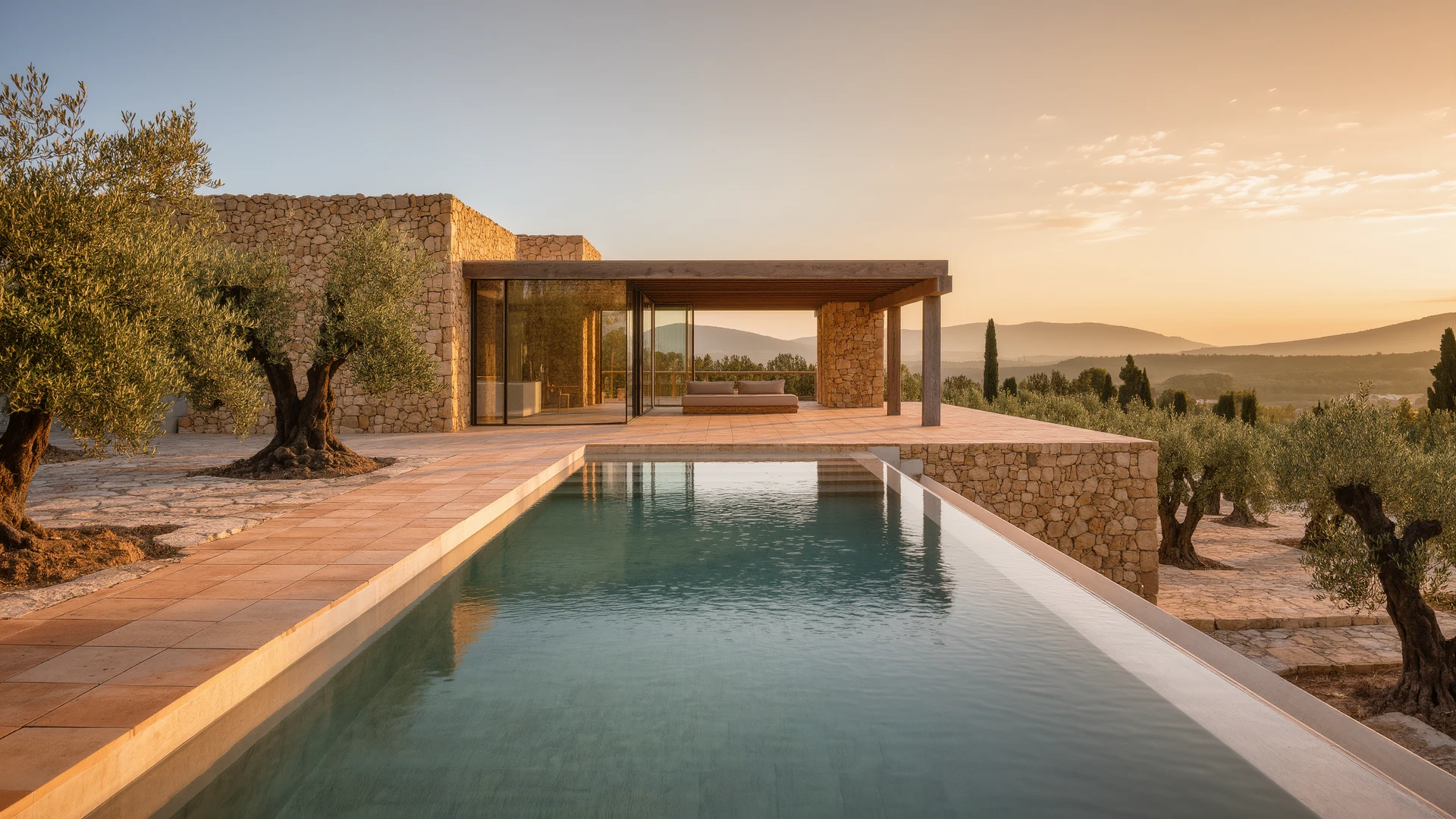
Mallorca · 14 min
Luxury Finca Complete Guide
Luxury finca guide for Mallorca: prime locations, prices from 1.5M to 25M euros, restoration costs, water rights and a 7.2% growth rate driving this r…
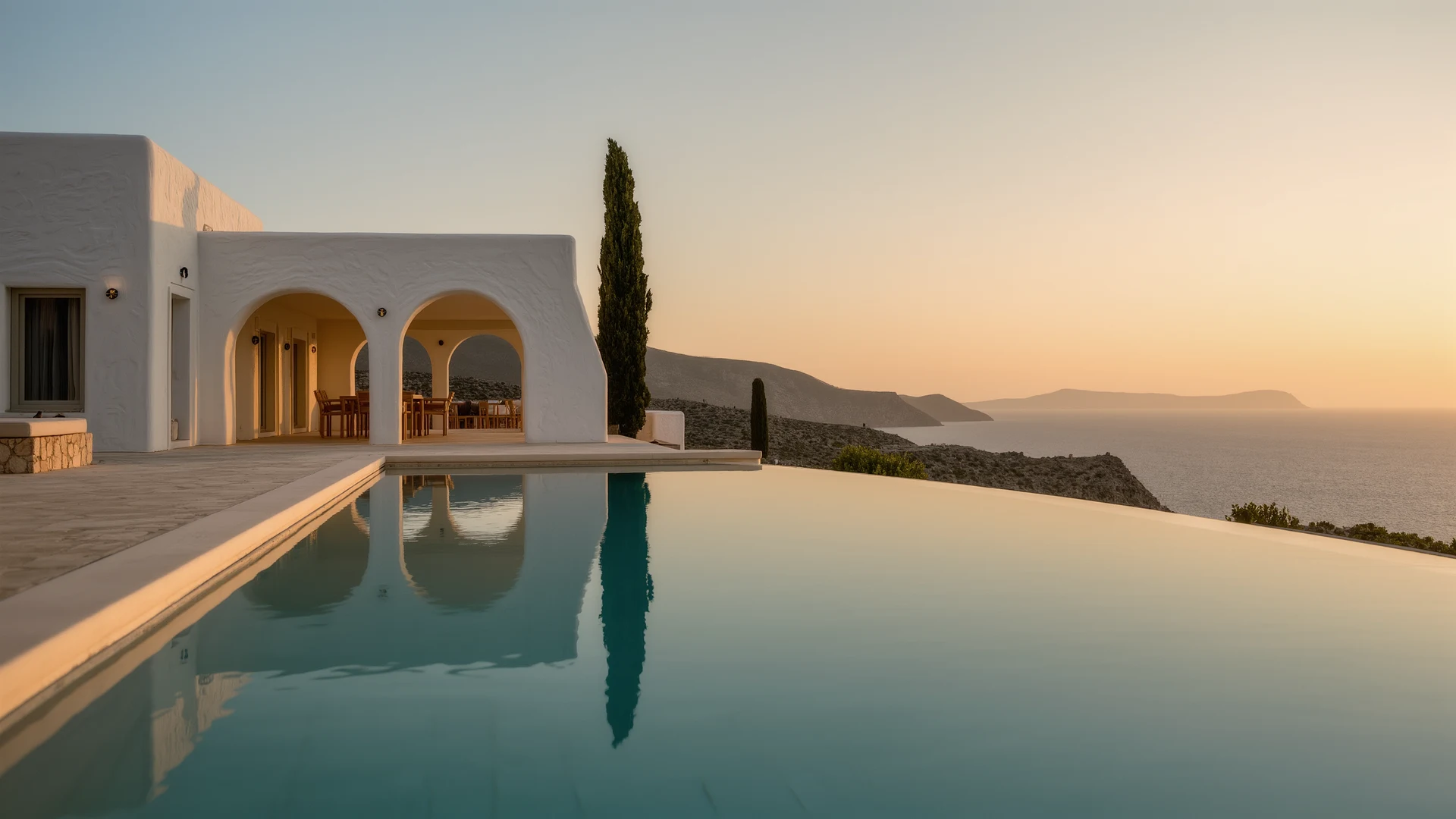
Mallorca · 14 min
Mediterranean Villa Buying Guide
Mediterranean villa buying guide 2026: prices, yields and tax across Spain, France, Italy, Greece, Croatia and Montenegro in a 320 billion euro luxury…

Mallorca · 16 min
Mallorca Luxury Real Estate Guide
Mallorca luxury real estate guide: 2025 prices from 2 to 45 million euros, top areas like Portals Nous and Port d’Andratx, taxes, Golden Visa an…