Mallorca · 39.62°N 2.99°E · File 223
Top Tips for Successful Real Estate Marketing with Virtual Tours
The real estate industry has undergone a significant transformation in recent years, largely due to advancements in technology. One of the most impactful innovations is the introdu…
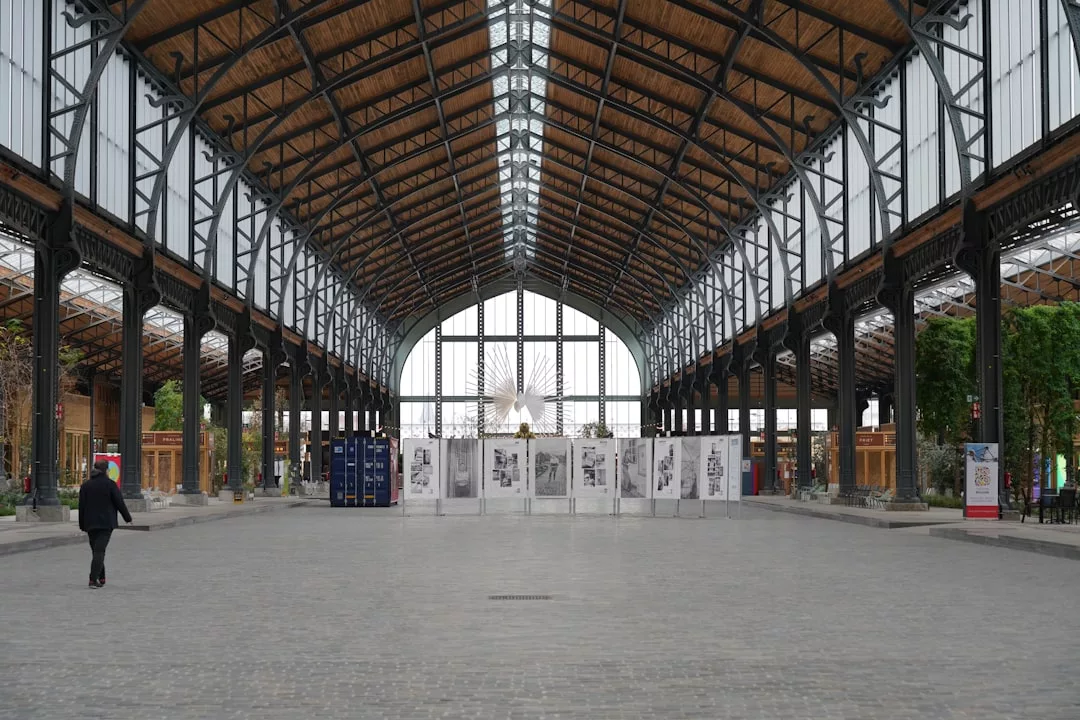
The real estate industry has undergone a significant transformation in recent years, largely due to advancements in technology. One of the most impactful innovations is the introduction of virtual tours, which have revolutionized how properties are marketed. Virtual tours provide potential buyers with an immersive experience that traditional photographs and videos cannot match.
By allowing prospective clients to explore a property from the comfort of their own homes, real estate agents can reach a broader audience and cater to the needs of tech-savvy consumers who prefer digital interactions over in-person visits. Moreover, virtual tours enhance the overall marketing strategy by providing a 24/7 open house experience. This means that potential buyers can view properties at their convenience, regardless of time zones or geographical barriers.
The ability to showcase a property in a dynamic and engaging manner not only attracts more interest but also helps to filter out serious buyers from casual lookers. As a result, agents can focus their efforts on clients who are genuinely interested in making a purchase, ultimately leading to more efficient sales processes.
Key Takeaways
- Virtual tours in real estate marketing offer convenience for potential buyers to view properties remotely
- High-quality virtual tours can enhance the visual appeal of properties and attract more potential buyers
- Virtual tours can be utilized on multiple platforms such as websites, mobile apps, and virtual reality devices
- Incorporating virtual tours into social media marketing can increase engagement and reach a wider audience
- Interactive virtual tours can engage potential buyers and provide a more immersive viewing experience
Creating High-Quality Virtual Tours for Properties
Investing in Quality Equipment
The first step in this process is to invest in high-resolution photography and videography equipment. A professional camera with a wide-angle lens can capture the full essence of a room, while drones can provide stunning aerial views of larger properties or estates.Optimizing Lighting and Visuals
Lighting is another critical factor; natural light should be maximized, and additional lighting may be necessary to ensure that each space is well-lit and inviting. Once the visuals are captured, the next step involves using specialized software to stitch together images and create an interactive experience.Enhancing the Virtual Tour Experience
Platforms like Matterport or Kuula allow users to create 3D models that potential buyers can navigate through seamlessly. It’s essential to include hotspots that provide additional information about specific features, such as appliances or architectural details, enhancing the educational aspect of the tour. Additionally, incorporating floor plans can help buyers visualize the layout and flow of the space, making it easier for them to imagine themselves living there.Utilizing Virtual Tours on Multiple Platforms
To maximize the reach of virtual tours, real estate agents must strategically utilize multiple platforms for distribution. Websites are often the first point of contact for potential buyers, so embedding virtual tours directly on property listings can significantly enhance user engagement. A well-designed website that features virtual tours prominently can keep visitors on the page longer, increasing the likelihood of inquiries and showings.
In addition to personal websites, leveraging real estate listing platforms such as Zillow or Realtor.com can further amplify exposure. These platforms often have built-in tools for integrating virtual tours, allowing agents to showcase properties in a more interactive format. Furthermore, utilizing email marketing campaigns that include links to virtual tours can effectively target leads who have shown interest in specific properties.
Incorporating Virtual Tours into Social Media Marketing
Social media has become an indispensable tool for real estate marketing, and incorporating virtual tours into social media strategies can yield impressive results. Platforms like Facebook and Instagram allow agents to share engaging content that captures the attention of potential buyers. Short clips or highlights from virtual tours can be posted as teasers, enticing viewers to click through for the full experience.
Utilizing stories or reels can also create a sense of urgency and excitement around new listings. Moreover, paid advertising on social media platforms can target specific demographics based on location, interests, and behaviors. By promoting virtual tours through targeted ads, agents can reach individuals who may not have been actively searching for properties but are intrigued by what they see.
Engaging with followers through comments and direct messages can also foster relationships and build trust, making it more likely that potential buyers will consider working with the agent when they decide to make a purchase.
Engaging Potential Buyers with Interactive Virtual Tours
Interactive virtual tours take the concept of traditional virtual tours a step further by allowing users to engage with the content actively. Features such as clickable hotspots, 360-degree views, and guided walkthroughs create an immersive experience that keeps potential buyers engaged longer than static images or videos would. This level of interactivity not only showcases the property but also allows buyers to explore areas that interest them most, whether it’s a spacious kitchen or a cozy living room.
Additionally, incorporating elements like audio narration or background music can enhance the emotional appeal of the tour. For instance, a soothing voiceover explaining the unique features of each room can create a more personal connection with viewers. Furthermore, providing options for users to save their favorite properties or share tours with family and friends can facilitate discussions and decision-making processes among potential buyers.
Leveraging Virtual Tours for Remote Property Viewings
The rise of remote work and global mobility has made it increasingly common for buyers to seek properties without being physically present. Virtual tours serve as an invaluable tool in this context, allowing remote clients to view properties in real-time or at their convenience. This capability is particularly beneficial for international buyers or those relocating from different states who may not have the opportunity to visit multiple properties in person.
Real estate agents can enhance this experience by offering live virtual showings via video conferencing platforms like Zoom or Google Meet. During these sessions, agents can guide clients through the property while answering questions in real-time. This interactive approach not only provides a personal touch but also allows agents to address specific concerns or highlight features that may be particularly appealing to remote buyers.
By leveraging technology in this way, agents can effectively bridge the gap between physical and digital property viewings.
Analyzing Virtual Tour Data for Marketing Insights
One of the often-overlooked advantages of virtual tours is the wealth of data they generate regarding user engagement and behavior. This data-driven approach allows agents to refine their marketing strategies and tailor future listings based on buyer preferences.
For instance, if analytics reveal that users spend significantly more time in outdoor spaces compared to interior rooms, agents might prioritize showcasing gardens or patios in future listings. Additionally, understanding which features attract the most attention can inform staging decisions for physical showings or even renovations before listing a property. By leveraging data from virtual tours, agents can make informed decisions that enhance their marketing efforts and ultimately lead to quicker sales.
Collaborating with Professional Virtual Tour Providers
While creating virtual tours in-house is an option for some real estate professionals, collaborating with specialized providers can elevate the quality and effectiveness of these marketing tools significantly. Professional virtual tour providers possess expertise in capturing high-quality visuals and creating engaging experiences that resonate with potential buyers. They often have access to advanced technology and software that may not be feasible for individual agents or smaller firms to invest in.
When selecting a virtual tour provider, it’s essential to consider their portfolio and previous work to ensure their style aligns with your brand’s vision. Establishing a collaborative relationship allows agents to communicate their specific needs while benefiting from the provider’s technical skills and creative insights. This partnership not only enhances the quality of virtual tours but also frees up agents’ time to focus on other critical aspects of their business, such as client relationships and closing deals.
In conclusion, virtual tours have become an essential component of modern real estate marketing strategies. By understanding their benefits, creating high-quality content, utilizing multiple platforms for distribution, engaging potential buyers through interactivity, facilitating remote viewings, analyzing data for insights, and collaborating with professionals in the field, real estate agents can significantly enhance their marketing efforts and improve their chances of closing sales in an increasingly competitive market.
Same market
More from Mallorca

Mallorca · 14 min
Luxury Finca Complete Guide
Luxury finca guide for Mallorca: prime locations, prices from 1.5M to 25M euros, restoration costs, water rights and a 7.2% growth rate driving this r…

Mallorca · 14 min
Mediterranean Villa Buying Guide
Mediterranean villa buying guide 2026: prices, yields and tax across Spain, France, Italy, Greece, Croatia and Montenegro in a 320 billion euro luxury…

Mallorca · 16 min
Mallorca Luxury Real Estate Guide
Mallorca luxury real estate guide: 2025 prices from 2 to 45 million euros, top areas like Portals Nous and Port d’Andratx, taxes, Golden Visa an…