Smart Villas: Why Demand for Smart Technology Is Rising
Why smart technology is in demand in villas: convenience, energy efficiency, security and privacy, design integration, and what to weigh as an investor.
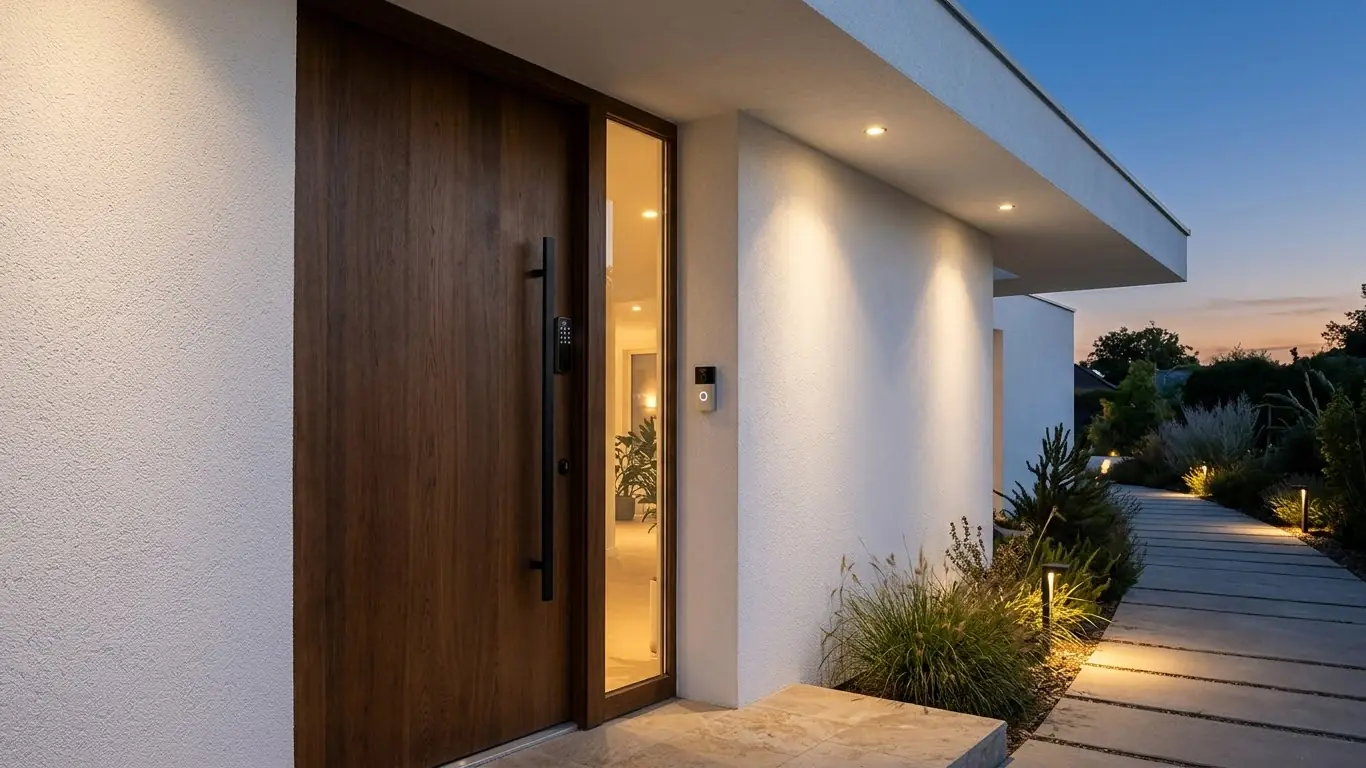

Smart home technology has changed residential living, driven by advances in the Internet of Things (IoT), artificial intelligence, and wireless communication. Homeowners increasingly embrace the convenience and efficiency that smart devices offer.
From smart thermostats that learn user preferences to voice-activated assistants that control various aspects of the home, technology has become a hallmark of modern living. The rise of smart home technology marks a shift in how people interact with their living spaces, and smartphones and other connected devices make remote management easier than ever.
This control can improve energy efficiency, security, and overall quality of life. As awareness of these benefits grows, demand for such innovations rises and shapes residential design and functionality.
Key Takeaways
- Smart home technology is on the rise and offers convenience and efficiency.
- Smart technologies in villas bring energy savings, improved security, and enhanced comfort.
- Demand for smart villas grows as more homeowners seek to integrate technology into their living spaces.
- New villa designs build smart technologies in from the ground up.
- Energy-efficient systems in smart villas support sustainable living and reduce environmental impact.
The Benefits of Smart Technologies in Villas
Smart technologies enhance the living experience in villas. They automate household tasks, so residents can focus on what matters: smart lighting can adjust to the time of day or occupancy, creating an inviting atmosphere while conserving energy. Smart thermostats can optimize heating and cooling based on real-time data, keeping comfort without excessive energy consumption. Security improves as well: with smart locks, surveillance cameras, and motion sensors, homeowners can monitor their properties from anywhere in the world.
This oversight gives peace of mind and may deter intruders. Many smart home systems also send alerts to homeowners’ smartphones in case of unusual activity, which allows a prompt response. Together these technologies enhance safety and give residents greater control over their environment.
Increased Demand for Smart Villas
Awareness of smart home technology is growing, and so is demand for smart villas. Homebuyers increasingly look for properties with advanced technologies and recognize their long-term benefits, a shift especially evident among younger generations who prioritize convenience and sustainability.
The desire for smart villas is about more than luxury; it reflects a broader trend toward modern living that embraces innovation and efficiency. Developers respond by building smart technologies into new villa projects, which often feature state-of-the-art systems for comfort, security, and energy efficiency.
Smart villas are becoming sought after in competitive real estate markets. Buyers are willing to invest in homes with cutting-edge features, expecting savings on utility bills and a possible rise in property value over time, though neither is guaranteed.
Integration of Smart Technologies in Villa Design
Integrating smart technologies into villa design is a multifaceted process that requires careful consideration of aesthetics and functionality.
This approach improves the user experience and allows greater flexibility in how spaces are used.
Open-concept layouts, for instance, can be paired with smart lighting that adjusts to natural light levels or occupancy patterns, and integrated sound systems can deliver immersive audio throughout the villa without compromising the design. Successful integration depends on understanding how technology can enhance residents’ lifestyle while keeping the beauty and integrity of the architecture intact.
As more homeowners seek personalized living experiences, demand for design solutions that incorporate smart technologies will likely keep rising.
Smart Villas and Sustainable Living
Sustainability is a growing concern for homeowners, and smart villas can address it. Advanced technologies can reduce a property’s environmental impact while keeping the living environment comfortable. Smart energy management systems let homeowners monitor and optimize energy consumption, which can lead to lower utility bills and a smaller carbon footprint.
These technologies promote sustainable living and align with the values of environmentally conscious consumers. As awareness of climate change and resource conservation grows, smart villas will likely appeal further as sustainable living options.
Security and Privacy in Smart Villas
Security and privacy remain paramount concerns for many homeowners. Interconnected smart devices can create vulnerabilities if not properly managed, although advances in cybersecurity are helping to mitigate these risks.
Manufacturers increasingly prioritize security features, encrypting data transmitted between devices to protect it from unauthorized access. Homeowners can add their own safeguards: regularly updating device firmware, using strong passwords, and enabling two-factor authentication are essential practices for protecting personal information.
Many smart home systems also offer customizable privacy settings that control what data is shared and with whom. Informed and proactive residents can enjoy the benefits of smart technologies while limiting potential risks.
The Future of Smart Villas
The future of smart villas looks promising as technology evolves. Artificial intelligence and machine learning are expected to shape the next generation of smart homes, enabling more automation and personalization, so homes adapt to individual preferences and lifestyles.
As connectivity improves with the rollout of 5G networks, smart devices should become more responsive and able to handle complex tasks simultaneously. That makes it easier to integrate the various systems of a villa into one interconnected living experience. As consumers grow accustomed to such advances, expectations for smart villas will rise and drive innovation in design and functionality.
Investing in Smart Villas
Smart villas present an opportunity for homeowners and real estate investors alike. As demand for technologically advanced properties increases, so may their potential for appreciation, though no outcome is assured. Buyers gain an enhanced living experience and may position themselves favorably in a competitive market.
For investors, smart villas offer a way to benefit from emerging trends in residential living. Properties with advanced technologies may attract higher rental yields and longer-term tenants who prioritize modern amenities. As sustainability gains weight in real estate decisions, eco-friendly smart villas can further add to appeal and marketability.
More from Marbella
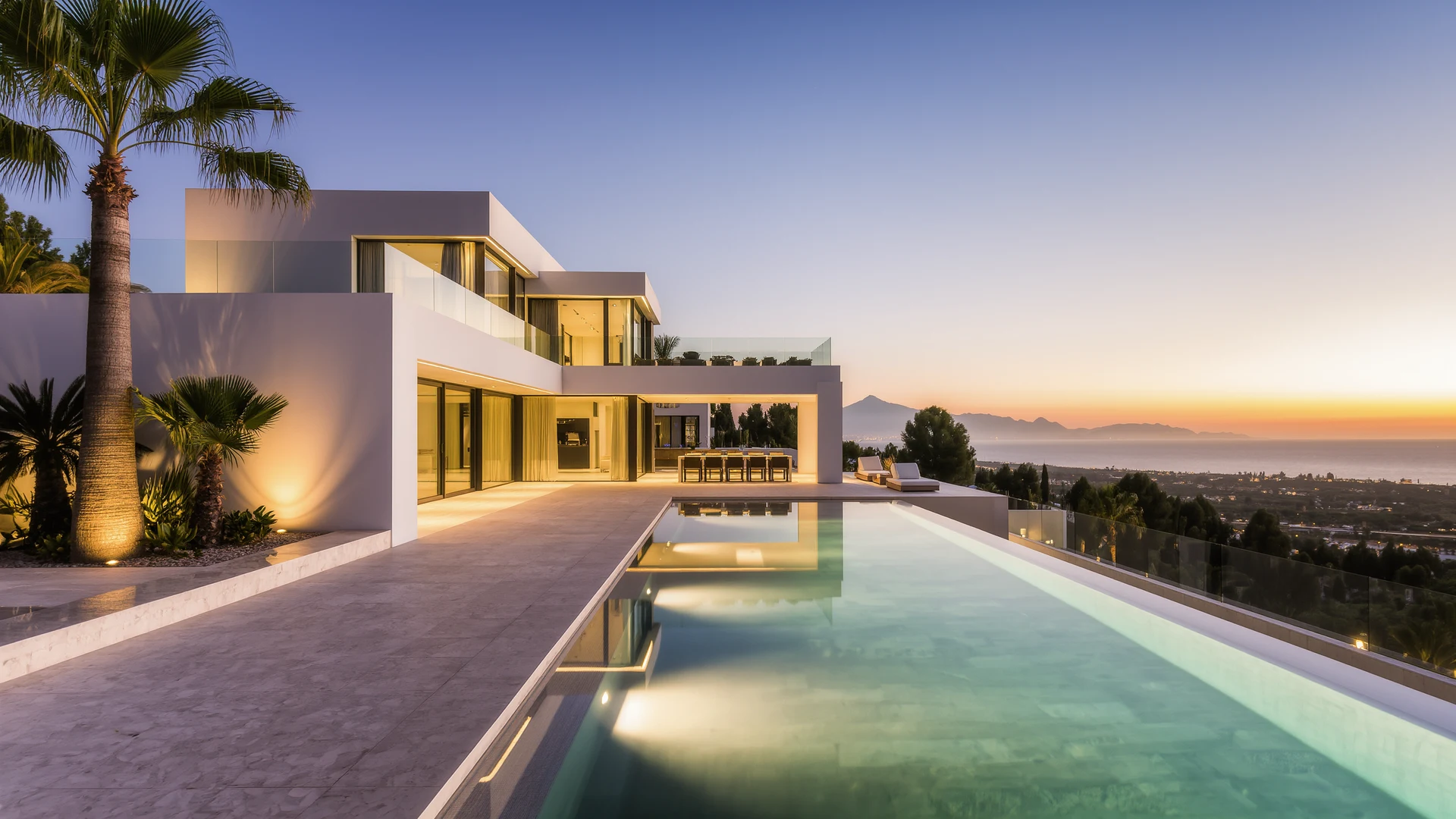
Marbella Property Market 2026: Prices, Areas and Taxes
Marbella property market 2026: €7.2bn in 2025 sales and prices up 5.8%, the Golden Mile, La Zagaleta and Puerto Banús, buyer profiles and tax guidance.

Marbella Property Market: What Draws Investors
Marbella draws property investors with its climate, rental demand and range of villas and apartments. A balanced look at the market, segments and risks.
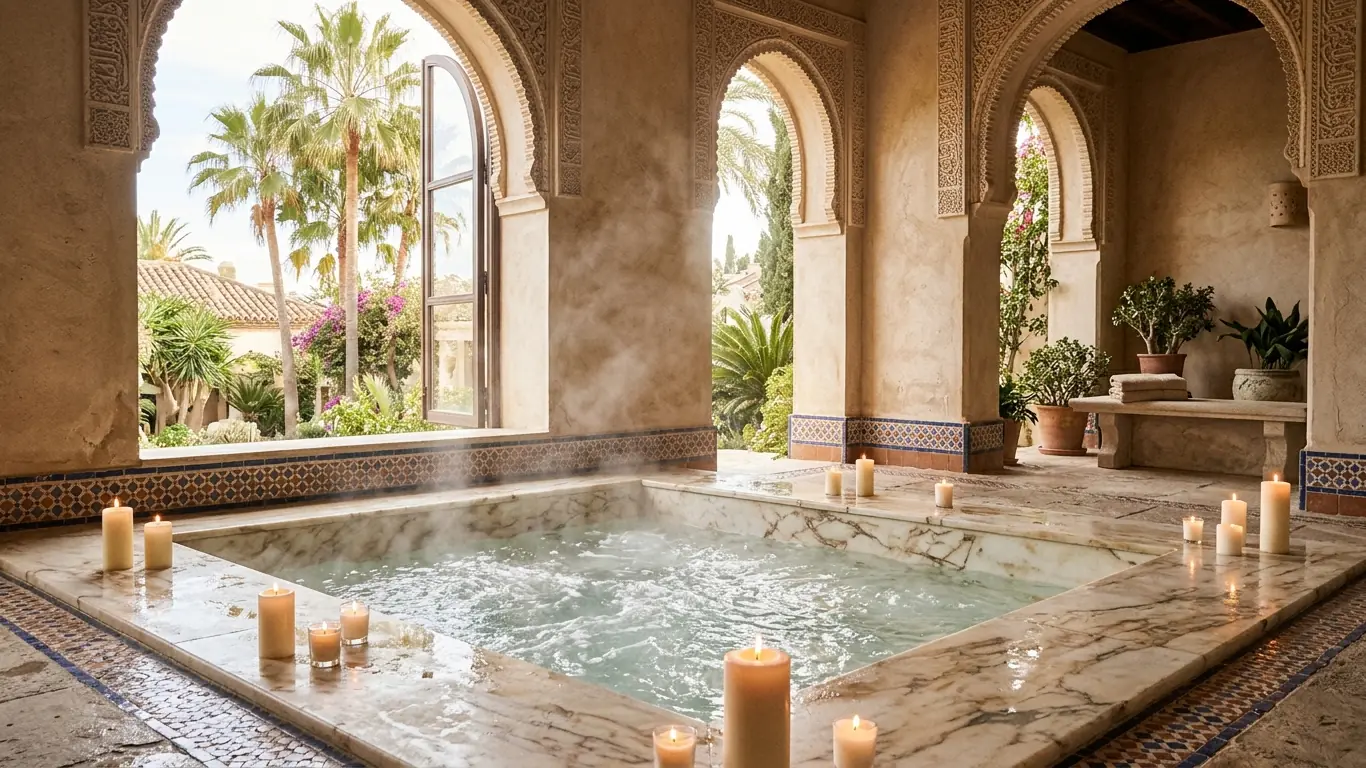
Wellness Properties in Marbella: Health Meets Luxury
Wellness properties in Marbella: why they are gaining ground, what features define them, how health and luxury combine and what to weigh when choosing one.