Sa Rapita Property: A Buyer’s Guide for Mallorca
Buying a Sa Rapita property on Mallorca: how to set a budget, compare property types, work with an agent, inspect, handle legal steps and close the deal.
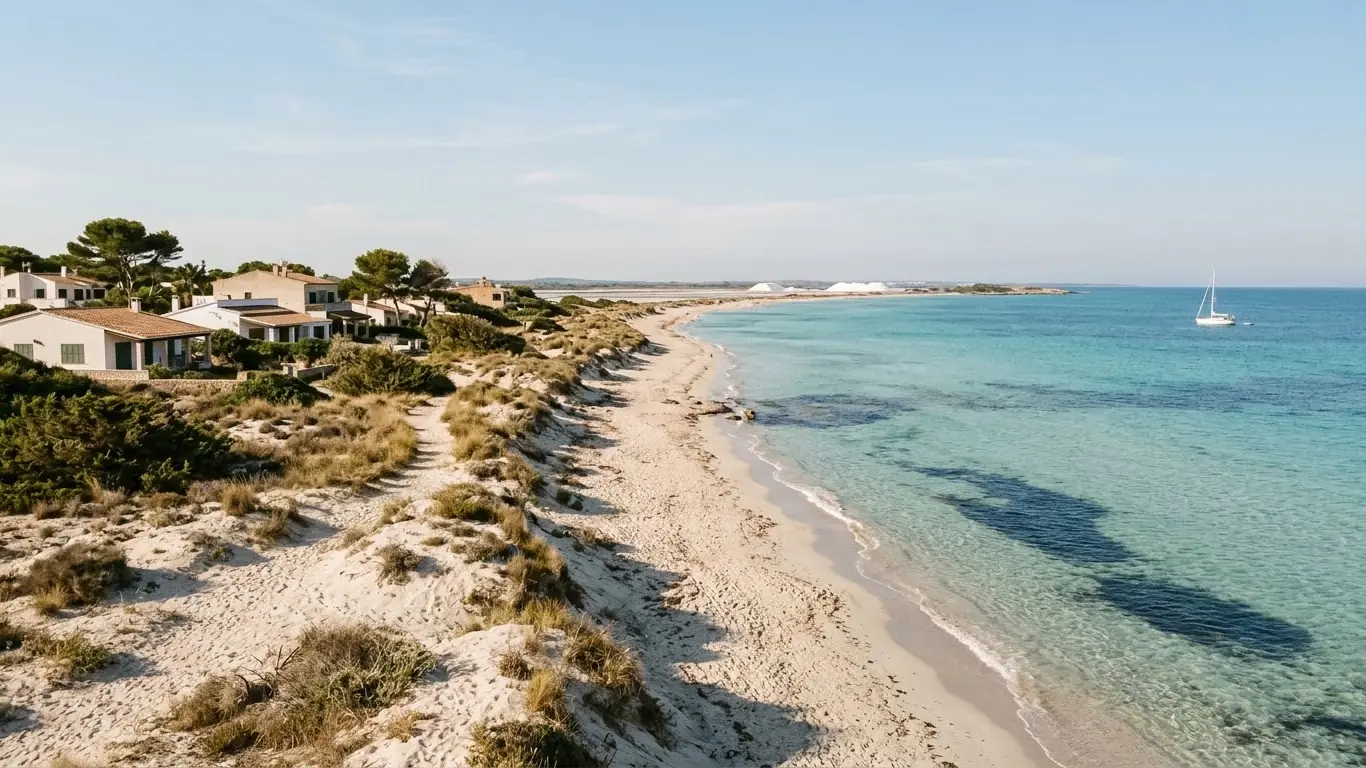

Mallorca, the largest of Spain’s Balearic Islands, attracts millions of visitors each year with landscapes that range from rugged mountains to serene beaches. It is more than a summer destination: a rich cultural heritage, vibrant local communities and a temperate climate make it attractive to live in year-round. This guide takes buyers of a Sa Rapita property through the steps that matter on the island, from budget and property types to agent, inspection, legal process, negotiation and closing.
Location is the first decision, since different areas of Mallorca offer different lifestyles and amenities. The island is divided into several regions, each with its own character.
The northern part of the island, including towns like Pollensa and Alcudia, offers a more tranquil atmosphere with beautiful beaches and picturesque countryside. The southwest coast, home to popular resorts like Magaluf and Santa Ponsa, is known for lively nightlife and family-friendly activities. Knowing these areas helps buyers decide which location fits their lifestyle preferences and investment goals.
Key Takeaways
- Understanding the location is the basis for an informed purchase decision.
- A set budget narrows the options and prevents overspending.
- Researching property types shows what the market offers.
- A real estate agent brings expertise and guidance through the buying process.
- Inspection confirms that the property meets requirements and is in good condition.
Setting Your Budget
Budget is among the first steps in buying property. Mallorca’s real estate market is diverse, with prices varying significantly by location, property type and amenities, so an honest assessment of your financial situation should come before any listings.
The budget should cover more than the purchase price: taxes, legal fees and maintenance expenses belong in it, which avoids unpleasant surprises later. Long-term financial goals matter as well.
A vacation home that is rented out when not in use and a permanent relocation may call for different financial strategies.
Financial advisors or mortgage brokers who specialize in international property purchases can explain the financing options open to foreign buyers and the steps of securing a mortgage in Spain.
Researching Property Types
With a clear budget, the next step is to research the types of properties on offer. Mallorca has an extensive range, from luxurious villas with sea views to charming apartments in historic buildings, and knowing the types narrows the search.
An apartment in Palma may suit those seeking low maintenance; such properties often come with communal amenities like pools and gardens for a more relaxed lifestyle. A villa in the countryside or along the coast suits those who want more space and privacy.
These homes often feature expansive outdoor areas and views but may require more upkeep. Weighing lifestyle preferences and the intended use of the property points to the type that fits best.
Hiring a Real Estate Agent
The Mallorca real estate market can be challenging, especially for first-time buyers or those unfamiliar with the local landscape. A knowledgeable agent brings extensive market knowledge and may offer access to listings that are not publicly available.
An agent can help identify properties that fit the criteria and negotiate on the buyer’s behalf. A good choice is someone who specializes in the area of interest; recommendations from friends or family with Mallorca experience and online reviews help gauge reputation.
A competent agent takes time to understand needs and preferences and guides the buyer through the entire process with insights into local market trends and property values. That expertise can save time and money.
Inspecting the Property
Before making any commitment, a thorough inspection of each potential property is essential. A property may look perfect in photographs but hide issues that only closer examination reveals.
The inspection covers interior and exterior alike: cracks in walls or ceilings, plumbing issues and electrical problems are signs to look for. The location in relation to schools, shops and public transport deserves attention too.
A thorough inspection gives peace of mind and provides leverage in negotiations if issues arise.
Understanding the Legal Process
Buying property in Mallorca can be complex, particularly for foreign buyers unfamiliar with Spanish law. Understanding the legal requirements in advance supports a smooth transaction. One of the first steps is obtaining an NIE, the foreigner identification number that any foreigner buying property in Spain needs.
A local lawyer who specializes in real estate transactions guides buyers through the legal intricacies, confirms that documentation is in order and that no debts or liens burden the property, and explains the taxes involved, such as transfer tax and notary fees.
Negotiating the Purchase
Once a property meets the criteria and has passed inspection, negotiations with the seller begin. A clear strategy keeps this stage manageable: start by determining the maximum offer based on the budget and on any findings from inspections that may warrant a lower price.
The agent provides insights into current market conditions and helps formulate an offer that reflects both interest in the property and its fair market value. Counteroffers from the seller are a normal part of the process, and open communication and flexibility help reach an agreement that satisfies both parties.
Closing the Deal
Closing is the final step after a purchase price is agreed. It involves signing contracts and transferring ownership from the seller to the buyer, with the lawyer ensuring that all legal requirements are met and all necessary documents are ready for signing.
All contracts should be reviewed carefully before closing to confirm that they reflect what was agreed in negotiations. The buyer then signs the title deed in front of a notary public, at which point ownership officially transfers. Afterward, registering the property with the local land registry office protects ownership rights fully.
More from Mallorca
Luxury Finca in Mallorca: Prices, Costs, Water Rights
Luxury finca guide for Mallorca: prime locations, prices from 1.5M to 25M euros, restoration costs, water rights and what drives its valuation.
Mediterranean Villa Buying Guide: Prices, Yields, Taxes
Mediterranean villa buying guide 2026: prices, rental yields and taxes in Spain, France, Italy, Greece, Croatia and Montenegro, plus renovation rules.

Mallorca Luxury Real Estate Guide: Areas, Taxes, Prices
Mallorca luxury real estate guide: top areas like Portals Nous and Andratx, prices from 2 to 45 million euros, taxes, the Golden Visa and yields.